





Every parent has experienced this moment at least once: when their child turns away, purses their lips, and flatly refuses to brush their teeth. A seemingly simple action turns into a daily ordeal. And the question immediately arises: am I doing this right?
Dental care for children is about habits that are formed from the first months of life. It’s about health, which directly affects well-being, sleep, and even self-confidence. And importantly, mistakes at this stage can be much more costly later.
Developing proper dental care is easier than it seems. If you understand what to do at each age and why it’s important, you can avoid most problems and make the process as stress-free as possible — for both your child and yourself.
In this article, we’ll discuss how to care for your child’s teeth at every stage, from the first months to adolescence, without unnecessary theory or complex terminology.
Why Is Cleaning Your Child’s Teeth Important?
Healthy baby teeth help children eat, speak, and develop properly. They also hold space for adult teeth and form a proper bite. Poor oral health can lead to pain, infections, and problems with adult teeth.
Brushing teeth helps prevent:
- cavities (tooth decay);
- gum disease;
- future complications.

Caring for Your Child’s Mouth
Let’s take a closer look at how to properly care for a child’s mouth from the earliest stages of life. Many parents think they only need to start when teeth appear. In fact, care begins much earlier, even before the first changes in the baby’s mouth.
How to clean your baby’s mouth: 0 to 6 months old
At this age, babies don’t have visible teeth yet, but care is still necessary. It’s important to understand when to start brushing baby teeth and how to do it properly.
- Wrap your finger in a clean, soft cloth.
- Wet it slightly with water.
- Gently clean baby’s gums.
- Wipe each gum, moving from the back of the mouth to the front.
As soon as the first tooth appears, your baby’s care routine needs to change slightly. Use a soft bristle toothbrush for kids. The brush should be small and soft. Brush very gently, without pressure.
Clean your baby’s mouth regularly after each feeding. Pay special attention in the evening. This helps protect baby’s teeth from cavities, even if they only have a few teeth.
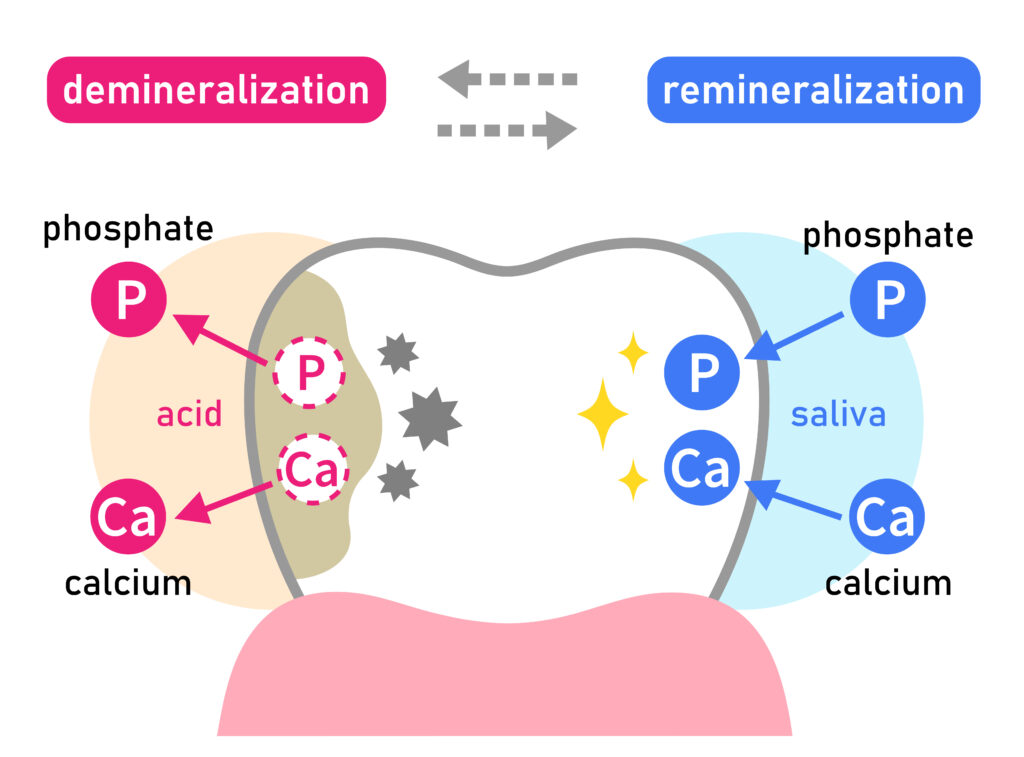
Avoid prolonged exposure of teeth to milk or formula. This is especially important at night. During sleep, less saliva is produced, so acids remain on the surface longer. This can cause tooth decay, even in the earliest stages.
Never dip a pacifier in sweet substances (honey, syrup, etc.). This significantly increases the risk of tooth decay and can lead to problems with the first teeth.
How to clean your child’s mouth: 6 months to 3 years old
During this stage, the first teeth begin to emerge. This is a essential time because care becomes more than just preventive care; it becomes an essential part of daily hygiene. Many parents notice baby teething symptoms, such as restlessness, chewing, and increased salivation. Proper teething care is especially important during this period.
As soon as the first tooth comes, start brushing immediately.
- Use a soft bristle toothbrush for kids.
- The brush should be small and very soft.
- Brush not only the teeth but also the tongue and gums
Brush twice daily for about two minutes. It’s especially essential to brush before bed.
Use a small amount of toothpaste and apply a thin layer. Be sure to consult with your dentist to determine whether your child should start using fluoride toothpaste. Fluoride helps strengthen enamel and protect teeth from decay.
If you use fluoride toothpaste, teach your child to spit out any remaining toothpaste. Don’t let them rinse their mouth with water after brushing. This is to ensure the fluoride continues to work and protect teeth longer.
As soon as your teeth appear close enough to each other and begin to touch, begin flossing daily. This is important because a toothbrush cannot completely clean the spaces between teeth.
After 6 months, it’s important to pay close attention to what your child drinks. Water is the best choice among the best drinks for your child’s diet. It’s safer than other beverages. Try to avoid giving sugary drinks between meals.
Around one year of age, it’s a good idea to start teaching your child to drink from an open cup. This reduces the risk of prolonged contact of liquid with teeth and develops healthier eating habits.
During this period, it’s especially important to establish a basic kids oral hygiene routine. Brush your teeth morning and evening, and do so regularly. The sooner your child gets used to this routine, the easier it will be to maintain healthy teeth in the future.
How to clean your child’s mouth: 3 to 6 years old
Ages 3–6 are the period when strong habits are formed. Children are already becoming more independent, but still need supervision and help from their parents.
Continue brushing your child’s teeth regularly and correctly:
- Brush the teeth, tongue, and gums for about 2 minutes.
- Do this twice a day with fluoride.
- It’s especially crucial not to skip evening brushing, as this helps reduce the risk of cavities.
It’s crucial to control the amount of toothpaste you use. Use a pea-sized amount (approximately 5 mm). This is sufficient for effective protection.
Even if a child wants independence, it’s crucial to supervise child brushing. Monitor technique, control duration, and check how thoroughly the teeth are brushed. Children at this age are not yet fully capable of self-management.
Show your child how to properly care for their teeth. Brush your own teeth with them regularly and turn it into a shared ritual. This way, your child will learn faster and accept care as the norm.
A child can’t yet brush their own teeth properly, especially the back teeth. Therefore, it’s essential to help them brush their teeth actively. If necessary, brush hard-to-reach areas.
When back teeth erupt, and adjacent teeth begin to touch, daily flossing should be introduced. Clean the spaces between teeth. This is where plaque most often accumulates. Continue to assist with flossing until your child learns to do it independently (usually around age 9).
How to clean your child’s mouth: 7 to 12 years old
Ages 7–12 are a transitional period. A child already has 20 primary teeth, and they are gradually replaced by permanent teeth. To maintain good dental health, you need to:
- Brush your teeth twice a day.
- Use fluoride toothpaste daily.
- Clean interdentally.
At this age, your child can already do a lot independently, but supervision is still important.
- Brush all surfaces of the teeth for at least 2 minutes.
- Use a small amount of toothpaste (about the size of a pea).
- Make sure to pay attention to the back teeth.
A good technique is to use a 2-minute timer. This makes the process more understandable and even playful.
Diet directly impacts dental health. Add healthy foods to your menu, such as apples, cheese, natural yogurt, and fresh vegetables. These foods help naturally clean teeth and maintain healthy enamel.
How to Keep Your Child’s Dental Health
A child’s dental health is a system of habits that develops gradually. The sooner you establish a clear and consistent care routine, the easier it will be to maintain it without stress and constant reminders. To keep your child’s teeth healthy, it is important to follow a few basic principles:
- Regular and proper dental hygiene is the foundation of protection against plaque and bacteria. It’s essential not only to brush your teeth, but to do it well.
- Create a kids’ oral hygiene routine. A clear routine (morning and evening) helps children perceive oral hygiene as a natural part of the day, not a chore.
- Regular dental checkups allow you to spot problems early and avoid complex treatments.
- Controlling your diet, limiting sugar, and proper care can help prevent tooth decay.
When Should Kids Go to the Dentist?
Many parents put off the first visit, believing that they should only see a dentist when problems arise. In fact, the introduction to the dentist should happen much earlier — in a calm, preventative manner.
A common question is what age is considered the right first dental visit.
- It’s recommended to schedule a first visit to the child’s dentist when the first milk teeth appear. This allows for an early assessment of dental development and care recommendations.
- Don’t wait for pain or visible problems. Early visits are about prevention, not treatment.
- Regular checkups help develop a positive attitude toward dental visits. Over time, the child gets used to going to the dentist, and it becomes a normal part of life, without fear or stress.
How Can I Make Sure My Child Gets the Right Amount of Fluoride?
Fluoride management is a crucial part of prevention. While it strengthens enamel and reduces the risk of tooth decay, it’s important to maintain a balance and avoid overuse.
To ensure your child gets the right amount of fluoride, follow these simple guidelines:
- Find out if your drinking water contains fluoride. In some regions, it’s already present in sufficient quantities, and additional fluoride may not be necessary.
- A dentist can help determine whether additional fluoride is needed, taking into account the child’s age and dental condition.
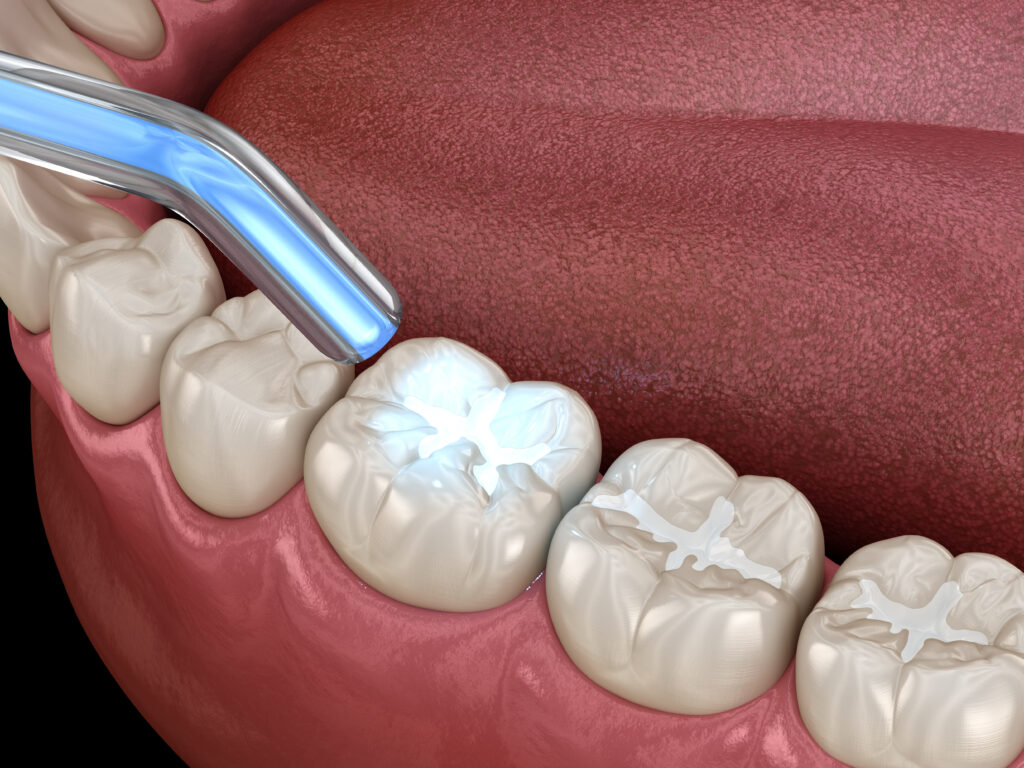
- Use fluoride varnish if needed. This professional product is applied to teeth and strengthens enamel protection. It is usually used as recommended by a dentist.
- Once your child can rinse and spit, you can discuss using mouthwash. However, be sure to ask your dentist before introducing it.
Healthy-Teeth Tips for Taking Care of Your Baby’s Teeth
In addition to brushing your teeth, your daily habits and diet greatly impact your oral health.
- Choose water and limit sugary drinks. This is one of the easiest ways to protect your child’s teeth and reduce stress on enamel. It’s especially important to pay attention to the drinks for your child’s teeth throughout the day.
- When liquids are in contact with teeth for long periods of time, the risk of damage increases. This is especially critical when a child’s first teeth appear.
- Gradually transitioning to a cup reduces the amount of liquid in contact with your teeth and helps establish healthier habits.
- Diet affects not only teeth but also overall health. The less sugar in your daily life, the lower the risk of problems.
- It is essential to take your child for regular dental check-ups, even if nothing is bothering them.
- Dental care is part of overall care for children’s health and good oral health.
When you consistently look after your child’s teeth, you create the foundation for healthy, permanent teeth in the future.
FAQs about your child's teeth
-
Tooth decay is a gradual process where bacteria break down the enamel of children’s teeth, leading to cavities. It often develops quietly, and by the time teeth may become sensitive, damage is already present. Good hygiene and brushing twice a day are the most effective ways to stop it early.
-
Yes, especially in early years when diet, habits, and hygiene are still forming. Sweet drinks, frequent snacking, and poor cleaning can quickly affect children’s oral health. The goal of a child’s dental care is to consistently protect baby teeth from cavities before problems begin.
-
Resistance is very common. Instead of pressure, try involvement. Turn brushing into a shared routine and let your child choose their toothbrush or paste flavor. Gentle routine-building helps help your child accept daily care without stress.
-
You should begin as soon as teeth start to appear. Early hygiene is part of infant oral care, and learning how to take care of a baby’s teeth? Early helps prevent future problems. Even before full teeth erupt, learning how to take care of baby’s first teeth sets the foundation for lifelong habits.
-
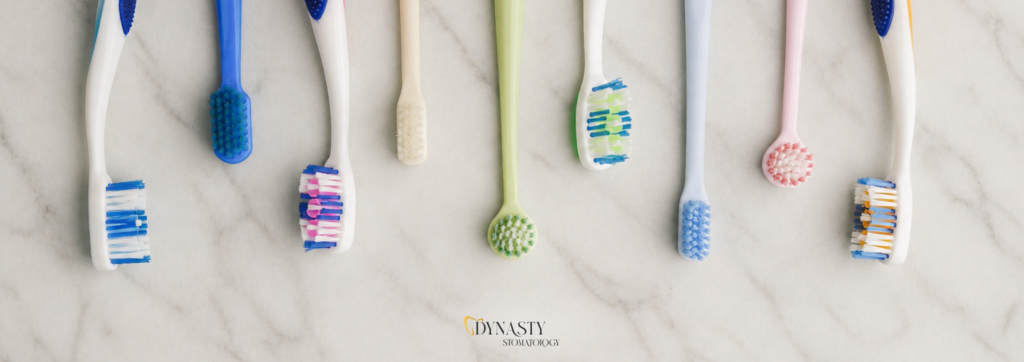
Choose a small, soft brush designed for children’s age and comfort. The goal is to match it with the stage of how to take care of baby teeth and ensure gentle cleaning without harming sensitive gums.
-
Ideally, schedule the first dental visit age around early toddler years, then continue regular dental check-ups every six months. Early visits help child to the dentist feel comfortable and support long-term prevention.
-
Yes, when used correctly. A tiny smear or pea-sized amount is enough. Always apply day with fluoride toothpaste as recommended, and ensure toothpaste after brushing is spat out, not swallowed, to keep treatment safe and effective.
-
Start by building simple consistency. Follow guidance on how to care for your childs teeth and make brushing part of daily routine. Gentle supervision, routine timing, and encouragement help encourage your child to stay consistent. Over time, how to take care of a baby’s teeth? becomes automatic behavior, especially when supported early.
Take Care of Your Children’s Dental Health Today
At Dynasty Stomatology, we look at pediatric dentistry differently. For us, a child is a person who is only forming his or her own attitude towards doctors and health care. That is why the first visit with us is about getting to know each other. The child sees the office, gets to know the doctor, the instruments, and simply understands that dentistry can be calm and safe.
We explain each step in simple terms, without complex terms and pressure. It is important that the child is not afraid but understands what is happening. Parents always remain part of the process. You see the full picture, understand the treatment plan, and can make decisions based on transparent information, without complex medical formulations.