Fluoridation and Remotherapy (Remineralization) of Teeth

Fluoridation and Remotherapy (Remineralization) of Teeth

Fluoridation and remotherapy (remineralization) are preventive dental procedures aimed at strengthening tooth enamel, reducing sensitivity, and protecting against caries. Fluoridation involves applying special agents containing active fluoride, which reinforces the enamel structure. Remotherapy restores the mineral composition using calcium, phosphorus, and other essential elements.

See prices
Preventive remineralization

Preventive remineralization

Performed at home using toothpastes and gels enriched with calcium and fluoride. These are applied to clean tooth surfaces to protect teeth from caries and reduce sensitivity.

Calcium and fluoride electrophoresis

Calcium and fluoride electrophoresis

A clinical method in which a fluoride-containing solution is delivered deep into the enamel under the influence of a mild electric current. This enhances the penetration of fluoride ions and minerals.

Deep fluoridation of teeth

Deep fluoridation of teeth

A long-term caries prevention method that creates stable fluoride compounds on the enamel surface, significantly strengthening the tooth structure.

How Is Tooth Enamel Remineralization Performed in Dentistry?

Remineralization therapy is an effective way to strengthen the enamel by saturating it with essential vitamins and minerals. In our dental clinic, enamel-strengthening procedures are performed quickly, safely, and painlessly — even for children undergoing dental remotherapy.

Stages of Remineralization Therapy:

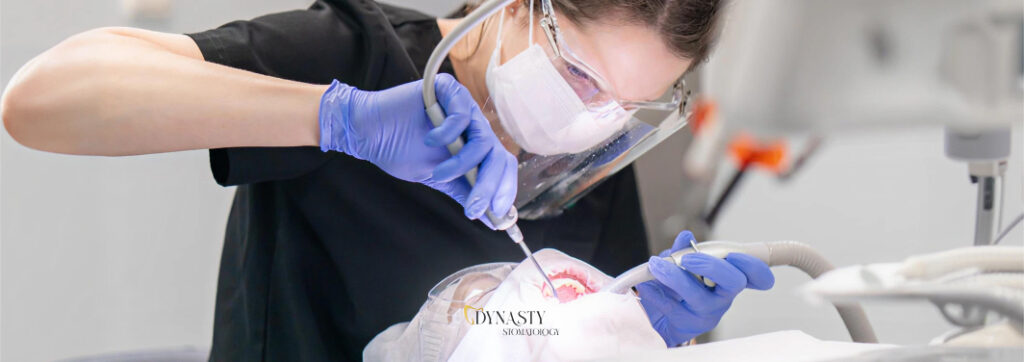
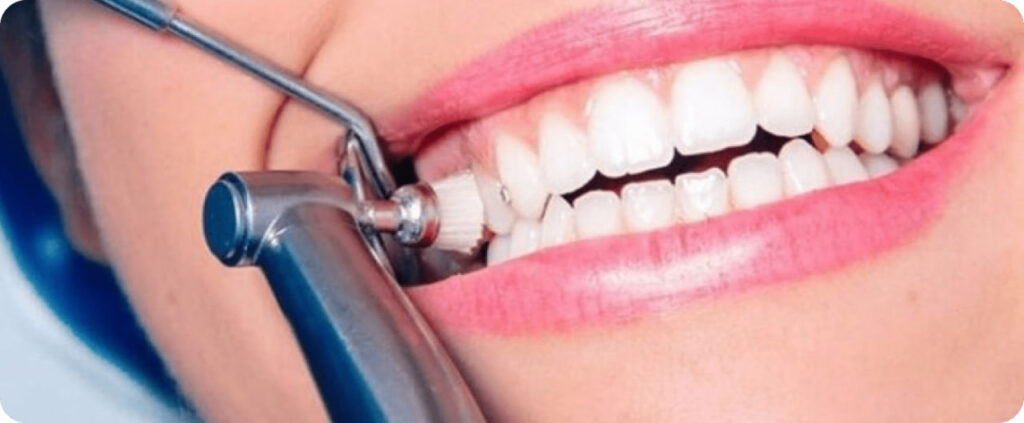
  1. Professional teeth cleaning. The procedure begins with the removal of tartar and plaque using airflow or ultrasonic devices. This ensures the enamel surface is clean and prepared for mineral absorption.

  2. Drying and preparation. Teeth are dried from saliva to allow better adhesion of therapeutic agents.

  3. Application of remineralizing agents. A fluoride-based varnish or gel enriched with fluorine, calcium, magnesium, phosphorus, and other elements is applied to the surface of the enamel. These minerals penetrate the porous enamel structure, restoring its density and resistance to acids.

  4. Reapplication if needed. In areas more affected by caries in primary teeth or near the gumline, the fluoride varnish may be reapplied for more concentrated action.

Fluoridation and Remotherapy (Remineralization) of Teeth

Price: Fluoridation and Remotherapy (Remineralization) of Teeth

How the Dynasty Stomatology dental clinic's loyalty program works

Learn more about the loyalty program
Step 01

Visit the clinic and scan the QR code at the reception desk

Step 02

Register online — enter your details

Step 03

Receive and accumulate points after each visit

Do you want to keep your enamel strong for a long time?

Schedule an appointment!

    By clicking the button, you give your agreet your personal data in accordance with privacy policy.

    Frequently asked questions about fluoride and remineralization therapy

    • No, fluoride application is not recommended in cases of fluorosis, as excess fluorine may worsen the enamel condition.
    • The result may last from several months up to a year, depending on the tooth condition and adherence to oral hygiene according to dentist recommendations.
    • Yes, both procedures are safe when performed with professional products and under the supervision of a qualified dentist. They are part of dental treatment of baby and adult teeth aimed at strengthening enamel and preventing caries of milk and permanent teeth. These procedures are also commonly included in broader dental services such as: Treatment of pulpitis and periodontitis in children; Treatment of baby teeth airflow and teeth airflow teeth cleaning treatment; Use of crowns for baby teeth or milk and permanent teeth crowns; Using Biodentine treatment of caries to preserve tooth vitality; Gentle care approaches for children without a drill using the icon method fissure sealing. For more information or to book your time, contact us via our website.
    • Yes, fluoride is one of the most effective ways to help remineralize teeth. It works by attracting minerals like calcium and phosphate back into weakened enamel, making it stronger and more resistant to acid attacks from bacteria. You can benefit from fluoride through toothpaste, mouth rinses, and professional fluoride treatments at our clinic. If you're concerned about early signs of tooth decay, we'd be happy to recommend the best fluoride options for your needs.
    • Yes, teeth can remineralize naturally to some extent. Your saliva contains calcium and phosphate minerals that help repair early stages of enamel damage, especially when supported by fluoride from toothpaste or drinking water. However, this natural process only works for very early decay — once a cavity has formed and broken through the enamel, professional dental treatment is needed. You can support remineralization by maintaining good oral hygiene, limiting sugary foods, and using fluoride-containing products.
    • Fluoride begins working on your teeth almost immediately upon contact, but visible remineralization of early enamel damage typically takes 3 to 6 months of consistent fluoride exposure through toothpaste, mouthwash, or professional treatments. The exact timeline depends on the extent of demineralization, your oral hygiene habits, diet, and saliva quality. Professional fluoride treatments at our clinic can accelerate this process, and we recommend regular dental visits so we can monitor your progress and tailor the best remineralization plan for you.

    Dentists providing enamel strengthening and caries prevention treatments

    View all doctors
    Rudzynska Yuliia

    Yuliia Rudzynska

    Pediatric dentist

    Helps children not only maintain healthy teeth but also develop a positive attitude toward dentistry, ensuring fear-free visits.

    Reviews of fluoride and remineralization therapy in Krakow

    Maria

    After a preventive check-up, my dentist recommended fluoride treatment at Dynasty Stomatology. I noticed a significant improvement in my enamel condition—the sensitivity to hot and cold nearly disappeared. Very happy with the result! This clinic is truly a place known for quality care.

    12/01/2025

    Elena

    I underwent remineralization treatment due to high enamel sensitivity. The outcome was excellent: sensitivity decreased, and my teeth now look much healthier. The attentive approach of the doctor and the overall service were top-notch. This kind of mineralization of the tooth is highly effective.

    05/02/2025

    Aleksei

    Fluoridation at Dynasty Stomatology helped strengthen my teeth after removing plaque and early caries. The procedure was comfortable, and the price was fair. I recommend it to anyone looking to protect teeth from caries dental in a safe and effective way.

    20/01/2025

    Olga

    I visited due to weakened enamel from frequent acidic food consumption. Remineralization significantly improved the condition of my teeth, and my smile is now visibly brighter and healthier. Many thanks to the specialists for their professionalism in preserving tooth vitality using biodentine and more!

    01/02/2025

    Igor

    After fluoride treatment, my teeth became much less sensitive and the enamel noticeably stronger. Thank you to the dentist for the excellent care and for answering all my questions. This is a great clinic where children are treated just as carefully as adults.

    10/01/2025

    Anna

    The remineralization procedure at Dynasty Stomatology was quick and painless. My teeth stopped reacting to temperature changes, the enamel feels stronger, and I feel much more confident. Dental remotherapy in children and adults alike can really make a difference — this treatment even helped prevent caries that was just starting to form as a white spot.

    18/01/2025

    Dmitry

    I had fluoride treatment after caries treatment, and the results were great — my teeth became stronger and sensitivity was gone. The procedure was smooth and pain-free. Definitely recommending Dynasty Stomatology! Their approach fits both children’s dental treatment and adult needs.

    25/12/2024

    Expert articles on the topic

    View all blog

    Both treatments are especially helpful for sensitive teeth, early-stage caries, and following professional oral hygiene. They are recommended for both adults and children, particularly during the transition from baby to permanent teeth.

    If you care about your smile’s health and want to maintain strong enamel for years to come, visit Dynasty Stomatology for professional tooth fluoridation and remineralization. We use only certified formulas, follow modern treatment protocols, and have qualified dental specialists.

    What’s the difference between fluoridation and remineralization?

    Tooth fluoridation strengthens the enamel by saturating it with fluoride compounds, which help prevent caries. Remineralization restores the enamel by balancing minerals like calcium and phosphorus, reducing sensitivity and reinforcing the tooth surface. These two procedures complement each other and share the same goal — to protect and strengthen tooth enamel.

    Indications and contraindications for tooth remineralization

    Remineralizing therapy is recommended to strengthen enamel, especially in the early stages of carious lesions and other types of enamel erosion. It helps prevent caries and decreases sensitivity.

    Indications and dental diseases:

    • Increased sensitivity to cold or hot stimuli;
    • Enamel demineralization;
    • Early-stage caries (white spots);
    • After professional dental cleaning;
    • After teeth whitening;
    • Strengthening enamel after metal brace treatment;
    • In children and adolescents during permanent tooth formation;
    • Thin or weakened enamel.

    The treatment is also beneficial for patients with increased enamel abrasion, helping restore minerals and prevent damage.

    Contraindications:

    • Allergies to remineralizing agents;
    • Acute inflammatory conditions in the mouth;
    • Deep caries or advanced gum diseases (pre-treatment required);
    • Active-stage oncological conditions.

    Types of Tooth Enamel Remineralization

    There are several types of tooth enamel remineralization, depending on the condition of the dental tissues and the goals of the procedure:

    1. Therapeutic remineralization (basic fluoridation). Carried out in a dental clinic using professional fluoride-based preparations applied topically by a dentist.

    Classic Remineralization and Fluoridation: Pros and Cons

    Fluoridation of teeth and remineralization therapy are widely used in dentistry to strengthen enamel and prevent tooth decay. While both have overlapping benefits, they differ in technique and depth of action.

    Advantages:

    • Strengthen enamel with minerals, increasing resistance to acids and plaque;
    • Reduce tooth sensitivity, especially in areas of early enamel demineralization;
    • Effective in the prevention of initial caries in both primary and molar teeth;
    • Painless, safe procedures suitable for children and adults;
    • Can be performed regardless of age and even in cases of gum sensitivity;
    • Contribute to oral health maintenance after professional teeth cleaning or whitening.

    However, there are also some limitations:

    • Best results are achieved through a course of treatments;
    • The effect depends on the regularity of procedures and proper oral hygiene;
    • Existing structural damage (e.g., tooth decay or enamel erosion) is not reversed;
    • In rare cases, individual sensitivity to fluoride or other components may occur.

    Remineralization of tooth enamel plays an important role in the prevention of caries, especially in children’s dentistry. It’s a recommended step after dental diagnostics or cleaning procedures such as teeth airflow cleaning. In cases like treatment of caries in children, pulpitis and periodontitis of primary teeth, or restoration of milk and permanent teeth, remineralizing therapy complements the overall dental treatment strategy.

    If you’re looking to protect teeth and maintain strong enamel for years to come, it’s definitely worth visiting a trusted dental clinic and discussing remineralizing options with your dentist. You can make an appointment today and start your personalized care plan tailored to your dental needs.

    Fluoridation and Remineralization in Pediatric Dentistry

    In children’s dentistry, fluoridation and remineralization play a crucial role in the dental treatment treatment of baby teeth. These procedures are designed to strengthen enamel, protect teeth from caries dental treatment, and reduce sensitivity in young patients. Unlike adults, children’s primary teeth require special attention due to their thinner enamel and higher risk of periodontitis of primary teeth treatment.

    Fluoride treatments and remineralizing therapy help preserve tooth vitality using biodentine treatment, especially important before applying teeth crowns for baby teeth or permanent teeth crowns for baby. These preventive measures can reduce the need for more invasive interventions like crowns for baby teeth removing or teeth removing a baby tooth.

    In some cases, dental treatment in a dream may be recommended to help children with severe anxiety. Additionally, care for permanent teeth after injuries lip or teeth after injuries lip frenuloplasty is important to ensure healthy dental development.

    The method fissure sealing to protect teeth is often used alongside fluoridation and remineralization to enhance protection against caries in children without the need for drilling.

    Parents are encouraged to schedule regular visits to dental clinics and carefully follow the time and book recommendations to maintain optimal dental health for their children.

    What Products Are Used?

    For remineralization of the tooth and fluoridation, only professional-grade preparations are used. These include fluoride varnishes, gels, remineralizing pastes, and mousses such as GC Tooth Mousse, Elmex, and R.O.C.S. Medical Minerals. These are suitable for both milk and permanent teeth and may be part of broader treatment of caries in children or pulpitis and periodontitis therapy.

    Frequency and Course of Procedures

    Remineralization is generally carried out in courses, depending on the mineral composition and density of the enamel. The frequency can range from 1 to 3 sessions per year, spaced a few months apart. Regular visits to the pediatric dentist are especially important in children’s dentistry to monitor enamel condition and schedule follow-up care.

    Remineralization is particularly useful as part of:

    • Treatment of caries of milk teeth and primary teeth treatment of caries;

    • Prevention and follow-up in teeth cleaning treatment of pulpitis;

    • Protection after procedures like fissure sealing to protect teeth or baby teeth airflow teeth cleaning;

    • Comprehensive dentistry children’s dental treatment plans.

    To maintain enamel health and protect teeth from caries, it’s recommended to book an appointment with doctors for individual consultation.

    Recommendations After Remineralization and Preventive Care

    Following a dental remineralization procedure, it is important to follow these guidelines to maintain the result and protect teeth from caries:

    1. Refrain from eating or drinking for 30-60 minutes after the session.

    2. Avoid acidic foods and beverages (such as citrus fruits) for the first 24 hours.

    3. Use a soft-bristled toothbrush and a non-abrasive toothpaste.

    4. Make regular visits to the dentist for professional cleanings and check-ups.

    With a preventive purpose, fluoride treatments are recommended several times a year depending on the condition of the teeth. This is especially relevant in children’s dentistry and the treatment of primary and molar teeth to prevent tooth decay due to mineral loss.

    Remineralization helps preserve both tooth vitality and the natural beauty of your smile for years to come. To undergo this dental treatment, schedule an appointment at Dynasty Stomatology through our website and WhatsApp.

    This information is provided for review and does not constitute medical advice.

    Make an appointment

      Your Information
      Additional
      We will call you back within 30 minutes during the clinic’s business hours and help you choose a convenient time.
      Privacy Overview

      This website uses cookies so that we can provide you with the best user experience possible. Cookie information is stored in your browser and performs functions such as recognising you when you return to our website and helping our team to understand which sections of the website you find most interesting and useful.