



A broken tooth is always an unpleasant surprise, often happening at the worst possible moment. But don’t panic! The highly qualified dental professionals at the innovative clinic Dynasty Stomatology are ready to provide immediate and effective treatment for this sudden dental emergency. We will carefully repair the damaged tooth, whether through restoration or placing an aesthetic implant. Our dentists will quickly bring back your charming smile!

Horizontal fracture

Vertical fracture

Oblique fracture
How Can Dynasty Stomatology Help with a Broken Tooth?
Our clinic in Poland is equipped with the most innovative dental technology. Thanks to advanced diagnostic equipment, we can accurately identify any problem related to teeth. The use of progressive tools and high-quality materials ensures highly effective treatment with guaranteed results.
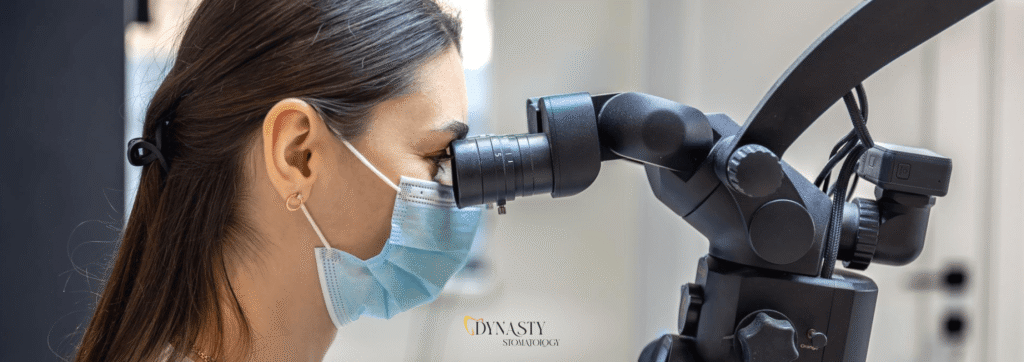
If root canal therapy may be required, the dentist will likely use a special dental microscope to reach even the smallest areas of the dentine and nerve. Depending on the extent of damage, we offer artistic restoration or aesthetic implantation. Your new tooth will be indistinguishable from your natural tooth!
We provide painless procedures, prioritize your comfort, and use safe anesthesia. Call or message us — we are ready to answer all your questions!
Price: Treatment of a broken tooth
-
Dentist consultation
250 PLN
How the Dynasty Stomatology dental clinic's loyalty program works
Learn more about the loyalty program
Step 01
Visit the clinic and scan the QR code at the reception desk
Step 02
Register online — enter your details
Step 03
Receive and accumulate points after each visit
Do you want to treat your teeth while you sleep?
Schedule an appointment!
By clicking the button, you give your agreet your personal data in accordance with privacy policy.
Frequently asked questions about broken tooth treatment
-
Rinse your mouth with warm water. If possible, apply an ice pack to the lip or cheek to reduce swelling. Take a pain reliever. Contact your dentist and schedule an appointment as soon as possible.
-
Yes, modern dental techniques allow us to restore a broken tooth. The key is to seek professional help promptly to avoid complications. Delaying treatment may infect the pulp and surrounding tissue, leading to abscesses, pulpitis, periodontitis, or even the loss of the natural tooth.
-
Treatment of a broken or chipped tooth may include reattaching the broken fragment, placing a filling, applying a crown, restoring the tooth with veneers, or performing root canal therapy to remove damaged nerve and blood vessels.
-
All procedures in our clinic are performed under anesthesia. If there are no contraindications, sedation is also available. Our specialists take every measure to minimize discomfort during dental treatments.
-
The recovery period depends on the type and extent of the damage, as well as how quickly you seek professional dental care. Early intervention improves the chance of a successful outcome and reduces recovery time.
-
If you break a tooth, try to save any broken pieces and rinse your mouth gently with warm water. Apply a cold compress to reduce swelling and contact our clinic as soon as possible — a broken tooth needs prompt professional attention to prevent infection and further damage. Depending on the severity, we can restore your tooth using bonding, a crown, or a veneer, and in more serious cases, root canal treatment may be needed. The sooner you visit us, the better the chance of saving your tooth!
-
Yes, a broken tooth can often be restored with a long-lasting solution depending on the extent of the damage. For minor chips, dental bonding or veneers work well, while more significant breaks may require a crown or, if the nerve is affected, a root canal followed by a crown. In cases where the tooth is severely fractured below the gum line, extraction and replacement with a dental implant may be the best permanent option. We recommend scheduling a consultation so we can assess your specific situation and recommend the most durable treatment for you.
-
Unfortunately, a cracked tooth cannot be truly fixed at home — it requires professional dental treatment to prevent infection, further damage, or tooth loss. As a temporary measure before your appointment, you can rinse with warm salt water, avoid chewing on that side, and take over-the-counter pain relief if needed. Please contact our clinic as soon as possible, as even a small crack can worsen quickly and lead to serious complications.
-
A cracked tooth should be treated as soon as possible — ideally within days, not weeks. While a minor crack may not cause immediate problems, delaying treatment allows bacteria to enter the tooth, leading to infection, increased pain, and a higher risk of the tooth breaking further or needing extraction. Even if you're not experiencing pain yet, we strongly recommend scheduling an appointment promptly so we can assess the crack and preserve your tooth with the least invasive treatment possible.
Specialists who treat broken teeth
View all doctors
Anastasiia Danyliuk
General dentist, endodontist
Focuses not only on treatment effectiveness but also on patient comfort. Her main goal is to provide long-term results without the need for repeate...

Yulia Kryzhanovska
General dentist, endodontist
A doctor with a sense of humor who creates a positive atmosphere even in the dental chair.

Alona Horbenko
General Dentist
Alona is an experienced general dentist committed not only to treating dental conditions but also to preventing disease and maintaining oral health...

Yana Tereshchenko
General dentist, endodontist
Cares about both the health and the aesthetic and functional aspects of her patients’ teeth, helping preserve a natural, beautiful smile for years.

Vladyslav Karkachov
General dentist, endodontist, prosthodontist
Relies on a well-thought-out treatment plan and good rapport with the patient. A friendly approach helps build trust, even among those afraid of de...

Oleg Vus
General dentist, endodontist, prosthodontist
Oleg Vus is guided by the principles of professionalism, honesty, and patient care. He does not impose unnecessary procedures, but offers only the ...

Rostyslav Savruk
General dentist, endodontist, prosthodontist
Over 16 years of professional experience. Specialization in prosthetic dentistry and dental prosthetics. Use of advanced techniques and modern mate...
Reviews of broken tooth treatment in Krakow
Expert articles on the topic
View all blog-
08.10.2026
1
8 min. read
Sensitive Teeth: Causes, Treatment, and Effective Pain Relief
Sensitive teeth most often cause brief, sharp pain triggered by stimuli such as a cold drink, hot food, or brushing. It occurs when stimuli reach exposed dentin—the tissue located beneath the enamel and root cementum. Dentin contains microscopic tubules connected to the inside of the tooth. When enamel wears away due to erosion or the […]
Read more -
07.10.2026
2
9 min. read
Toothache – How to Relieve It at Home and When to See a Dentist Urgently
This guide is for adults who need safe relief before seeing a dentist. Home remedies may reduce toothache pain for a short time, but they do not address its cause. If the pain is severe, worsening, recurring, or accompanied by swelling, it is worth contacting a dental office the same day. In cases of sudden […]
Read more -
03.07.2026
276
7 min. read
Treating Tooth Decay — How to Get Rid of Tooth Decay, Causes and Symptoms
Dental caries rarely begins with pain. In most cases, it develops silently in its early stages. First, a small spot…
Read more -
22.05.2026
441
8 min. read
Root canal treatment under a microscope – jwhat is microscopic endodontics?
Many people still view root canal treatment as one of the most unpleasant dental procedures. Fear of pain, lengthy treatment,…
Read more -
25.03.2026
657
9 min. read
Causes and Treatment of Stomatitis – What is it and Why Does it Occur?
Have you ever woken up in the morning, gone to drink coffee, and suddenly noticed an unpleasant burning sensation in…
Read more -
09.03.2026
381
9 min. read
Restorative Dentistry Guide — Everything You Need to Know
Sometimes a tooth decays almost unnoticed. There's no sharp pain or warning signs. A small spot, mild sensitivity to cold,…
Read more







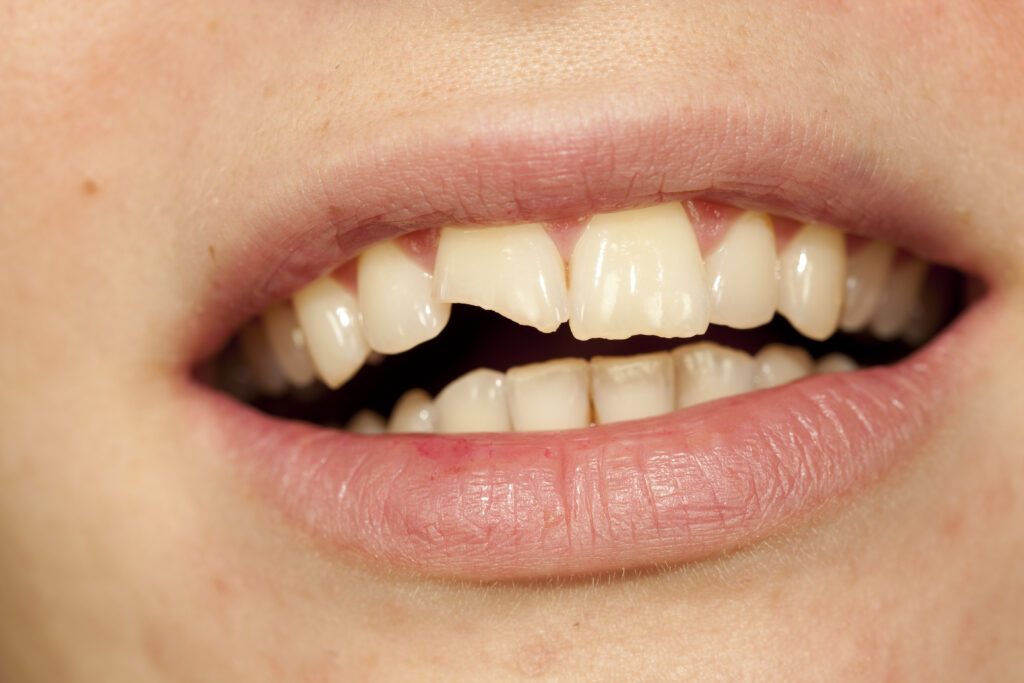
Symptoms of Tooth Root Fracture
A tooth fracture involves a crack or break in the root part of the tooth. This serious dental injury often presents with the following acute symptoms:
- Increasing pain.
- Discomfort while chewing.
- Tooth mobility.
- Swelling.
- Elevated body temperature.
- Gum redness.
- Changes in tooth enamel color.
- Bleeding.
- Heightened sensitivity of the tooth surface.
- Bad breath.
In some cases, part of the tooth or even the entire tooth may be knocked out of its socket.
In case of a dental trauma, apply a cold compress to your cheek. If the damaged tooth bleeds heavily, gently dab the area with sterile cotton or gauze. Important! Do not disinfect the oral cavity with alcohol or hydrogen peroxide, as this may worsen the damage. For severe pain, take an over-the-counter pain reliever.
After noticing these symptoms, it’s crucial to contact your dentist as soon as possible. Delaying treatment may worsen your condition, leading to further infection and inflammation. Don’t postpone visiting a dental clinic!
Causes of Tooth Fracture
No one is immune to a broken tooth. Most often, the tooth gets damaged due to an unfortunate accident: a blow, a fall, or other mechanical impact. Common causes of a broken or chipped tooth also include:
- Trying to bite through hard food like candies or nuts, which can easily chip the surface of the tooth.
- Untreated cavities, as tooth decay weakens the structure from within and may cause fractures.
- Naturally thin enamel walls, making the tooth more fragile.
- Oversized fillings, which can compromise the health of the natural tooth and lead to cracks.
- Poor nutrition, resulting in a lack of essential minerals that protect the teeth.
- Bruxism: the habit of clenching teeth tightly, increasing the risk of damage to the root.
- Advanced age, since teeth can be broken more easily over time.
- Improper tooth extractions.
- Neglected oral pathologies, such as cysts or necrosis of hard tissue.
- Weakened immunity.
- Endocrine or oncological diseases that affect oral health.
Types of Broken Tooth
Most broken teeth occur in the front — incisors or canines. However, molars can also break near the root. Depending on the type and location, we distinguish the following kinds of broken tooth treatment:
In terms of severity, a tooth fracture can be:
- Incomplete: with just a crack on the surface of the tooth.
- Complete: where a fragment or piece of the tooth has broken off.
First Aid for a Broken Tooth
Immediate first aid includes rinsing the mouth with saline or water to clean the area. It’s essential to see your dentist as soon as possible for proper broken tooth treatment and to prevent further complications, such as infection or worsening decay.
If a broken part of the tooth is preserved, it should be stored in milk or a saline solution to maintain its condition before visiting the clinic.
Broken Tooth Treatment
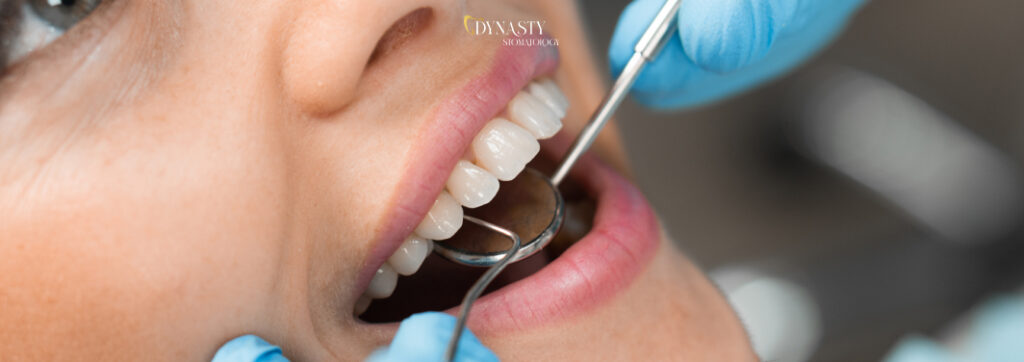
During the examination, the dentist will likely take an X-ray, suggest a digital radiograph, or recommend a CT scan. This is the only reliable way to assess the extent of the problem and make an accurate diagnosis. Based on the findings, the dentist and patient will create a personalized treatment plan.
If the broken tooth is mobile, your doctor may suggest splinting it for four weeks or longer to stabilize its position and reduce further trauma. For minor injuries, a filling or ceramic inlay can effectively restore the tooth’s structure and improve its function and appearance.
In cases where the pulp and dentine are affected, root canal therapy may be necessary. This involves removing the damaged nerve and blood vessels, disinfecting the canals, and sealing them. A post and crown are then placed to replace the missing part and protect the natural tooth.
If only the upper part of the tooth is cracked, the dentist may need to remove part of the root, clean out the pulp, and fill the root canals. This prevents the tooth from becoming infected or dying.
In more severe cases, especially when the broken tooth may be beyond repair, surgical intervention is required. This means the damaged tooth will need to be extracted and later replaced with a dental implant to restore functionality and aesthetics.
Treatment Costs for a Broken Tooth
The cost of treating a broken tooth primarily depends on the type and severity of the damage, as well as the chosen treatment method. The final price can only be determined after a thorough examination and professional diagnosis. Please note that additional fees for X-rays or CT scans may apply.
It’s important not to miss the opportunity to address dental issues promptly — untreated damage can worsen, spread infection, or even affect surrounding soft tissues like the tongue and lip.
Don’t compromise your health — book an appointment at Dynasty Stomatology, a premium dental clinic offering high-quality care at reasonable prices!