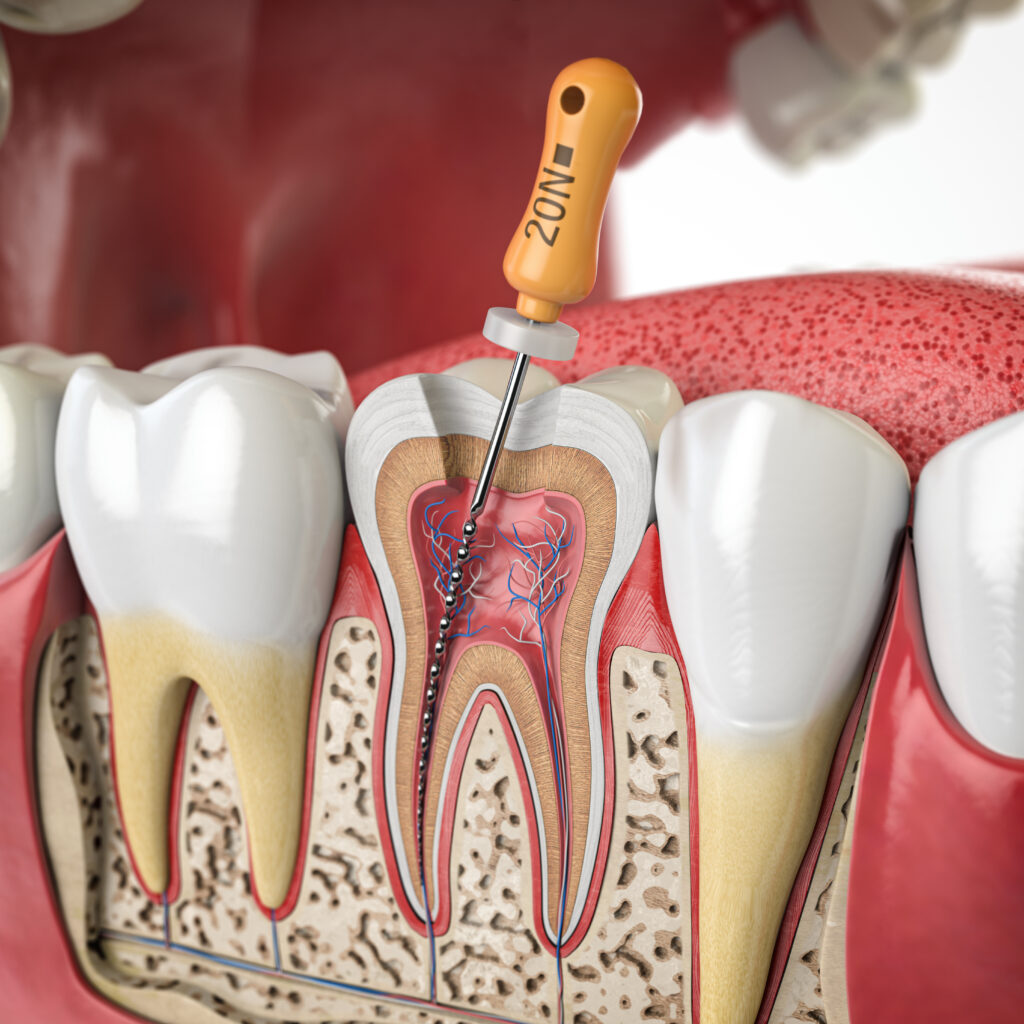
Sensitive teeth most often cause brief, sharp pain triggered by stimuli such as a cold drink, hot food, or brushing. It occurs when stimuli reach exposed dentin—the tissue located beneath the enamel and root cementum.
Dentin contains microscopic tubules connected to the inside of the tooth. When enamel wears away due to erosion or the gums recede and expose the root, cold, heat, or touch can stimulate the tooth nerve.
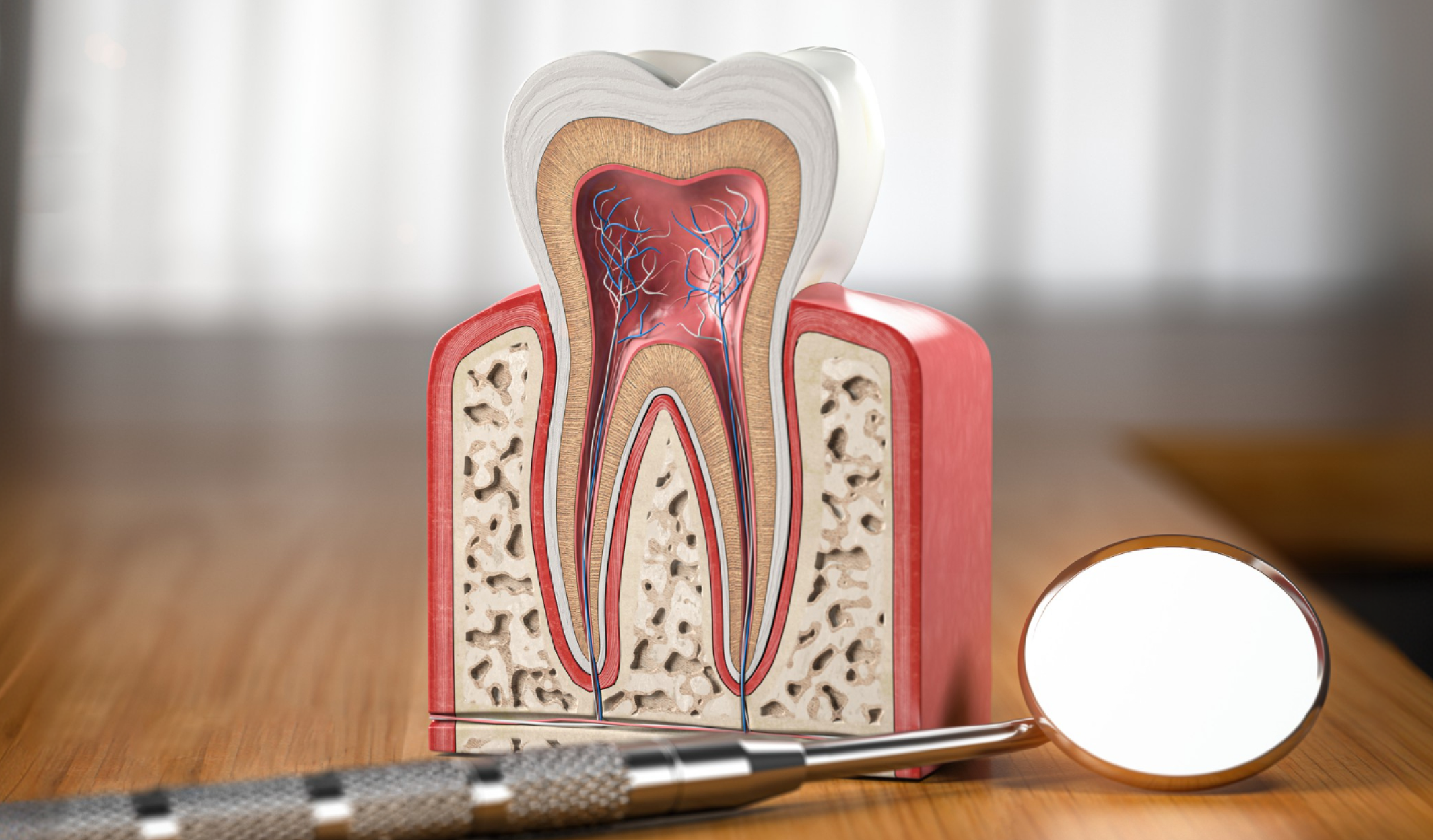
A typical reaction to cold is sudden and subsides quickly once the stimulus is removed. Tooth pain that lasts a long time, wakes you at night, intensifies, or occurs without eating or drinking should be viewed differently. Such a symptom may be associated with tooth decay, a cracked tooth, or inflammation, among other causes, and requires an examination.
This guide is for adult patients in Krakow who want to understand the cause of sensitive teeth and safely plan their next steps.
The Most Common Causes of Sensitive Teeth
The causes of tooth sensitivity can be complex. One person may have enamel erosion related to acidic drinks, abrasion caused by brushing too hard, and gum recession at the same time.
Common sources of the problem also include tooth decay, leaky fillings, cervical lesions, and bruxism, meaning teeth grinding or clenching. The right treatment depends on the identified cause, so it is not worth limiting yourself to simply changing your toothpaste.
Gum Recession, Tooth Damage, and Dental Conditions
Gum recession means that the gum line pulls back, exposing part of the root. The root is not protected by as thick a layer of enamel as the crown of the tooth, which is why exposed tooth necks often react painfully to cold and brushing.
Symptoms can also be caused by wedge-shaped lesions, tooth decay, enamel cracks, and leaky or damaged fillings. Toothpaste for sensitive teeth may temporarily reduce symptoms, but it will not restore a cavity or treat tooth decay. A dentist should assess the tooth and gums before a treatment method is chosen.
Brushing, Diet, and Bruxism as Risk Factors
Brushing too hard, especially with a hard-bristled toothbrush, can gradually wear away tissues around the necks of the teeth. This is not about blaming the patient—many people brush vigorously because they believe it removes plaque more effectively.
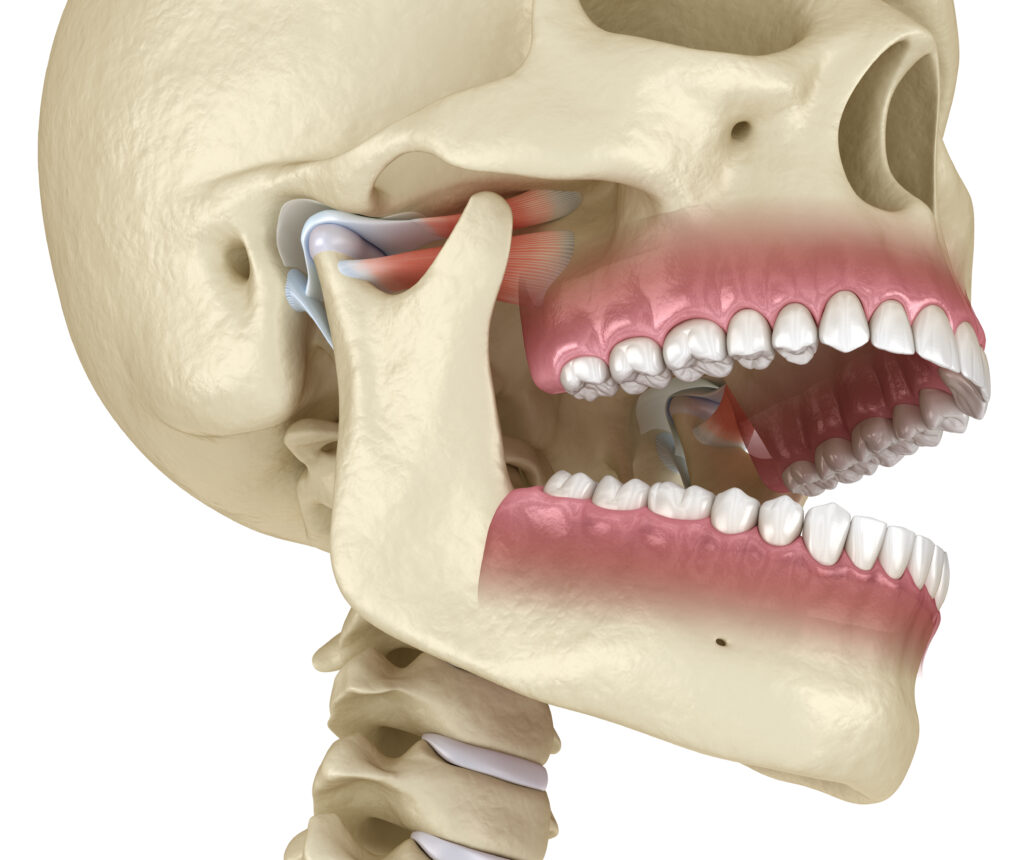
Enamel erosion can worsen with frequent sipping of acidic drinks, energy drinks, juices, or lemon water. Bruxism additionally overloads the teeth, which promotes microcracks and wear on tooth surfaces. Adjusting everyday habits is helpful, but it should go hand in hand with an assessment of your oral health.
How to Recognize Symptoms and When Should Tooth Pain Be Concerning?
Symptoms of sensitive teeth most commonly take the form of brief, shooting pain after cold, hot, sweet, or acidic foods and drinks. Sensitive teeth may also react during brushing, especially around the tooth neck.
For a dentist, not only the pain itself matters, but also its duration, location, and circumstances. Pain caused by heat, spontaneous pain, or discomfort affecting one specific tooth should not automatically be considered ordinary sensitivity.
Typical Reactions to Cold, Heat, and Sweet Foods
Characteristic pain after cold exposure may occur after a sip of chilled water, ice cream, or breathing in cold air. For some people, a similar reaction is triggered by hot coffee, acidic fruit, a sweet dessert, or contact between toothbrush bristles and an exposed tooth neck.
With tooth sensitivity, the pain usually goes away quickly when the stimulus disappears. This is a clue, not a method of self-diagnosis. The same symptom can sometimes occur with tooth decay, a leaky filling, or a cracked tooth, so it is worth observing whether the reaction recurs and whether it affects a specific area.
When Should You Book a Dental Appointment?
It is worth seeing a dentist if the pain persists after the stimulus is gone, occurs spontaneously, wakes you at night, or clearly gets worse. Pain in one tooth, swelling, bleeding gums, a visible cavity, a broken filling, or tooth trauma also require a consultation.
A prompt assessment helps determine the real cause and avoid treating the problem blindly. At Dynasty Stomatology, we can carry out an examination and, when justified, perform on-site imaging diagnostics. Information about the scope of services can be found on the dental services page.

Treatment for Sensitive Teeth: From Diagnosis to Procedures
Treatment for sensitive teeth is selected based on the cause, not just the intensity of the pain. The goal may be to reduce the transmission of stimuli through dentin, restore lost tooth structure, treat tooth decay, improve gum health, or protect teeth from excessive forces.
An appointment usually involves several steps:
- We discuss the type of pain, your diet, oral hygiene, and any possible teeth grinding.
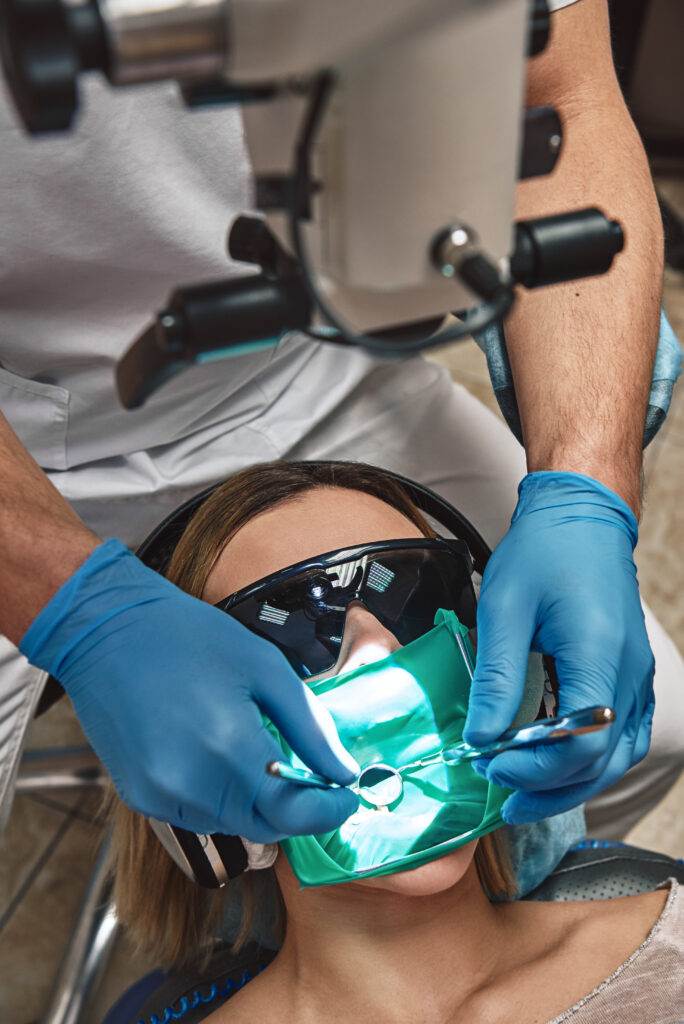
- The dentist examines the enamel, fillings, cavities, gums, and bite.
- If indicated, we expand the diagnostics to include an X-ray.
- We discuss possible treatment methods, their scope, and follow-up monitoring of the results.
This approach makes it possible to distinguish tooth sensitivity from other causes of pain and establish a plan without recommending unnecessary procedures.
Toothpaste for Sensitive Teeth and Professional Fluoride Treatment
Toothpaste for sensitive teeth can reduce discomfort, especially when the problem results from exposed dentin without an active cavity requiring restoration. Consistency and gentle brushing according to the dentist’s or hygienist’s recommendations are most important.
At the dental office, professional protective preparations, including fluoride treatment, may be considered. Topically applied fluoride can support remineralization of the enamel surface and reduce sensitivity in selected situations. The type of preparation should be matched to the condition of the teeth and gums, as well as the risk of tooth decay.
Restoring Cavities, Gum Treatment, and Other Procedures
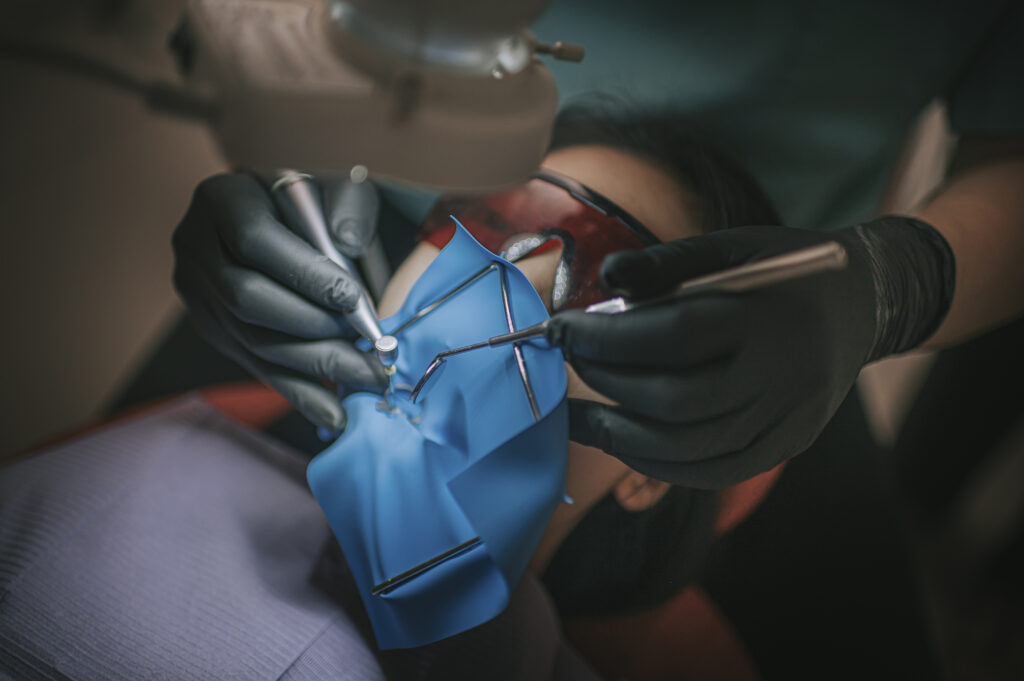
If the source of pain is tooth decay, a wedge-shaped lesion, or a damaged filling, the dentist may protect and restore the affected surface. Leaky fillings may be replaced, while gum disease may require periodontal treatment, meaning therapy for the tissues surrounding the tooth.
Management of gum recession depends on its cause and severity. When bruxism is the issue, the dentist may recommend tooth protection and bite diagnostics.
Home Remedies for Tooth Sensitivity: What Helps and What to Avoid?
Home methods for tooth sensitivity may relieve symptoms and limit further enamel damage. However, they do not replace diagnostic assessment if the pain is persistent or occurs without a clear trigger.
It is worth:
- using a soft toothbrush and brushing with gentle movements;
- using toothpaste for sensitive teeth as recommended;
- limiting frequent sipping of acidic drinks between meals;
- rinsing your mouth with water after an acidic meal and waiting before brushing;
- paying attention to whether teeth clenching occurs at night or during stressful situations.
Avoid scrubbing your teeth with a hard toothbrush, aggressive abrasive toothpastes, and attempting to “treat” a visible cavity at home. Enamel erosion and tooth decay require professional assessment, even if symptoms temporarily become milder.
How Can You Prevent Sensitive Teeth from Returning?
Prevention of tooth sensitivity depends on its source. If improper brushing is the problem, changing your technique and oral hygiene tools will be key. With gum recession, it is important to assess the condition of the periodontium, meaning the gums and tissues that support the tooth.
Regular oral hygiene, dental check-ups, and professional hygiene treatments recommended by a specialist can help. It is worth responding to bleeding gums, not ignoring tooth wear, and discussing symptoms of bruxism, such as morning jaw muscle tension or worn tooth surfaces.
In cases of enamel erosion, reducing the frequency of contact with acidic products is useful, rather than necessarily eliminating every one of them. An individual prevention plan is most effective when based on an examination and the patient’s actual habits.
What Does an Appointment for Sensitive Teeth Look Like?
A dental visit for tooth sensitivity begins with a calm consultation. We ask which stimuli trigger the pain, how long it lasts, whether it affects one tooth, and what your daily hygiene routine and diet look like.
Next, we assess the teeth, fillings, gums, exposed tooth necks, and bite. When necessary, diagnostics for sensitive teeth include an X-ray, which helps check areas that are not visible during a standard examination.
After making a diagnosis, we discuss dental treatment, possible procedures, and the expected number of visits. The price depends on the cause and the procedure used, so we determine the exact cost after the consultation. Current information is available in the Dynasty Stomatology price list.
Frequently Asked Questions About Sensitive Teeth
-
Yes, mild tooth sensitivity may decrease after changing your brushing habits and using the right toothpaste regularly. However, if the cause is tooth decay, a cavity, gum recession, or a cracked tooth, the symptom does not mean the problem has healed, and a dental assessment is needed.
-
The best toothpaste is one selected according to the cause of sensitivity and the overall condition of the mouth. It is worth choosing products intended for sensitive teeth and using them consistently. Not every toothpaste will be appropriate for active tooth decay, gum recession, or numerous cavities.
-
Brief pain after cold exposure often results from exposed dentin, which reacts strongly to changes in temperature. If the pain goes away immediately after the stimulus, it may be related to tooth sensitivity. If it lasts a long time, worsens, or affects one tooth, an examination is necessary.
-
Yes, pain resembling tooth sensitivity may be one of the symptoms of tooth decay. Tooth decay can cause a cavity and allow stimuli to reach deeper tooth tissues. Distinguishing between these problems requires an examination and sometimes an X-ray.
A brief reaction to cold, heat, or brushing may indicate tooth sensitivity, but persistent, spontaneous, or worsening pain should be examined. At Dynasty Stomatology in Krakow, we explain every stage of the diagnostic process and select treatment according to the cause of your symptoms.