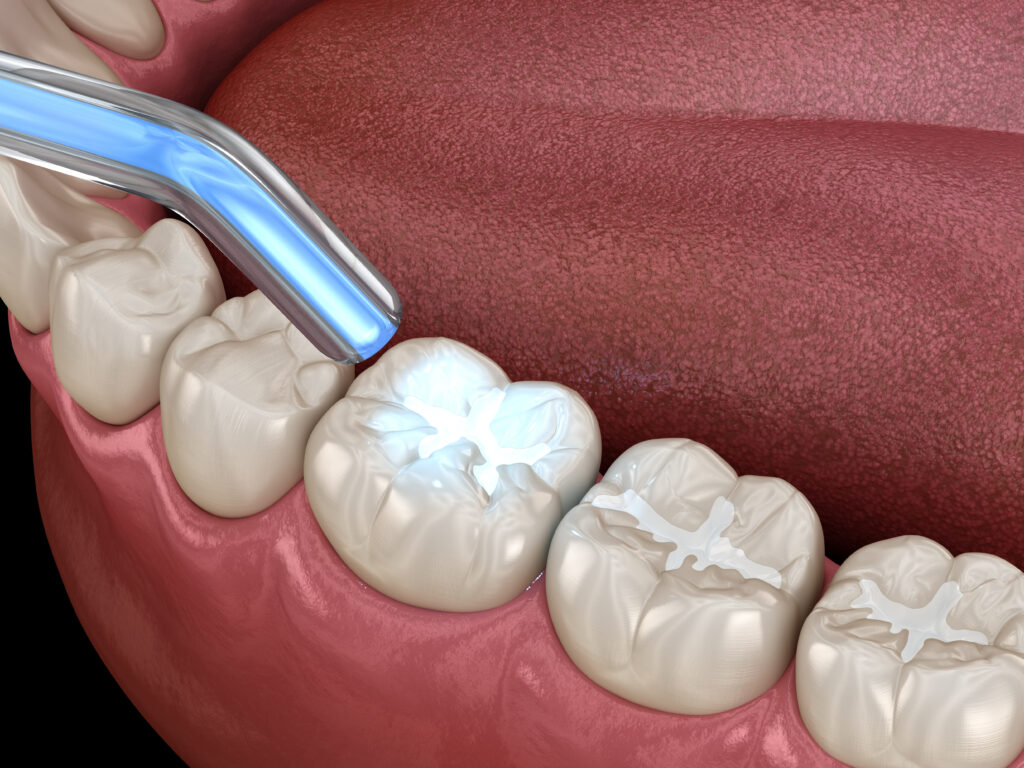
For parents who hear grinding at night or notice that their child complains of jaw tension in the morning, the most important thing is to assess the situation calmly. Not every episode indicates a problem requiring treatment, but recurring symptoms should be discussed with a pediatric dentist.
What Is Bruxism in Children, and Does It Always Require Treatment?
Bruxism in children is involuntary clenching or grinding of the teeth, most often noticed during sleep. Occasional teeth grinding in children may occur at different stages of development, so the sound itself at night is not a basis for diagnosing a condition on your own.
A dental consultation is recommended when the symptom occurs frequently, the child experiences pain or tension, or the parent notices worn teeth, chips, or problems biting. The dentist evaluates not only the enamel, but also the bite, chewing muscles, and any factors related to sleep.
Why Do Children Grind Their Teeth?
Teeth grinding can have several causes, which may sometimes overlap. During the consultation, the doctor takes into account the child’s age, dental development, how the teeth come together, sleep, emotional well-being, and other health symptoms.
Dental Development and Tooth Contact
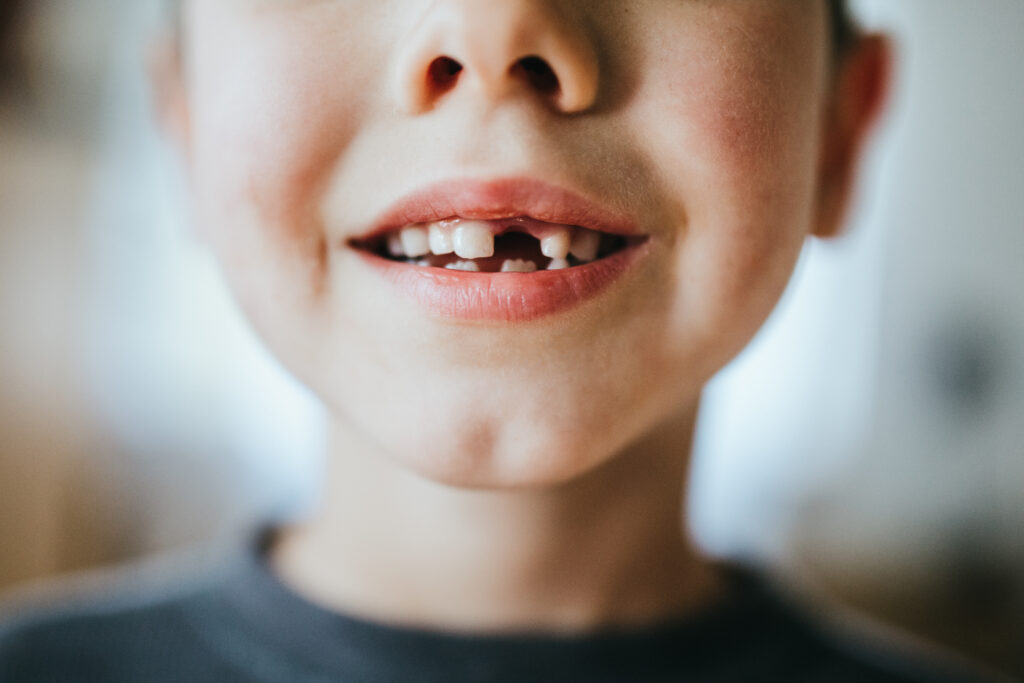
The eruption of baby teeth, followed later by their replacement with permanent teeth, changes the way the upper and lower teeth come into contact. During this time, a child may occasionally clench their jaws or make jaw movements that a parent perceives as grinding.
The dentist checks whether the teeth meet properly when the mouth closes and whether there is a bite issue that requires monitoring. The stage of dental development alone does not necessarily mean treatment is needed, but regular checkups help identify unfavorable changes.
Stress, Emotions, and Everyday Tension
Emotional tension can contribute to jaw clenching, including during sleep. Moving house, starting preschool or school, difficulties in relationships with peers, changes in the daily routine, or family circumstances can affect the quality of a child’s rest.
This does not mean that a parent has done anything wrong or that stress is the only cause of bruxism. A calm conversation with the child, a predictable evening routine, and an oral examination are equally important.
Sleep, Breathing, and Other Health Factors
During the consultation, it is worth mentioning snoring, mouth breathing, frequent awakenings, restless sleep, or noticeable daytime sleepiness. Such information does not confirm a specific condition, but it may point to areas that need to be checked.
Depending on the examination, the dentist may recommend a consultation with a pediatrician, ENT specialist, or another specialist. The goal is to determine whether sleep quality, airway openness, or other factors require further evaluation.
How Can You Recognize Bruxism in a Child?
At home, there is no need to watch your child every night. It is enough to note when the grinding occurs, how often it can be heard, and whether it is accompanied by pain, fatigue, or changes in sleep. This information helps the doctor assess the severity of the problem.
Symptoms a Parent May Notice at Home
A parent may notice:
- sounds of teeth rubbing together during sleep,
- morning jaw tension or reluctance to open the mouth wide,
- pain in the face, temples, or head,
- reluctance to bite harder foods,
- poorer sleep quality, irritability, or tiredness after waking up,
- visible chips or uneven tooth edges.
A single symptom does not confirm bruxism. Recurrence, the severity of discomfort, and changes noticed over the following weeks are more important.
What Can a Dentist Notice During an Examination?
The dentist evaluates tooth surfaces for enamel wear, cracks, excessive pressure, and changes in existing fillings. They also check the bite relationship, meaning the way the upper and lower teeth come into contact with each other.
The examination may also include the chewing muscles and temporomandibular joints, which connect the lower jaw to the skull. Tooth wear is an important clue, but it is not the only criterion for diagnosis.

Is Teeth Grinding in Children Dangerous?
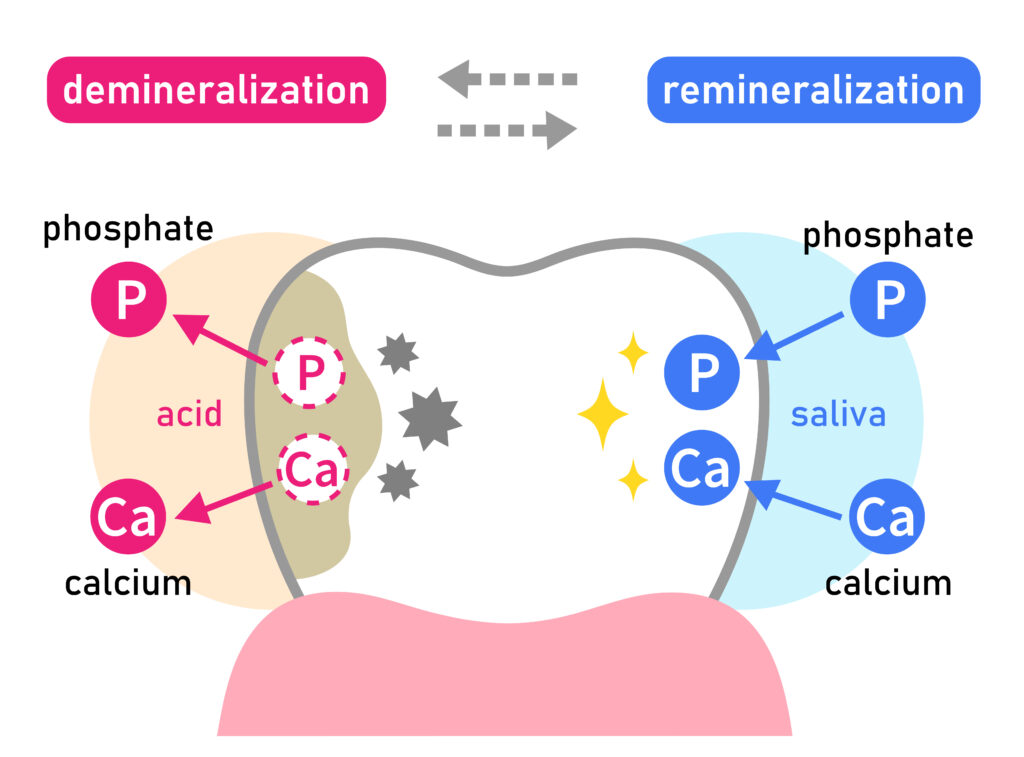
Teeth grinding does not always lead to damage. However, persistent and intense bruxism can strain the teeth and chewing muscles. In some children, smooth worn tooth surfaces, sensitivity to cold or sweet foods, muscle tension, or discomfort while biting may be visible.
It is worth scheduling a routine consultation if grinding occurs regularly, the child complains of pain, or the parent notices changes in the enamel. A prompt dental assessment is needed in the event of a tooth injury, severe pain, difficulty opening the mouth, rapidly progressing tooth chipping, or clear sleep disturbances.
It should not be assumed that every instance of teeth grinding will cause lasting consequences. An examination makes it possible to determine the actual risk and decide whether observation is sufficient or protective measures are needed.
What Does Diagnosis and a Dental Consultation Look Like?
The consultation is intended for parents who hear grinding, see concerning changes in their child’s teeth, or want to check the condition of their child’s mouth. Its purpose is to assess the severity of the symptom, the teeth, the bite, and any need for further diagnostics.
At Dynasty Stomatology in Krakow, the dentist first talks with the parent and child, then performs a calm examination and explains what has been noticed. The next steps are determined individually, without imposing procedures.
How Should You Prepare Your Child and Information for the Appointment?
Before booking, it is worth preparing a short list of observations:
- How often can the grinding be heard, and at what time of night?
- Does the child report pain in the jaw, head, or teeth, or difficulty biting?
- Do they sleep restlessly, snore, breathe through the mouth, or wake up frequently?
- Has the child’s routine, well-being, or level of tension changed recently?
- What dental treatment has the child undergone, and have they had any tooth injuries?
It is best to simply tell your child that the dentist will look at their teeth and check how their mouth is working. It is not advisable to present the appointment as a punishment or mention procedures that have not yet been recommended.
When Is a Consultation With Another Specialist Needed?
If the medical history includes symptoms related to sleep or breathing, the dentist may suggest speaking with a pediatrician or ENT specialist. If there is a bite issue, an orthodontic assessment may be helpful, but orthodontics is not an automatic treatment for every case of teeth grinding.
In some situations, support from a physiotherapist working with the stomatognathic system—that is, the teeth, muscles, and jaw joints—or a specialist supporting the child’s mental health may be useful. A referral to another specialist does not mean a serious diagnosis; it is intended to help determine the right course of action.
How Is Bruxism Treated in a Child?
Treatment for bruxism in children is selected according to the child’s age, dental condition, symptoms, and likely contributing factors. Not every child needs a mouth guard, orthodontic appliance, or immediate treatment—sometimes the best solution is to monitor changes over time.
Tooth Protection and Dental Treatment
If the teeth are at risk of damage, the dentist may recommend more frequent checkups, protecting chipped surfaces, or treating cavities. The goal is to protect the enamel, reduce discomfort, and maintain proper tooth function.
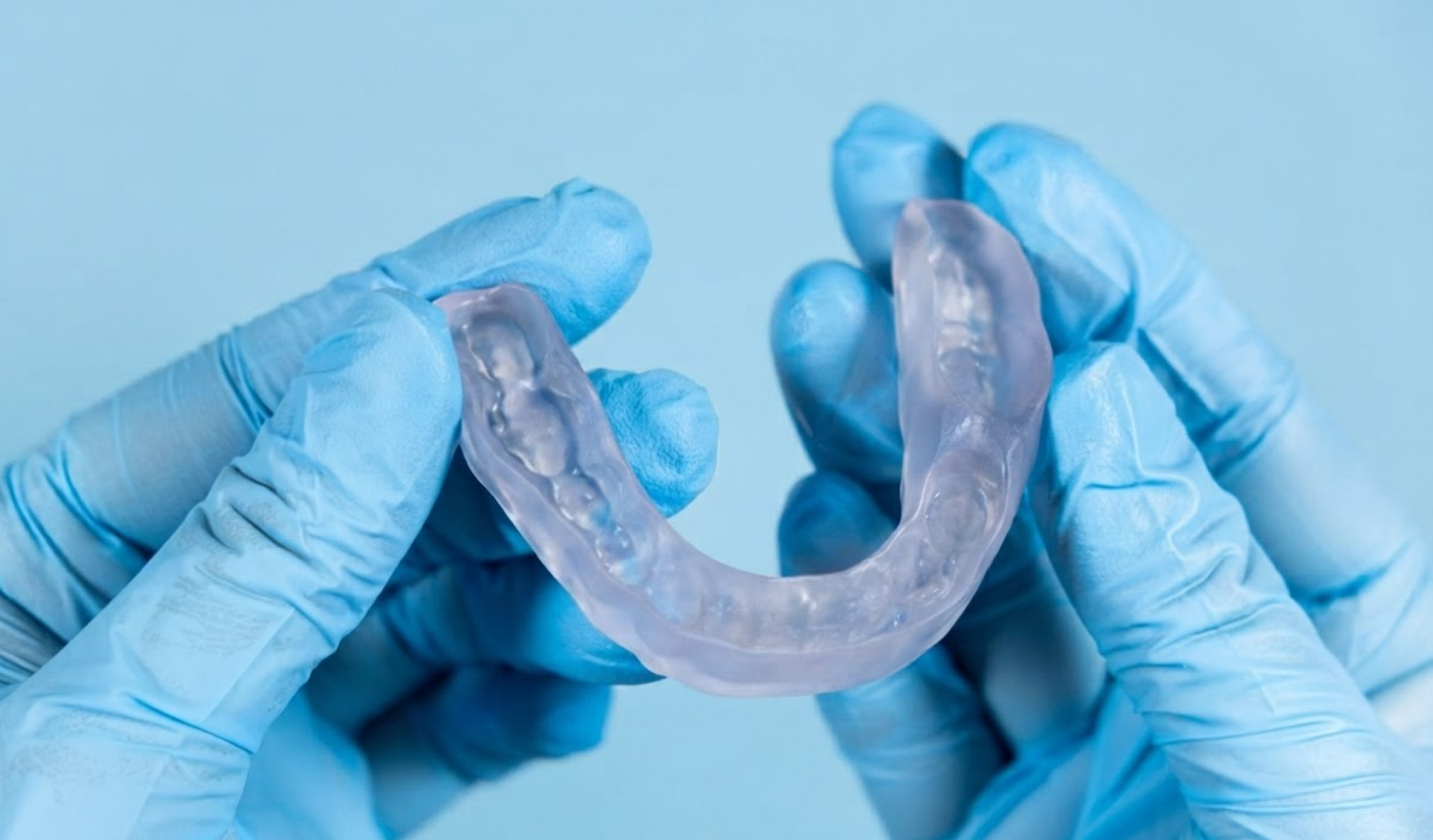
A night guard is a custom-fitted protective appliance that, in selected cases, can protect teeth from excessive pressure. The decision about a night guard should be made by the dentist after an examination. Ready-made guards purchased without fitting may be uncomfortable and should not replace a consultation.
Support for Sleep, Bite, and Tension-Related Causes
If the problem is related to sleep, further measures may include improving the evening routine and undergoing diagnostics recommended by the appropriate specialist. In the case of bite irregularities, the doctor monitors jaw and tooth development, while orthodontic treatment begins only when there are clear indications.
Reducing everyday tension can also be helpful: regular sleep, time to wind down, and conversations about difficulties without judgment. When several specialists are involved in care, their recommendations should be consistent and take the child’s needs into account.
What Can a Parent Do at Home Before the Appointment?
At-home measures do not replace an examination, but they can improve the child’s comfort and provide the doctor with valuable information. It is best to focus on calm observation rather than constantly monitoring sleep.
Worth doing:
- maintain consistent bedtimes and wake-up times,
- limit intense games, screens, and stimulating activities immediately before bed,
- create a calming evening routine, such as reading or a quiet conversation,
- brush teeth twice a day using toothpaste appropriate for the child’s age,
- note how often grinding occurs, morning symptoms, and sleep quality,
- ask the child in a neutral way whether anything hurts or bothers them while biting.
What to avoid:
- punishing the child for grinding—the symptom is involuntary,
- trying to “adjust” the bite yourself or doing exercises recommended without a diagnosis,
- using random dental guards,
- delaying the appointment when pain, tooth damage, or difficulty opening the mouth occurs.
If symptoms are severe, it is best not to experiment with home remedies but to arrange a dental consultation for the child.
Book a Consultation: What Happens After You Get in Touch?
When contacting reception, it is worth briefly describing that the child grinds their teeth at night, reports pain, or has visible changes in their teeth. You can also provide information about snoring, mouth breathing, and previous dental treatment.
Before booking, check the current appointment availability, information about the dentist, and the Dynasty Stomatology price list. The exact scope of care and the cost of any treatment are determined only after the child has been examined.
Frequently Asked Questions From Parents
-
Occasional teeth grinding can occur in children, but a recurring symptom is worth monitoring. If pain, tooth wear, sleep problems, or difficulty biting occur, a checkup with a pediatric dentist should be scheduled.
-
It is worth seeing a dentist when teeth grinding is regular, loud, or accompanied by pain, jaw tension, chipped teeth, or difficulties eating. Injury, severe pain, and limited mouth opening require more urgent assessment.
-
Stress and tension can contribute to jaw clenching and teeth grinding, but they are not the only possible cause. It is worth supporting a calm routine while also having the teeth and bite checked by a dentist.
-
Yes, intense and long-lasting teeth grinding can also wear down baby teeth, cause sensitivity, or contribute to chipping. This does not happen in every case, which is why the dentist assesses the actual signs of excessive pressure during the examination.
-
No, a night guard is not necessary for every child with bruxism. It is a solution considered individually when the dentist assesses the risk of tooth damage and the benefits of protection. A night guard should not be purchased without professional fitting.