Toothache, swelling or sudden chipping always happen at the wrong time. In the evening, on a day off, on the road or before an important meeting. At such moments, people usually google the same thing: “what to do if your tooth hurts” or “swollen cheek — what to do immediately”.
Some actions can indeed be taken independently to alleviate the condition. However, incorrect steps — heat, “folk methods” or independent manipulations — often only worsen the situation.
That is why the dentists at Dynasty Stomatology have compiled simple and safe algorithms for the most common emergencies, so that you know how to help yourself before visiting the dentist and when you should not wait.
What to do in case of an acute toothache
Acute toothache is usually associated with nerve inflammation or deep tooth damage. The first thing to do is to gently rinse your mouth with room temperature water to remove any food debris. If the pain is intense, it is acceptable to take a painkiller that is suitable for you.
It is important not to warm your cheek, apply compresses, or try to “clean” the tooth with foreign objects. Even if the pain has subsided a little, this does not mean that the problem has disappeared. In such cases, dental care is needed as soon as possible.
What to do if your cheek or gums are swollen
Swelling is a sign of inflammation or infection. Avoid chewing on that side and physical exertion.
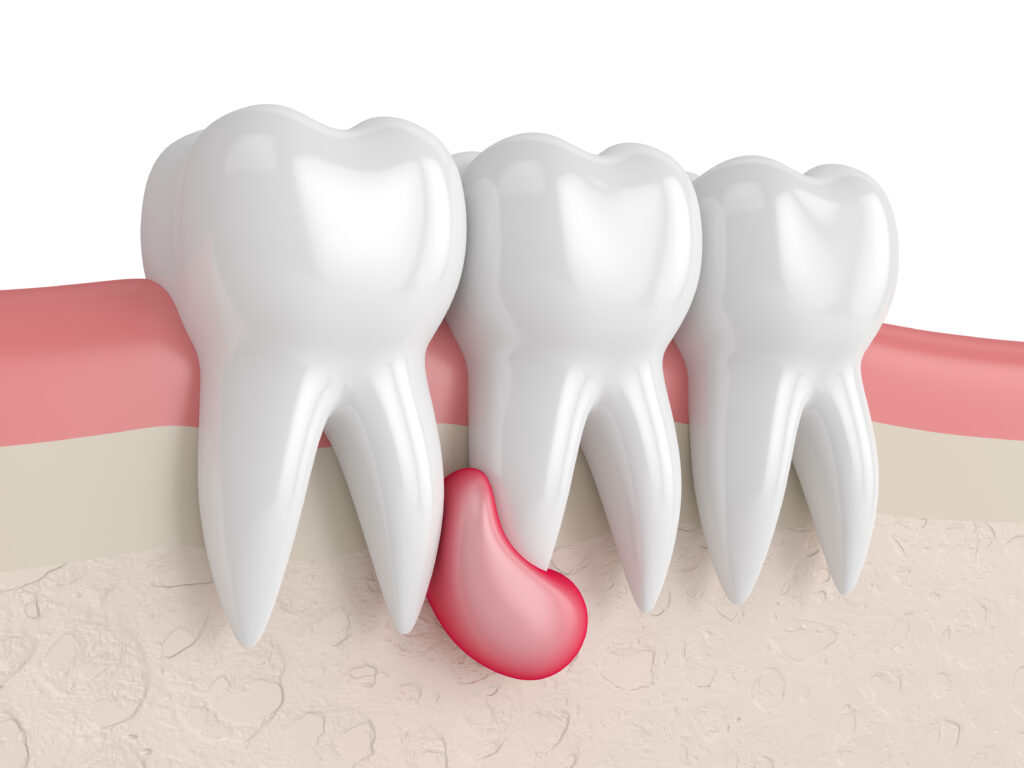
It is strictly forbidden to warm the swelling or take antibiotics on your own. Such actions can lead to the spread of infection. Swelling is a direct indication of emergency dental care.
What to do if a tooth is chipped or cracked
Even a small chip opens up access for bacteria to the inner tissues of the tooth. If a tooth is damaged, it is best to avoid hard foods and chewing on that side. If the sharp edge injures the tongue or cheek, you should see a doctor immediately. Without a dentist’s examination, the risk of inflammation and complications increases.
What to do if a filling or crown falls out
When a filling or crown falls out, the tooth becomes vulnerable to temperature and bacteria. Do not try to glue the crown back on yourself, and do not use household adhesives. If the crown is intact, take it with you to your appointment.
Before your visit, it is advisable not to chew on that side and to avoid hot and cold foods. Even if the pain is minor, you should not delay seeing a doctor.
What to do in case of bleeding after trauma or tooth extraction
A small amount of bleeding may be normal, but if it does not stop, urgent medical attention is required. At home, you can apply a sterile gauze pad to the bleeding site and avoid vigorous rinsing of the mouth.
If the bleeding does not stop or if you experience severe pain or swelling, you should see your dentist immediately.
Why it is important to see a doctor even after self-treatment
All of the actions described help to temporarily stabilise the condition, but do not treat the cause. Pain, swelling, or chipping are symptoms of a process that can become complicated without professional help.
That is why, after any emergency situation, it is important not to wait, but to see a dentist as soon as possible.
How emergency dental care works at Dynasty Stomatology
At Dynasty Stomatology, patients with acute pain are seen without unnecessary waiting. The doctor begins with pain relief, performs diagnostics (if necessary, an X-ray or CT scan) and immediately eliminates the cause of the pain as much as possible during the emergency appointment.
Our goal is not just to alleviate the condition,but to prevent complications and restore your comfort.
When to seek immediate medical attention
Do not delay your visit if:
- pain prevents eating or sleeping;
- swelling has appeared;
- a tooth is chipped or cracked;
- a filling or crown has fallen out;
- there is bleeding or injury.
Need urgent medical attention? Then submit a request to Dynasty Stomatology and forget about your discomfort in no time!