





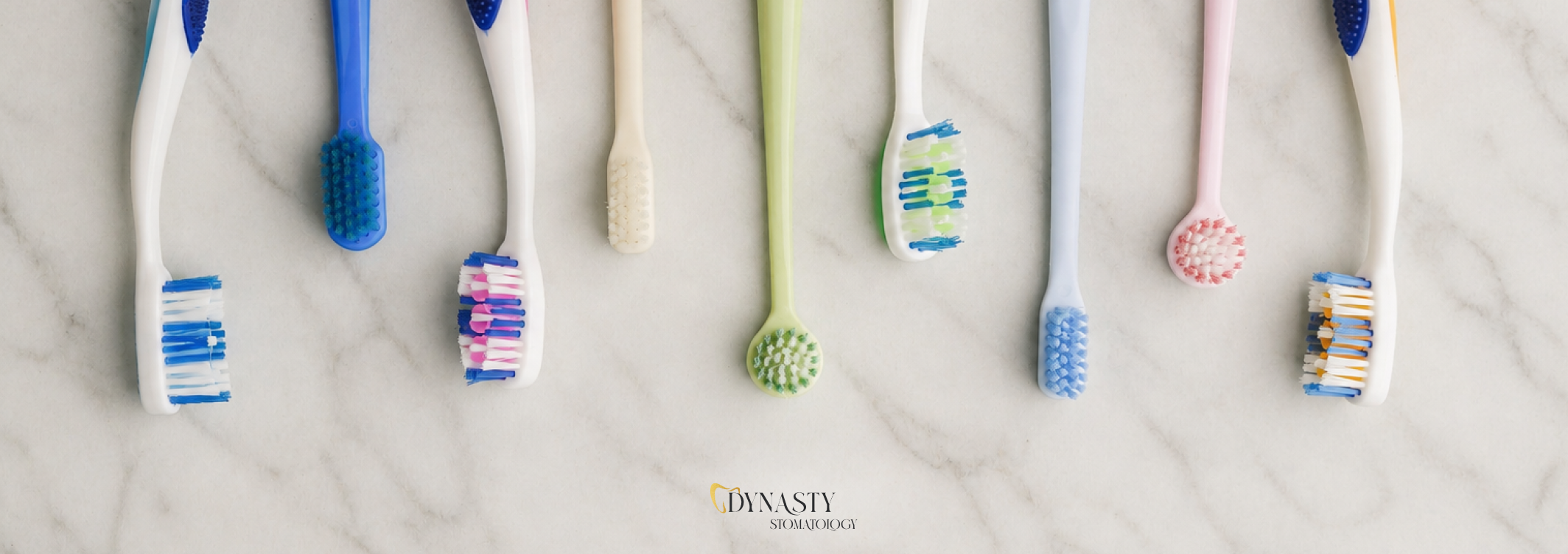
A toothbrush does not have to be the most expensive to do its job well. Its basic features matter more: soft bristles, a sufficiently small head, and a comfortable handle that allows you to clean your teeth thoroughly without pressing too hard.
A manual toothbrush can be perfectly sufficient, but an electric toothbrush may be more convenient for some people—for example, one with a timer or pressure sensor. Different considerations may apply if you have braces, implants, sensitive gums, or are choosing a toothbrush for a child.
So how do you choose a toothbrush that is genuinely right for you? Below, we explain what to look for, how different types of toothbrushes differ, and when it is worth discussing your choice with a dentist or dental hygienist.
Which Toothbrush Should You Choose? A Short Answer
If you are wondering which toothbrush to choose, start with three features: soft bristles, a head that can reach the back teeth, and a handle that does not slip in your hand. A well-chosen soft toothbrush reduces the risk of aggressive brushing along the gumline while still allowing effective plaque removal when used with the right technique.
The best toothbrush does not have to be the most expensive model. A manual toothbrush can be a good option for someone who brushes regularly and thoroughly. An electric, sonic, or rotating toothbrush may make it easier to maintain the correct brushing time, control pressure, and clean hard-to-reach areas.
When choosing, consider the condition of your gums, whether you have braces, crowns, or implants, your hand dexterity, and whether the device will be used regularly and replacement heads will be easy to obtain. Bleeding, pain while brushing, exposed tooth roots, or persistent sensitivity are not problems that can be solved simply by changing toothbrushes. In this situation, an assessment by a dentist or dental hygienist is needed.
Types of Toothbrushes: Comparing Manual, Sonic, and Rotating Brushes
Types of toothbrushes differ mainly in how the brush head works and in how much they help users manage daily habits. Each of the three main types can support good oral hygiene if it is used gently, for around two minutes, and without pressing too hard.
|
Type of toothbrush |
How it works |
Advantages |
Limitations |
Who it is practical for |
|
Manual toothbrush |
The user makes the brushing movements |
Low cost, easy availability, full control |
Requires good technique and attention to time |
People who brush thoroughly and regularly |
|
Sonic toothbrush |
Rapid bristle vibrations |
Timer, often a pressure sensor, convenient elongated brush head |
Higher cost of the device and replacement heads |
People who want support in building a habit |
|
Rotating toothbrush |
A small round head makes rotating and pulsating movements |
Precise cleaning of individual teeth, easy-to-follow technique |
Requires guiding the head from tooth to tooth |
People who prefer a small brush head and step-by-step brushing |
It is worth calculating the cost of use over the long term. With an electric toothbrush, the price and availability of replacement heads are important, not just the promotional price of the device itself. With a manual model, remember to replace the entire toothbrush regularly.
Manual Toothbrush: When Is It Enough?
A manual toothbrush is not inherently worse. It is a simple, affordable, and effective tool when it is well suited to the user and used for around two minutes in the morning and evening. Choose a small or medium-sized head, soft bristles, and a handle that provides a secure grip.
Technique is particularly important with a manual toothbrush. Place the bristles gently against the tooth surfaces and around the gumline instead of making vigorous horizontal movements. Someone with limited hand dexterity or who often cuts brushing short may find an electric model with a timer more convenient.
Sonic Toothbrush: Who Is It a Good Choice For?
A sonic toothbrush uses rapid bristle vibrations that support cleaning of the tooth surfaces while the head is guided gently. Many models include a timer, a signal to change areas of the mouth, and a sensor for excessive pressure. These features can help people who brush for too little time or too forcefully.
Brands in this category include Philips Sonicare, SEYSSO, and Oclean. They do not provide one universal answer for all patients, as they differ in their replacement heads, accessory availability, and features. Do not press the brush head against your teeth—guide the toothbrush slowly to allow the bristles to work.
Rotating Toothbrush: When Is It Worth Considering?
A rotating toothbrush usually has a small, round head that makes rotating and pulsating movements. Its design makes it easier to focus on one tooth at a time, which may help people who find it difficult to thoroughly clean the back surfaces of their teeth.
The technique differs from that used with a manual toothbrush. Place the head on each tooth in turn and move on only after cleaning that surface. Do not move it vigorously across the entire dental arch. A pressure sensor can be useful for sensitive gums, and if brushing causes pain or bleeding, it is worth discussing your technique with a dental hygienist.
How Should You Choose the Bristles, Head, and Firmness of a Toothbrush?
The firmness of toothbrush bristles directly affects brushing comfort. In most cases, soft bristles with rounded tips are a practical choice. They adapt well to tooth surfaces and the gum area without the need to use much force.
A small toothbrush head makes it easier to reach molars, areas behind the last teeth, and spaces around braces. However, it should not be so small that daily brushing becomes unnecessarily long and tiring. Choose a size that allows you to maneuver comfortably inside your mouth.
Hard bristles and strong pressure can irritate the gums and contribute to wear on tooth surfaces in areas of intensive scrubbing. In an electric model, a pressure sensor may be helpful, but it does not replace conscious, gentle guidance of the toothbrush.
Does a Hard Toothbrush Clean Teeth Better?
No. Firmer bristles do not automatically mean more effective plaque removal. Thorough brushing depends primarily on technique, brushing time, consistency, and cleaning between the teeth.
Brushing too hard can irritate the gumline. Instead of choosing a hard toothbrush, it is better to use soft bristles, make gentle movements, and replace the toothbrush when its bristles begin to splay. If you notice changes in the appearance of your gums or pain while brushing, do not diagnose the problem yourself—book a check-up.
Which Electric Toothbrush Features Are Actually Useful?
The most useful features are a two-minute timer, a signal to change areas of the mouth, a sensor for excessive pressure, and a battery indicator. They help maintain the proper brushing time and reduce the habit of pressing the brush head too hard.
Easy availability of replacement heads is also important. Mobile apps, numerous modes, and extensive reports can be motivating, but they are not necessary for proper oral hygiene. It is better to buy a simpler model with readily available replacement heads than an advanced device that later becomes inconvenient to use.
Toothbrushes and Sensitive Gums, Braces, and Implants
A toothbrush for sensitive gums should have soft bristles and allow precise, gentle cleaning. Sensitivity does not mean that you should avoid the gum area. It needs to be cleaned gently, as plaque left along the gumline can worsen inflammation.
A toothbrush for braces, crowns, or implants should make it easier to reach places where food particles can easily collect. However, a toothbrush alone is not enough to clean all interdental spaces. It is worth establishing an individual hygiene plan after orthodontic or implant treatment.
Which Toothbrush Is Best for Bleeding or Sensitive Gums?
For bleeding gums, choose soft bristles, reduce pressure, and brush thoroughly but gently. You should not stop cleaning areas that bleed, as leaving plaque behind can worsen the problem.
Persistent bleeding is not normal and requires identifying the cause during an appointment. A dental hygienist can demonstrate brushing technique, while a dentist can assess the condition of your teeth and gums. A toothbrush does not treat gum disease, but when used properly, it is an important part of daily prevention.
How Should You Clean Your Teeth With Braces, Crowns, and Implants?
With braces, a toothbrush with a small head can be helpful, as it allows you to guide the bristles more precisely around brackets and wires. A toothbrush for implants or crowns should also enable gentle cleaning along the border between the gums and the prosthetic restoration.
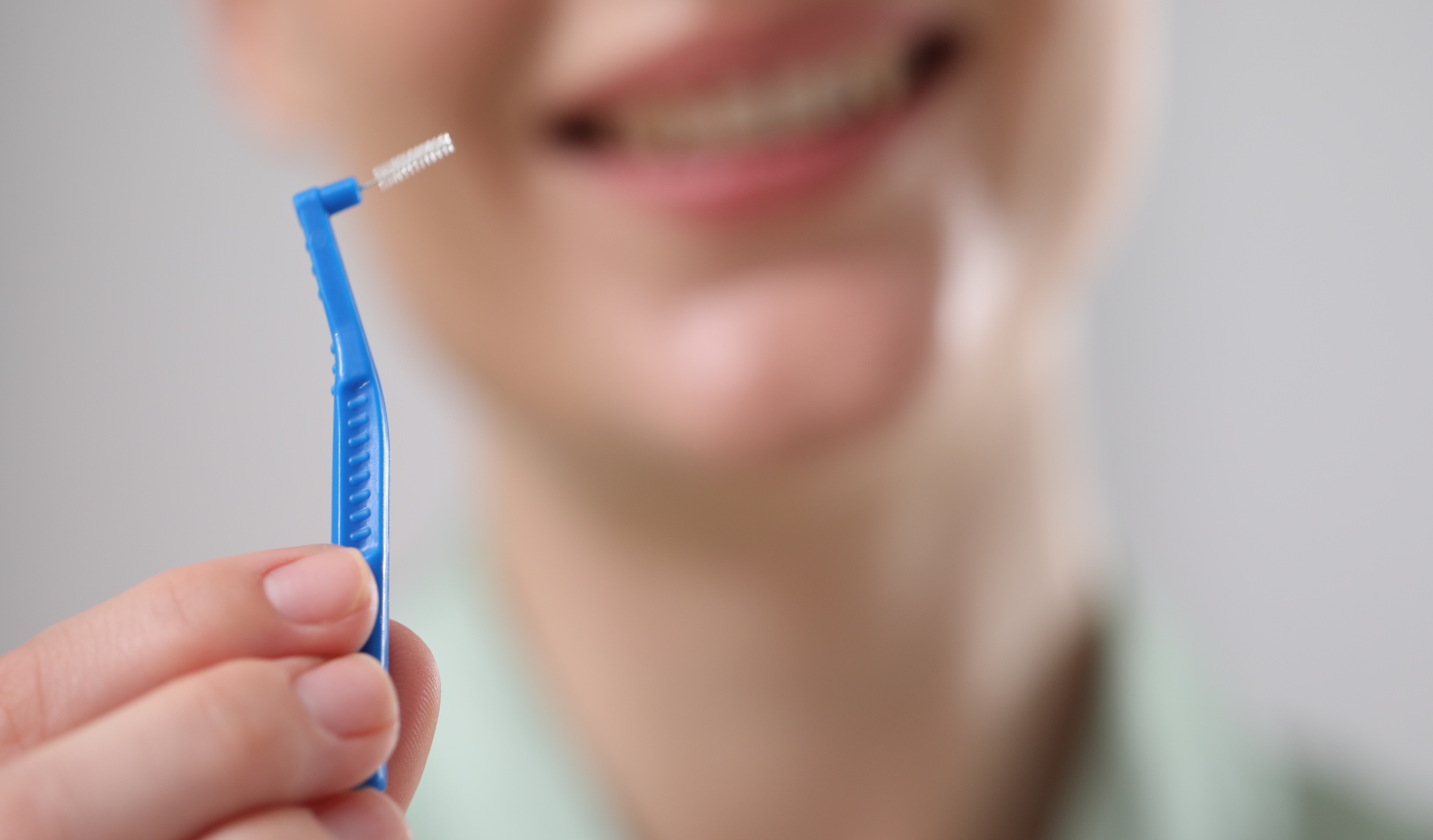
A toothbrush does not always reach between the teeth well enough. A specialist may recommend interdental brushes, dental floss, or an oral irrigator, a device that rinses away food particles with a stream of water. The choice of these accessories should take into account the type of braces, crowns, and implants, as well as your individual oral situation.
Which Toothbrush Should You Choose for a Child?
A toothbrush for a child should be matched primarily to the size of the child’s mouth and their abilities. For an infant, choose a very small head, exceptionally soft bristles, and a handle that is comfortable for the parent. An infant toothbrush is used to gently clean the first teeth and build familiarity with the daily routine.
An older child still needs soft bristles and a head that can reach the back teeth. A parent should help with brushing or check its quality, as a child brushing independently does not always mean all surfaces are cleaned effectively.
An electric toothbrush for children may increase motivation and help them keep track of time thanks to a timer. However, it must be designed for the child’s age and used according to the manufacturer’s instructions.
When Can a Child Use an Electric Toothbrush?
A child can use an electric toothbrush when a given model is intended for their age and a parent is able to supervise how the device is used. There is no single age threshold suitable for every child and every toothbrush.
Before buying, check the manufacturer’s age recommendations and the types of replacement heads available. With younger children, an adult should still finish the brushing or at least supervise it carefully. An electric toothbrush can make habits easier to build, but it does not relieve parents of responsibility for their child’s oral hygiene.
How Can You Encourage a Child to Brush Their Teeth Regularly?
A predictable routine works best. Set regular brushing times, brush your teeth together, and use a timer so the child knows when brushing is over. Brief praise for consistency is usually more effective than frightening them with a dentist or cavities.
A calm, preventive visit to a pediatric dentist before pain occurs can also help. The child can then become familiar with the dental office, its sounds, and talking with the dentist without the pressure associated with urgent treatment.

How Should You Use and Replace a Toothbrush Properly?
Even the best model will not be effective without regular and gentle brushing. The standard recommendation is to brush your teeth twice a day with fluoride toothpaste for around two minutes. Guide the toothbrush calmly along the gumline, without scrubbing or bending the bristles.
- Apply a small amount of toothpaste suited to the person’s age and needs.
- Clean the outer, inner, and chewing surfaces of the teeth in turn.
- Place the bristles gently against the teeth and gums; do not press the toothbrush down.
- With a rotating toothbrush, pause the brush head on each tooth individually.
- After brushing, rinse the head thoroughly under running water.
- Store the toothbrush upright so it can dry. Do not close a damp brush head in a case.
A manual toothbrush or electric toothbrush head should generally be replaced about every three months, or sooner if the bristles are splayed or worn. After an infection, it is worth considering replacing it earlier, especially if the toothbrush was used while you were ill. Cleaning a toothbrush does not require strong chemicals—the most important things are rinsing, drying, and not sharing your toothbrush with other people.
When Is It Worth Discussing Your Toothbrush Choice With a Dentist or Dental Hygienist?
A dental consultation is particularly recommended if you experience pain while brushing, recurring bleeding gums, sensitivity, or difficulty cleaning specific areas. It is also worth making an appointment if you have braces, implants, crowns, gum disease, or frequent plaque buildup.
Oral hygiene instruction is not about identifying one “perfect” toothbrush. A dental hygienist assesses the areas that need more attention, demonstrates movements appropriate for your situation, and selects additional accessories. During a dental hygiene appointment, you can also discuss how often to schedule visits and how to care for your teeth after orthodontic, implant, or prosthetic procedures.
At Dynasty Stomatology in Kraków, patients can receive a hygiene plan tailored to the condition of their mouth and their ongoing treatment. If necessary, the team can recommend a consultation with an appropriate specialist, such as a periodontist, orthodontist, or implant dentist.
How Can You Choose a Toothbrush Without Overspending?
Instead of relying on rankings of the best toothbrushes or brand recognition alone, compare models based on everyday usability. Is the head the right size? Are the bristles soft? Will replacement heads be available in a few months? Do the battery and charging options fit your lifestyle?
When buying an electric toothbrush, check the cost of replacement heads, not just the price of the device. When comparing Oral-B, Philips Sonicare, SEYSSO, Oclean, or Whitewash, pay attention to the type of movement, pressure sensor, timer, and availability of replacement heads in your area or online.
A more expensive model will not be a good choice if you will not use it regularly or stop replacing the heads. The best toothbrush models are those that suit your needs, budget, and brushing technique. For many people, a well-chosen manual toothbrush is enough, while for others, a simple electric model with a timer is practical support.
Frequently Asked Questions About Choosing a Toothbrush
-
There is no single toothbrush that is better for everyone. Sonic and rotating toothbrushes differ in how they work, but both can effectively support oral hygiene when used regularly and gently. Choose a model with a technique that feels comfortable for you, has available replacement heads, and that you will use consistently.
-
For sensitive gums, a toothbrush with soft bristles and a small head is usually chosen. Brush without pressing too hard, especially along the gumline. If sensitivity is accompanied by bleeding, pain, or exposed tooth roots, a consultation is necessary, as simply changing your toothbrush does not explain the cause of the symptoms.
-
Yes, if it is used too forcefully or incorrectly, just like a manual toothbrush. An electric toothbrush should not be pressed against the teeth and gums. It is worth choosing a model with a pressure sensor, but gentle technique and consulting a dentist if pain or bleeding occurs remain the most important factors.
-
A manual toothbrush or electric toothbrush head is generally replaced about every three months. It should be replaced earlier if the bristles are splayed, deformed, or cannot be cleaned properly. Worn bristles reach tooth surfaces less effectively and may encourage you to press too hard.
When choosing a toothbrush, follow a simple rule: soft bristles, a suitably small head, gentle technique, and regular replacement matter more than price or the number of extra modes. If you have bleeding gums, braces, implants, or are unsure how to improve your technique, Book a dental consultation at Dynasty Stomatology in Kraków.










