






You should generally replace your toothbrush every 3 months, or sooner if its bristles are splayed, misshapen, dirty, or if it was used while you had an infection. Regular replacement helps maintain effective daily cleaning of your teeth and gumline.
This rule applies to adults and children, as well as people using manual and electric toothbrushes. For patients without dental experience, the simplest guideline is: watch the bristles, not just the calendar. A toothbrush that wears out in less than three months should be replaced immediately.
How Can You Tell if a Toothbrush Is Worn Out?
A calendar-based replacement date is helpful, but it does not replace inspecting your toothbrush. A worn-out toothbrush may not clean tooth surfaces, the areas along the gums, and hard-to-reach places as effectively.
It is worth checking it every few days, especially if the bristles change shape quickly. Signs of toothbrush wear do not have to be dramatic: sometimes slightly splayed bristles are enough to plan an earlier replacement.
Splayed, Frayed, and Misshapen Bristles
Toothbrush bristles should be relatively even and stand upright. If they are clearly spreading outward, crushed, uneven, or frayed, the toothbrush is not working as it should.
Such bristles do not make proper contact with the teeth and gumline. A common cause of rapid deformation is applying too much pressure while brushing. Brushing should not feel like scrubbing—gentle, controlled movements are usually more effective and kinder to the gums.
Changes in Color, Odor, and Difficulty Keeping It Clean
Some brush heads have colored indicator bristles that gradually fade. Fading alone may signal that it is time to replace the brush according to the manufacturer’s instructions, but it is not the same as buildup or permanent discoloration.
It is worth replacing the toothbrush regardless of how long it has been used if it develops an unpleasant odor, visible buildup, or dirt that cannot be thoroughly rinsed away under running water. Do not try to “save” heavily worn bristles by boiling them or using harsh chemicals.
When Should You Replace a Toothbrush Earlier Than 3 Months?
Replacing your toothbrush earlier is sensible when its condition has noticeably worsened or it has been used in particular circumstances. This mainly applies to infections, mechanical damage, very intensive use, and rapidly splaying bristles.
Factors affecting toothbrush wear vary from person to person. One person may use a toothbrush for about three months without any changes, while another may need a new one after a few weeks because they brush too hard or more often than usual.
Replacing Your Toothbrush After an Infection or Oral Illness
After a throat infection, oral infection, or period of illness, it is worth considering replacing your toothbrush once symptoms have resolved. This is a practical part of returning to everyday hygiene, although the toothbrush itself is not the only cause of recurring infections.
When replacing it, it is also a good idea to wash the cup or holder where it was stored and make sure the toothbrush can dry properly. If oral symptoms persist, a dental consultation may be needed.
Braces, Excessive Pressure, and Frequent Brushing
Braces can accelerate bristle wear because the toothbrush comes into contact with brackets and wires more often. The same can happen with frequent brushing or using excessive force.
Replacing the toothbrush earlier may improve the comfort of cleaning braces and teeth. If the bristles are regularly damaged very quickly, ask a dental hygienist or dentist to assess your brushing technique and recommend the right toothbrush bristle firmness.
Manual or Electric Toothbrush: What and When Should You Replace?
The principle is similar in both cases: replacement is usually needed about every three months, or sooner when the bristles are worn out. The difference is that with a manual toothbrush, you replace the entire toothbrush, while with an electric toothbrush, you replace only the brush head.
The handle of an electric toothbrush does not need to be replaced together with the brush head if it is working properly. It is also always worth checking the manufacturer’s instructions for your specific model.
|
Type of Toothbrush |
What Do You Replace? |
Approximate Timing |
Signs of Wear |
Most Important Rule |
|
Manual toothbrush |
The entire toothbrush |
About every 3 months |
Splayed, uneven, or frayed bristles |
Do not wait until the scheduled date if the bristles are damaged |
|
Electric toothbrush |
The brush head |
About every 3 months |
Splaying bristles, change in color indicator, buildup |
Replacing the brush head does not mean replacing the entire device |
How Often Should You Replace an Electric Toothbrush Head?
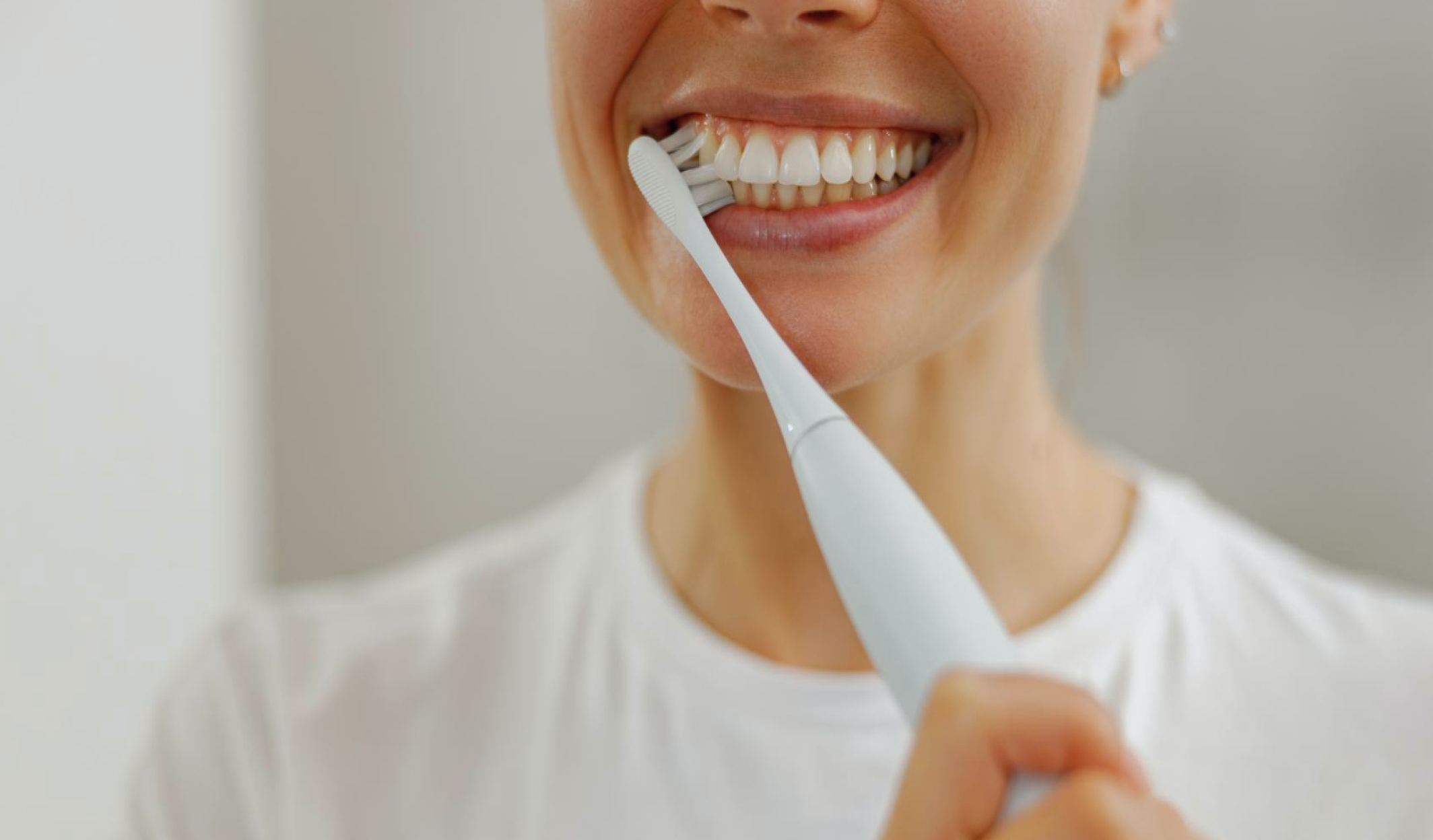
An electric toothbrush head should usually be replaced about every three months. Replace it sooner if the bristles spread outward, become misshapen, or the indicator color has noticeably faded according to the manufacturer’s recommendation.
There is no need to replace the entire device just because the brush head is worn out. Simply choose a compatible brush head for your model and check its condition regularly.
How Should You Care for Your Toothbrush Between Replacements?
Good toothbrush hygiene will not extend its lifespan indefinitely, but it helps keep it clean until its planned replacement. After every use, rinse the bristles thoroughly under running water and shake off excess moisture.
In your daily routine, remember a few rules:
Do:
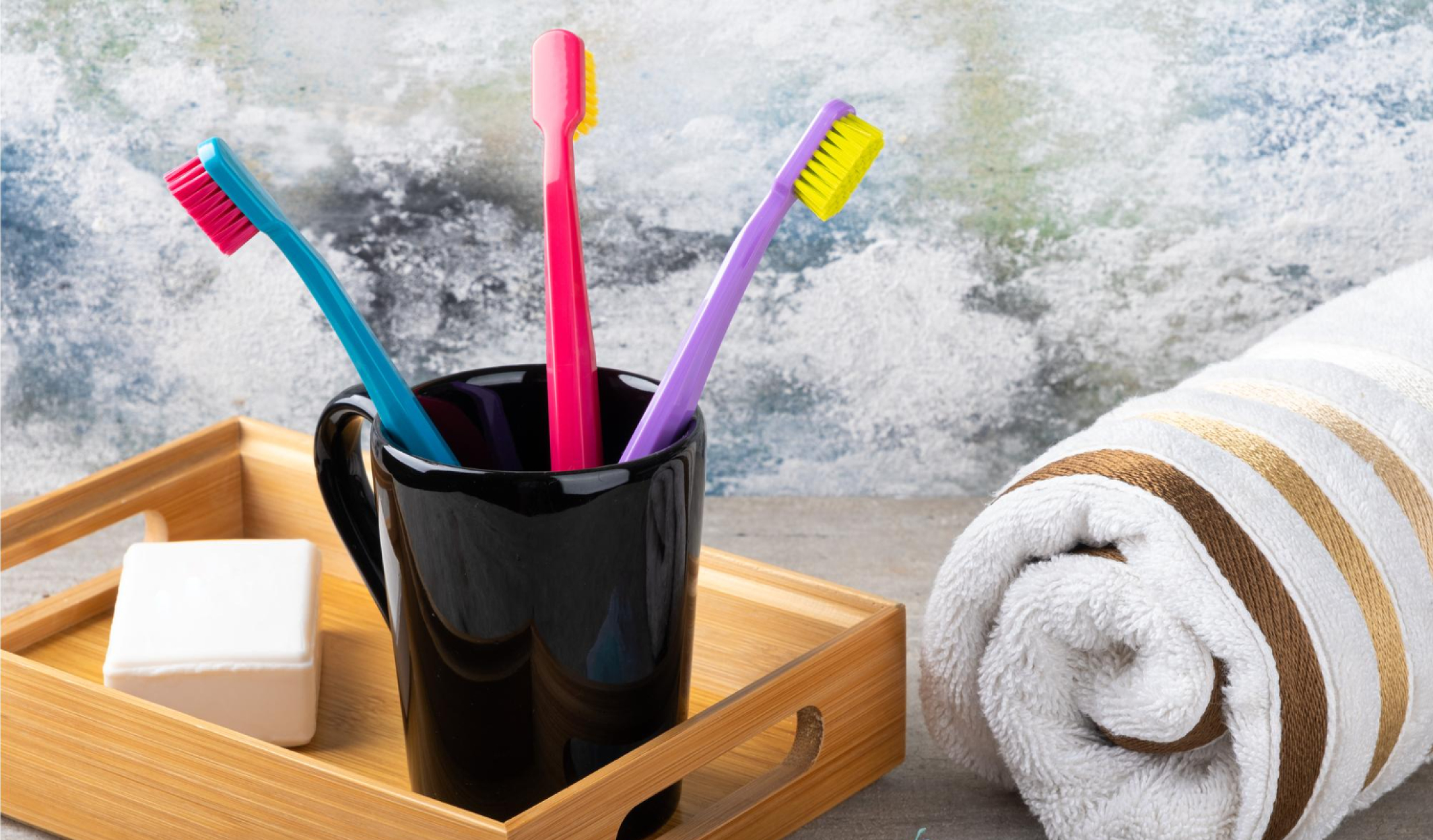
- store your toothbrush with the bristles facing upward;
- leave it in a place where it can air-dry freely;
- wash the toothbrush cup or holder;
- keep household members’ toothbrushes apart so the bristles do not touch.
Avoid:
- keeping a wet toothbrush permanently closed in an airtight case;
- storing it near dirty surfaces;
- putting a cover on wet bristles at home;
- sharing one toothbrush, even occasionally.
A travel case is useful while traveling, but once you arrive at your destination, it is worth taking the toothbrush out and allowing it to dry.
When Is It Worth Consulting a Dentist About Oral Hygiene?
Replacing your toothbrush alone will not solve the problem if you experience bleeding gums, pain, sensitivity, frequent inflammation, heavy buildup, or uncertainty about your brushing technique. These symptoms do not allow for an online diagnosis, but they are a good reason to schedule a check-up.
A dentist or dental hygienist can examine your mouth, assess your brushing technique, and help you choose a toothbrush, toothpaste, and tools for cleaning between your teeth. If needed, they can also plan a dental hygiene treatment, meaning professional removal of buildup and tartar.
At Dynasty Stomatology in Krakow, we explain recommendations in simple language and tailor the treatment plan to the patient’s actual oral health condition.
Frequently Asked Questions
-
No, three months is a general guideline rather than a strict deadline. Replace your toothbrush sooner if the bristles are splayed, frayed, dirty, or have an unpleasant odor. If it still looks good, you should not significantly extend the period of use.
-
Yes, after a throat or oral infection has ended, it is worth replacing your toothbrush. This is a simple hygiene step that should be combined with washing the place where it is stored. However, this does not mean that the toothbrush itself is responsible for the illness returning.
-
An electric toothbrush head should generally be replaced about every three months. Replace it sooner when the bristles spread, lose their shape, or the color indicator signals wear. Also check the instructions for your model.
-
It is not advisable to use a toothbrush with splayed bristles. These bristles clean teeth and the gumline less effectively and, when used with too much pressure, can further irritate the tissues. The best solution is to replace the toothbrush or brush head with a new one.
-
Store your toothbrush upright, with the bristles facing upward, in a place with airflow. Rinse it thoroughly after brushing and shake off the water. Do not keep a wet toothbrush closed in an airtight case for a long time, as this makes it harder for it to dry.
The most important rule is simple: generally replace your toothbrush about every 3 months, and sooner if the bristles are damaged, there is permanent dirt or buildup, or after an infection. If you have bleeding gums, tooth sensitivity, or are unsure whether you are brushing correctly, schedule a consultation at Dynasty Stomatology in Krakow.










