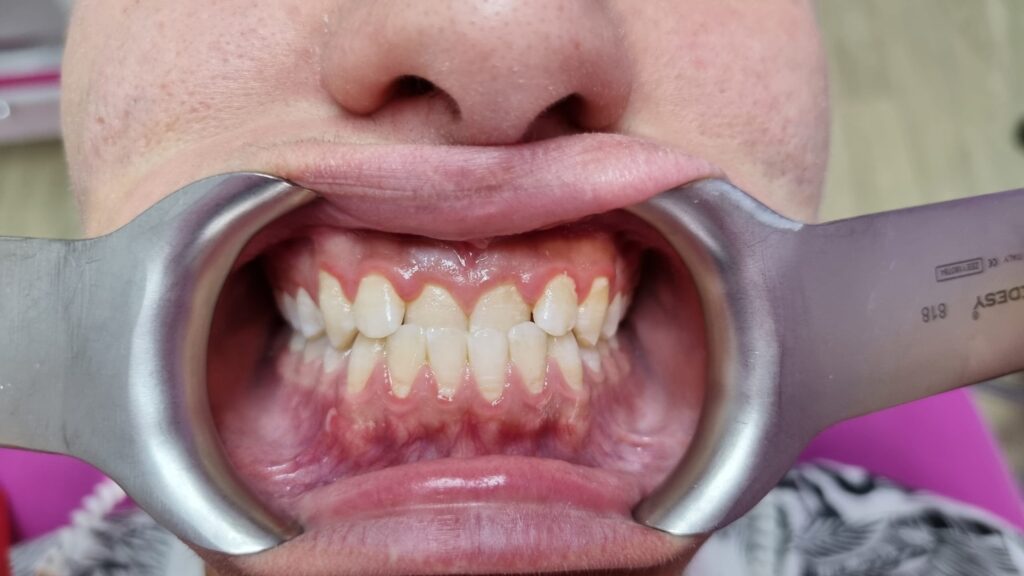
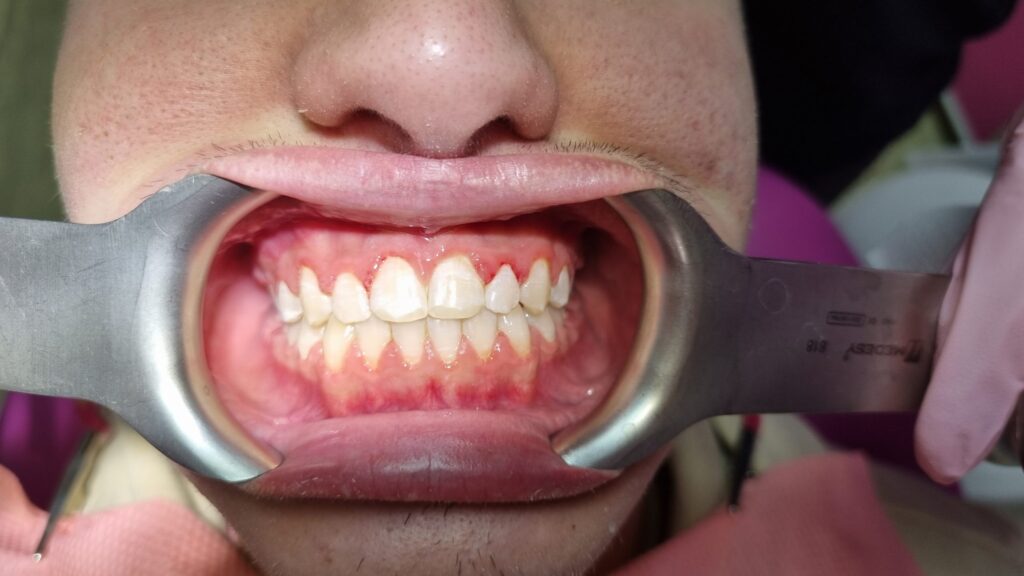
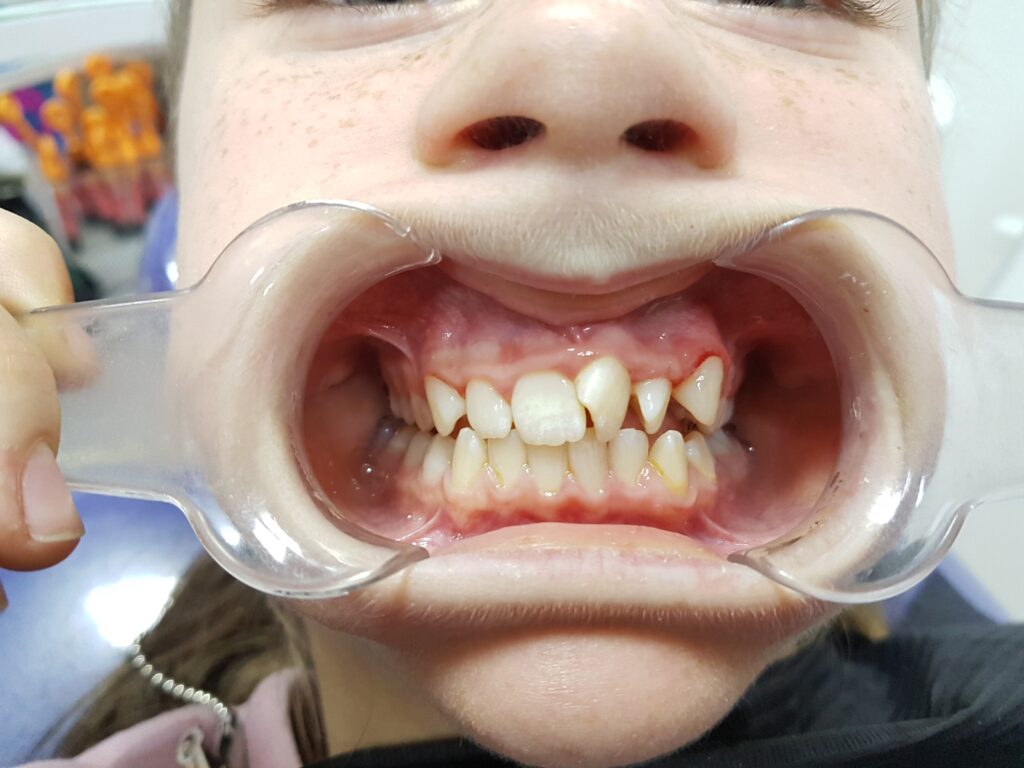
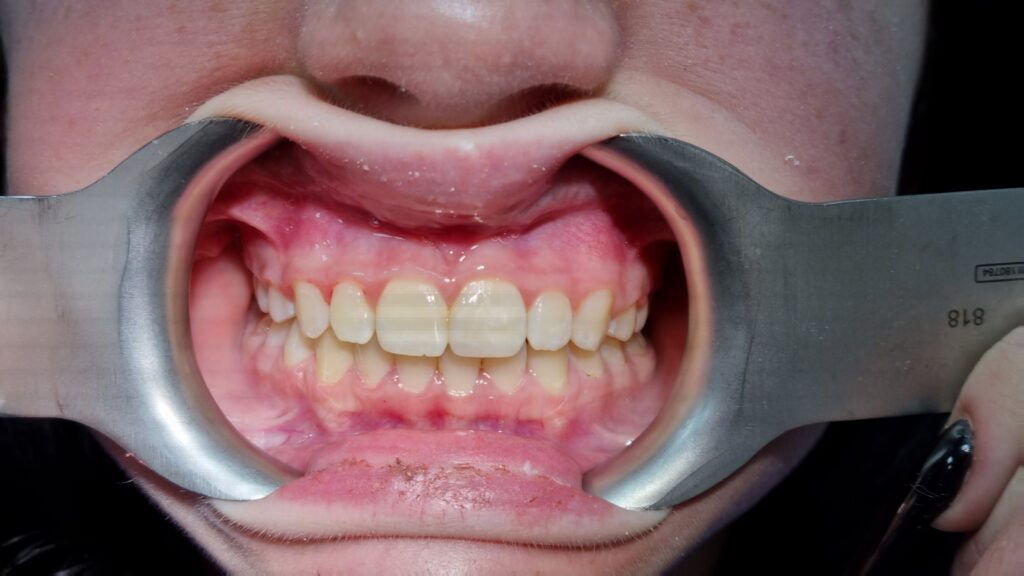
Prosthodontics Krakow – crowns, bridges and dentures
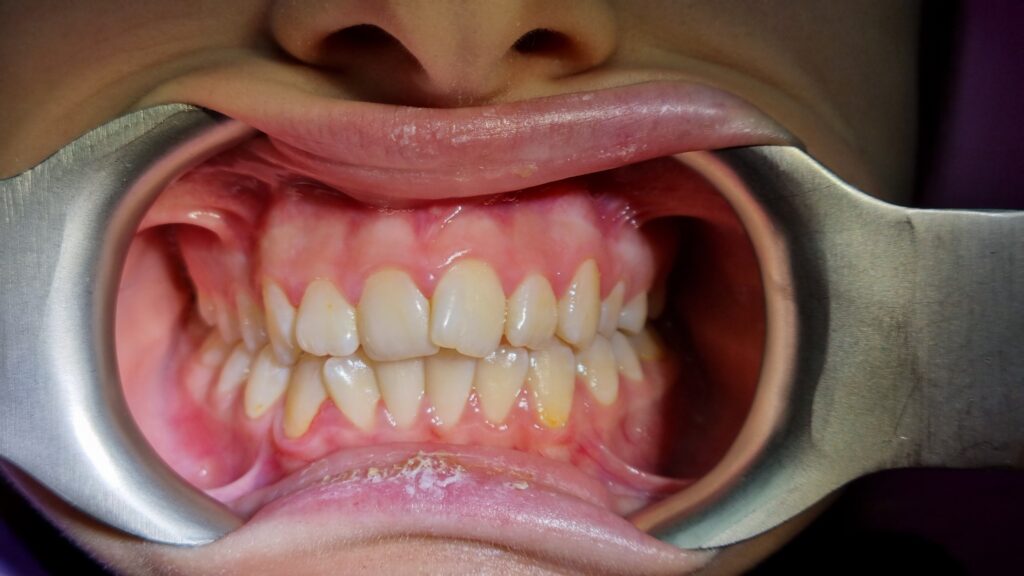
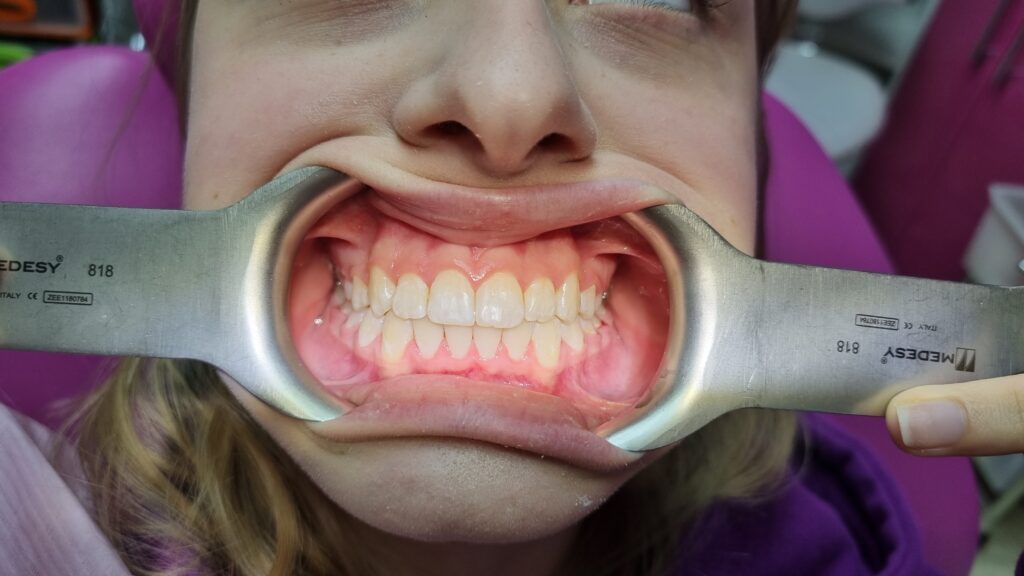
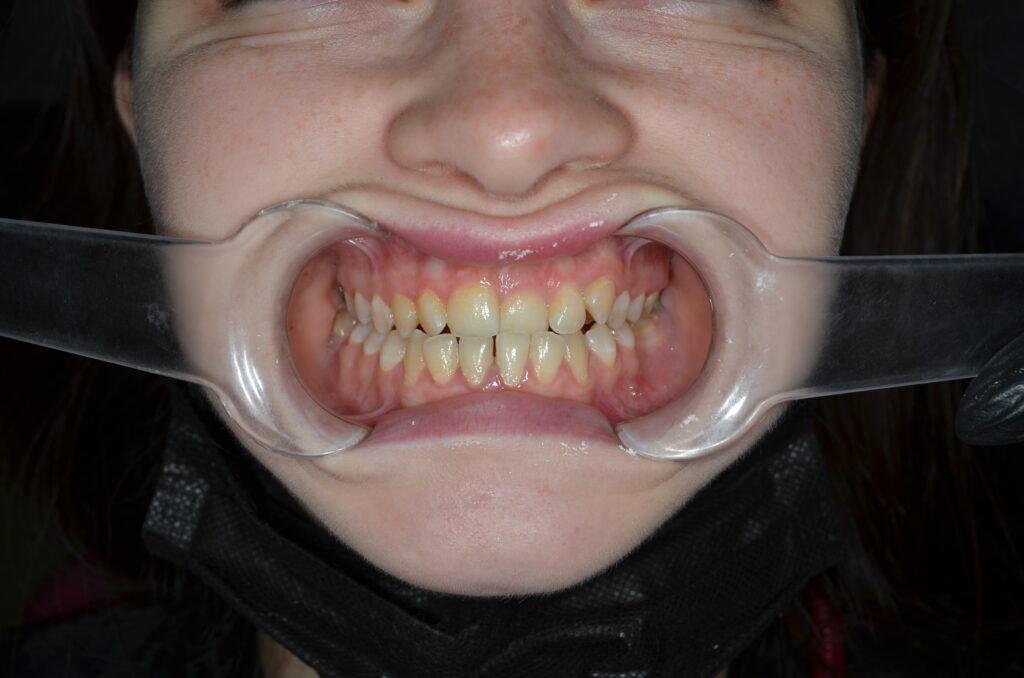
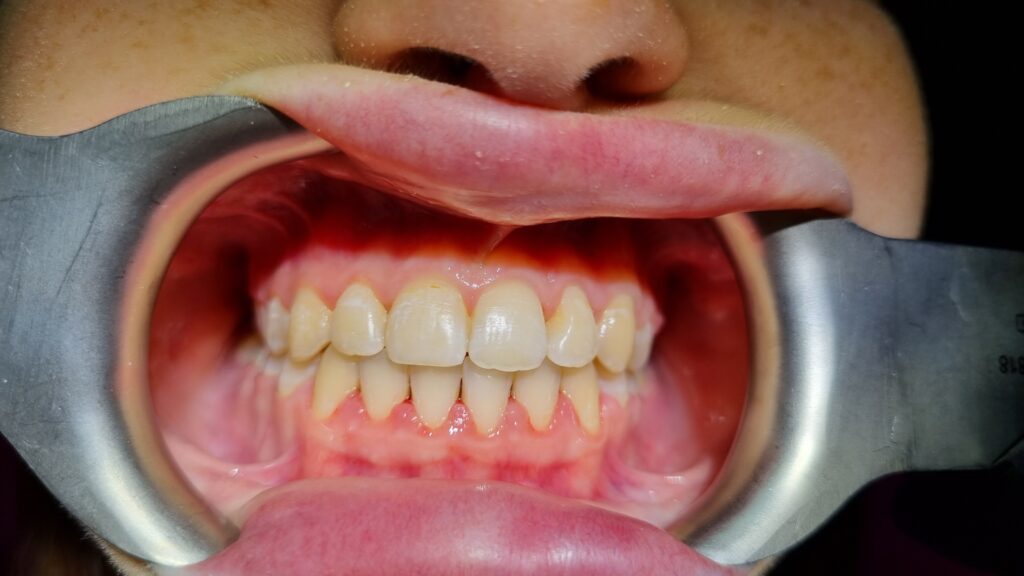
Prosthodontics involves restoring missing, damaged or unaesthetic teeth with restorations such as crowns, bridges and dentures. Its purpose is to restore comfortable chewing, clearer speech, a more stable bite and the natural appearance of the smile.
Prosthodontic treatment is intended for adults from Krakow and visiting patients who want to replace a missing tooth or strengthen their own weakened teeth. We do not select a solution based solely on the appearance of a gap. Before treatment begins, the dentist assesses the condition of the teeth, gums, bite, existing fillings and restorations.
At Dynasty Stomatology, we discuss the treatment plan step by step. Patients receive information about the available options, the sequence of procedures and the factors affecting the cost. Dental prosthodontics may involve a single restoration or more extensive rehabilitation of the entire dentition.
Who is prosthodontic treatment for?
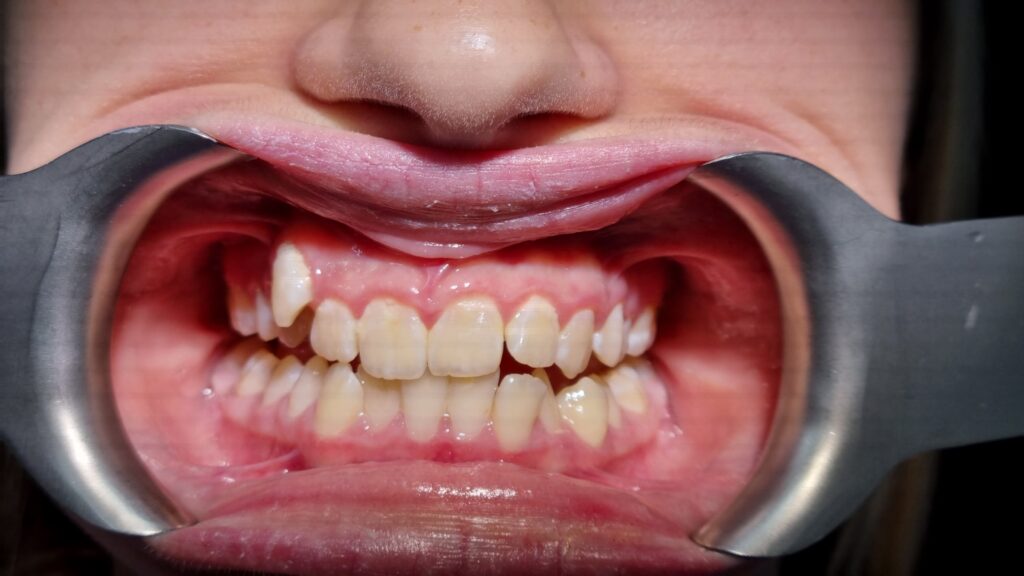
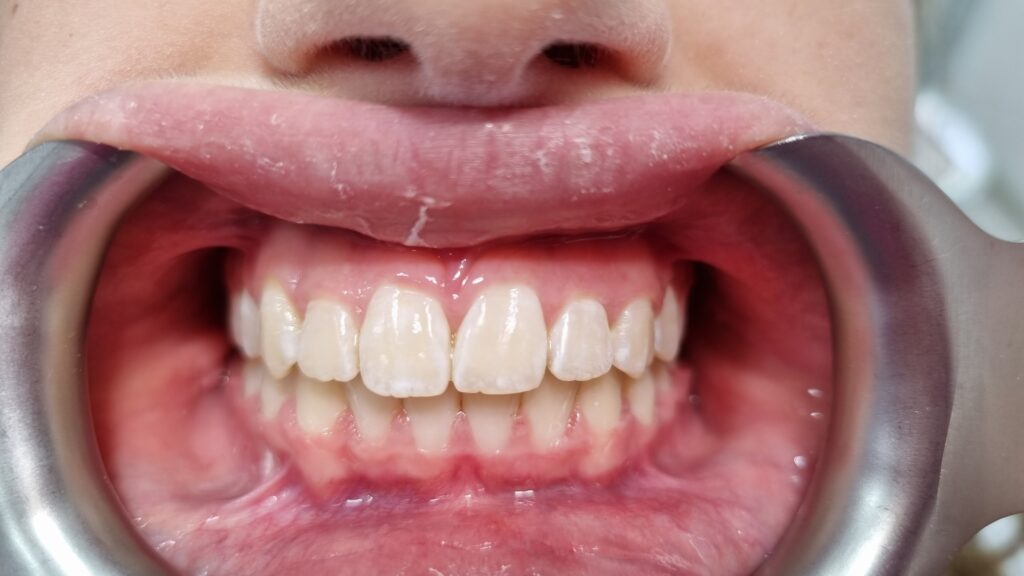
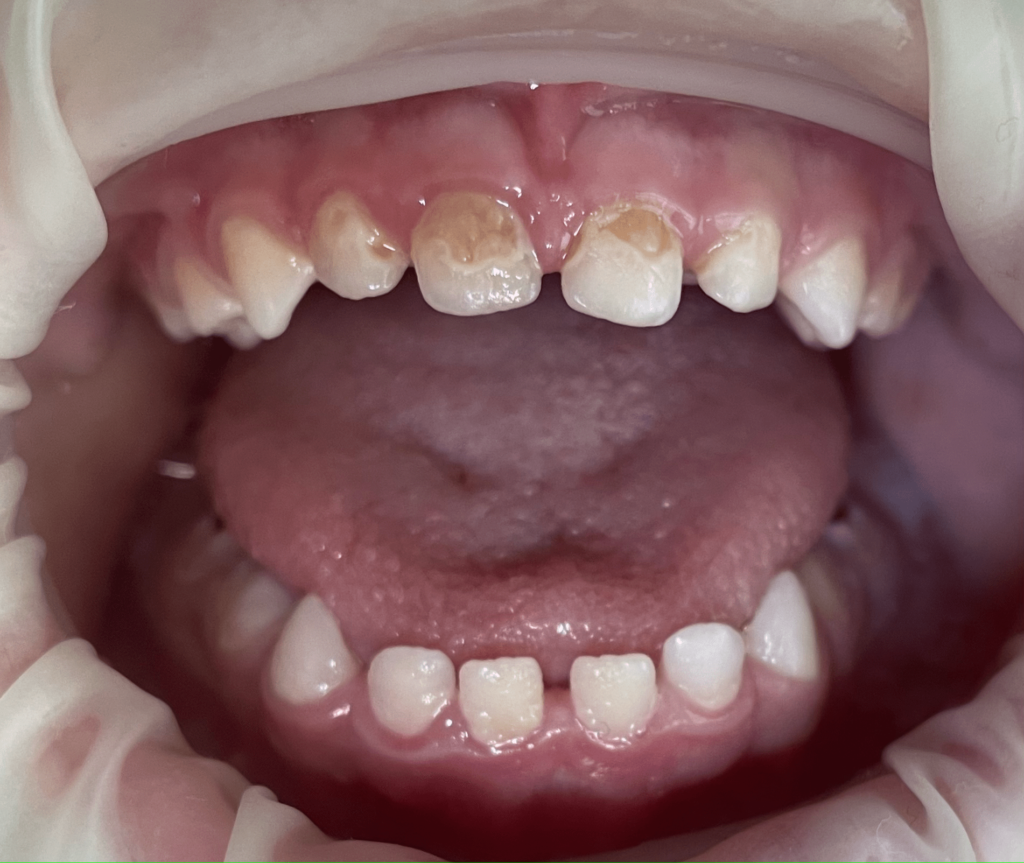
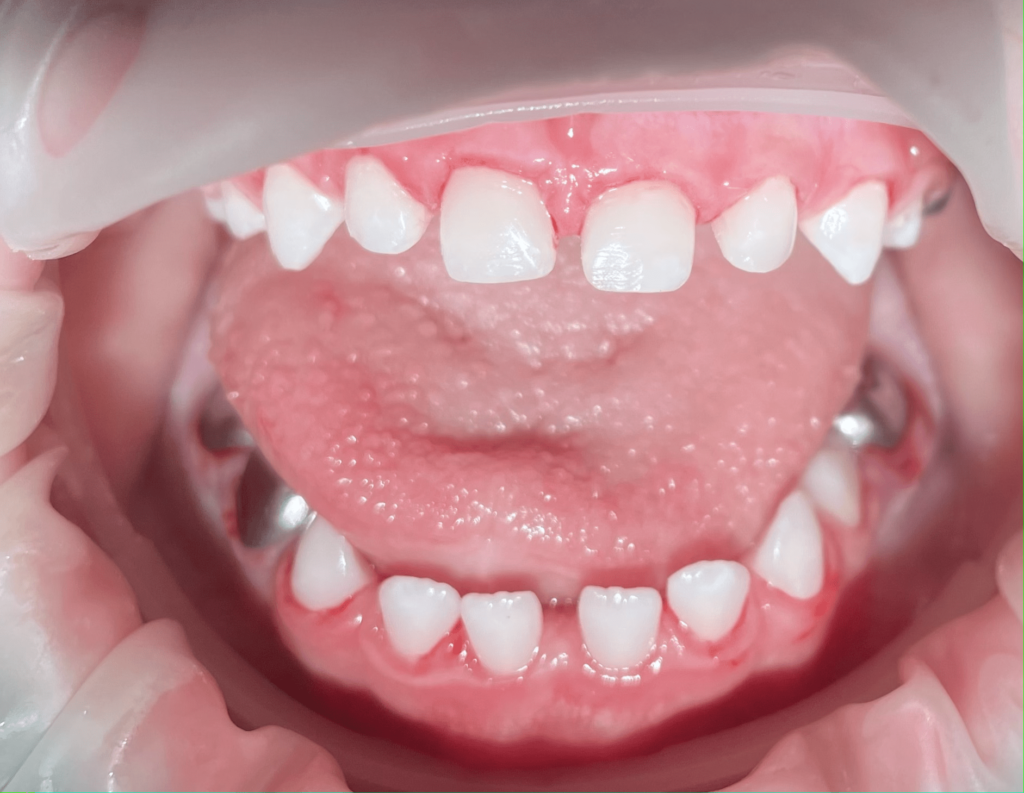
It is worth booking a prosthodontic consultation after losing a single tooth, when there are larger gaps in the dentition, when a tooth crown fractures, in cases of significant enamel wear, or when an old restoration is no longer comfortable. Prosthodontic treatment in Krakow may also help people whose teeth have changed shape, height or colour and require restoration after a thorough dental assessment.
A missing tooth does not always cause immediate pain, but it may make eating more difficult and encourage chewing on only one side. Over time, neighbouring teeth may shift towards the gap, while the opposing tooth may move out of the bone. This does not mean that every missing tooth requires the same solution, but an early consultation makes it possible to assess the situation before the problem becomes more complex.
A visit is also advisable when a tooth after root canal treatment seems brittle, a filling frequently breaks, or discomfort occurs while biting. The dentist does not make a diagnosis remotely – only an examination can determine whether the tooth can be restored safely and which method should be used.
Single missing teeth and larger gaps in the dentition
One missing tooth can affect food chewing, speech and everyday comfort, especially when the gap is in the front section of the mouth. With several missing teeth, the difficulties may be greater and the bite may become less stable.
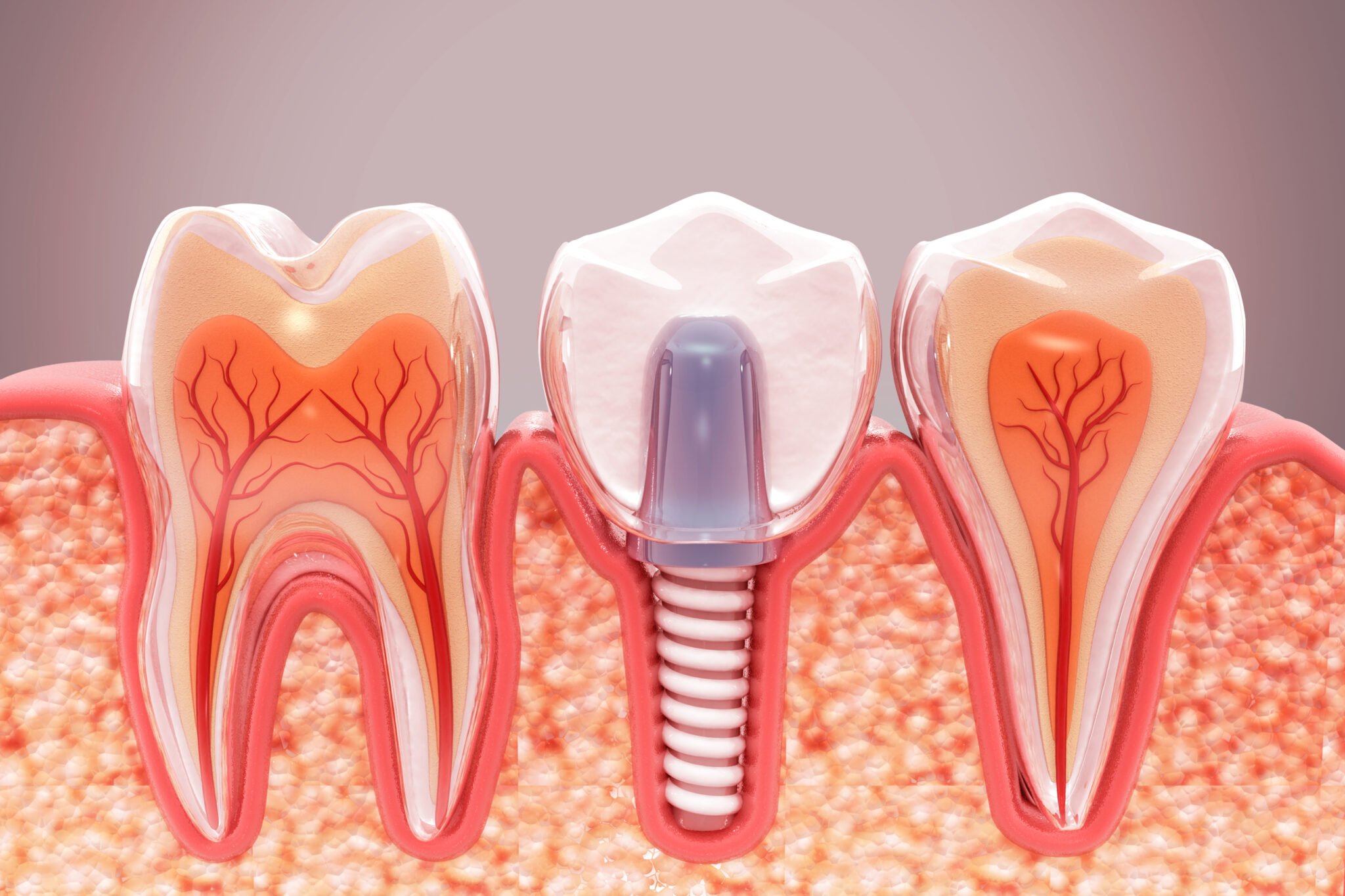
Depending on the number of missing teeth and the condition of the mouth, the dentist may consider an implant-supported crown, a dental bridge, a partial denture or another solution planned for the individual case. Important factors include the condition of teeth adjacent to the gap, gum health, bone conditions and the ability to maintain good oral hygiene.
Weakened, worn or damaged teeth
A prosthodontic restoration may be considered when a tooth is extensively damaged, following root canal treatment or in cases of significant tooth wear. However, a crown does not replace healthy tooth tissue unnecessarily – the dentist first assesses how much of the natural tooth can be preserved and whether it requires preparatory treatment.
With tooth wear, bite analysis is particularly important, because restoration alone, without addressing the cause of excessive forces, may not provide lasting comfort. The scope of treatment, material and number of restorations are always determined individually after an examination.
Which prosthodontic restorations can you choose?
Prosthodontic restorations are divided into fixed and removable options. Fixed restorations, such as crowns and bridges, are secured in the mouth by the dentist, while removable dentures are taken out by the patient for cleaning. The choice depends on the number of missing teeth, the condition of the supporting teeth, the bite, aesthetic expectations, hygiene and budget.
Dental crowns help restore a natural tooth, dental bridges replace a gap between supporting teeth, while dentures in Krakow are considered for more extensive tooth loss. Veneers have a different purpose – they are mainly used to improve the visible surface of teeth.
Dental crowns
A dental crown restores the shape, function and appearance of a tooth that has been severely weakened by decay, trauma, a large filling or root canal treatment. It can also be part of an implant-supported restoration.
Porcelain-fused-to-metal crowns have a metal framework covered with ceramic. All-ceramic crowns are often chosen for the visible part of the smile because of the way the material interacts with light. This does not mean that one type is suitable for every patient. The dentist selects the material, colour and shape of the crown according to its position in the dental arch, the bite and clinical conditions.
Dental bridges
A dental bridge replaces a gap left by a missing tooth by being supported by neighbouring teeth or other previously planned supports. It consists of the part that replaces the missing tooth, known as the pontic, and supporting elements.
Before making a bridge, we assess the condition of the supporting teeth, gums, bite and oral hygiene. The abutment teeth must have an appropriate prognosis because they carry forces during biting.
For daily bridge care, cleaning the space beneath the pontic is important. In addition to a toothbrush, interdental brushes, bridge floss or an oral irrigator may be needed, according to the instructions provided at the clinic.
Dentures and veneers
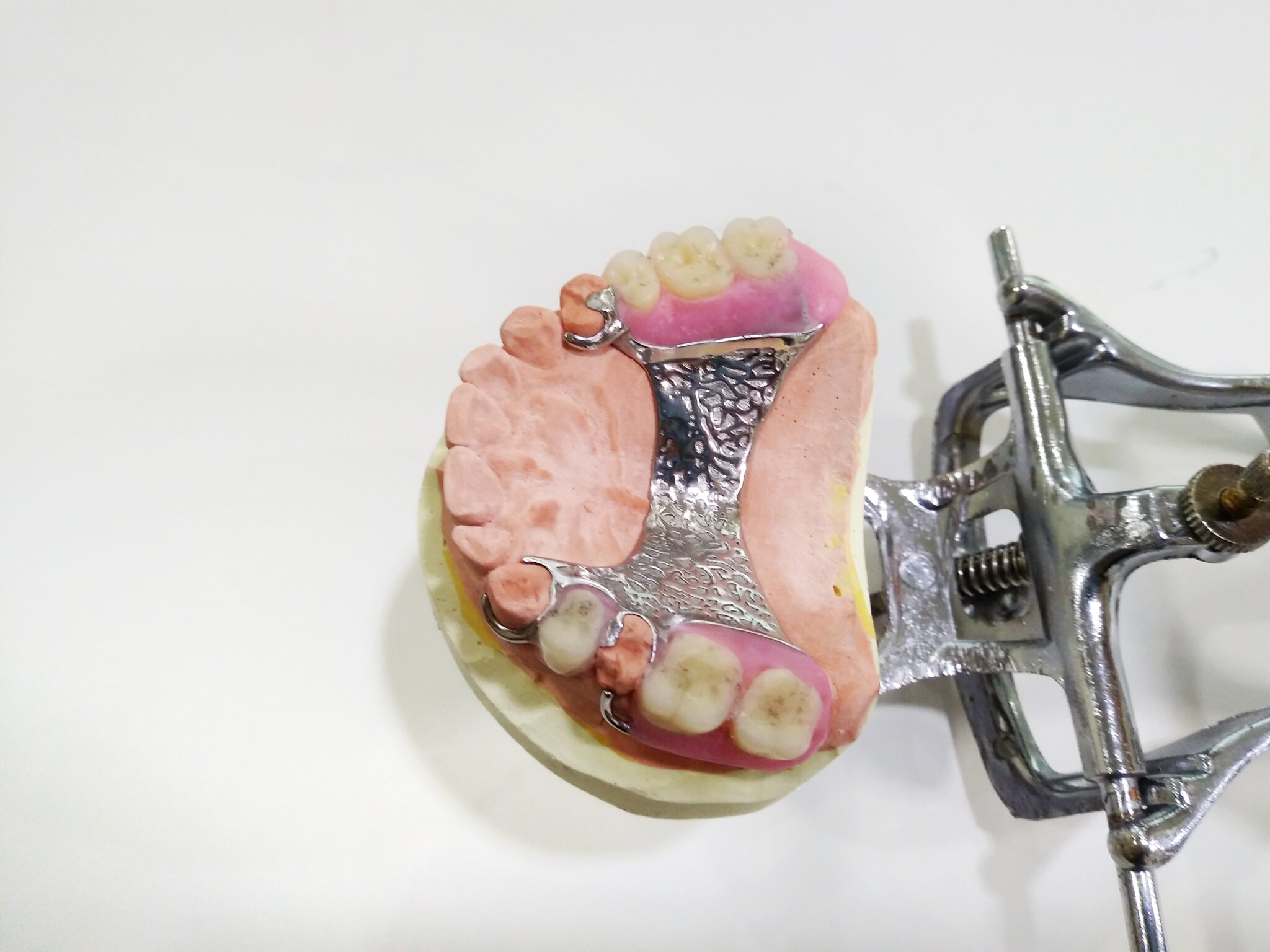
Partial dentures replace some missing teeth, while complete dentures are used when there are no natural teeth left in the dental arch. These are removable restorations, so they require regular cleaning outside the mouth and fit checks.
A well-planned denture can improve chewing function and the appearance of the smile, but the adaptation period varies from person to person. If a denture causes pressure, irritation, moves around or makes eating difficult, contact the clinic rather than attempting to adjust it yourself.
Veneers are thin restorations bonded to the front surface of teeth, usually to correct colour, minor irregularities or shape. They do not replace missing teeth and are not an alternative to a bridge, implant or denture.
What does prosthodontic treatment at the clinic look like?
Prosthodontic treatment takes place in stages, and the number of appointments depends on the type of restoration and the initial condition of the mouth. It usually includes a consultation, diagnostics, preparation of the teeth or gums, gathering data for the restoration, try-in appointments and fitting the completed restoration.
At Dynasty Stomatology, patients should not begin treatment without understanding the plan. We discuss the options, expected sequence of appointments, hygiene requirements and costs before starting the final restoration. When necessary, we use on-site digital diagnostics, including X-rays, CT scans and intraoral scanning.
Consultation, diagnostics and treatment plan
The first step is a discussion of the problem, expectations and treatment history. The dentist assesses the teeth, gums, bite and existing crowns, bridges or dentures. If the clinical situation requires it, imaging may be recommended.
The patient then learns about possible treatment options. It is worth asking about the differences between solutions, which teeth require prior treatment and what may happen if the decision to restore the tooth is postponed. Informed consent means that the patient understands the scope of the proposed treatment and can ask about alternatives.
Treatment, try-ins and care after fitting the restoration
After preparing the mouth, the dentist prepares the tooth, performs an intraoral scan or takes an impression. In some cases, a temporary restoration is used to protect the prepared tooth until the final restoration is completed.
During the try-in, we check the fit, contact with neighbouring teeth, bite, colour and comfort. A completed crown, bridge or denture also requires follow-up after fitting, especially if the patient experiences pressure, difficulty biting or notices a change in the way the teeth come together. Patients also receive hygiene instructions tailored to the type of restoration.
Prosthodontics – prices and treatment financing
Prosthodontic prices depend primarily on the type of restoration, the material used, the number of teeth being restored and the necessary preparation of the mouth. A single crown is priced differently from a multi-unit bridge, and both differ from a denture that requires several fitting stages.
The cost of treatment may also be affected by diagnostics, restorative or root canal treatment before restoration, gum procedures, temporary solutions and follow-up visits. Therefore, terms such as “prosthodontics price” or “prosthodontic prices” should be treated as a starting point for a discussion rather than a ready-made quote.
We provide a reliable estimate after the consultation and preparation of a treatment plan. At Dynasty Stomatology, MediPay instalments, MediRaty and an internal payment plan are available, with terms arranged individually.
What affects the cost of a crown, bridge or denture?
| Type of restoration |
Key pricing factors |
| Crown |
Material, number of crowns, need for tooth build-up, preparatory treatment, temporary restoration |
| Dental bridge |
Number of units, material, condition and preparation of the abutment teeth, bite complexity |
| Denture |
Extent of missing teeth, type of denture, number of fitting stages, possible repairs or relining |
The cost does not result solely from the name of the restoration. For example, a crown may require prior tooth build-up, while a bridge may require assessment and treatment of the teeth that will support it. Before treatment begins, it is worth requesting a clear plan stating what the estimate includes and which procedures may be charged separately.
Private treatment, funded services and insurance
Private treatment is charged according to the clinic’s price list and the individual treatment plan. Some dental services may be funded through public healthcare, but the scope, criteria and availability must be confirmed each time with the facility providing such services.
If a patient has private insurance, they should check the policy terms before the appointment. The insurer may require a referral, treatment plan, medical documentation or prior cost approval. At Dynasty Stomatology, treatment is also available to people without Polish insurance.
How should you care for crowns, bridges and dentures?
Crowns and bridges require the same daily care as natural teeth. They should be brushed at least twice a day, interdental spaces should be cleaned, and patients should attend regular check-ups and hygiene appointments as recommended by the dentist or dental hygienist.
It is particularly important to pay attention to the boundary between the crown and gum, as well as the spaces around bridges. Bacterial plaque can accumulate in hard-to-reach areas, so a quick pass with a toothbrush is often not enough. The choice of floss, interdental brushes or an oral irrigator should take into account the type of restoration and the condition of the gums.
Removable dentures should be cleaned outside the mouth with a soft brush and products designed for dentures. Very hot water should not be used, as it can alter their shape. The dentist determines how the denture should be stored overnight, as this depends on the type of restoration and conditions in the mouth.
Daily habits and warning signs:
- brush crowns, bridges and natural teeth gently but thoroughly;
- clean interdental spaces every day;
- for bridges, use the recommended tools to clean beneath the pontic;
- do not repair a cracked or loose denture yourself;
- contact the clinic if you experience pain, irritation, movement of the restoration, an unpleasant smell, a crack or a change in your bite.
Book a prosthodontic consultation in Krakow
The first consultation makes it possible to determine whether a crown, bridge, denture or another form of restoration will be best in a particular situation. It is worth bringing previous X-rays, treatment records, information about past illnesses and a list of medications taken. If the patient has old dentures or crowns, it is also useful to show them to the dentist.
Before the appointment, patients can write down questions about materials, the number of appointments, expected treatment time, hygiene, the cost estimate and available payment options. A prosthodontist in Krakow should explain solutions in understandable language, without imposing procedures that have not been discussed.
Dynasty Stomatology sees patients at ul. Romanowicza 1/LU3 and ul. Romanowicza 4B in Krakow. Registration is available by phone at +48 576 676 266. During clinic opening hours, Monday to Friday from 8:00 a.m. to 8:00 p.m. and Saturdays from 8:00 a.m. to 2:00 p.m., appointment requests are handled as efficiently as possible.
Contact reception to arrange a convenient date for your prosthodontic consultation.
What should you ask during a consultation?
It is worth preparing a short list of questions for your appointment:
- Which solutions are possible in my situation?
- Which materials can be considered, and how do they differ?
- How many appointments might treatment require?
- Is treatment of the teeth or gums needed before restoration?
- What does crown, bridge or denture hygiene involve?
- When are follow-up appointments needed?
- What does the cost estimate include, and what payment options are available?
- Can I receive a written treatment plan?
Information for international and multilingual patients
Patients travelling to Krakow or preferring to communicate in another language should confirm the available consultation language before booking. At Dynasty Stomatology, the team communicates in Polish, English, Ukrainian and Russian.
It is worth arranging in advance how medical documentation will be provided, the payment terms and whether the treatment plan can be received in an understandable format. For treatment requiring several appointments, planning follow-up dates together is also helpful.