



You should never ignore gum infections assuming it will go disappear on its own. Untreated infections will escalate into gum disease becoming a major threat to your oral and physical health. Various periodontal diseases lead to serious dental complications that lead to tooth loss and bone damage.
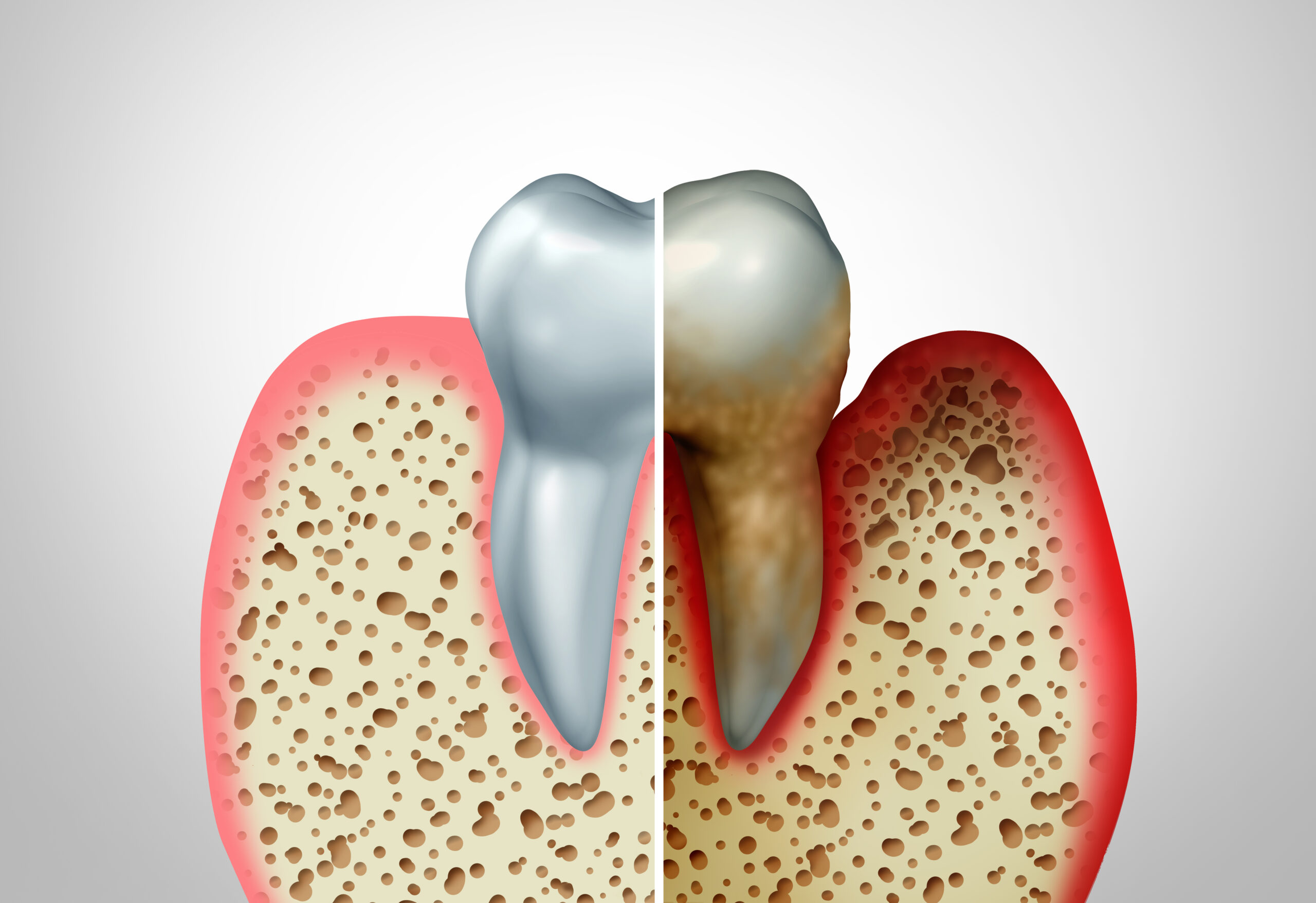

Accumulation of debris on the teeth

Formation of mature bacterial plaque

Onset of inflammation
How can periodontitis be prevented?
Effective treatment starts with proper oral hygiene to remove plaque at home every day. You must brush your teeth with a soft-bristled or an interdental toothbrush at a 45-degree angle from the teeth to the gumline.
You need to make several appointments for professional teeth cleaning like a scaling every 6 months to ensure plaque and tartar do not accumulate on the surface of the teeth. In case, you have gum sensitivity, visiting a dentist every three months should be a part of the treatment.
For successful periodontal treatment, you need to eat a balanced diet rich in calcium and vitamin C. Stress management and the control of diabetes are essential to keep your immunity strong. If you identify any of the symptoms described above, visit a periodontist to book several appointments for teeth cleaning. Ensure you follow up with oral hygiene at home every day.
Price: Periodontitis Treatment in Krakow
-
Prosthodontic consultation
250 PLN
How the Dynasty Stomatology dental clinic's loyalty program works
Learn more about the loyalty program
Step 01
Visit the clinic and scan the QR code at the reception desk
Step 02
Register online — enter your details
Step 03
Receive and accumulate points after each visit
Have you noticed signs of inflammation or are you experiencing pain? Don't delay your visit to the dentist.
Schedule an appointment!
By clicking the button, you give your agreet your personal data in accordance with privacy policy.
Frequently asked questions about periodontitis treatment
-
Periodontitis must be professionally treated by a skilled periodontist. Post treatment follow-up care can be done at home with proper oral hygiene and dental care.
-
Those with a chronic plaque deposit but also people with uncontrolled diabetes, poor oral hygiene, smokers, and pregnant women are most susceptible to periodontitis.
-
Genes can also affect enamel health and immunity so family history can play a minor role on infections called periodontitis thus preventing their gums to heal.
-
Periodontitis treatment involves professional scaling and root planing over multiple sessions as they cannot be carried out in a single session.
-
Sensitivity of dental root surfaces to cold and hot food, gum inflammation, and root exposure are the first symptoms of a gingival recession.
-
Regular brushing and flossing prevent infections and gums from becoming inflamed. Bite misalignments should be corrected with orthodontic or crown placement treatment.
-
The most effective treatment for periodontitis depends on its severity. In mild to moderate cases, a professional deep cleaning called scaling and root planing — which removes bacteria and tartar from below the gum line — is often highly effective. For more advanced cases, surgical treatments such as flap surgery or bone grafting may be necessary to restore damaged tissue. The key to long-term success is combining professional treatment with excellent daily oral hygiene and regular follow-up visits — so please don't hesitate to book a consultation so we can create a personalized treatment plan for you.
-
The 4 P's of periodontics refer to the key pillars of managing gum health: Plaque control (maintaining excellent daily oral hygiene), Professional care (regular dental cleanings and check-ups), Patient education (understanding how to care for your gums at home), and Prevention (taking proactive steps to stop gum disease before it starts). Together, these principles help keep your gums healthy and protect the foundation of your teeth for years to come. If you have any concerns about your gum health, our team at Dynasty Stomatology is here to help!
-
Periodontal treatment begins with a thorough examination of your gums and supporting bone, followed by professional deep cleaning called scaling and root planing, which removes plaque and tartar buildup from below the gum line. In more advanced cases, additional treatments such as antibiotic therapy, laser therapy, or minor surgical procedures may be needed to restore gum health. Your dentist will create a personalized treatment plan based on the severity of your condition, and regular follow-up visits are essential to maintain your results and prevent recurrence.
-
Yes, periodontitis can be stopped from progressing with proper treatment and consistent care. Professional treatments such as deep cleaning (scaling and root planing) remove bacteria and tartar from below the gumline, helping the gums heal and reattach to the teeth. Maintaining excellent oral hygiene at home and attending regular dental check-ups are essential to keep the disease under control. The earlier periodontitis is detected, the more effectively we can manage it — so if you notice bleeding gums, bad breath, or loose teeth, please schedule a visit as soon as possible.
-
Periodontal disease is not usually treated as a problem that can be permanently “removed” in a single treatment, but inflammation can often be effectively controlled and the disease kept under control. This requires treatment tailored to the condition of the periodontium, thorough home oral hygiene, and regular maintenance visits. The dentist assesses the prognosis individually after an examination.
-
The duration of periodontitis treatment depends on the severity of the changes and the scope of the procedures needed. For some patients, the first stage is professional cleaning and oral hygiene instruction, followed by an assessment of the tissue response. Deeper pockets, bone changes, or the need for surgical treatment may extend the entire process. The dentist establishes the schedule after diagnostics.
-
Periodontal disease treatment may involve discomfort, but the approach and anesthesia are selected according to the scope of the procedure and the patient’s needs. Before the procedure, it is worth mentioning dental anxiety, a low pain threshold, and previous experiences. The dentist will explain the treatment plan, possible sensations, and recommendations after the visit.
-
Surgical periodontal treatment may be needed when initial treatment is not enough to control the problem or when complex pockets and bone changes are present. Qualification is not based on symptoms alone. The decision is made by the dentist after a clinical examination, periodontal pocket measurements, and assessment of X-ray imaging.
-
The fastest way to book an appointment is to contact the reception team by phone at +48 123 002 806 or through the Dynasty Stomatology contact form. When making your appointment, describe your symptoms and state whether you have current X-rays. The reception team will help arrange a date, provide information on preparing for the consultation, and answer questions about the language of communication and payment.
Doctors who perform periodontitis treatment
View all doctors
Anastasiia Danyliuk
General dentist, endodontist
Focuses not only on treatment effectiveness but also on patient comfort. Her main goal is to provide long-term results without the need for repeate...

Yana Tereshchenko
General dentist, endodontist
Cares about both the health and the aesthetic and functional aspects of her patients’ teeth, helping preserve a natural, beautiful smile for years.

Yuliia Rudzynska
Pediatric dentist
Helps children not only maintain healthy teeth but also develop a positive attitude toward dentistry, ensuring fear-free visits.

Borys Minakov
Prosthodontist
His approach focuses on individually tailored treatment plans that not only solve current issues but also prevent future ones. This helps patients ...
Reviews on periodontitis treatment in Krakow
Expert articles on the topic
View all blog-
18.08.2026
8
13 min. read
Causes of gum recession – what does it look like & how to prevent
Receding gums, also known as gingival recession, involve the gumline moving toward the root of the tooth. This can expose…
Read more -
09.12.2025
1295
5 min. read
What is Dental Splinting and How It Can Save a Loose Tooth?
Loose teeth in adults are often a sign that something important is changing in your mouth. This causes a lot…
Read more -
01.09.2025
638
7 min. read
Periodontal disease – causes, symptoms, treatment options
Periodontal disease is one of the most common oral health issues worldwide, affecting millions of people and often developing silently over time. Left untreated, it can lead to serious complications, including tooth loss and systemic health problems. Understanding the causes, recognizing early symptoms, and exploring effective treatment options are essential for maintaining a healthy smile […]
Read more -
01.08.2025
820
5 min. read
What is Periodontology – What Does a Periodontist Do?
Periodontology focuses on the health of the tissues surrounding and supporting the teeth. It plays a crucial role in preventing and treating gum diseases that can affect overall oral health. Understanding the importance of this dental specialty helps maintain strong teeth and gums throughout life. What is Periodontics? Periodontics is a branch of dentistry that […]
Read more





Periodontal Disease Treatment in Krakow – Periodontal Diagnostics and Therapy
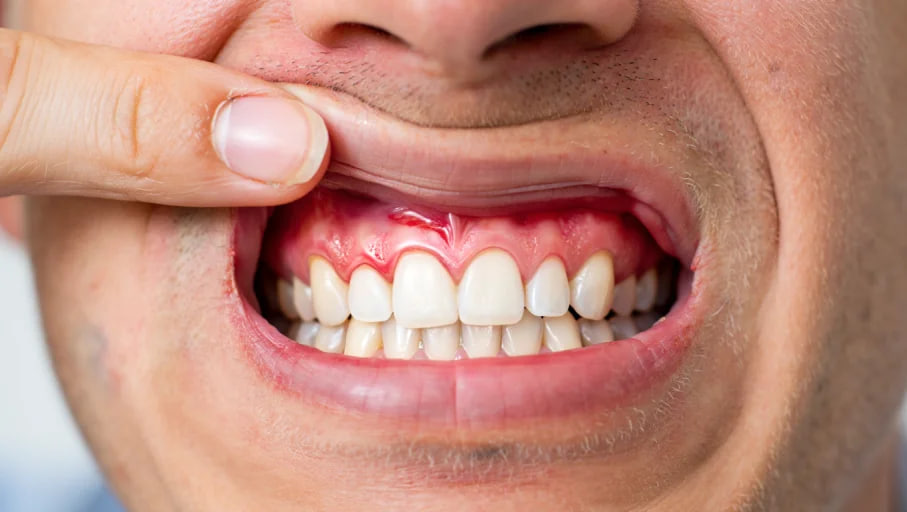
Periodontal disease treatment in Krakow begins with thorough periodontal diagnostics, including an assessment of the gums, the tissues that support the teeth, and the bone around the roots. Periodontal disease, also known as gum disease, can develop for a long time without obvious pain, which is why bleeding gums, bad breath, or exposed tooth necks should be consulted as early as possible.
Periodontal Disease Treatment in Krakow – When Should You See a Periodontist?
Periodontal disease is a chronic condition affecting the tissues surrounding and stabilizing the teeth. Without control, it can lead to loss of bone support and tooth mobility. A periodontist diagnoses and treats the gums, periodontal pockets, and changes in the bone around the teeth.
There is no need to wait until the problem becomes painful. With periodontal disease, pain does not always occur in the early stages, while inflammation may still progress. An early consultation makes it possible to assess the cause of bleeding, the presence of tartar, the quality of daily oral hygiene, and the condition of the teeth.
At Dynasty Stomatology, periodontics in Krakow is part of comprehensive dental care. On-site diagnostic imaging is available, making it easier to plan the next stages of treatment. The scope of therapy is not predetermined—the dentist discusses it after collecting clinical data and talking with the patient.
Symptoms of Periodontal Disease and Periodontitis
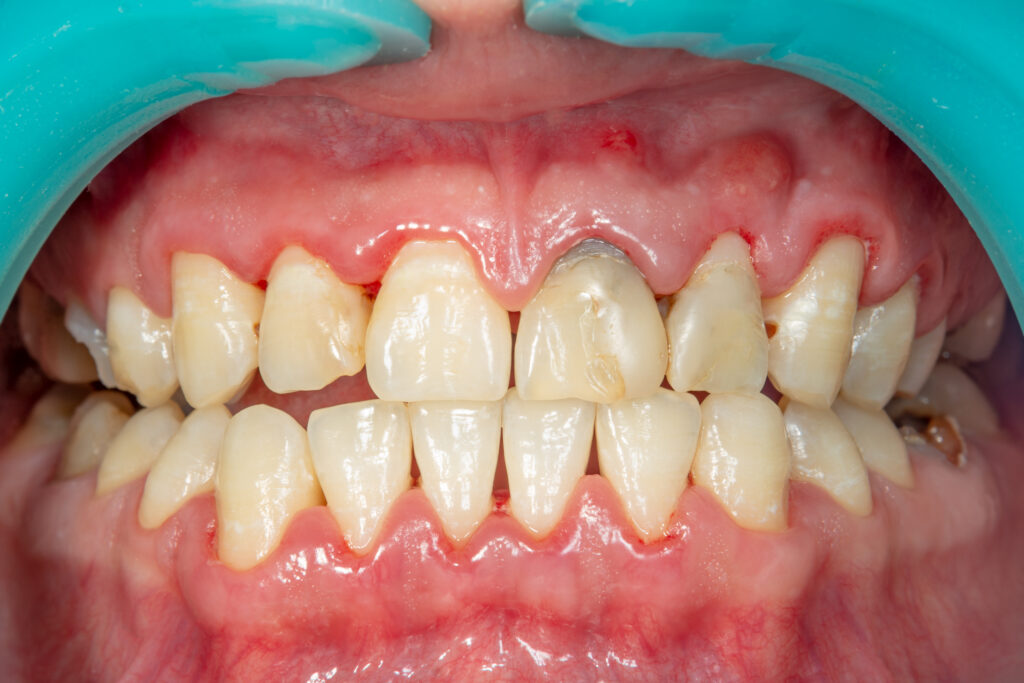
Symptoms of periodontal disease can be subtle at first. Most commonly, patients notice bleeding while brushing, redness or swelling of the gums, recurring bad breath, and tenderness. The absence of pain does not rule out periodontitis.
At a later stage, gum recession may occur, meaning the tooth necks and roots become exposed, along with sensitivity to cold and the feeling that teeth are shifting position. Loose teeth or pus discharge require prompt assessment at a dental office.
Early Symptoms That Should Not Be Ignored
Recurring gum bleeding during brushing or flossing should not be considered normal. It is also important to respond to swelling, tenderness, redness, and visible plaque and tartar.
Bacterial plaque is a soft deposit that accumulates on teeth. If it is not removed regularly, it can mineralize and form tartar, which cannot be effectively removed with brushing at home. A self-assessment cannot determine whether problems have already developed deeper below the gumline, which is why a periodontal examination is needed.
Advanced Symptoms of Periodontal Disease
Advanced periodontitis can lead to the formation of periodontal pockets. These are spaces between the tooth and the gum where bacteria and deposits can accumulate more easily. The dentist measures their depth during the examination to assess disease activity.
Warning signs include exposed tooth necks, increasing sensitivity, pus discharge, tooth mobility, and tooth shifting. Delaying treatment does not automatically mean tooth loss, but it may limit the options for simpler treatment. A prompt consultation provides a basis for calmly establishing a treatment plan.
What Does Periodontal Diagnostics Involve?
Periodontal diagnostics answer the question of how to diagnose periodontitis and what treatment the patient actually needs. During the first visit, the dentist takes a medical history and evaluates oral hygiene, gum condition, tooth mobility, and available X-rays.
The visit usually proceeds in stages:
- Discussion of symptoms, general health, and previous treatment.
- Assessment of the gums, bacterial plaque, tartar, and bleeding areas.
- Measurement of periodontal pockets and evaluation of tooth stability.
- Analysis of the necessary imaging documentation.
- Discussion of an individual periodontal treatment plan, costs, and follow-up visits.
Digital diagnostics are available on site at Dynasty Stomatology. The dentist selects the type of imaging based on the problem rather than following one standard approach for all patients.
Examination of Gums, Pockets, and Tooth Stability
During the examination, the dentist evaluates the appearance of the gums, bleeding, and the presence of deposits. They may then measure periodontal pockets using a thin periodontal instrument. The measurement helps determine whether the tissues around the tooth are affected by inflammation and how deep the problem extends.
Tooth stability is also assessed. Mobility may result from loss of support, bite overload, or other causes, which is why it always requires evaluation in the broader context of the entire oral cavity.
X-Rays and Assessment of the Bone Around the Teeth
X-rays make it possible to assess the bone around the tooth roots, which cannot be seen during a standard visual examination of the mouth. This allows the dentist to check whether bone support has been lost and whether the changes affect individual teeth or a larger area.
Not every patient needs the same type of X-ray. Depending on the indications, the dentist may use existing documentation, a periapical X-ray, a panoramic X-ray, or another clinically justified imaging method.
Individual Periodontal Treatment Plan
The treatment plan takes into account the severity of the disease, the number of areas requiring treatment, the condition of the teeth, the amount of tartar, and daily oral hygiene habits. General factors are also important, such as smoking, coexisting medical conditions, and the ability to attend follow-up appointments.
The patient should receive a clear explanation of the subsequent stages, benefits, limitations, and expected billing method. Periodontal treatment requires cooperation between the dental office and the patient, which is why oral hygiene instruction is just as important as the procedures performed at the clinic.
Methods of Periodontal Disease Treatment
Periodontal disease treatment aims to control inflammation, limit the accumulation of bacterial biofilm, and maintain the most stable periodontal condition possible. Biofilm is an organized layer of bacteria that forms on the surfaces of teeth and roots. There is no single method suitable for every case.
Treatment most often includes professional tooth cleaning, oral hygiene instruction, reassessment of the tissues, and—if necessary—specialist procedures. The dentist determines the stages after the examination, and their scope may change depending on how the tissues respond to treatment.
Non-Surgical Treatment and Professional Cleaning
The foundation of treatment is the removal of plaque and tartar above the gums and, where indicated, below the gumline. Professional cleaning may include dental hygiene treatment and root surface debridement in areas affected by disease. The goal is to reduce deposits that sustain inflammation.
At the same time, the patient receives instruction on brushing and cleaning between the teeth. Even a carefully performed procedure does not replace daily plaque removal. Tools such as interdental brushes or floss should be selected according to the conditions in the oral cavity.
Surgical and Regenerative Treatment in Advanced Cases
If deep pockets, complex bone defects, or other indications remain after initial treatment, the dentist may consider surgical periodontal procedures. Their purpose may be to gain better access for root cleaning, correct tissues, or support regeneration in selected defects.
Such a procedure is not automatically the next step for every patient. It requires thorough qualification, discussion of possible benefits and limitations, and planning of the healing and follow-up period. The scope of the procedure results from the diagnostics, not simply from the name of the disease.
Laser Treatment for Periodontal Disease – Who May Be Considered for It?
Laser treatment for periodontal disease may be considered as a supplement to periodontal therapy in selected clinical situations. However, it does not replace an examination, deposit removal, daily oral hygiene, or regular monitoring of periodontal health.
Interest in laser treatment is understandable, but the decision should not be based on technology alone. First, it is necessary to determine where inflammation is present, how deep the pockets are, and what the condition of the bone and teeth is. Only then can the dentist explain whether a laser procedure is justified in a specific treatment plan.
Qualification for Laser Therapy
Qualification for laser therapy depends, among other things, on the condition of the gums, the depth of pockets, the extent of changes, and the results of initial treatment. The dentist also takes into account the patient’s general health and their ability to follow oral hygiene and follow-up recommendations.
Laser treatment may be part of a broader approach rather than an independent solution to the problem. It should not be assumed that such a procedure will be painless, quick, or equally effective for every person. Before treatment begins, the patient should know the purpose of the procedure and the alternative methods.
What Does the Cost of Laser Treatment Depend On?
The phrase “laser periodontal disease treatment cost” does not have one honest answer without an examination. The cost depends on the number of teeth or areas treated, the severity of the changes, the number of visits, and procedures performed at the same time, such as professional cleaning or periodontal pocket treatment.
It is worth obtaining an individual estimate after a periodontal consultation. This way, the patient receives information about the cost of the entire plan, not just one element of therapy.
Periodontal Disease Treatment – Price List, Financing, and Billing
The periodontal disease treatment price list may be indicative before diagnostics, as the extent of the disease and the procedures needed vary between patients. The cost of a consultation, professional cleaning, imaging examinations, periodontal pocket treatment, and possible specialist procedures may be billed separately.
At Dynasty Stomatology, the detailed plan and costs are discussed before the next stages begin. Patients may also ask about available installment payment options, including MediPay, MediRaty, or an internal payment plan, the terms of which are determined individually.
| Treatment plan element | What affects the estimate? |
|---|---|
| Periodontal consultation | Scope of the examination and documentation analysis |
| Professional cleaning | Amount of deposits and scope of cleaning |
| Diagnostic imaging | Type of X-ray needed in the specific case |
| Periodontal pocket treatment | Number of teeth treated and depth of changes |
| Specialist procedures | Type of procedure, treatment area, and follow-up visits |
What Affects the Cost of Periodontal Therapy?
The cost of periodontal therapy is primarily affected by the extent of the disease and the number of teeth requiring treatment. The type of procedures, the need for X-rays, the need for surgical treatment, and the number of follow-up visits also matter.
It is worth distinguishing the cost of a single professional cleaning or procedure from the cost of a complete treatment plan. A full estimate should also include the maintenance stage, because monitoring periodontal health after therapy helps detect recurrent inflammation at an early stage.
Private Treatment and Publicly Funded Services
Private treatment is priced according to the individual therapy plan. The scope of publicly funded services, applicable limits, waiting times, and availability should always be confirmed directly with the facility or the National Health Fund.
Do not assume that a specific procedure is reimbursed without checking the current terms. The reception team can explain how consultations and planned procedures are billed before the visit.
How Can You Prevent Periodontal Disease From Returning After Treatment?
Prevention of periodontal disease after active therapy has been completed involves consistent home oral hygiene and regular maintenance visits. Periodontal diseases require monitoring even when the gums look better and no longer bleed.
The most important thing is to remove bacterial plaque from the teeth and spaces between them every day. It is also advisable to respond quickly to recurring bleeding, swelling, or bad breath instead of waiting until the next scheduled visit.
Daily Oral Hygiene
Brush your teeth according to the instructions received at the dental office, paying attention to the gumline. Brushing alone does not always clean the spaces between the teeth, so the dentist or dental hygienist may recommend floss, interdental brushes, or another solution tailored to the conditions in your mouth.
There is no one product that is right for everyone. In the case of gum recession, dental prosthetics, implants, or larger spaces between the teeth, oral hygiene tools should be selected individually.
Follow-Up Visits and Maintenance Therapy
Follow-up visits make it possible to monitor the gums, check periodontal pockets, and remove new deposits before inflammation becomes more advanced. The dentist determines the frequency of check-ups individually, depending on the risk of recurrence, examination findings, and the patient’s oral hygiene capabilities.
If gum bleeding or tenderness returns during daily care, it is worth contacting the dental office sooner. Regular maintenance therapy is part of long-term periodontal treatment, not an extra step performed only when symptoms appear.
Book a Periodontal Consultation in Krakow
To book a consultation with a periodontist in Krakow, contact the Dynasty Stomatology reception team and briefly describe your symptoms, such as bleeding gums, loose teeth, gum recession, or bad breath. If you have X-rays, medical records, or a previous treatment plan, prepare them to share with the dentist.
Our dental clinic in Krakow welcomes patients at Romanowicza Street 1/LU3 and Romanowicza Street 4B. Before your visit, you can ask about the nearest available appointments, the language of communication, billing methods, installment payments, and how to prepare for the consultation. Treatment is also available to patients without Polish insurance.
Reception: +48 123 002 806. Opening hours: Monday–Friday 8:00 AM–8:00 PM, Saturday 8:00 AM–2:00 PM.