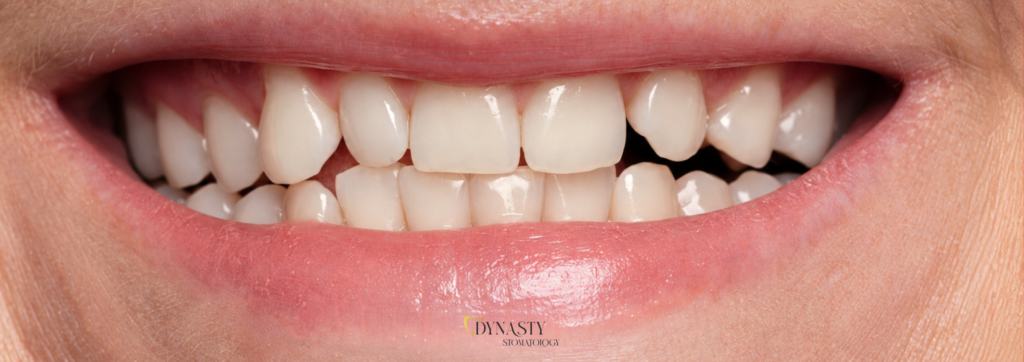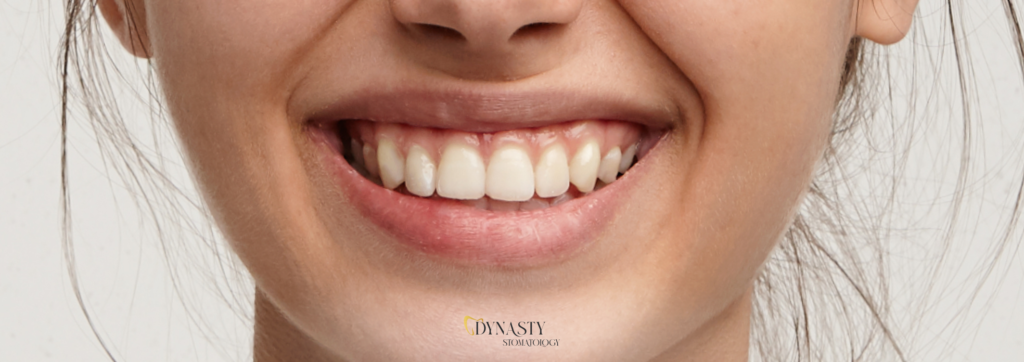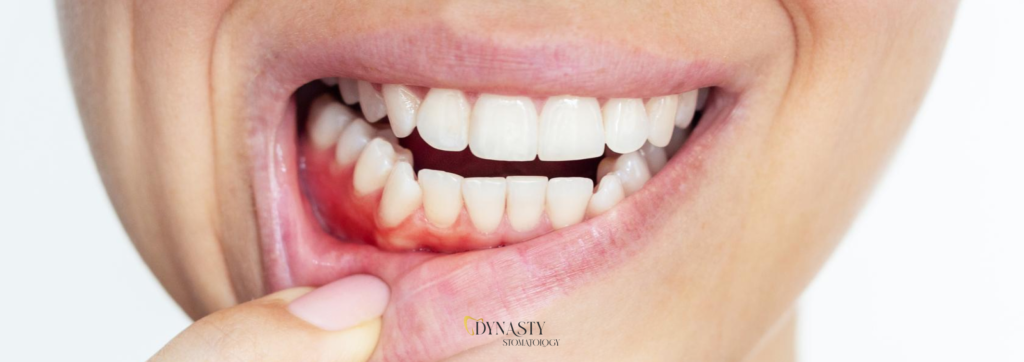


Receding gums, also known as gingival recession, involve the gumline moving toward the root of the tooth. This can expose the tooth neck or part of the root, cause sensitivity, and make it more difficult to keep the area clean. This article is intended for patients who have noticed a change in their gumline, bleeding, or discomfort while eating and brushing.
Not every irregularity in the gumline indicates the same condition. Only a dentist can assess the cause and extent of the changes, and in more complex cases, a periodontist—a specialist in gums and the tissues that support teeth—may be needed.
What Is Gum Recession and What Does It Look Like?
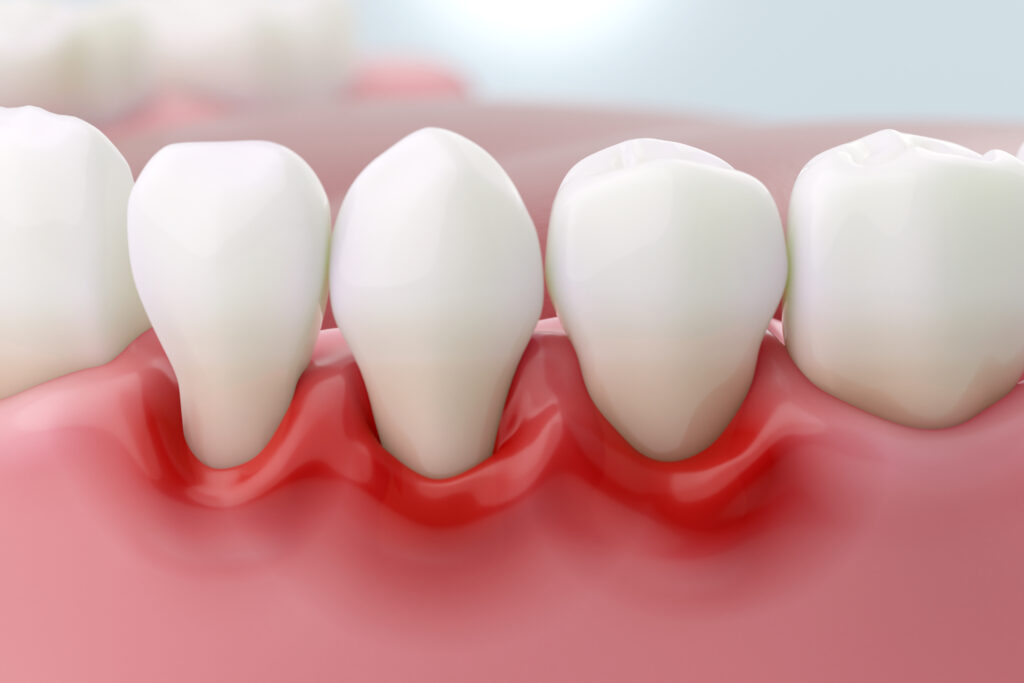
Gum recession is when the gumline pulls back, making a tooth appear longer and exposing more of its neck or root. The change may affect one tooth or several teeth, often around the canines, premolars, and lower incisors.
Healthy gums fit tightly around the tooth and provide natural protection for its deeper structures. When the gumline moves back, the exposed part of the root does not have the same protection as enamel. The root is covered with cementum, which is less resistant to abrasion and to the effects of the acidic environment in the mouth.
Gum recession is not always painful and may develop slowly. For this reason, many people notice it only in a photo, during a dental hygiene appointment, or when they begin reacting to cold drinks. It is worth avoiding judging the problem solely in the mirror, because not only the visible gumline matters, but also the condition of the bone, the presence of inflammation, and the position of the tooth.
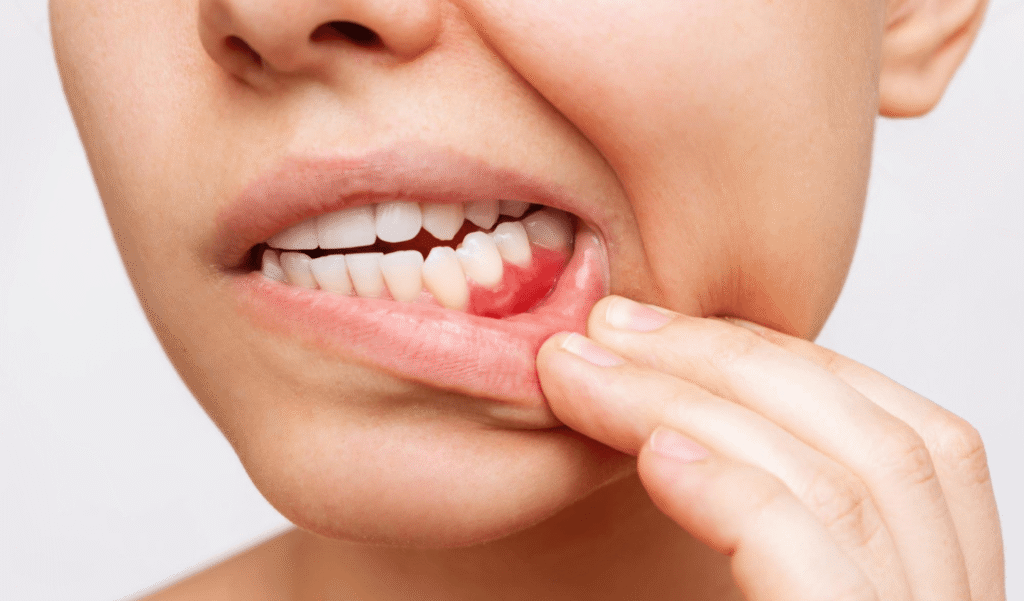
How Can You Recognize Receding Gums?
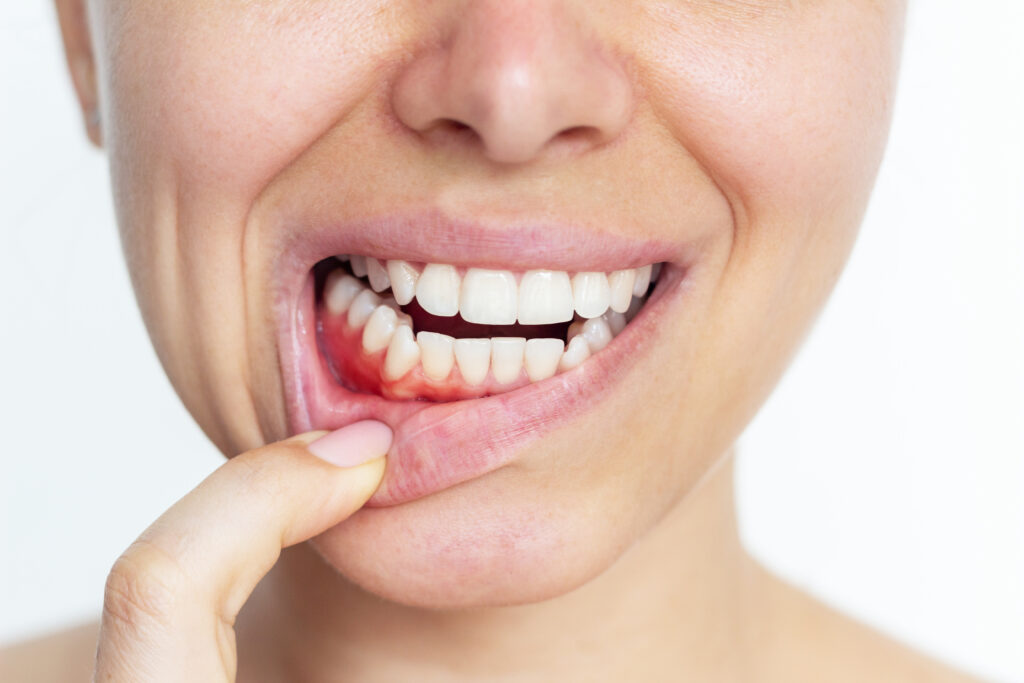
Receding gums may be visible as a tooth that appears longer than before or longer than neighboring teeth. Common signs include an uneven gumline, exposed tooth necks, and sensitivity to cold, heat, sweet foods, or contact with a toothbrush.
Some patients also notice difficulty cleaning the area near the gumline thoroughly. Symptoms may be subtle and can also result from other changes in the mouth, so they do not replace a dental examination.
Can Receding Gums Grow Back?
Lost gum tissue usually does not grow back on its own to its original level. However, this does not mean that nothing can be done. Early diagnosis and removing the cause can stop the recession from progressing, reduce sensitivity, and protect the exposed root.
In selected cases, a periodontist may consider a surgical gum recession coverage procedure, sometimes using a tissue graft. Whether this treatment is possible depends, among other things, on the position of the tooth, the amount of remaining tissue, and oral hygiene. Not every case requires or qualifies for surgery.
Can Receding Gums Be Stopped?
The earlier gum recession is detected, the greater the chance of stopping its progression. In many cases, proper hygiene, treatment of inflammation, and removal of factors causing excessive pressure can help prevent further root exposure. If the recession is more advanced, a periodontist may recommend surgical treatment.
The Most Common Causes of Receding Gums
Gum recession rarely results from a single factor. Most often, it develops as a result of a combination of inflammation, hygiene-related trauma, thin gum tissue, unfavorable tooth positioning, or bite-related overload.
For this reason, treatment should not be limited to covering the visible part of the root. First, it is necessary to determine why the gums have receded and whether the process is still progressing. For one person, tartar may be the key issue, while for another it may be brushing too hard or grinding their teeth during sleep.
The Most Common Myths About Receding Gums
Myth 1. Receding gums always grow back.
No. Lost gum tissue usually does not rebuild itself on its own. However, it is possible to stop the progression of recession and, in selected cases, consider periodontal treatment.
Myth 2. Bleeding gums while brushing are normal.
No. Recurrent bleeding often indicates inflammation and requires a dental check-up.
Myth 3. You just need to brush your teeth harder.
No. Brushing too forcefully can further damage the gums and worsen recession.
Inflammation, Tartar, and Gum Disease
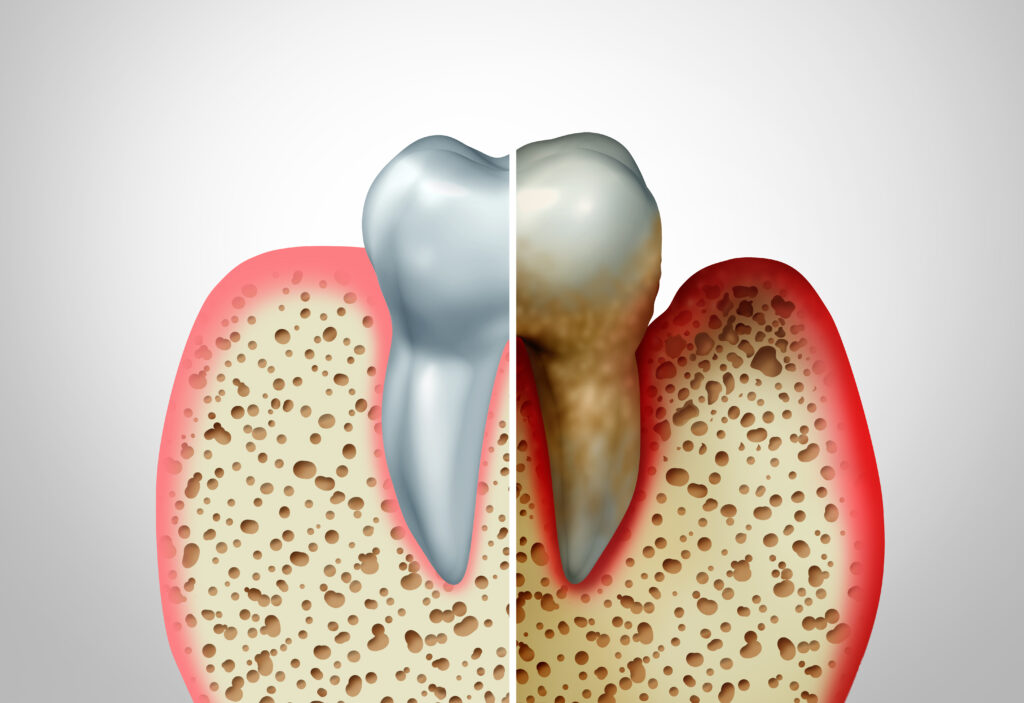
Bacterial plaque, which is a soft deposit that builds up on teeth, can cause gum inflammation. Typical symptoms include bleeding while brushing, redness, swelling, and bad breath. If the deposit becomes mineralized, it turns into tartar, which cannot be safely removed with home methods.
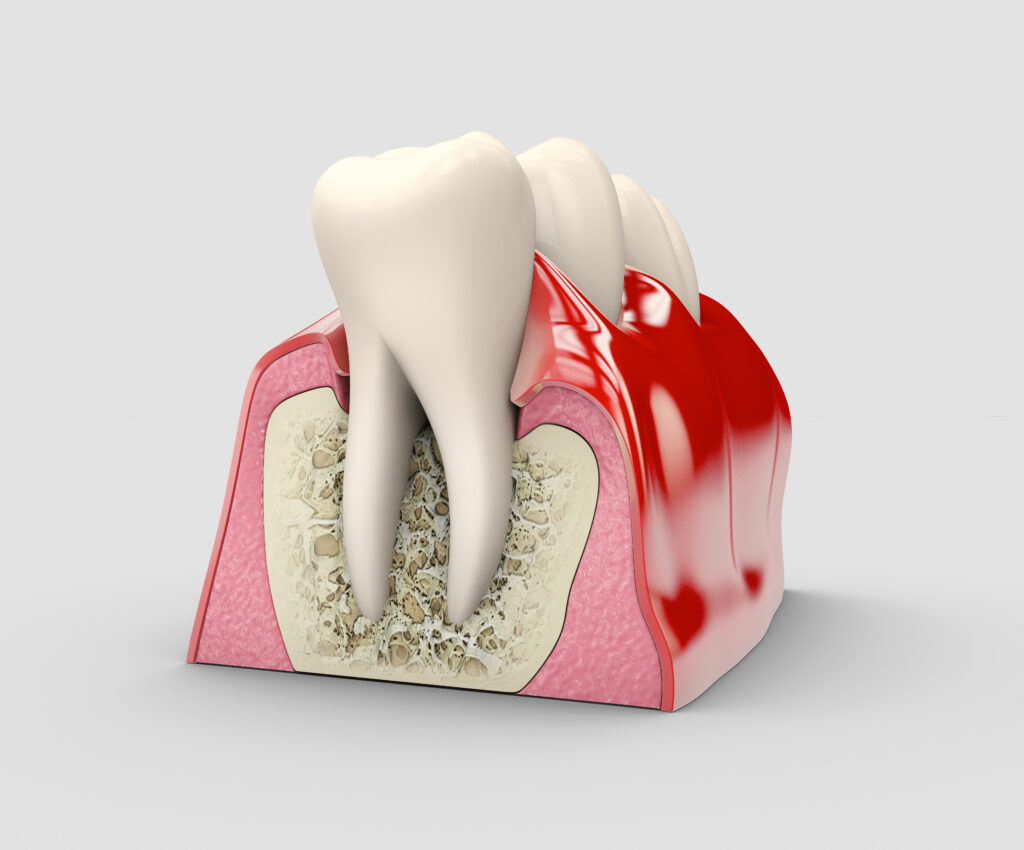
Untreated inflammation may affect the deeper periodontal tissues—the structures that support the tooth. Gum disease can lead to loss of attachment and bone, which promotes root exposure and loose teeth. An examination and professional cleaning at a dental office are then necessary.

Brushing Too Hard and Improper Oral Hygiene
Applying too much pressure with a toothbrush, using hard bristles, and making horizontal scrubbing movements can mechanically irritate the gumline. The risk increases when a patient focuses brushing on one area, trying to “scrub away” plaque or discoloration.
Incorrect use of floss or interdental brushes can also damage tissues. However, this does not mean that oral hygiene should be reduced. Inadequate cleaning between the teeth increases the risk of inflammation. The safest approach is to choose a toothbrush, accessories, and technique after receiving individualized hygiene instruction.
Bite Issues, Bruxism, Braces, and Anatomical Predispositions
Bite-related overload may occur alongside gum recession, especially if a tooth is positioned outside the dental arch or is surrounded by a thin layer of bone and gum tissue. Bruxism, or clenching and grinding teeth, can additionally overload the teeth and chewing muscles.
Individual anatomy also matters. A thin gum type, a shallow oral vestibule, a tight frenum, or an unfavorable tooth position can increase susceptibility to gum tissue recession.
Orthodontic treatment is not an independent cause of gum recession, but it requires monitoring of the gums and bone, especially when previous periodontal problems are present. The orthodontist assesses the risk before treatment begins and monitors the tissues throughout therapy.
When Does Gum Recession Require a Consultation?
A consultation is recommended if you notice exposed tooth necks, a change in the gumline, recurring bleeding, or worsening sensitivity. A visit helps distinguish gum recession from inflammation, a defect near the tooth neck, or other changes that require different management.
At Dynasty Stomatology in Krakow, the assessment may include a clinical examination, an analysis of oral hygiene and bite, as well as imaging diagnostics if the dentist considers them necessary. The treatment plan is determined individually and should be understandable to the patient before treatment begins.
Symptoms You Should Not Ignore
It is worth booking an appointment if sensitivity to cold or sweet foods is increasing, your gums bleed during brushing, or they are swollen and painful. Bad breath, a visible tooth root, or rapidly worsening unevenness of the gumline are also signs that diagnosis is needed.
Tooth pain, a feeling that a tooth is loose, or a sudden change in your bite require a dental assessment as soon as possible. Do not wait for symptoms to resolve on their own, especially if they are accompanied by signs of inflammation.
How Is Gum Recession Diagnosed?
The dentist examines the gums, teeth, and areas with exposed tooth necks. They may measure the depth of gum pockets, which are spaces between the tooth and gum, to assess the condition of the periodontal tissues. The assessment also includes the presence of plaque and tartar, as well as daily brushing habits.
The next step may involve checking the bite, tooth positioning, and signs of overload. An X-ray or CT scan is not necessary in every case, but it may help assess bone condition when indicated. The treatment plan depends on the cause, extent of the changes, and the overall condition of the mouth.
During a single appointment, the dentist may assess the condition of the gums, check for inflammation, measure periodontal pockets, and determine the cause of the recession.
Which Specialist Should You See for Gum Recession?
The first step may be a consultation with a dentist, who will assess the change and recommend further steps. If inflammation, gum pockets, loss of tissues supporting the tooth, or the need for recession coverage is present, the patient may be referred to a periodontist.
Sometimes an orthodontic consultation is also needed, especially when teeth are improperly positioned or braces are planned. If bruxism is suspected, the dentist may assess the bite and plan protection against overload. Not every case of gum recession requires surgical treatment.
How Are Receding Gums Treated?
Treatment for gum recession primarily aims to stop its progression, remove the cause of the problem, reduce sensitivity, and protect the exposed root. The method depends on whether the main issue is inflammation, mechanical trauma, a bite problem, thin gums, or a combination of these factors.
First, the dentist stabilizes the condition of the tissues and teaches the patient how to maintain oral hygiene without causing trauma. Only then do they assess whether additional conservative or periodontal treatment is needed.
| Treatment goal | Example measures | Important limitation |
| Eliminate inflammation | Professional cleaning, treatment of gum disease, plaque control | Requires consistent at-home oral hygiene |
| Reduce sensitivity | Products recommended by the dentist, protection of exposed surfaces | They relieve symptoms but do not always remove the cause |
| Protect against trauma | Changing brushing technique, selecting a toothbrush and accessories | The technique should be individually tailored |
| Cover the recession | Periodontal procedures following qualification | The effect and extent of the procedure depend on clinical conditions |
Treating the Cause and Protecting Exposed Tooth Necks
If plaque and tartar are the cause, the foundation of treatment will be professional cleaning and treatment of gum inflammation or gum disease. The dentist or dental hygienist explains how to clean teeth thoroughly without applying excessive pressure to the gumline.
For sensitivity, solutions that reduce reactions from exposed tooth necks may be used after an examination. This is an important distinction: a sensitivity product may provide relief, but it does not replace treatment for inflammation, correction of traumatic brushing technique, or management of bite-related overload.
When Is Surgical Gum Recession Coverage Considered?
Periodontal procedures may be considered when root exposure causes significant sensitivity, makes hygiene more difficult, increases the risk of damage to the root surface, or is an aesthetic concern. Depending on the situation, the dentist may recommend a gum recession coverage procedure, sometimes using a tissue graft.
Before treatment, qualification is necessary: an assessment of inflammation, the amount of available tissue, hygiene, tooth position, and the patient’s expectations. The dentist also discusses healing, limitations, and the realistic goal of treatment. It is not possible to honestly promise identical results for every person.
How Can You Prevent Receding Gums Every Day?
Preventing gum recession involves effective but gentle plaque removal, regular check-ups, and prompt action when bleeding or sensitivity occurs. It does not replace treatment for active inflammation, but it helps reduce the risk of further damage.
A practical plan can be reduced to a few steps:
- Brush your teeth with a soft toothbrush without pressing too hard.
- Clean between your teeth using accessories suited to your individual needs.
- Do not ignore bleeding gums, pain, or changes in the appearance of your gumline.
- Tell your dentist about teeth grinding, jaw clenching, or tooth wear.
- Attend regular check-ups and dental hygiene appointments according to your dental team’s recommendations.
Proper Brushing and Interdental Cleaning
For many patients, a soft toothbrush and gentle, controlled pressure are a good starting point. Brushing should include all tooth surfaces and the gumline, but it should not resemble vigorous scrubbing.
Dental floss, interdental brushes, and other accessories help remove deposits from areas that a regular toothbrush cannot reach. There is no single technique that is right for everyone. The size of interdental brushes and the way they are used should be determined during a hygiene instruction appointment.
Check-Ups, Scaling, and Actions After Identifying Risk
Regular check-ups help detect recession, inflammation, and tartar before changes become more extensive. Scaling, or professional tartar removal, is performed by a specialist at a dental office. The frequency of visits depends on individual risk and periodontal condition.
People with bruxism, braces, diagnosed gum disease, thin gums, or previous recession require particularly close monitoring. If you notice exposed tooth necks, bleeding, or sensitivity, do not try to “reverse” the problem on your own with home remedies. Book a dental consultation to determine the cause and establish a safe treatment plan.
Frequently Asked Questions About Receding Gums
Do Receding Gums Hurt?
Not always, but they can cause sensitivity or pain. Discomfort most often occurs when drinking cold or hot beverages, eating sweets, or brushing. The absence of pain does not mean that gum recession can be ignored.
Can Gum Recession Lead to Tooth Loss?
A small gum recession on its own does not mean tooth loss. However, if it is accompanied by advanced gum disease, bone loss, and loose teeth, it requires prompt diagnosis and treatment of the cause.
How Can You Tell Gum Recession Apart From Gum Inflammation?
Gum recession means that the gumline has pulled back, while inflammation more often causes bleeding, redness, and swelling. Both problems can occur at the same time, so diagnosis should be based on an in-office examination.
Can Home Remedies Reverse Gum Recession?
Home methods will not rebuild lost gum tissue. They can support daily oral hygiene and reduce irritation, but they do not replace treatment for inflammation, tartar removal, or qualification for a possible periodontal procedure.
How Much Does Treatment for Receding Gums Cost?
The cost depends on the cause, the extent of the changes, and the chosen treatment method. Dental hygiene treatment, gum disease treatment, and surgical procedures are priced differently. The dentist provides an exact plan and cost estimate after the consultation and examination.
Can Receding Gums Be Stopped?
Yes, in many cases the progression of gum recession can be stopped if its cause is removed early enough. Treating inflammation, maintaining proper oral hygiene, and attending regular dental check-ups are key.
Which Dentist Should You See for Receding Gums?
The first step is a consultation with a dentist. If the problem involves periodontal tissues or requires specialist treatment, the patient may be referred to a periodontist.
Does Gum Recession Always Require Surgery?
No. A surgical procedure is needed only in selected cases. For many patients, treatment of inflammation, professional dental hygiene care, and changes in daily hygiene habits are sufficient.
Do Not Wait Until the Recession Gets Worse
The sooner the cause of receding gums is determined, the better the chance of stopping the changes and avoiding more extensive treatment. If you notice exposed tooth necks, bleeding, or sensitivity, schedule a consultation at Dynasty Stomatology. During the visit, the dentist will assess the condition of your gums, explain the cause of the problem, and recommend an individualized treatment plan.