



Gum treatment mitigates infection, bacteria and plaque. Scaling and root planing protects gums and teeth to make them healthy and strong. Professional dental cleaning done early prevents bone loss, damage to your teeth, and pain. Besides the above, it aids in the prevention of diabetes and heart disease as well.


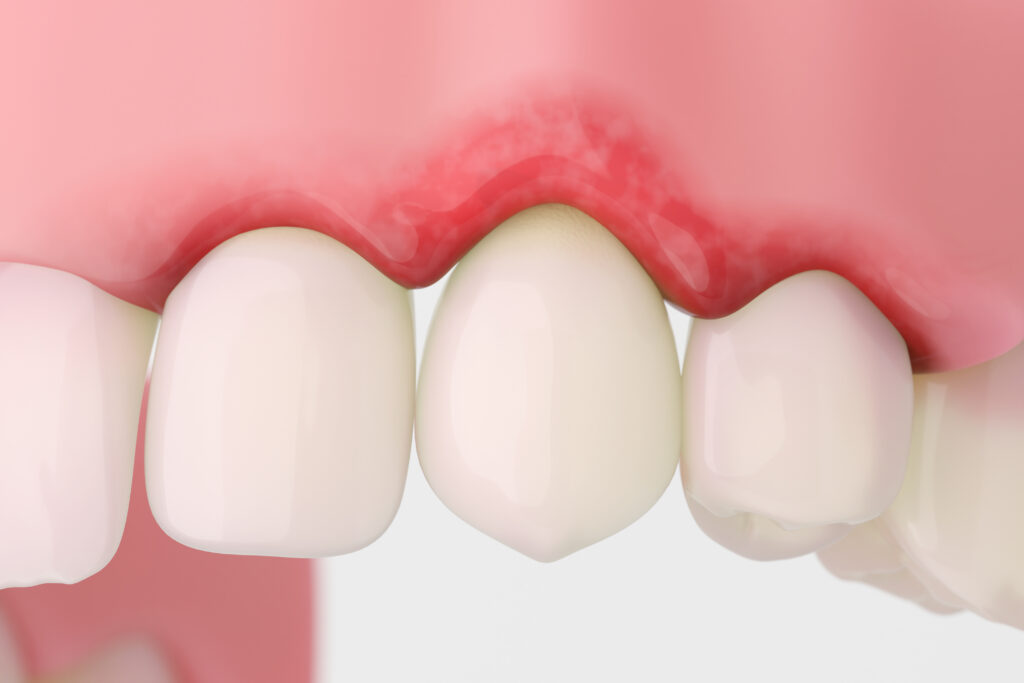
Gingivitis

Periodontitis

Advanced periodontitis
How is periodontal inflammatory disease treated?
Periodontal inflammatory disease should be treated correctly by an experienced dental clinic that specializes in the treatment of periodontitis. We at Dynasty Stomatology in Krakow, Poland believe regular dental procedures should be a part of your treatment for removing plaque and tartar. If the gum line infection is severe, pocket reduction or flap surgery becomes essential.
Your dentist may also recommend treatment methods like tooth stabilization, tooth cleaning, and in specific cases regrowth of bone surgery. We provide a wide range of effective and modern treatment options to manage and reverse damage to the tooth root and soft tissue by gum disease.
Price: Gum Treatment in Krakow
-
Prosthodontic consultation
250 PLN
How the Dynasty Stomatology dental clinic's loyalty program works
Learn more about the loyalty program
Step 01
Visit the clinic and scan the QR code at the reception desk
Step 02
Register online — enter your details
Step 03
Receive and accumulate points after each visit
Do you want to undergo comprehensive and safe treatment for gum diseases?
Schedule an appointment!
By clicking the button, you give your agreet your personal data in accordance with privacy policy.
Frequently asked questions about gum treatment
-
Gum treatment is generally pain-free thanks to modern tools and anesthesia. After the treatment, there could be some soreness, but it goes away gradually.
-
The common causes of gum disease are the buildup of plaque in the pockets around teeth, hormonal changes, smoking, and poor oral hygiene.
-
Daily brushing, dental floss, mouthwash, and regular check-ups with your dentist every three to six months will help prevent gum problems in the future.
-
The best treatment for your gums depends on their current condition. For healthy gums, regular professional cleanings (every 6 months), daily brushing, and flossing are key to prevention. If you're experiencing gum disease, treatments range from deep cleaning (scaling and root planing) for early stages to more advanced periodontal therapy for serious cases. We recommend scheduling a consultation at our clinic so we can assess your gums and create a personalized treatment plan tailored to your needs.
-
You can support gum health at home by brushing gently twice a day with a soft-bristled toothbrush, flossing daily, and using an antiseptic mouthwash to reduce bacteria. Saltwater rinses can also help soothe mild gum inflammation. However, if your gums are receding, bleeding regularly, or visibly damaged, home care alone cannot reverse the problem — please visit us for a professional evaluation so we can recommend the right treatment before the condition progresses.
-
To help your gums heal faster, keep the area clean by gently rinsing with warm salt water (half a teaspoon of salt in a glass of water) several times a day, especially after meals. Avoid smoking, alcohol, and spicy or hard foods, as these can irritate the tissue and slow down recovery. Make sure to follow any post-treatment instructions given by your dentist, stay well-hydrated, and get plenty of rest — your body heals best when it's well-nourished and rested. If healing seems slow or you notice signs of infection such as increased swelling or persistent pain, don't hesitate to contact our clinic for a check-up.
-
Yes, you can kiss your boyfriend with gingivitis — it is not a contagious disease in the traditional sense. However, the bacteria that contribute to gum inflammation can be transferred through saliva, so if your oral hygiene is poor, there is a small risk of passing harmful bacteria to your partner. The best thing you can do is visit your dentist for proper gingivitis treatment, maintain good oral hygiene with regular brushing and flossing, and your gums should heal quickly.
-
Gingivitis treatment is usually well tolerated, and the extent of anaesthesia depends on the type of procedure and the patient’s sensitivity. Standard hygiene treatment may cause temporary discomfort, especially when inflammation is active. For deeper subgingival cleaning, the dentist may use local anaesthesia. Before the procedure, it is worth mentioning any anxiety, sensitivity and previous experiences with anaesthesia.
-
The duration of gum disease treatment depends on the diagnosis, the extent of changes and the tissues’ response to therapy. Early inflammation may require hygiene treatment, oral hygiene instruction and a check-up, whereas periodontal disease usually requires staged treatment. Maintenance visits are important after active therapy. The dentist determines their frequency individually, as the problem may recur without regular monitoring.
-
In selected cases, receding gums can be partially or substantially covered with a surgical procedure, but not every recession qualifies for this method. First, its cause must be identified and trauma from brushing, inflammation or other factors must be reduced. The possibility of covering recession depends on anatomical conditions and the type of change. After the examination, the dentist discusses the realistic treatment goal without promising the same result for every patient.
-
Yes, bleeding associated with plaque and tartar may decrease after professional hygiene treatment and improved daily cleaning. However, this is not a guaranteed outcome in every case. If the symptom persists, recurs or is accompanied by tooth mobility, pus or recession, further diagnostics are needed. Hygiene treatment may be part of therapy, but it does not always resolve a deeper periodontal problem.
-
If you suspect periodontitis, it is worth seeing a dentist who performs periodontal diagnostics or a periodontist. Periodontology deals with diseases of the gums, periodontium and tissues surrounding the teeth. At Dynasty Stomatology, the reception desk will help select the appropriate type of consultation based on the reported symptoms. After the examination, the dentist will determine whether conservative treatment, specialist cleaning or cooperation with other dental specialists is needed.
Doctors who perform gum treatment
View all doctors
Anastasiia Danyliuk
General dentist, endodontist
Focuses not only on treatment effectiveness but also on patient comfort. Her main goal is to provide long-term results without the need for repeate...

Yana Tereshchenko
General dentist, endodontist
Cares about both the health and the aesthetic and functional aspects of her patients’ teeth, helping preserve a natural, beautiful smile for years.

Yuliia Rudzynska
Pediatric dentist
Helps children not only maintain healthy teeth but also develop a positive attitude toward dentistry, ensuring fear-free visits.

Borys Minakov
Prosthodontist
His approach focuses on individually tailored treatment plans that not only solve current issues but also prevent future ones. This helps patients ...
Reviews on gum treatment in Krakow
Expert articles on the topic
View all blog-
18.08.2026
8
13 min. read
Causes of gum recession – what does it look like & how to prevent
Receding gums, also known as gingival recession, involve the gumline moving toward the root of the tooth. This can expose…
Read more -
09.12.2025
1295
5 min. read
What is Dental Splinting and How It Can Save a Loose Tooth?
Loose teeth in adults are often a sign that something important is changing in your mouth. This causes a lot…
Read more -
01.09.2025
638
7 min. read
Periodontal disease – causes, symptoms, treatment options
Periodontal disease is one of the most common oral health issues worldwide, affecting millions of people and often developing silently over time. Left untreated, it can lead to serious complications, including tooth loss and systemic health problems. Understanding the causes, recognizing early symptoms, and exploring effective treatment options are essential for maintaining a healthy smile […]
Read more -
01.08.2025
820
5 min. read
What is Periodontology – What Does a Periodontist Do?
Periodontology focuses on the health of the tissues surrounding and supporting the teeth. It plays a crucial role in preventing and treating gum diseases that can affect overall oral health. Understanding the importance of this dental specialty helps maintain strong teeth and gums throughout life. What is Periodontics? Periodontics is a branch of dentistry that […]
Read more





Gum Treatment in Krakow – Diagnostics, Treatment Methods and Consultation
Gum treatment includes the diagnosis and treatment of gingivitis and periodontal diseases, meaning the tissues that hold the tooth in the bone. An early consultation helps identify the cause of bleeding, swelling or recession before inflammation affects deeper tissues.
This service is for adult patients in Krakow, including those who speak Polish, Ukrainian, Russian or English, who have noticed worrying changes in their oral cavity. It is not advisable to try to mask the problem solely with mouthwash or by changing your toothbrush. The symptom should be assessed during an examination.
At Dynasty Stomatology, treatment for gum disease in Krakow begins with a calm consultation, an assessment of tissue health and a discussion of possible treatment stages. The plan should match the diagnosis rather than follow a single approach for every patient.
Which Symptoms Require a Prompt Periodontal Consultation?
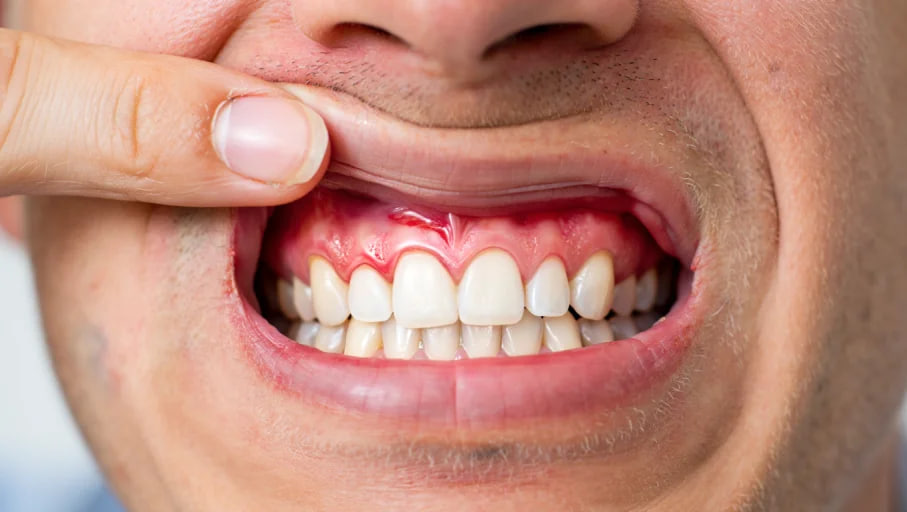
Bleeding while brushing, redness, swelling, tenderness and bad breath often accompany early-stage gingivitis. Recurring symptoms should be reported to a dentist, even if they temporarily subside.
Exposed tooth necks, noticeable tooth mobility, pus near the gum, increasing swelling or pain require more urgent assessment. These symptoms do not make it possible to establish a diagnosis on your own, but you should not delay your appointment.
Does Bleeding Gums Always Mean Periodontitis?
No, bleeding gums alone do not mean periodontitis, but they always require the cause to be identified. They may result from superficial inflammation, accumulated bacterial plaque, mechanical trauma or periodontal problems.
If bleeding recurs despite thorough oral hygiene, appears spontaneously, or is accompanied by swelling or gum recession, a dental examination is needed. Only a clinical examination, periodontal pocket assessment and, where appropriate, imaging diagnostics can determine whether the problem affects only the gums.
Symptoms and Causes of Gum and Periodontal Diseases
Gum diseases usually begin with bacterial biofilm, meaning soft plaque that builds up on teeth, particularly along the gumline. If it is not effectively removed, it can mineralise and form tartar. Inflammation is more likely to persist around these deposits.
In some cases, untreated inflammation may affect the periodontium, meaning the gums, ligaments and bone surrounding the tooth. Risk is increased by factors including smoking, difficulties with daily hygiene, uncontrolled diabetes, family predisposition, and poorly fitted crowns, bridges or other prosthetic restorations.
For bleeding gums in Krakow, the most important step is identifying the source of the problem. Gum disease treatment is not limited to removing visible symptoms; it also involves reducing the factors that sustain inflammation.
Gingivitis vs. Periodontitis – Key Differences
Gingivitis primarily affects the superficial tissues around the teeth. It may cause bleeding, redness and swelling and, once the cause is removed, often resolves without permanent tissue loss.
Periodontitis is a disease of the deeper structures that support the tooth. It can lead to loss of tissue attachment and bone around the teeth. It requires more thorough diagnostics, treatment and long-term monitoring.
Why Does Tartar Contribute to Gum Problems?
Tartar is mineralised buildup that cannot be removed with an ordinary toothbrush or floss. Its rough surface promotes the accumulation of bacterial biofilm at the gumline and sometimes below it as well.
Professional dental hygiene removes deposits above the gums and, depending on the indications, helps clean areas that are difficult to keep clean on your own. However, it does not replace periodontal treatment when inflammation affects deeper pockets.
Who Should Have Their Periodontal Health Checked Regularly?
Regular check-ups are particularly recommended for people with recurring bleeding, smokers, people with diabetes, and those with a family history of periodontal disease. They should also be planned for patients with implants, orthodontic appliances and extensive prosthetic restorations.
The frequency of appointments should not be determined by one rigid rule. After an examination, the dentist will determine whether the patient needs a standard check-up, more frequent hygiene appointments or maintenance visits to preserve the effects of treatment.
What Do Gum Diagnostics and a Treatment Plan Involve?
A specialist periodontal consultation is intended to determine what is causing the symptoms and how advanced the changes are. The dentist takes a medical history, examines the gums, assesses the amount of plaque and tartar, and checks tooth mobility and the condition of existing fillings or prosthetic work.
An important part of the examination is measuring periodontal pockets, which are spaces between the tooth and the gum. When indicated, diagnostics are supplemented with an on-site X-ray. Dynasty Stomatology has digital diagnostic equipment, which makes it easier to plan the next steps without referring the patient to another facility.
The gum treatment plan depends on the cause, the number of teeth affected, the condition of the bone and how the tissues respond to the initial stages of therapy.
Assessment of Periodontal Pockets and Bone Condition
A periodontal pocket is a space assessed during an examination using a gentle periodontal probe. Measurement alone is not a diagnosis—the dentist evaluates it together with bleeding on probing, the appearance of the gums, the presence of deposits, tooth mobility and radiographic documentation.
An image of the bone around the teeth helps assess whether the disease may have affected the tissues supporting the tooth. An X-ray does not replace an oral examination, but it complements it and helps plan gum disease treatment in Krakow appropriately for the patient’s situation.
Individual Treatment Plan and Follow-Up Visits
The plan may include professional hygiene treatment, home oral hygiene instruction, root surface cleaning, pocket treatment and, in selected cases, surgical procedures. The dentist explains why a given stage is recommended, its limitations and how to prepare for the appointment.
Effective treatment requires patient cooperation. Daily cleaning of interdental spaces and follow-up visits help maintain the effects of therapy. Periodontal treatment is rarely a one-time procedure—it usually requires periodic assessment of tissue health.
Treatment Methods for Gingivitis and Periodontal Diseases
Treatment methods are selected after an examination. For superficial inflammation, the foundation is often professional removal of deposits together with hygiene instruction, so that the patient knows how to clean the gumline and spaces between teeth effectively.
When the problem affects deeper tissues, treatment may require root surface cleaning and work within periodontal pockets. The aim is to reduce inflammation and create conditions that support periodontal health.
Periodontal surgery is considered when conservative treatment does not provide sufficient disease control or when there are specific anatomical indications. Eligibility is always preceded by diagnostics and an assessment of the effects of previous treatment.
Non-Surgical Treatment – Professional Hygiene and Subgingival Cleaning
Professional hygiene treatment may include scaling, meaning tartar removal, and, where appropriate, air polishing to remove deposits. These procedures help reduce the amount of tartar and biofilm on tooth surfaces accessible above the gums.
If deposits are located below the gums, the dentist may recommend subgingival cleaning and root planing. The procedure, sometimes referred to as closed curettage, is performed without surgically exposing the tissues. Local anaesthesia may be used when required by the extent of treatment and the patient’s comfort.
Routine hygiene treatment is not automatically a complete treatment for advanced periodontal disease. The scope of care is determined by the examination.
When Is Periodontal Surgery Used?
Periodontal surgery may be needed to gain better access to deeper tissues, treat specific periodontal defects or reconstruct tissues. It is not the first choice in every situation and does not replace daily hygiene or check-ups.
The dentist makes this decision after complete diagnostics and an assessment of the response to non-surgical treatment. Before the procedure, the patient should receive clear information about preparation, anaesthesia, post-procedure recommendations, possible discomfort and the need for follow-up visits.
Gum Recession – Treatment for Exposed Tooth Necks
Gum recession means that the gum margin has moved toward the root, exposing part of the tooth neck or root. It can cause sensitivity to cold and sweet foods, make thorough cleaning more difficult and be an aesthetic concern.
Treatment for gum recession begins with identifying its cause. Excessive brushing, inflammation, a thin tissue phenotype—meaning delicate tissue structure—malocclusion or improper tooth positioning may all play a role. In some cases, it is first necessary to change hygiene techniques or control the inflammation.
Only then does the dentist assess whether conservative treatment, sensitivity treatment or surgery is indicated. Aesthetic gum contouring should not be performed without first analysing periodontal health and anatomical conditions.
What Does Gum Recession Coverage Involve?
Gum recession coverage is a group of mucogingival procedures aimed at improving the position and thickness of tissues around a tooth. In specific cases, the patient’s own tissues or grafts are used to improve gum stability and cover the exposed root surface.
Not every recession can be covered to the same extent. The predictability of the result depends, among other things, on the type of recession, the amount of available tissue, tooth position, hygiene and removal of the factor that caused the problem. The dentist discusses these limitations before qualifying the patient for the procedure.
Cost of Gum Treatment in Krakow and Financing Options
The cost of gum treatment depends on the scope of diagnostics, the number of teeth or areas requiring therapy, and the type of planned procedure. The price of simple hygiene treatment will differ from that of subgingival treatment, therapy for several pockets or a surgical procedure.
The total cost is also affected by follow-up visits and the possible need for staged treatment. For this reason, a reliable estimate should be provided after a consultation rather than solely on the basis of a description of symptoms over the phone.
| Billing item | What may affect the cost |
|---|---|
| Consultation and diagnostics | Scope of examination, radiographic documentation, need for additional assessments |
| Professional hygiene treatment | Amount of deposits, gum condition, scope of cleaning |
| Periodontal treatment | Number of treated areas, depth of changes, method used |
| Surgical procedures | Type of procedure, materials, number of follow-up visits |
| Maintenance care | Individually determined frequency of check-ups and hygiene appointments |
Dynasty Stomatology offers private treatment, as well as the option to spread payments into instalments through MediPay, MediRaty or an internal instalment plan, under terms agreed individually. The scope of any insurance benefits should be confirmed before starting therapy, as not every periodontal treatment is covered.
What Is Worth Clarifying Before Starting Treatment?
During the consultation, it is worth writing down questions and asking for the plan to be explained in simple language. A helpful list includes:
- what the purpose of each stage of treatment is;
- how many appointments the therapy may require;
- which procedures are urgent and which can be planned for later;
- what recommendations apply after the procedure;
- what the estimated cost of the next stages is;
- how often check-ups will be needed;
- what the rules are for private payment, instalments and possible insurance coverage.
A transparent discussion of costs and the scope of treatment allows you to make an informed decision without procedures being imposed on you.
How Can You Book a Gum Treatment Consultation in Krakow?
To begin gum treatment in Krakow, simply contact the Dynasty Stomatology reception desk and request a dental or periodontal consultation. When making your appointment, it is worth briefly describing your symptoms, such as bleeding, swelling, gum recession, tooth mobility or discomfort after hygiene treatment.
Prepare any X-rays you have, records from previous treatment and a list of medications you take if they may be relevant to your oral health. The dentist will assess the condition of your tissues during the appointment and present possible next steps. This article does not replace such an examination.
Booking takes place in a few simple steps:
- Contact the reception desk by phone at +48 123 002 806 or by email: [email protected].
- Choose a consultation appropriate for your gum problems.
- Provide information about your most important symptoms and previous treatment.
- Confirm your preferred language of service—the clinic communicates in Polish, English, Ukrainian and Russian.
- After the examination, discuss the diagnosis, schedule, costs and home-care recommendations with the dentist.
The clinic is located at Romanowicza 1/LU3 and Romanowicza 4B in Krakow, and is open Monday to Friday from 8:00 a.m. to 8:00 p.m. and Saturdays from 8:00 a.m. to 2:00 p.m. If you have bleeding gums in Krakow or notice gum recession, book a consultation and identify the cause of the problem before choosing treatment.