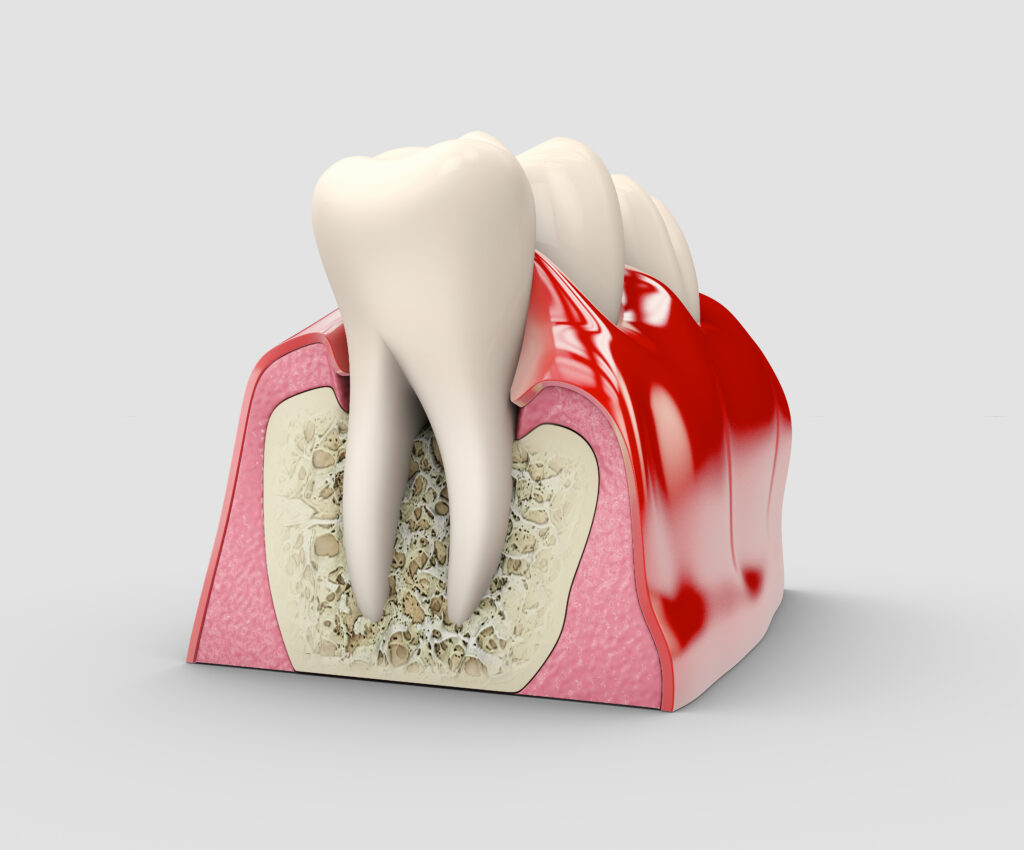


Loose teeth in adults are often a sign that something important is changing in your mouth. This causes a lot of discomfort and further problems, interferes with speaking and chewing, and, unfortunately, can lead to tooth loss.
However, there is a procedure called teeth splinting, which can strengthen the tooth and prevent further damage or loss. At Dynasty Stomatology clinic in Krakow, we use this method as an effective way to strengthen teeth. Tooth splinting is a dental technique that stabilizes teeth by connecting them to adjacent, stable teeth, allowing natural teeth to remain functional and protected.
In this article, we will discuss this method, outline how to prepare for it, and explore its benefits. We will also answer frequently asked questions about loose teeth and splinting.
What Is Tooth Splinting and How Does It Help when Teeth Become Loose in Adults
In simple words, tooth splinting is a dental procedure, with the help of which movable teeth are joined into a single structure with the help of a special splint. Precisely, thanks to this, teeth become more stable, and weakened teeth receive additional support.
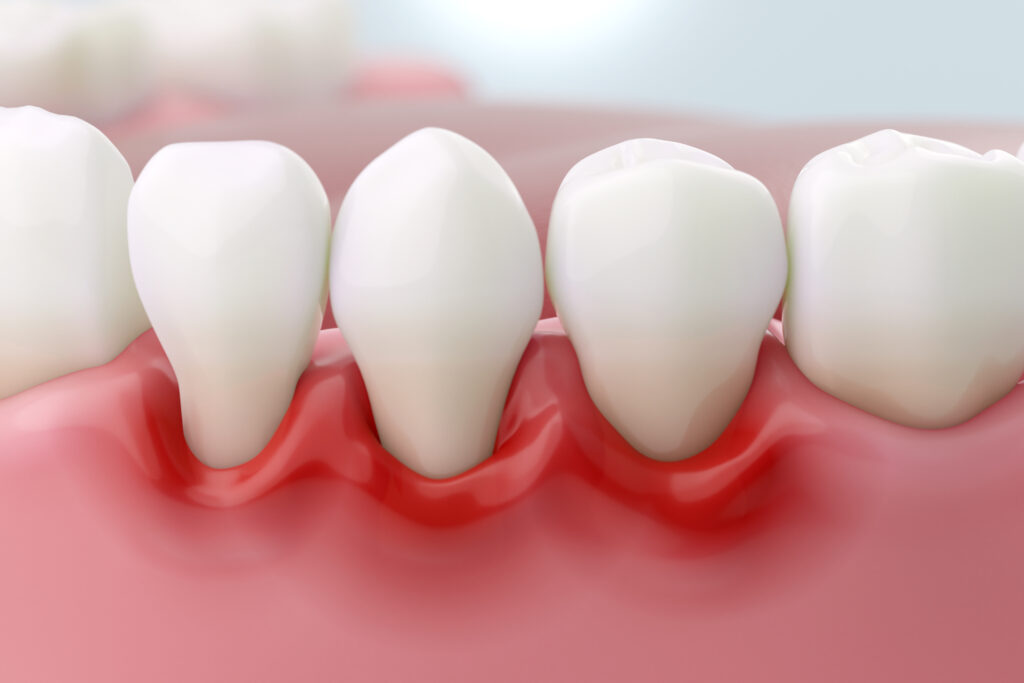
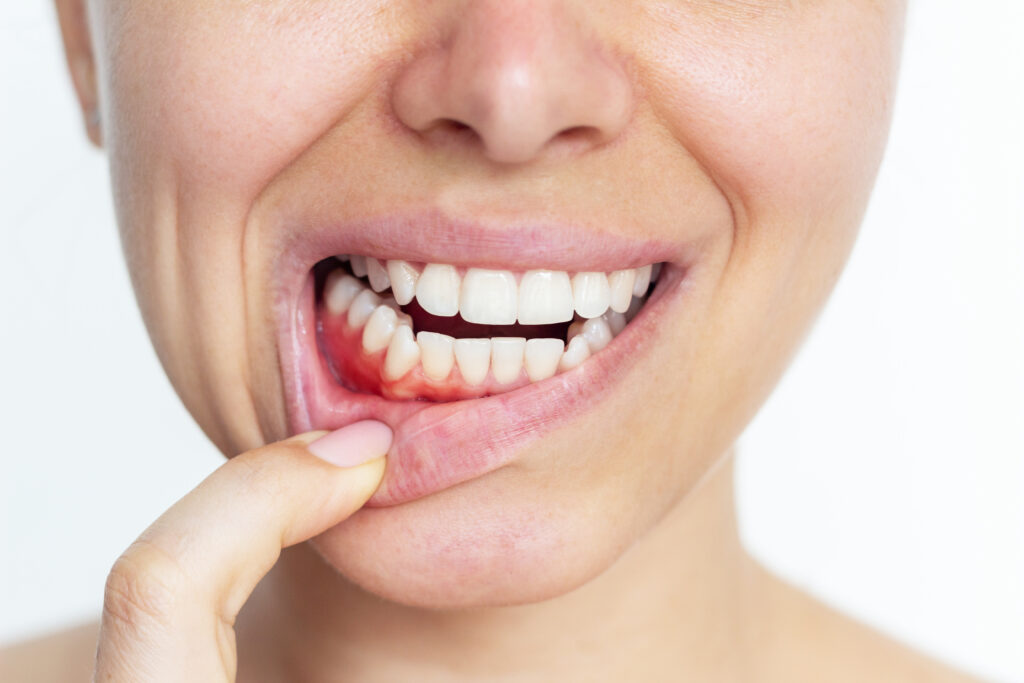
If there is a disease of the gums, or teeth become loose, then this method can help correct these problems.
Common Reasons Why loose teeth in adults happen and How Teeth Become Unstable
Most often, loose teeth do not occur without a reason. This is mainly due to the following reasons:
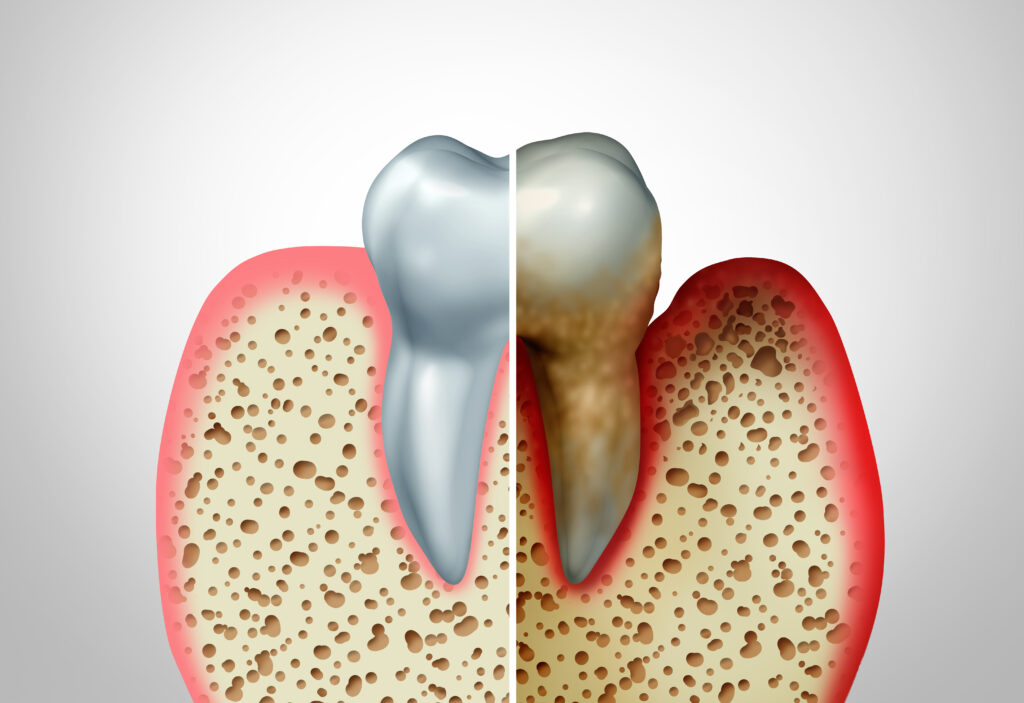
- periodontal disease is the main leading cause of loose teeth;
- trauma or the situation of loose tooth after trauma;
- teeth grinding (bruxism);
- bite disorders that can lead to tooth loss;
- gum recession loose teeth;
- periodontal ligament damage.
In such cases, teeth may lose their support and need periodontal stabilization.
Understanding Tooth Mobility: Stages and When Teeth Become a Concern
There are three stages of tooth mobility. Determining the stage helps determine the optimal treatment.
- Grade 1 — mobility up to 1 mm
- Grade 2 — 1–2 mm
- Grade 3 — more than 2 mm or vertical mobility
For loose teeth with Grades 1–2, treatments like tooth splinting often produce good results. And in this case, splinting procedure works.

When Tooth Splinting Is Recommended to stabilize the Tooth and Protect Dental Health
Tooth splinting is recommended in situations where the patient’s tooth can still be saved. Splinting provides support to the tooth, restores its function, and prevents further deterioration of the condition. Below, we will consider cases in which splinting is the optimal solution.
- Grade 1–2 mobility with healthy adjacent teeth;
- Dental trauma splinting after an impact;
- As part of active periodontal treatment;
- For functionally or aesthetically important teeth;
- Splinting after injury to restore stability.
When Splinting May Not Work for Severely Mobile Teeth and What It Can Mean for Tooth Loss
Unfortunately, splinting doesn’t help in all cases. Sometimes injuries or tooth loosening can require surgical intervention.
- Severely loose teeth (Grade 3);
- Advanced periodontal disease with severe bone loss;
- Significant crown damage;
- Insufficient support from adjacent teeth;
- When a dental implant may be a more reliable solution.
What Are the Benefits of Splinting Procedure?
Splinting treatment for loose teeth significantly improves a patient’s quality of life. It provides comprehensive strengthening of the dental arch and helps prevent surgical intervention.
Here are the main benefits of splinting loose teeth:
- Immediate stabilization: the splint quickly secures loose teeth and prevents further movement. After this procedure, you can eat and talk without any problems.
- Pain reduction: limiting tooth movement helps reduce periodontal ligament irritation and inflammation.
- Improved Functionality: teeth become more stable, allowing normal chewing and distributing the load on adjacent stable teeth.
- Prevention of Further Damage: when installing a dental splint, it will help hold the teeth in place until the tissues are completely restored.
- Enhanced Aesthetics: splinting loose front teeth helps prevent tooth displacement and aesthetic defects, which in turn preserves the natural appearance and beauty of the smile.
The benefits of Dental Splinting are significant and can greatly impact the function and aesthetic appearance of your teeth.

How Tooth Splinting Is Done at Dynasty Stomatology: Methods of Splinting near You
Our experienced dental team performs tooth splinting procedures according to clinical standards. First, we conduct an examination and diagnosis. Then, we select the appropriate splint type and discuss viable treatment options, taking into account all dental concerns. Then, we perform the following steps:
1. Preparation
- Professional cleaning and brushing of your teeth
- Isolation of the area
- Light surface preparation
2. Splint Material Placement
- Application of a bonding agent
- Use of dental splinting materials: wire, composite resin, or splinting with fiberglass
- Shaping the surface for comfort
3. Curing and Adjustment
- Light curing
- Checking the bite
- Polishing the surface of the teeth with composite
Aftercare Instructions
- For the first 1-2 days, try to avoid hard, crunchy, or sticky foods to avoid damaging the splint.
- Brush your teeth gently, paying attention to each tooth without damaging the gums or the splint.
- Use special tools or brushes recommended by your dentist to keep the area around the splint clean.
- Also, be sure to visit your dentist for a checkup to check the condition of the splint and the stability of your tooth.
Following all the instructions will help you prevent tooth loss.
Alternatives to Tooth Splinting
If you would like to consider other dental restoration options besides splinting, we offer the following solutions:
- Advanced periodontal care
- Dental implants
- Other tooth restoration options
- Dental bridges for missing teeth
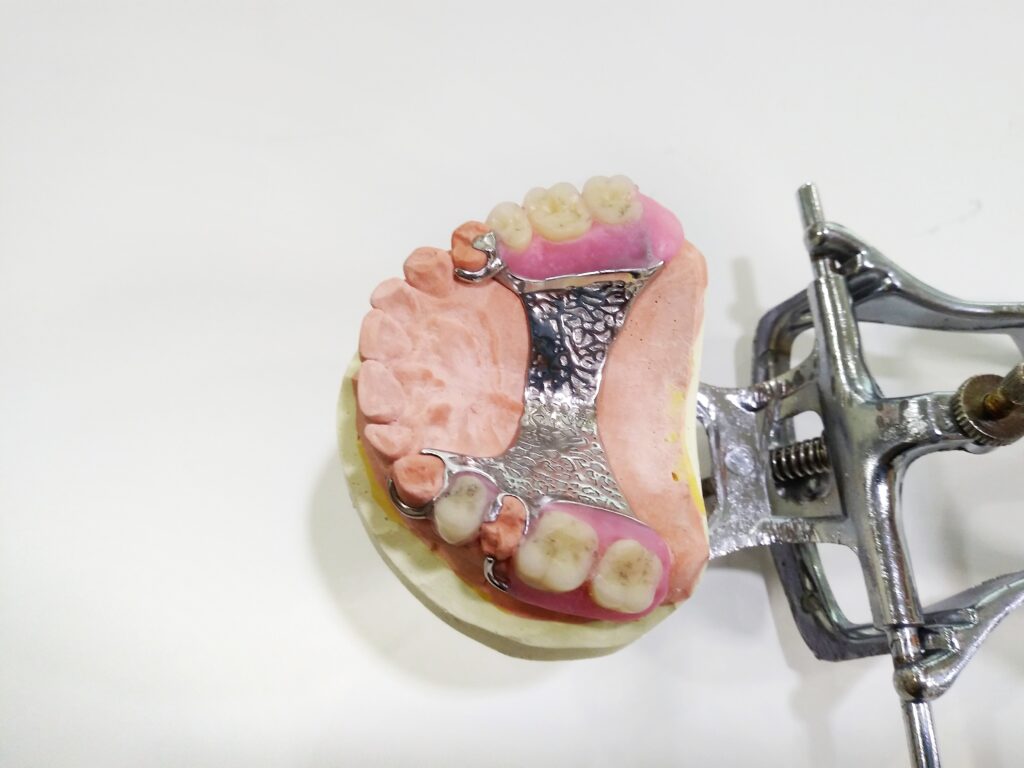
- Partial dentures for several missing teeth
- Complete mouth rehabilitation for extensive dental problems
A Reliable Solution to Stabilize Loose Teeth
We can say that splinting is an effective and safe way to quickly stabilize loose teeth, reduce discomfort, and preserve the beauty of your smile. At Dynasty Stomatology, we will conduct a complete diagnosis of your teeth and select the right treatment to solve your problem. We use only the best materials and methods to ensure your teeth remain functional and protected.
Schedule a consultation at Dynasty Stomatology, as timely treatment will preserve the functionality of your teeth and help prevent future problems.
Frequently Asked Questions About Splinting Loose Teeth
-
No, splinting is usually painless. You may feel slight pressure during the procedure, but your dentist may use local anesthesia if necessary. Even in situations requiring broken tooth support, the discomfort is minimal.
-
The lifespan depends on the type of splint, your oral hygiene, and the amount of pressure placed on your teeth. A temporary tooth splint can last several weeks or months, while a permanent tooth splint, with proper care, can last several years. Good hygiene and neatness prolong splint longevity.
-
Splinting cost depends on what splinting materials dental used and the complexity of the procedure.
-
For the first 24–48 hours, it’s best to avoid hard, sticky, or crunchy foods so you don’t disrupt tooth stabilization treatment. Softer foods are recommended.
-
Yes, this is an effective treatment that strengthens loose teeth and helps prevent further deterioration. It is especially helpful when teeth can become unstable due to inflammation or trauma.
-
No, it’s considered gentle. Even if you have gum disease, the doctor will perform everything with the utmost care.
-
A temporary tooth splint is used as an emergency dental splint after injury, while a permanent splint is used for long-term stabilization of chronically loose teeth.
-
Splints can be made of composite resin, wire, or fiber. Composite resin is aesthetically pleasing and comfortable, the wire provides strong hold, and the fiber splint is flexible yet durable.
-
The procedure is short and usually completed in one dental visit, lasting from 30 minutes to 1–2 hours, depending on complexity. This applies to both back teeth and splinting for front teeth.
-
Allergic reactions are extremely rare. Complications may occur if the supporting teeth have underlying problems.
-
Practice good oral hygiene, avoid hard, sticky, and crunchy foods, attend checkups, and use the tools recommended by your dentist to clean around the splint.
-
Please, don’t remove the splint yourself. Only a dentist should do this, as improper removal can affect how teeth become aligned and may worsen the situation. If you’re unsure how to fix a loose tooth, always consult a specialist — they will safely stabilize the tooth.