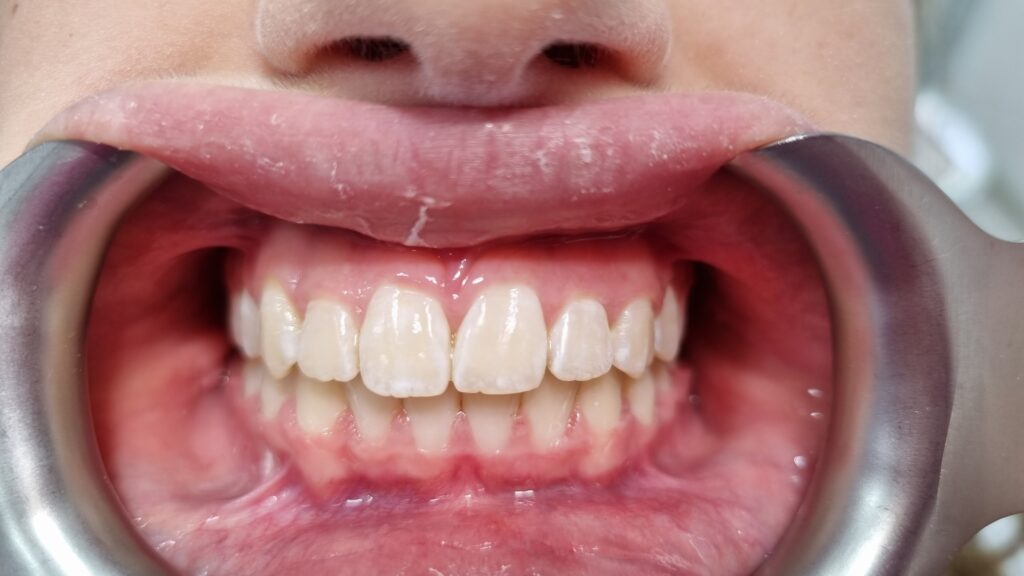
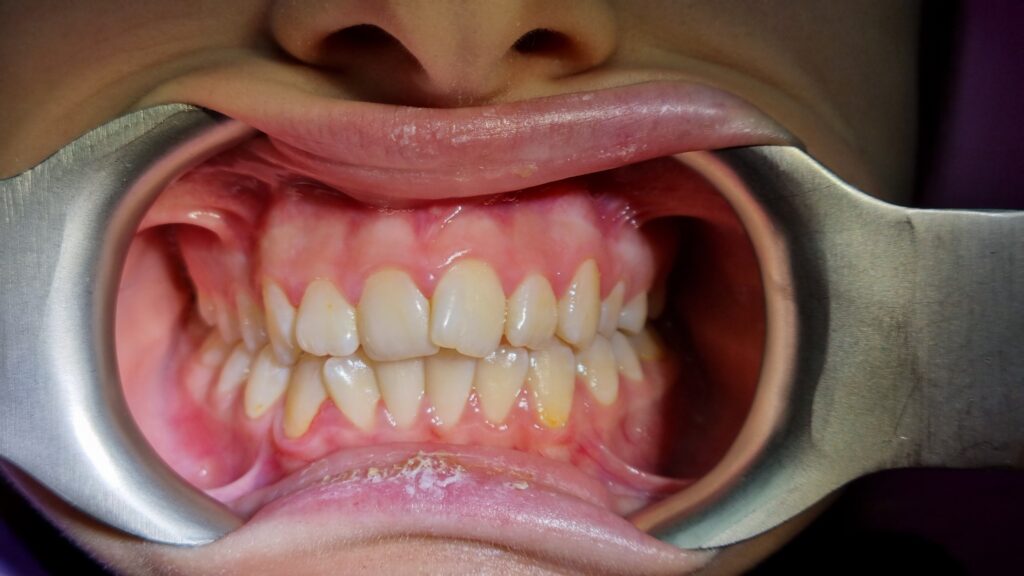
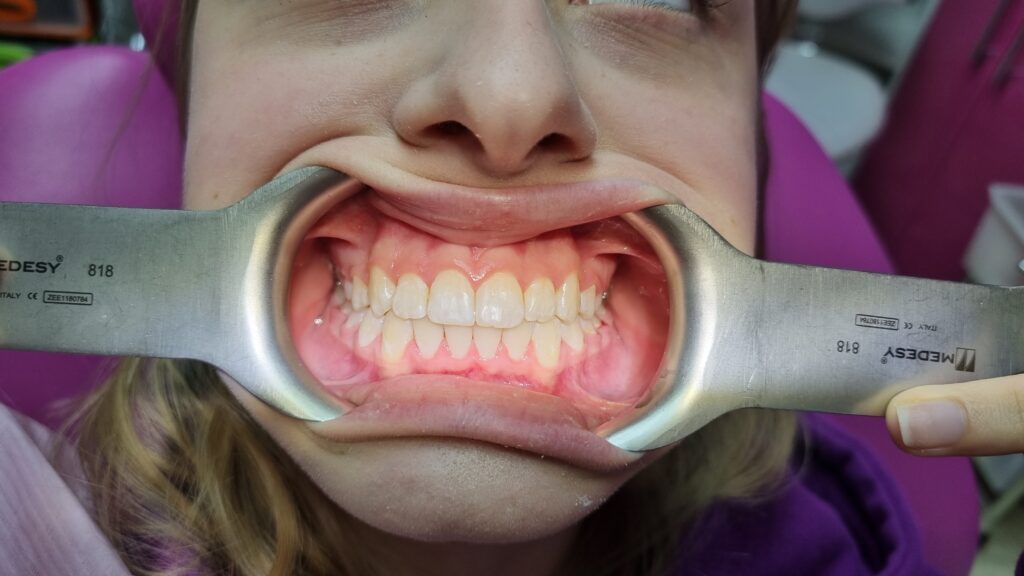
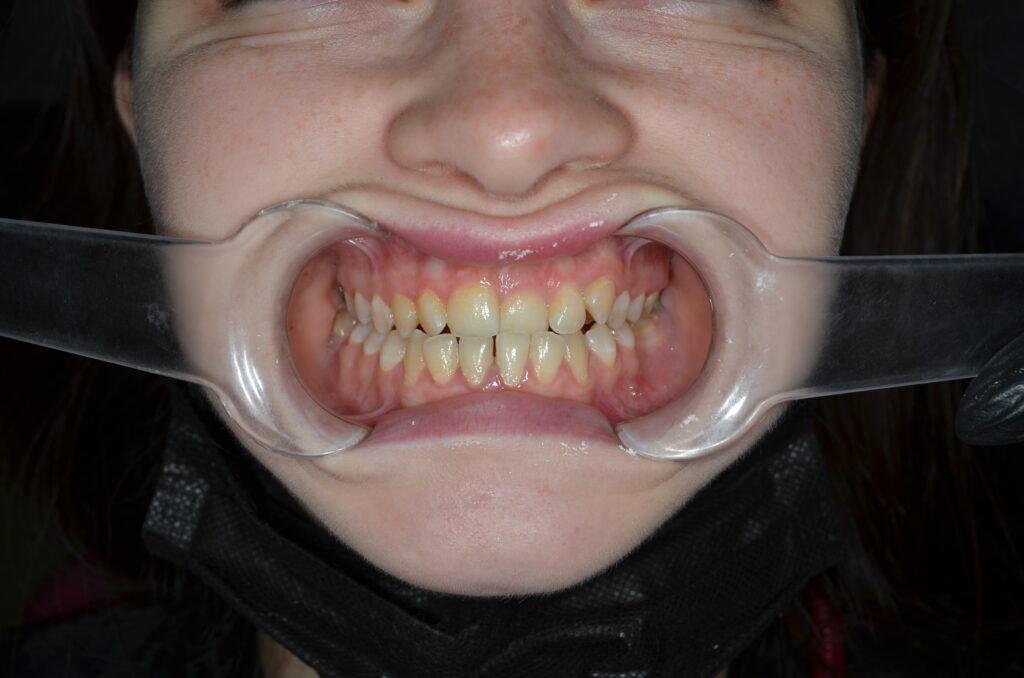
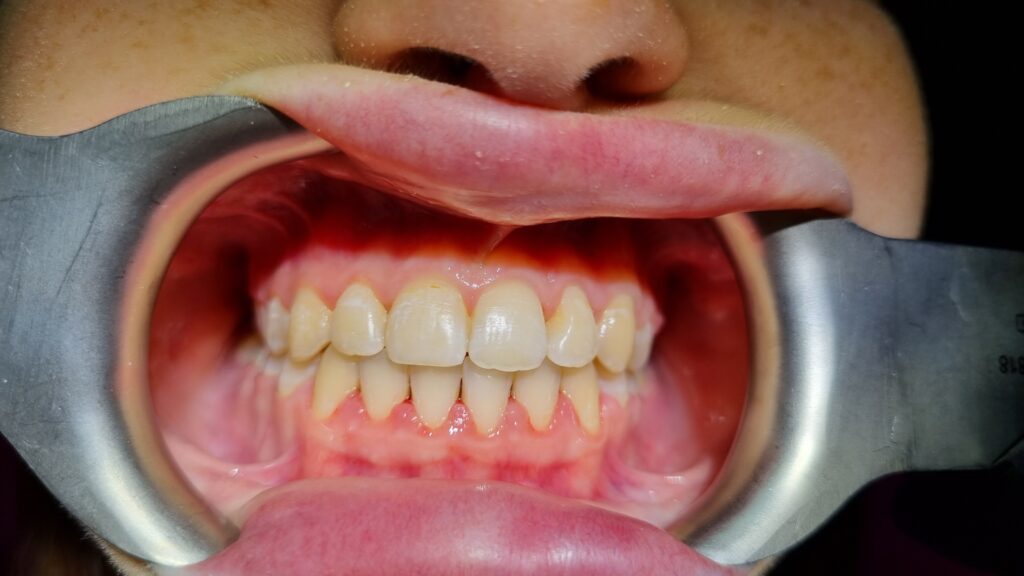
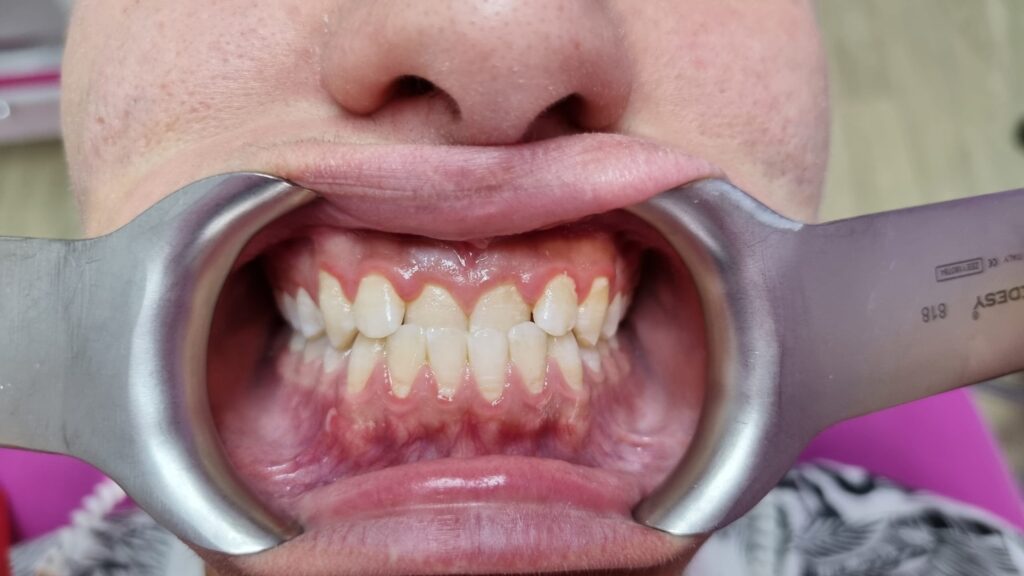
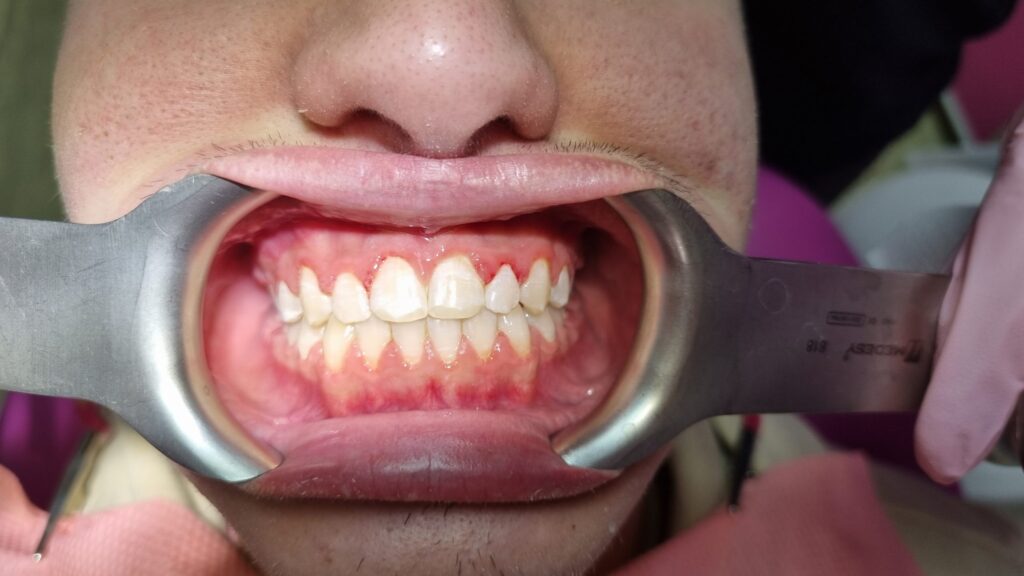
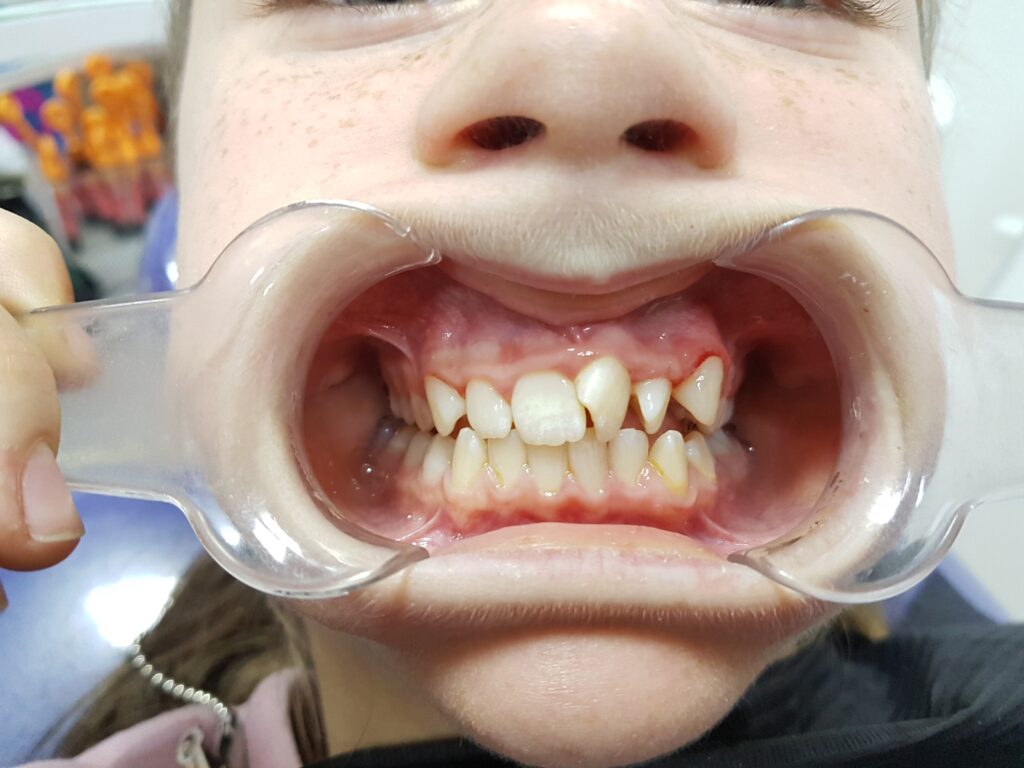
Therapeutic Dentistry Krakow – Tooth Decay Treatment and Fillings at Dynasty Stomatology
Therapeutic dentistry is treatment aimed at stopping tooth decay, removing affected tissue, and restoring the tooth, most often with a light-cured filling. It helps preserve the health, function, and appearance of your natural teeth for as long as possible.
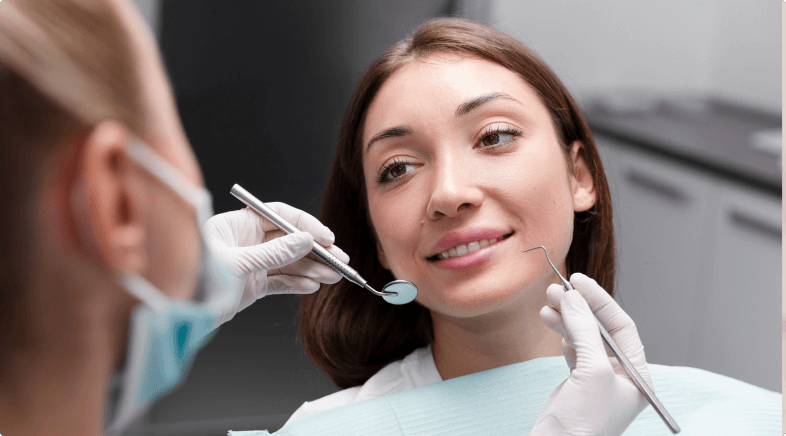
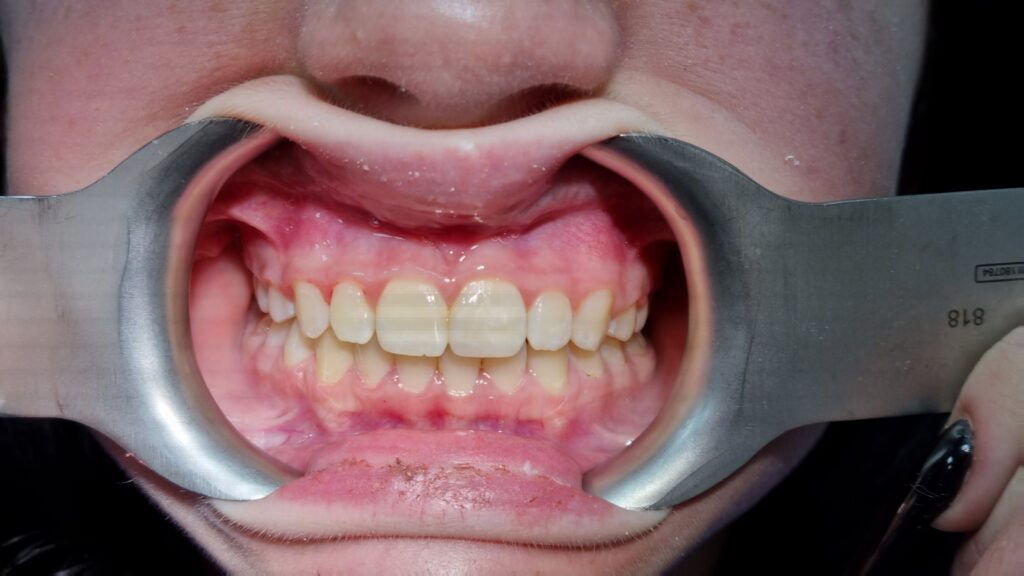
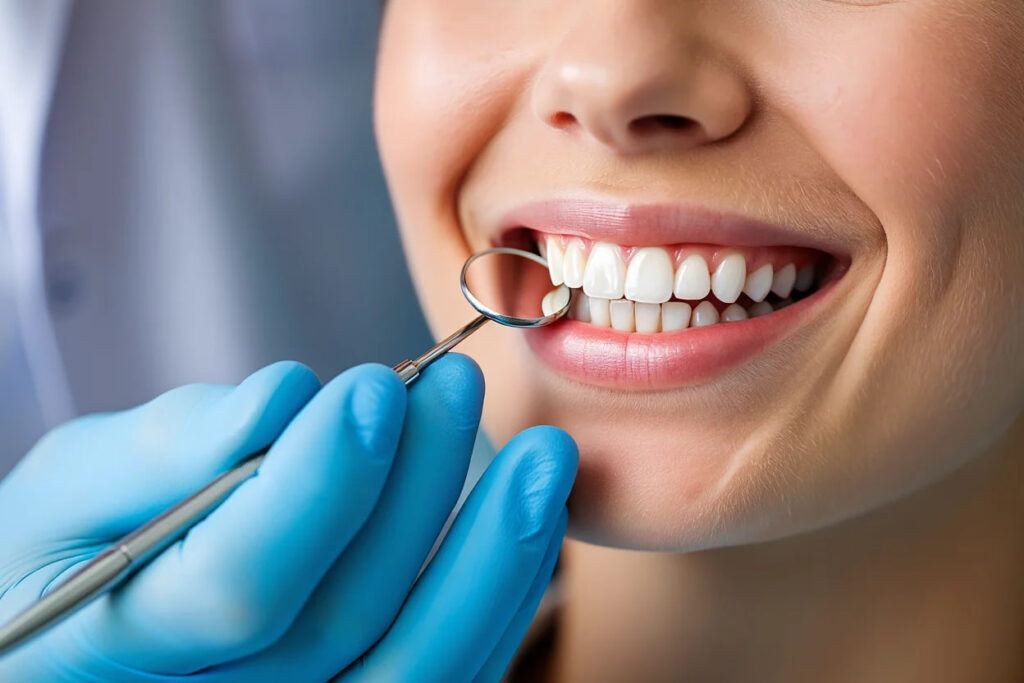
At Dynasty Stomatology in Krakow, therapeutic dental treatment begins with an examination and a conversation with the patient. The dentist assesses the condition of the teeth, gums, existing fillings, and bite, meaning how the upper and lower teeth meet. Only then do they present a justified treatment plan, the scope of treatment, and expected costs.
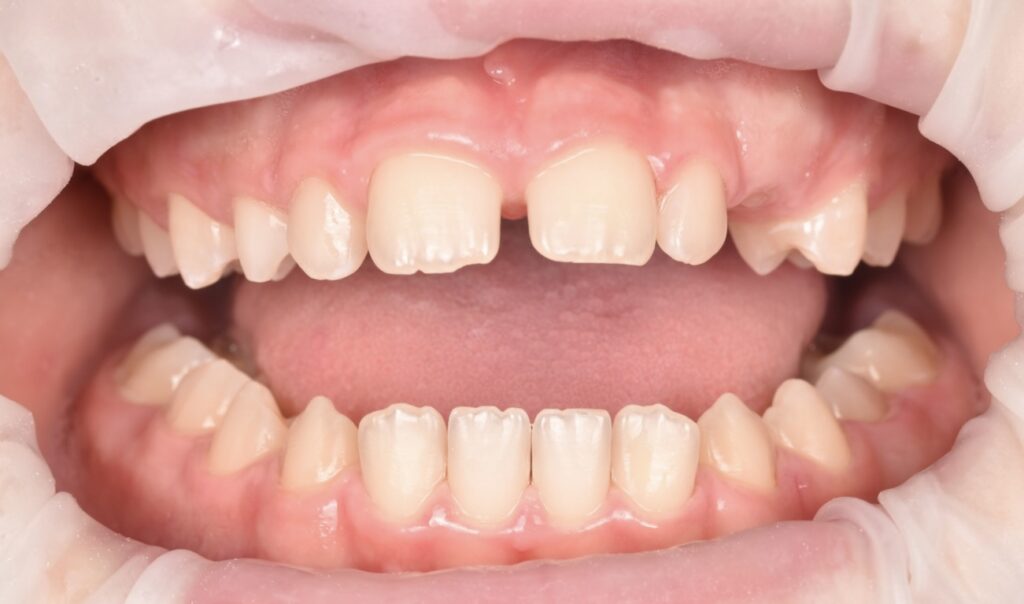
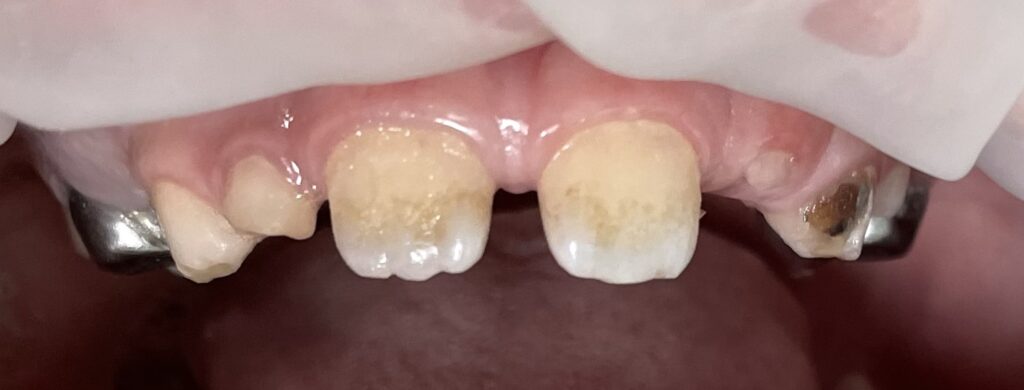
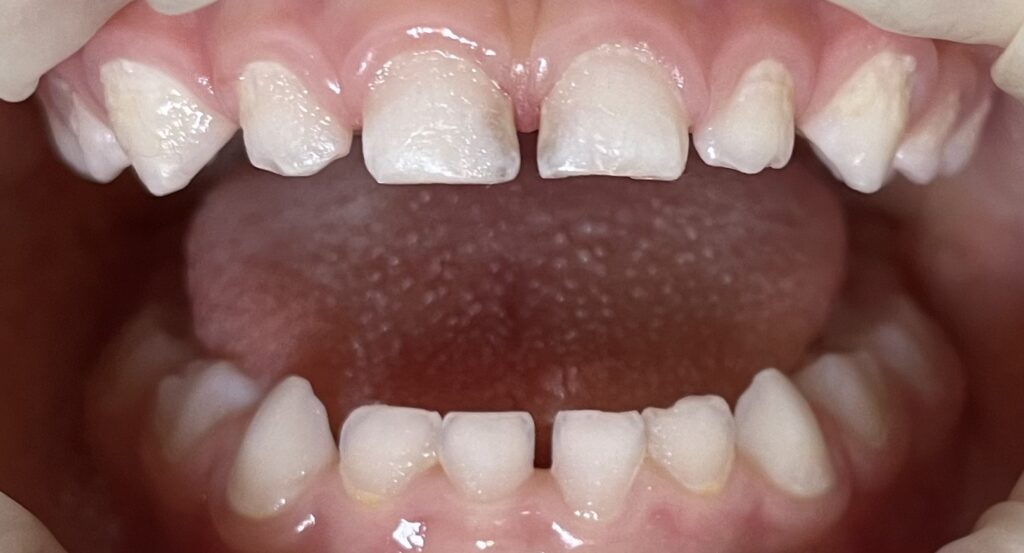
It is worth booking a consultation not only when a tooth hurts. Help is also needed in cases of sensitivity, discoloration, chipped enamel, a cracked old filling, or a problem noticed during a check-up. Early intervention usually makes it possible to preserve more of the tooth’s natural tissue.
Therapeutic dentistry and general dentistry
Therapeutic dentistry is often referred to as general dentistry. In everyday language, the two terms are sometimes used interchangeably because they concern basic care for the health and appearance of teeth.
This primarily includes detecting and treating tooth decay, replacing leaking fillings, restoring damaged tooth tissue, and preventive care. If the examination shows the need for more specialized treatment, the dental clinic may arrange a consultation with the appropriate specialist, such as an endodontist who performs root canal treatment.
When to see a therapeutic dentist
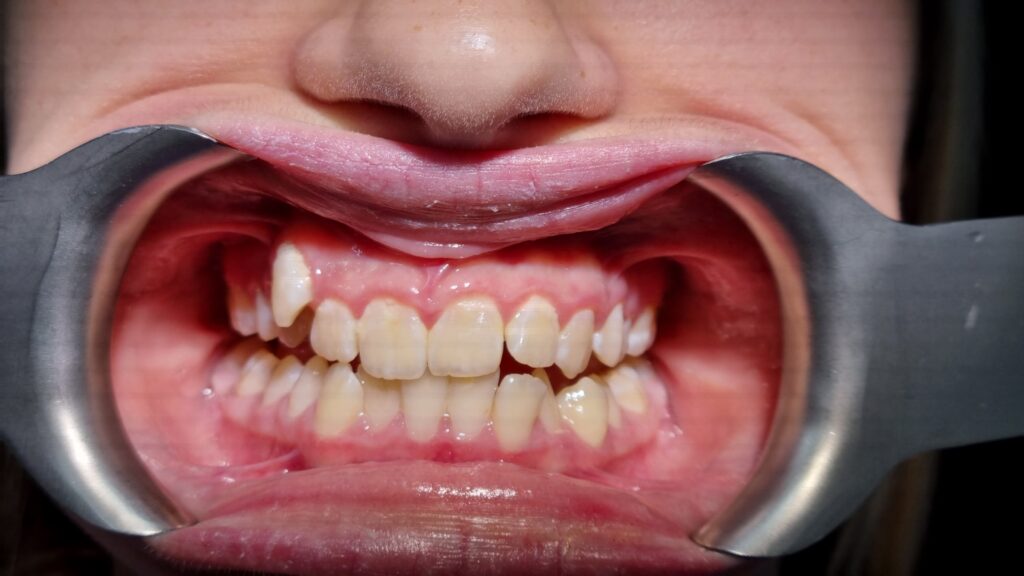
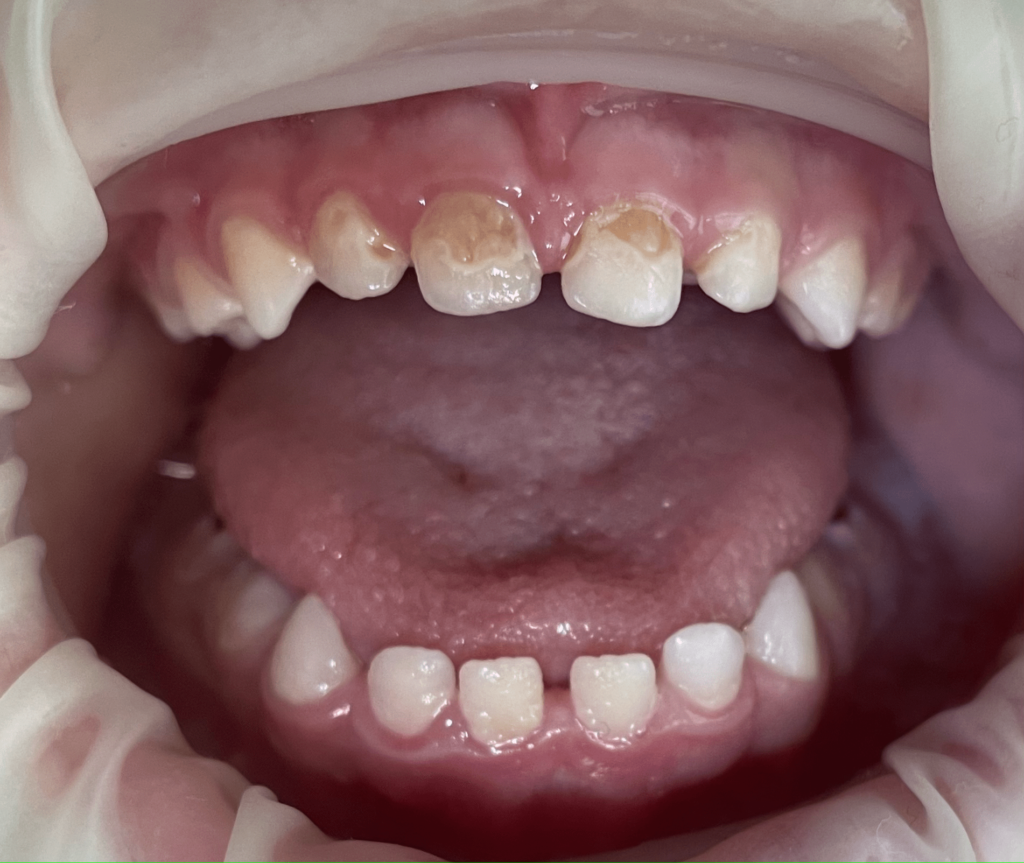
It is worth seeing a dentist if you experience pain while biting, sensitivity to cold or sweet foods, a dark spot on a tooth, or visible chipping. A filling that feels rough, cracked, loose, or causes discomfort when biting also requires an examination.
Tooth decay in its early stages does not always hurt. Therefore, people who have not had a check-up for a long time should also schedule a dental examination. An assessment makes it possible to evaluate the situation before the problem becomes extensive.
What tooth decay treatment and filling cavities look like
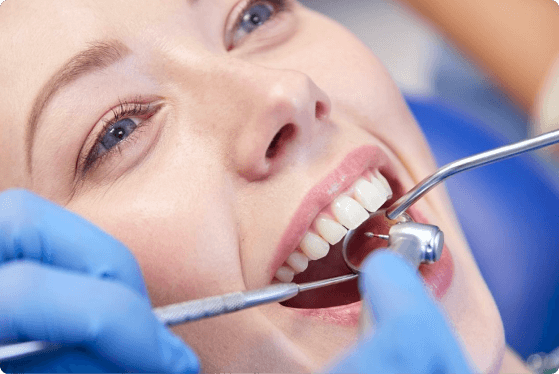
Treating tooth decay is not only about placing a filling. First, the dentist determines how deep the decay is, then cleans the tooth and restores the missing portion so that you can bite comfortably and maintain good oral hygiene.
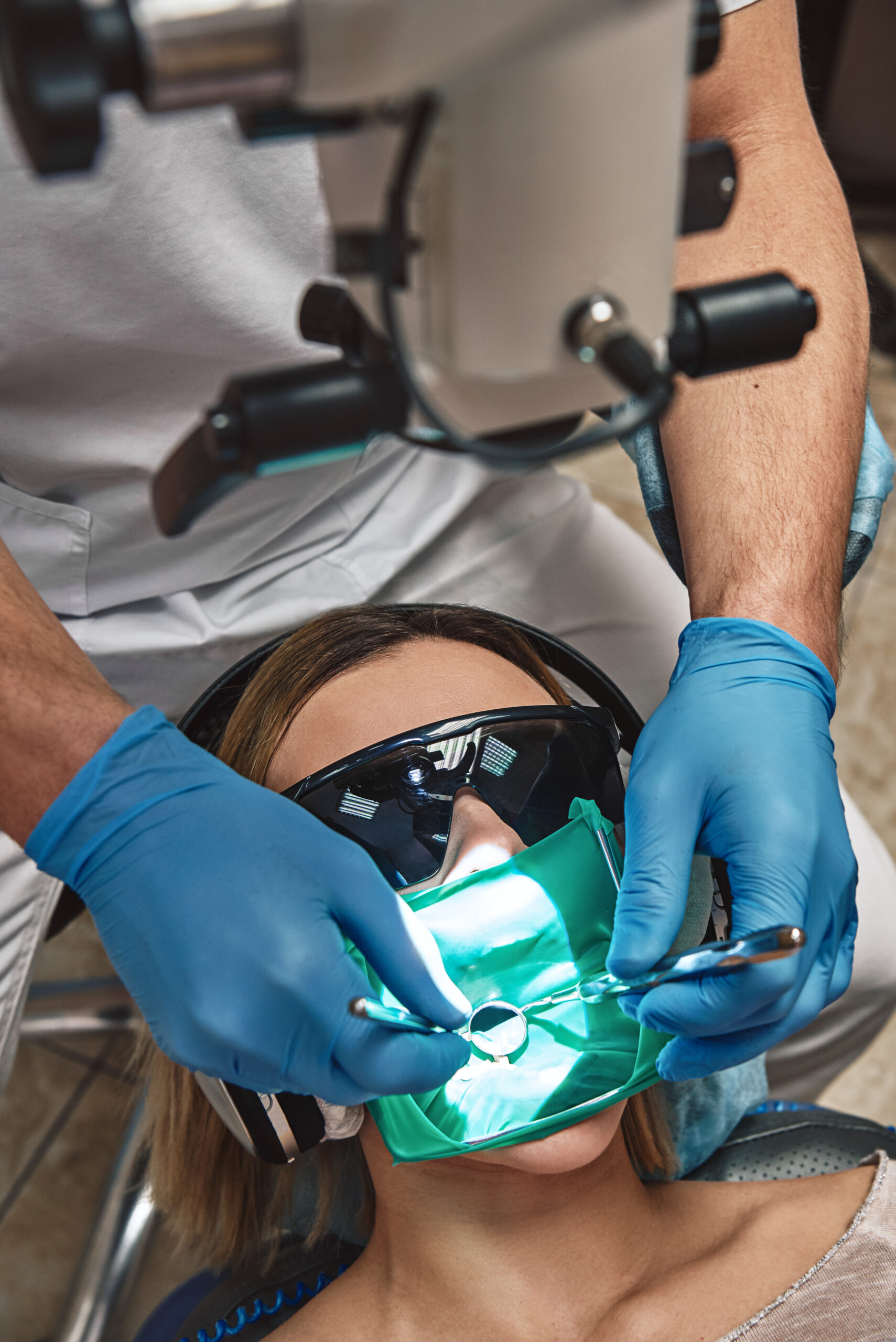
A typical appointment takes place in stages:
- An interview about symptoms, general health, and previous treatment experiences.
- An oral examination and assessment of the tooth.
- Diagnostic imaging if the examination does not allow the depth of the lesion to be determined with confidence.
- Removal of tooth tissue affected by decay.
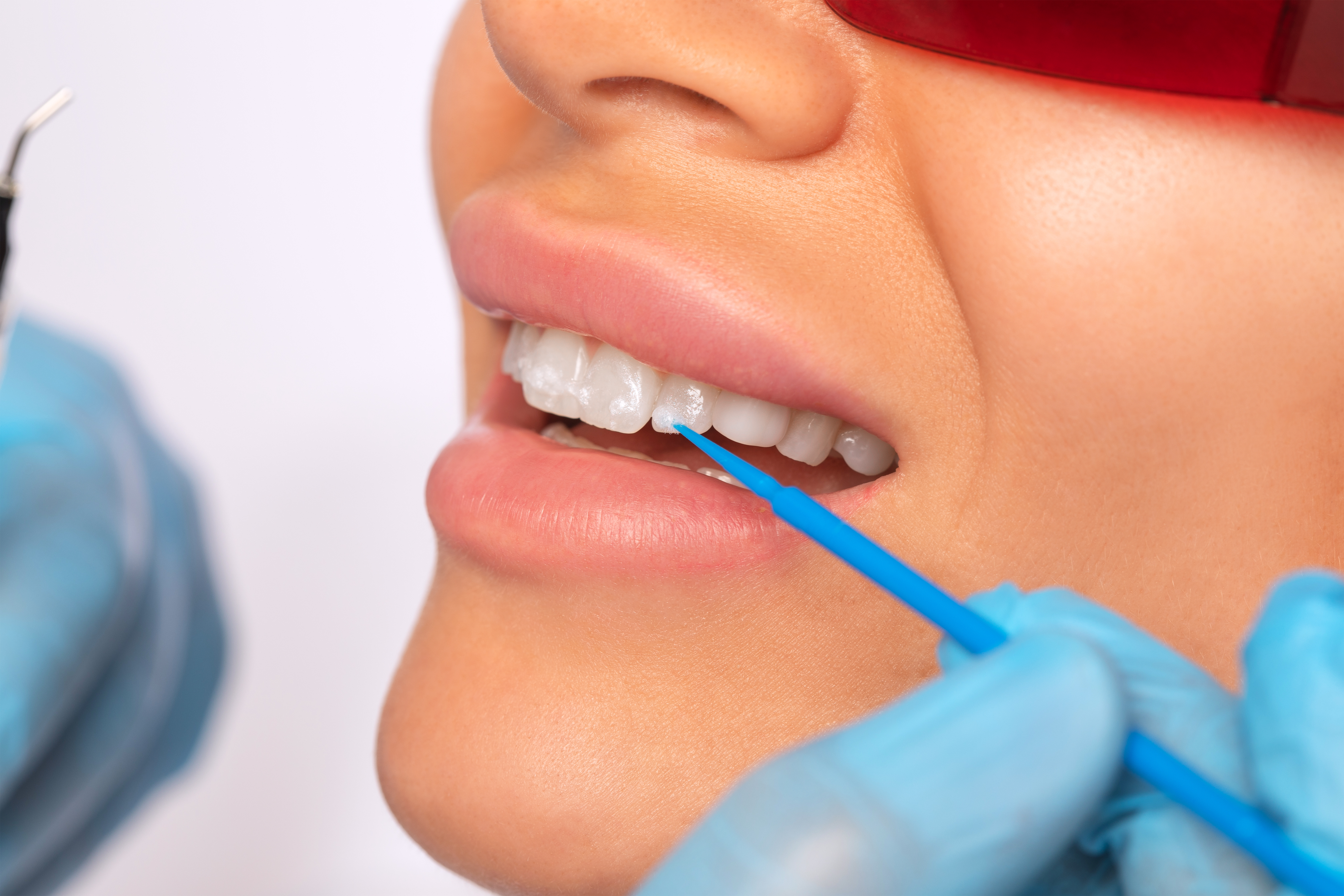
- Restoration of the cavity with composite material.
- Bite check, smoothing of the restoration, and assessment of patient comfort.
The scope of the procedure depends on the location and size of the cavity. A small lesion requires different treatment from a cavity located close to the pulp—the living tissue inside the tooth.
Diagnostics and deciding on the scope of treatment
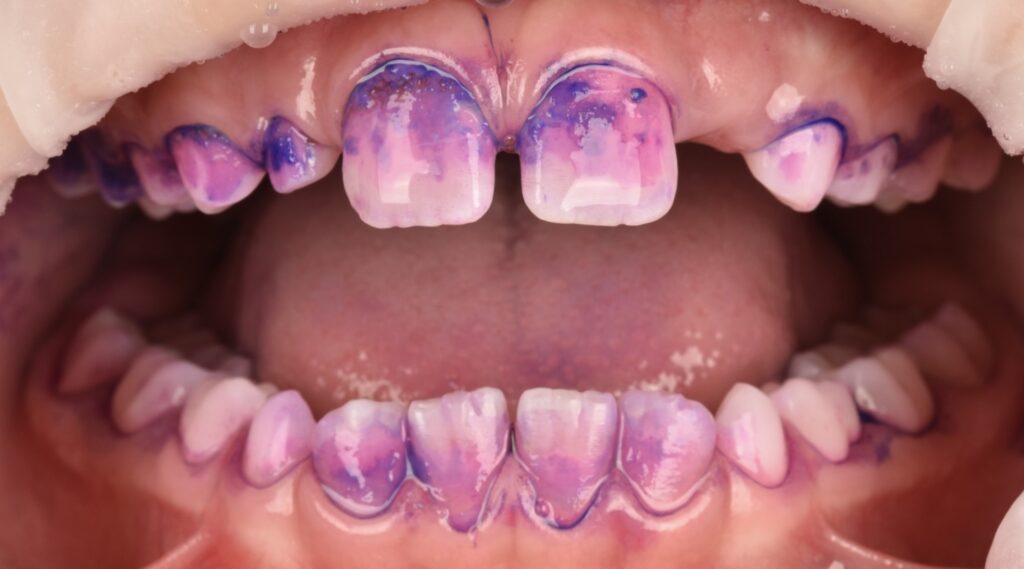
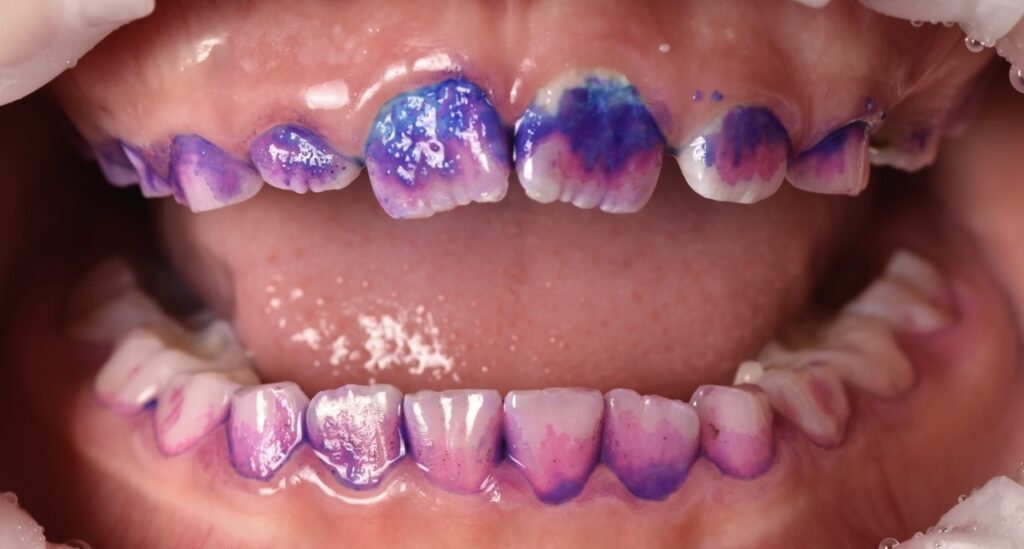
A dental check-up makes it possible to detect visible cavities, leakage around older fillings, and changes in hard-to-reach areas. The dentist may also assess the condition of the gums and areas where the patient finds it more difficult to remove plaque effectively.
In selected cases, an X-ray is necessary. It helps assess changes that are not visible to the naked eye, for example between teeth or underneath an existing restoration. Not every first appointment ends with treatment—sometimes comprehensive diagnostics and a discussion of the plan are needed first.
Anesthesia and comfort during treatment
Local anesthesia may be used during tooth decay treatment, especially when the cavity is deep, the tooth is sensitive, or the patient experiences severe anxiety about the procedure. The dentist chooses the appropriate approach after the interview and examination, taking the patient’s health condition into account.
Before your appointment, it is worth mentioning any concerns, unpleasant previous experiences, as well as illnesses and medications you take. Dynasty Stomatology places emphasis on reducing pain and patient tension and, where there are specific clinical indications, also offers solutions for people with severe dental anxiety. The scope, contraindications, and cost of anesthesia should be confirmed with reception or during the consultation.
Composite fillings – durability, function, and a natural appearance
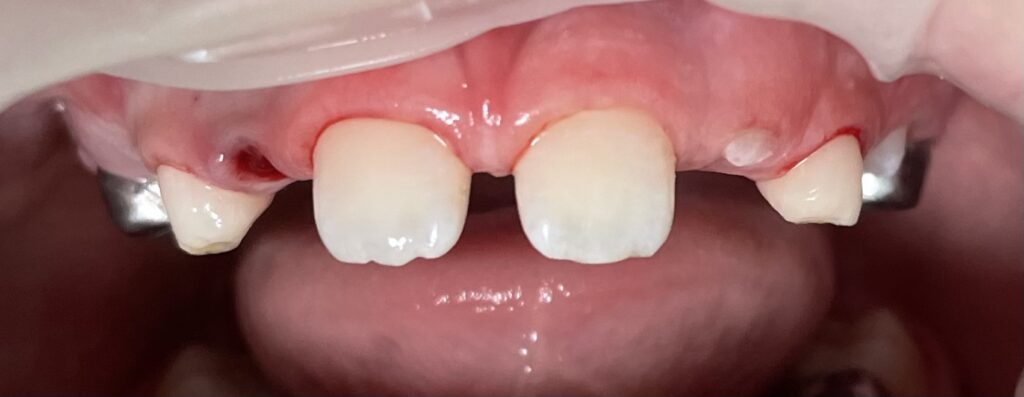
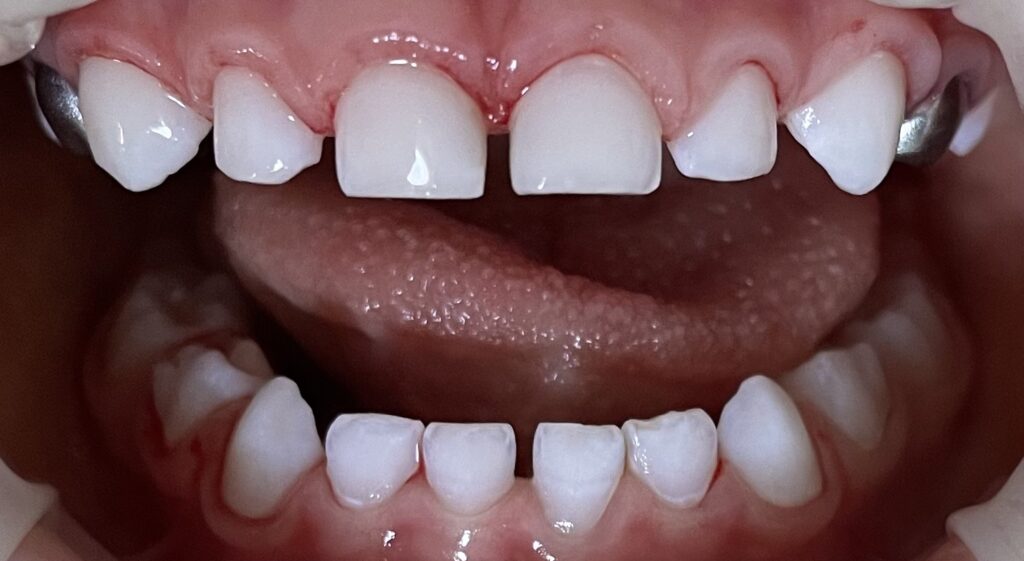
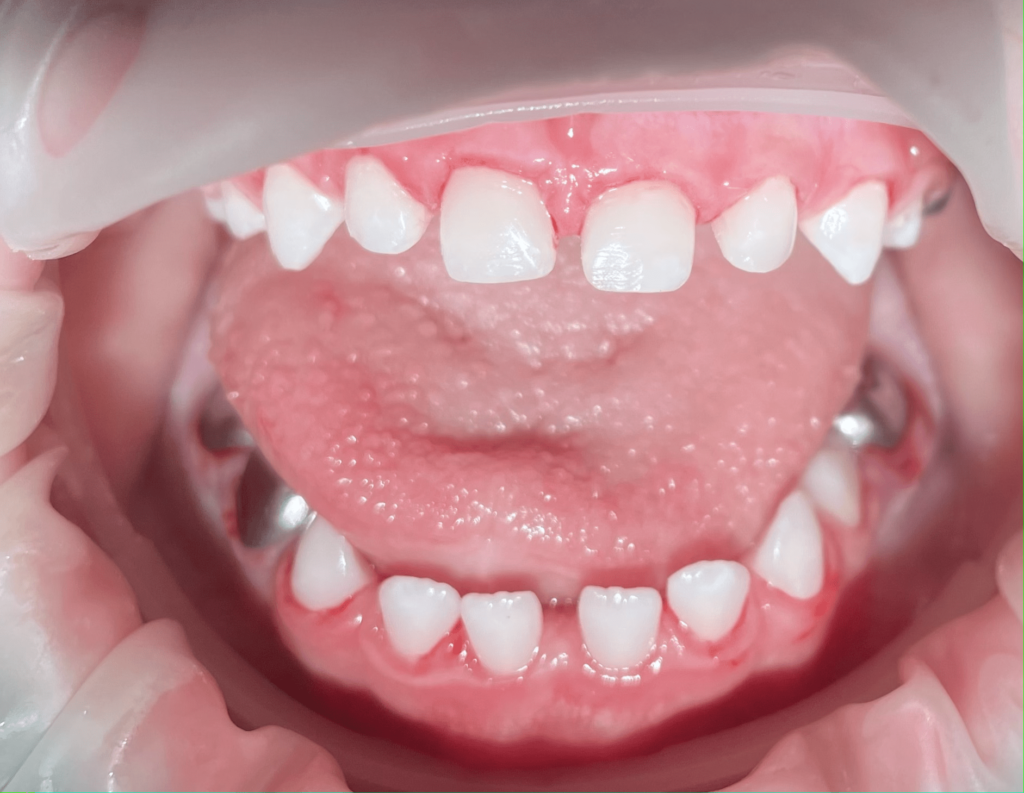
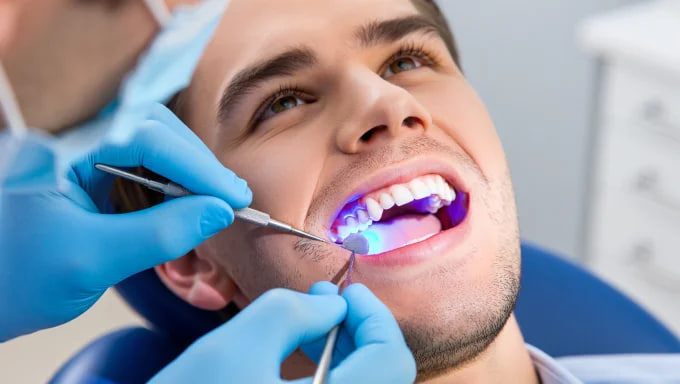
Light-cured fillings are restorations made from composite materials, which the dentist applies in layers and hardens with light. They are used to restore the area after decay has been removed or following minor tooth damage.
A well-made filling should seal the cavity tightly, restore the shape of the tooth, and not interfere with the bite. In the visible smile area, matching the color to the surrounding enamel is also important. However, the aesthetics of the teeth should not overshadow function—the restoration must allow normal biting and cleaning between the teeth.
The durability of a filling varies from person to person. It is affected, among other factors, by the size of the cavity, its position in the dental arch, chewing forces, teeth grinding, home oral hygiene, and regular check-ups. Composite material requires monitoring over time, just like natural teeth.
Why the color and shape of a filling matter
When selecting a filling, the dentist considers the shade of the tooth, its natural grooves, and contact with neighboring teeth. This is particularly important for front teeth, which are visible when speaking and smiling.
The restored shape also helps reduce the buildup of food debris. A restoration that is too high or poorly shaped may cause a feeling of interference when biting, which is why the dentist checks the bite after the procedure. If the patient continues to feel an uneven area after the appointment, they should contact the clinic.
How to care for a tooth after receiving a filling
After a restoration, you should continue daily brushing and clean between your teeth thoroughly using floss, interdental brushes, or another method recommended by your dentist. The patient receives detailed instructions after the procedure, as they depend on the location and extent of the restoration.
Short-term sensitivity may occur, especially after treatment of a deeper cavity. Increasing pain, cracking, loss of the filling, or a clearly uneven bite are reasons to contact a dentist. Do not file down or attempt to adjust the restoration yourself.
Why it is worth treating tooth decay early
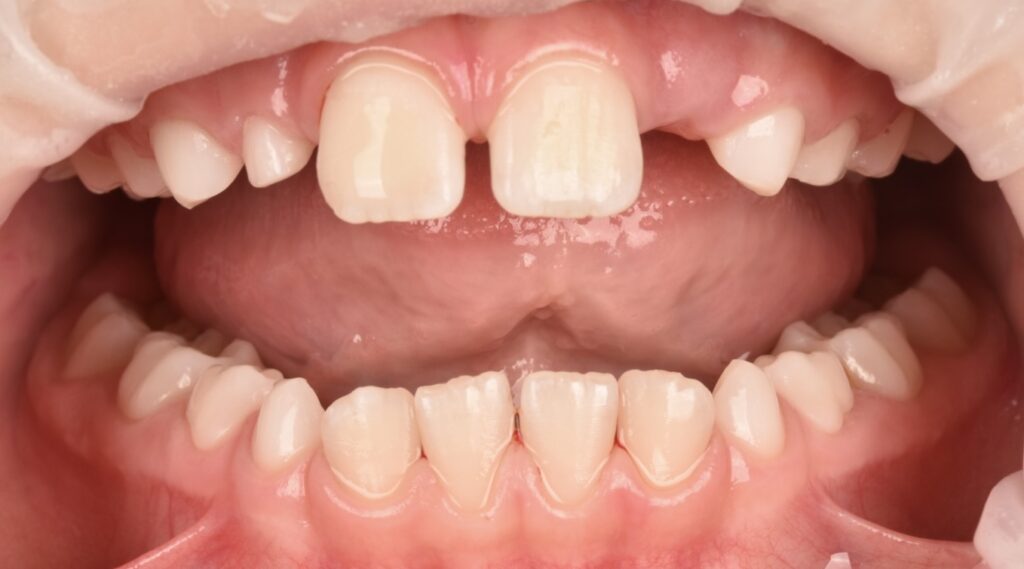
Tooth decay does not reverse through brushing alone once tooth tissue has already been lost. Without treatment, the lesion may grow, increase the risk of pain, and worsen the appearance of the tooth. Early therapeutic treatment protects as much natural tooth tissue as possible.
Regular check-ups give the dentist an opportunity to identify a problem before it requires a more extensive procedure. This does not mean that every darker spot is automatically tooth decay—only an examination can provide an accurate assessment.
A small cavity and root canal treatment
Early detection of tooth decay during regular appointments may make it possible to limit treatment to cleaning a small cavity and placing a filling. When bacteria and inflammation affect the pulp, endodontic treatment, or root canal treatment, may be needed.
Root canal treatment is not a mistake or a “failure” on the part of the patient. It is a method used when the condition of the tooth requires it and when it provides an opportunity to preserve the tooth. The purpose of acting quickly is simply to reduce the risk that such intervention will be necessary.
Preserving a vital tooth as the goal of treatment
Dynasty Stomatology specialists aim to preserve vital teeth and their natural tissue whenever this is possible and clinically justified. therapeutic treatment can stop the progression of tooth decay, restore a cavity, and bring back comfort while eating.
However, if a tooth requires root canal treatment, extraction, or a consultation with another specialist, the dentist explains the reason for the recommendation and the available options. The treatment plan should be clear, discussed with the patient, and adapted to the actual condition of the oral cavity.
Dental prevention: how to reduce the risk of tooth decay
Preventive dental care helps reduce the risk of tooth decay and detect changes before they become extensive. It is based on daily hygiene and regular dental visits, rather than a one-time procedure.
Practical habits include:
- brushing your teeth with fluoride toothpaste as recommended by your dentist,
- cleaning between your teeth every day,
- monitoring the condition of fillings and gums,
- reporting bleeding gums, sensitivity, or problems with biting,
- following individual oral hygiene instructions after your appointment.
Healthy teeth require consistency. Professional dental hygiene treatment and check-ups do not replace at-home care, but they can identify areas that require more attention.
Dental check-ups and an individual care plan
There is no single appropriate check-up frequency for every patient. The dentist determines it based on the condition of the oral cavity, history of tooth decay, presence of fillings, gum health, and individual hygiene habits.
During a check-up, you can also receive advice on brushing techniques and cleaning between your teeth. Such a care plan is more useful than general advice to “take better care of your teeth.”
How much therapeutic dentistry costs in Krakow
The cost of tooth decay treatment and a filling in Krakow depends on the individual case. The price is affected by the number of teeth treated, the size and location of the cavity, the difficulty of cleaning it, the condition of the previous restoration, and the potential need for additional diagnostics.
| Factor |
Why it affects the cost of treatment |
| Size of the cavity |
Greater loss of tooth tissue usually requires a more extensive restoration. |
| Location of the tooth |
Access to the tooth and the load it experiences while chewing may affect the scope of work. |
| Condition of the old filling |
A leaking or damaged restoration must first be safely removed and the tooth assessed. |
| Diagnostics |
In some cases, an X-ray or other diagnostic assessment is needed. |
| Number of teeth treated |
The treatment plan and estimate concern the full scope of treatment, not just one cavity. |
It is worth checking the current price list for therapeutic dentistry before your appointment. The listed prices are indicative, and the dentist provides an exact estimate after the examination and determination of the treatment plan.
Private treatment and any public funding rules are separate matters. Information about available payment options, including installments through MediPay, MediRaty, or an internal payment plan, is best confirmed individually with reception.
How to book an appointment at Dynasty Stomatology in Krakow
To book a dental appointment in Krakow, contact Dynasty Stomatology reception by phone at +48 123 002 806 or use the contact page. During the call, it is worth specifying whether you are calling about pain, a check-up, replacing a filling, or treatment for a particular tooth.
The next steps are simple:
- You report your symptoms or the purpose of your appointment.
- Reception checks appointment availability and provides organizational information.
- During the examination, the dentist assesses the tooth and decides whether additional diagnostics are needed.
- You receive a treatment plan, cost information, and recommendations for further care.
Dynasty Stomatology treats patients without Polish insurance. The team communicates in Polish, English, Ukrainian, and Russian—it is worth indicating your preferred language when making contact. The clinics are located at Romanowicza Street 1/LU3 and Romanowicza Street 4B in Krakow.
If you need therapeutic dental treatment, do not wait until symptoms become severe.Book a consultation at Dynasty Stomatology and learn about a treatment plan based on an examination, diagnostics, and the real needs of your smile.