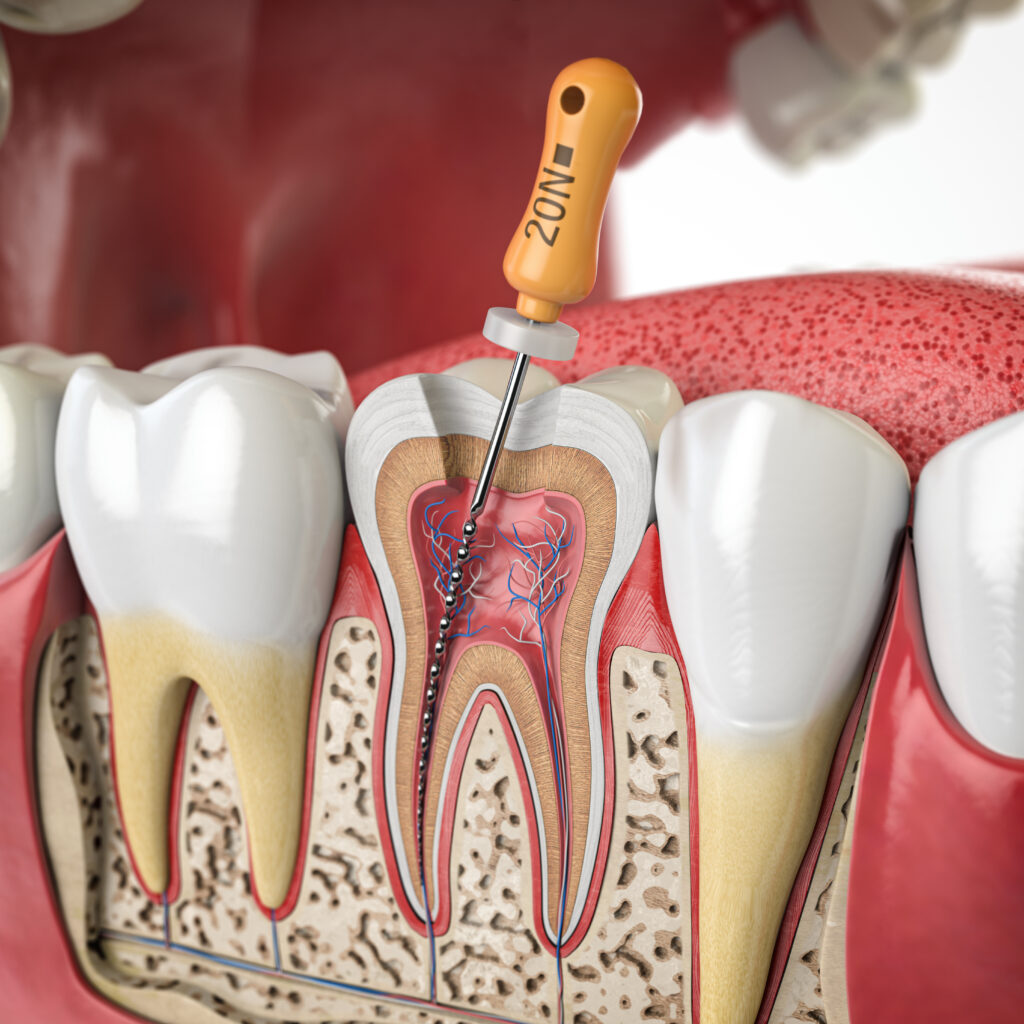


Bad breath can be an uncomfortable and often embarrassing problem that affects people in both social and professional situations. Many try to mask it with mints or mouthwash, but these are only temporary solutions that don’t address the underlying cause. Understanding why halitosis occurs and how to treat it effectively is the first step toward restoring fresh breath and confidence.
What Is Halitosis?
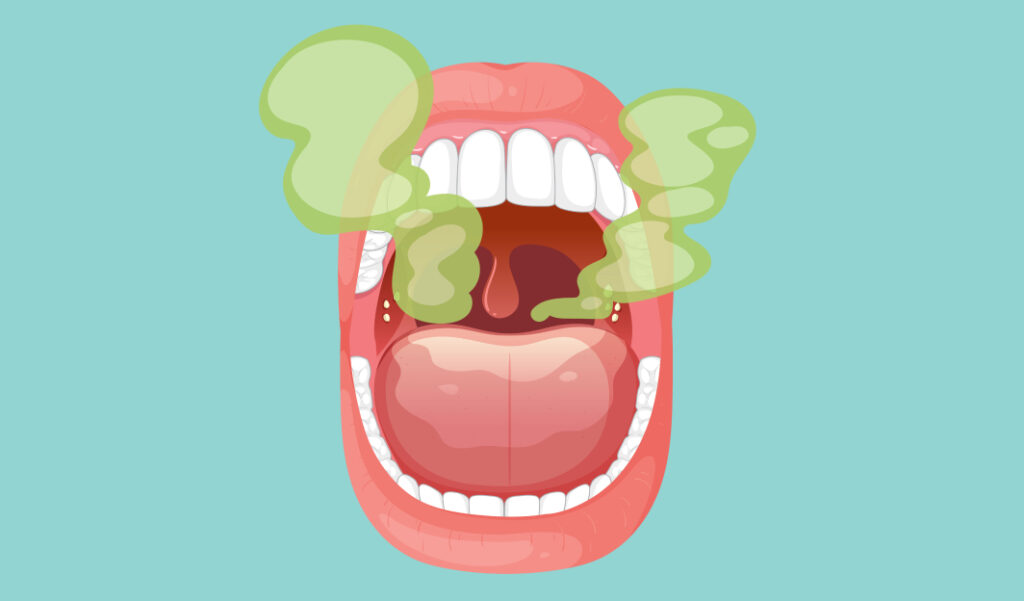
Halitosis, also known as bad breath, is a common oral health issue caused by the buildup of oral bacteria, bacterial plaque, and food particles that produce unpleasant odors. This condition can be temporary or chronic halitosis, depending on the cause of bad breath and the individual’s oral hygiene habits.
Symptoms of halitosis
The main symptom of halitosis is a persistent bad breath or foul-smelling breath that doesn’t go away even after regular brushing. However, halitosis may have several other signs:
- Bad taste in mouth that lingers throughout the day;
- Dry mouth caused by reduced saliva, which can contribute to bad breath;
- A noticeable breath odor others may detect;
- Coating on the tongue from bacteria and food particles;
- Metallic or sour taste due to oral disease or gum problems.
If these symptoms and causes persist, it’s important to visit the dentist.
Halitosis causes
Understanding what causes halitosis is essential for effective bad breath treatment and long-term halitosis prevention.
Several factors can cause bad breath, making it embarrassing and frustrating. Here are the most common causes of halitosis:
- Poor oral hygiene — skipping to brush and floss daily allows food particles and bacteria to accumulate, leading to mouth odor causes.
- Gum disease (periodontitis) — infected gums and dental problems can make bad breath worse and require scaling and root planing.
- Tongue coating — bacteria trapped on the tongue surface; it’s important to clean your tongue using a tongue scraper for fresher breath.
- Dry mouth (xerostomia) — lack of saliva helps bacteria grow and leads to bad breath; some medications cause dry mouth and worsen the problem.
- Smoking and tobacco use — smoking affects breath and damages oral tissues, contributing to chronic bad breath.
- Certain foods and drinks — garlic, onions, and coffee can affect your breath and temporarily reduce breath freshness.
- Health conditions — sinus infections, diabetes, or liver disease can be a possible cause of bad breath not directly related to the mouth.
- Poorly fitted dental appliances — dentures or braces that trap debris may cause bad odors and require professional dental check-up.
- Breathing through the mouth — reduces moisture and can make breath smells stronger, especially in the morning (morning breath).
Maintaining a proper oral hygiene and regular dental visit to a dentist for bad breath are essential fresh breath solutions that help prevent bad breath and keep your breath fresh every day.
When should I see a doctor?
You should schedule a visit to your dentist for bad breath if the unpleasant odor persists despite proper oral hygiene or if it is accompanied by other symptoms such as a bad taste in the mouth, dry mouth, or gum discomfort. These may indicate underlying dental problems or health conditions that require professional care. Regular dental check-ups every six months are essential to prevent bad breath, maintain oral health, and keep your breath fresh and your confidence high.
What can I expect if I have halitosis?
If halitosis is left untreated, it can lead to various oral health problems and discomfort. Neglecting proper oral care and a consistent dental hygiene routine may result in:
- Gum disease;
- Tooth decay;
- Persistent bad breath;
- Dry mouth;
- Oral infections;
- Low self-esteem and social discomfort.
Seeking timely treatment for halitosis and following advice from your dentist or hygienist can help reduce bad breath and restore your oral health.
How doctors diagnose this condition
A dentist or dental hygienist can diagnose halitosis through an oral examination to identify its cause and treatment options. You can book a visit at our clinic in Kraków, Poland, for professional bad breath treatment and personalized oral care.

How is halitosis treated?
Halitosis treatment focuses on addressing the main cause of halitosis rather than just masking symptoms. Possible clinical treatment methods include:
- Scaling and root planing to treat gum disease.
- Dental fillings or restorative care for cavities causing bad breath due to decay.
- Professional tongue cleaning in cases where bacteria and food particles persist.
- Medical management if certain medications or health conditions contribute to the problem.
- Follow-up visits with a dentist or hygienist to monitor treatment effectiveness and combat chronic halitosis.
Each treatment method is selected individually by your dentist after a thorough dental visit and diagnosis to ensure the most effective approach for your specific case.
Prevention of halitosis
Effective halitosis prevention starts with simple daily habits that target the root causes of bad breath:
- Brush your teeth twice a day and floss once a day to remove plaque and food particles.
- Clean your tongue with a tongue scraper to eliminate bacteria that cause bad breath.
- Clean oral appliances (like retainers and dentures) as directed by your dentist.
- Rinse with an alcohol-free antibacterial mouthwash for fresher breath.
- See your dentist regularly for cleanings to address any dental issues early.
- Drink plenty of water to help prevent dry mouth and support saliva helps in combating bad breath.
- Boost saliva production by chewing sugar-free gum or sucking on sugar-free candy or mints.
- Avoid alcohol, caffeine, and tobacco products that can cause dry mouth and affect your breath.
Prevention is accessible to everyone and is crucial for maintaining good oral health and long-term gum health.
Take control of your oral health in Dynasty Stomatology
Take control of your oral health at Dynasty Stomatology, where our experienced and highly qualified team provides individualized care using modern techniques. After a thorough examination, your dentist will explain how to get rid of bad breath in your specific case, addressing the cause of the problem and offering effective solutions for halitoza.
Regular visits ensure prevention, proper dental floss use, and management of factors known to cause bad breath, helping you maintain fresh breath and confidence.
FAQ
-
Yes, known as halitosis, persistent bad breath can sometimes indicate underlying health problems.
-
A common cause of bad breath is temporary, while halitosis is more persistent and requires evaluation.
-
Certain foods can trigger foul odors, even in cases called halitosis.
-
Stress can reduce saliva flow and increase the risk of bad breath, so it’s important to minimize morning breath factors.
-
Results vary depending on oral care routines, including proper use of dental floss.
-
Simple hygiene practices like brushing, tongue cleaning, and hydration can help but may not fully replace professional treatment.
-
Yes, some medications can cause dry mouth, which may worsen breath odor.
-
Without maintaining oral hygiene and regular check-ups, halitosis can recur.
-
Regular dental visits every six months are recommended to prevent halitosis and other dental issues.
-
Excessive use of antiseptic mouthwash can disrupt oral bacteria balance, so it should be used as advised by a dentist.
📍 Krakow | Romanowicza 1/LU3, 30-702
Romanowicza 4B/B.L.U.1, 30-702
📞 In Ukrainian, Russian, English — with understanding and care.