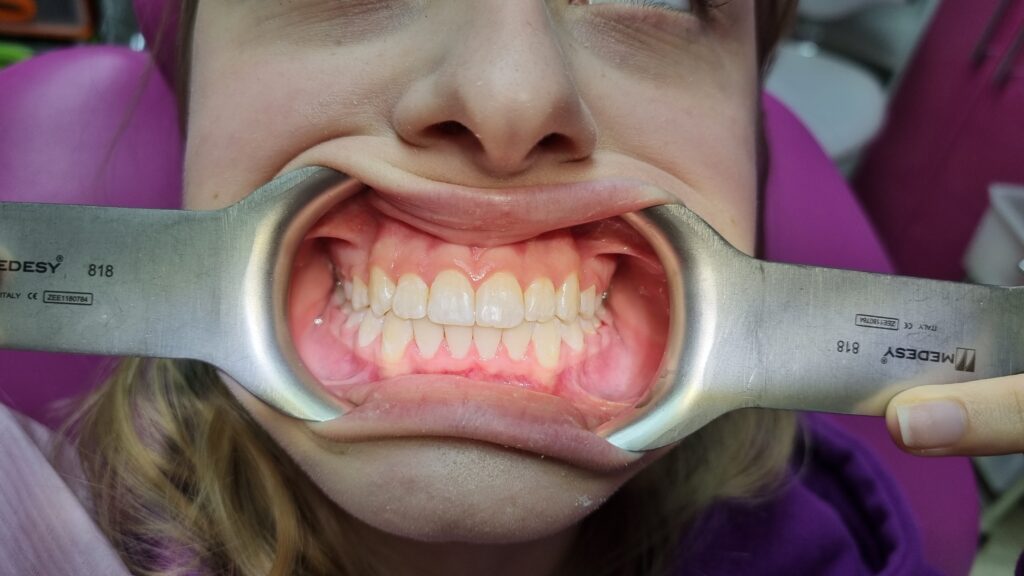
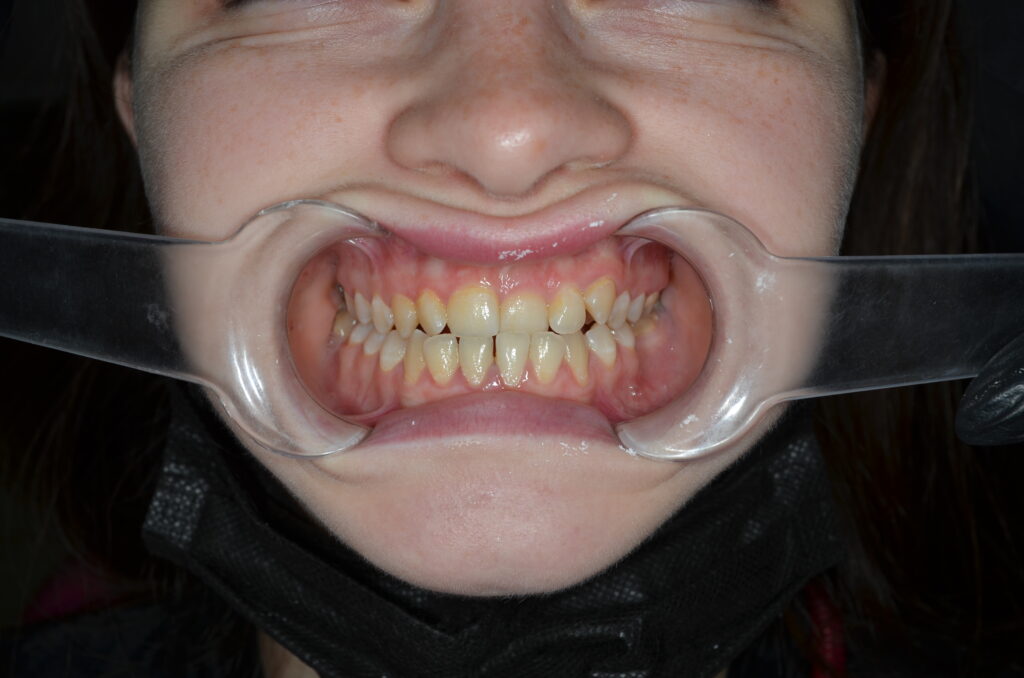
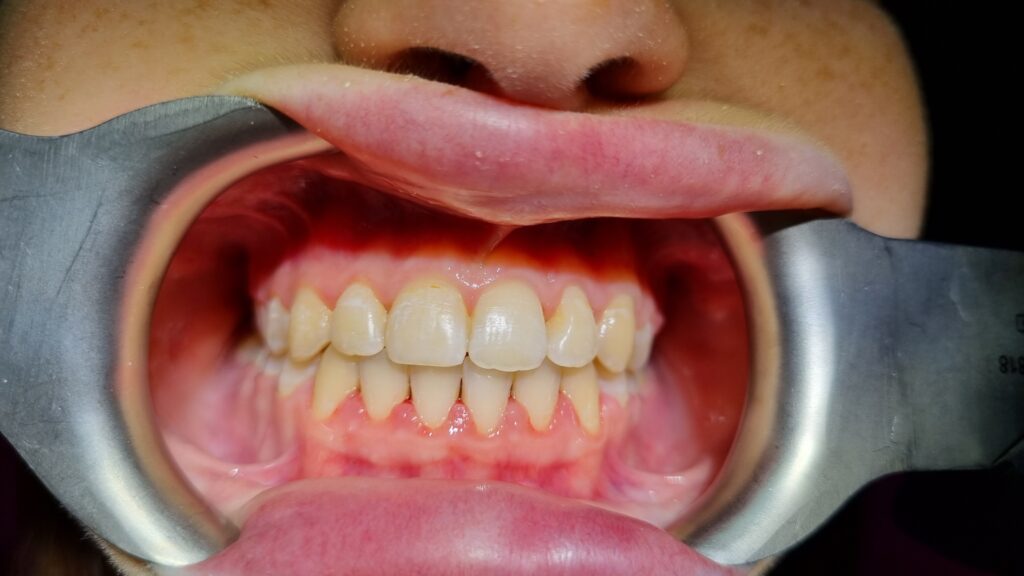
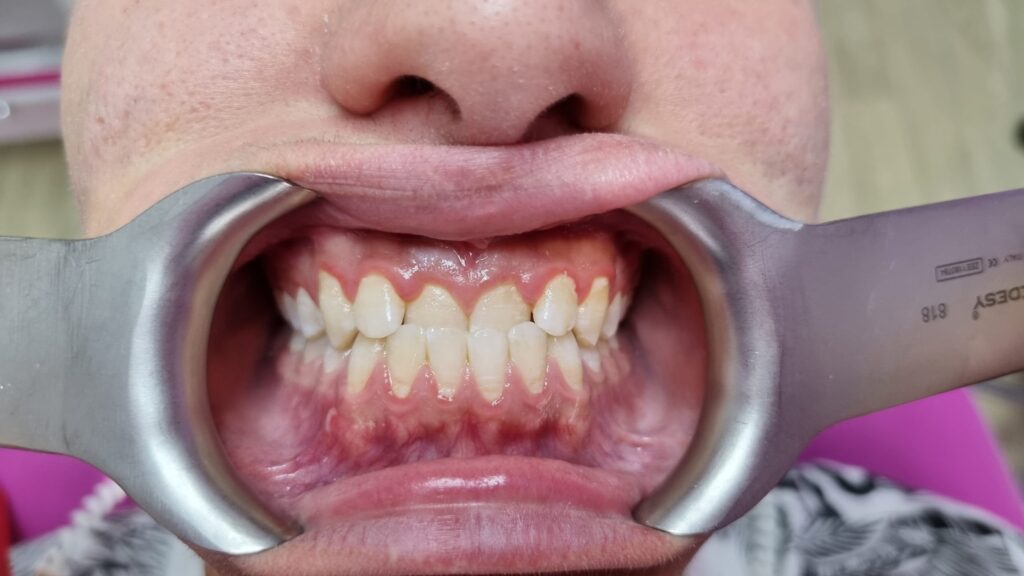
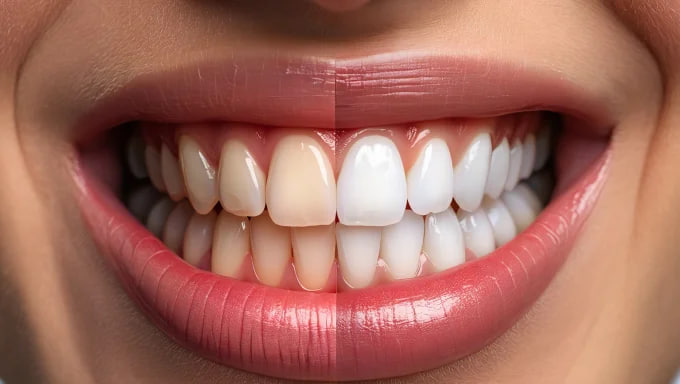
A pediatric dentist in Krakow helps protect your child’s teeth and gums from the first tooth appearing, through cavity treatment, to monitoring bite development. This page is for parents looking for calm, easy-to-understand care and wanting to know how to prepare their child for a visit.
Pediatric Dentist in Krakow – What Does a Pedodontist Do?
A pedodontist is a dentist who cares for the oral health of infants, children, and teenagers. Pediatric dentistry, also called pedodontics, includes prevention, assessment of tooth and bite development, cavity treatment, and support for parents with daily oral hygiene.
A pediatric dentist in Krakow works with patients who need not only appropriate treatment but also communication tailored to their age. The conversation with a young child seeing a dental chair for the first time is different from the conversation with a teenager who has questions about their bite, an injury, or a filling.
At Dynasty Stomatology, we establish a care plan after an examination and a conversation with the parent. We explain the next steps in plain language, without promising that every child’s appointment will follow the exact same course. The goal is safe treatment and building a habit of regular check-ups, rather than putting pressure on a young patient.
When Should a Child Visit the Dentist for the First Time?
The first introductory appointment can take place when a child is just a few months old. At that time, parents can receive advice on infant oral hygiene, feeding, and monitoring emerging teeth.
It is best not to wait longer than a child’s second or third birthday for a routine check-up, when baby teeth are usually already present. The first appointment does not have to involve treatment. Often, it is enough for the child to get to know the dental office, have a brief assessment of their teeth, and discuss oral care.
What Symptoms Require a Quicker Consultation?
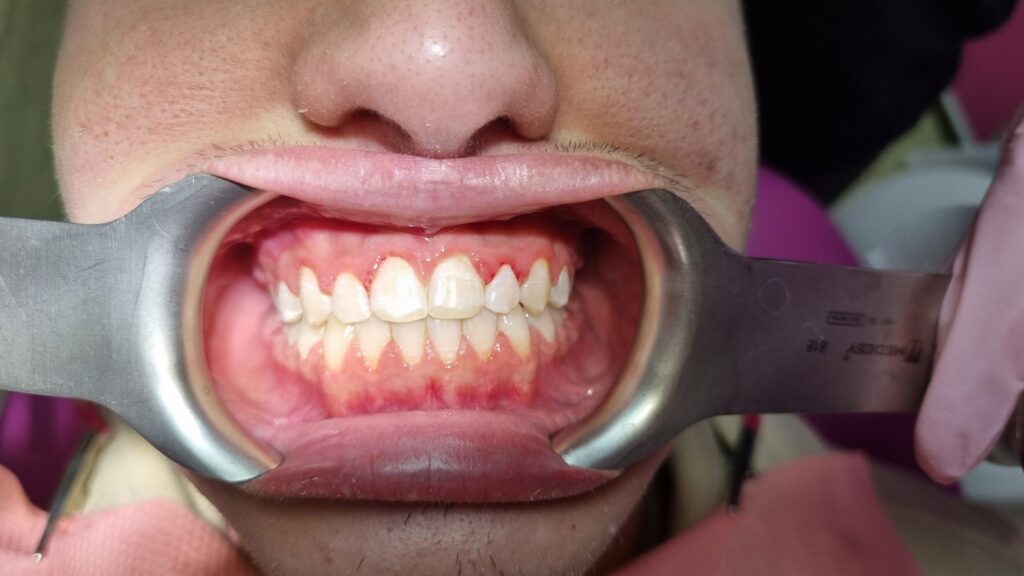
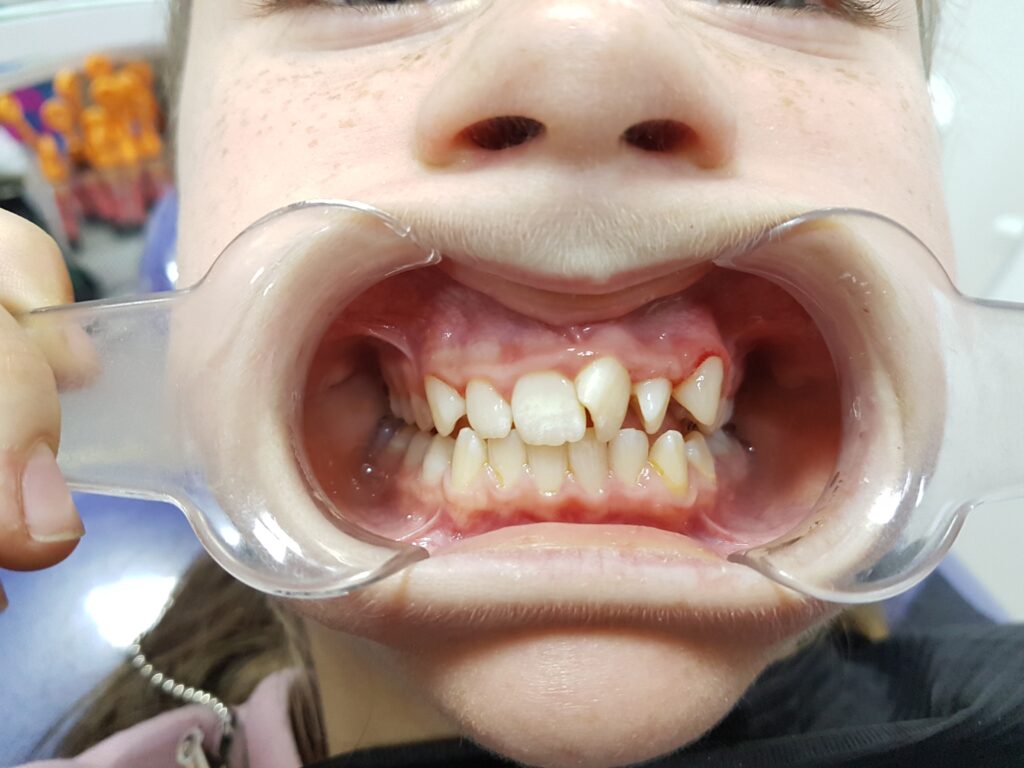
Toothache, swelling of the face or gums, a tooth injury, visible spots or cavities, and bleeding gums require faster contact with the dental office. It is also worth seeking advice about difficulties biting, a sudden reluctance to brush teeth, or pain that interferes with sleep and eating.
After an injury, do not wait for a scheduled check-up. The reception team can determine whether the child should be seen urgently and how to manage the situation until the examination.
What Does an Introductory Visit to a Pediatric Dentist Look Like?
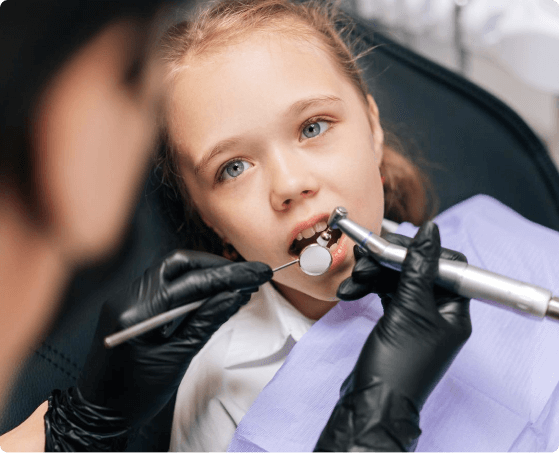
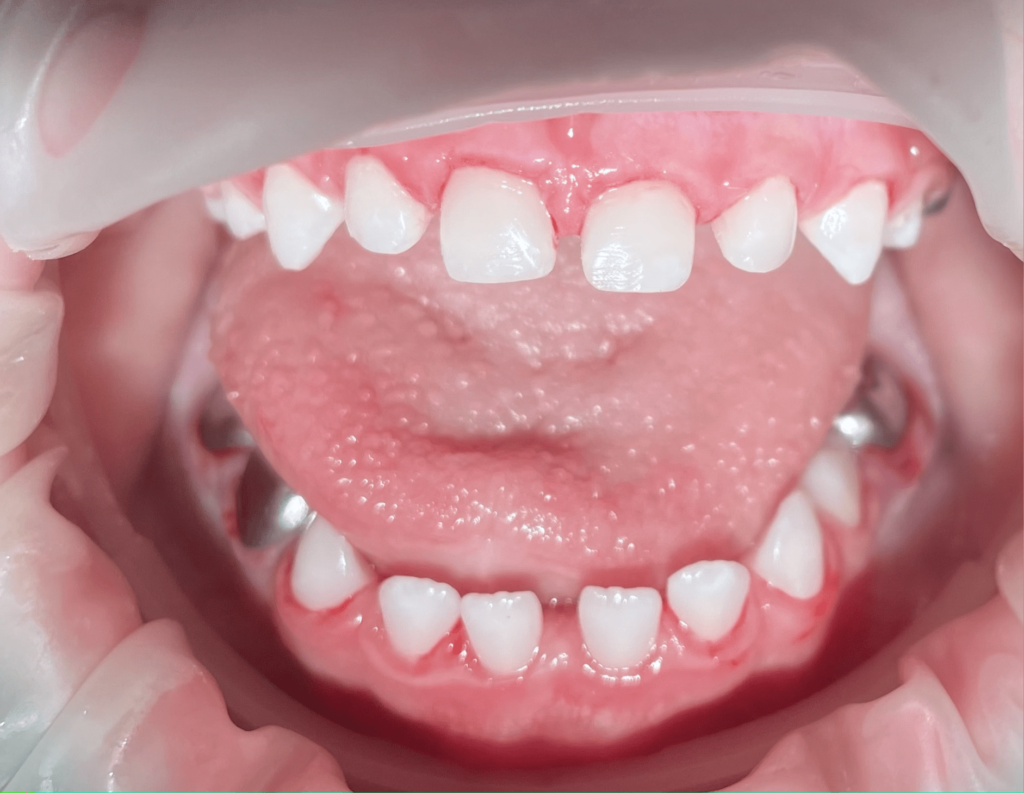
An introductory visit to a pediatric dentist is designed to help the child get to know the dental office at their own pace. It is not a test of courage or an appointment during which a procedure must always be performed.
At Dynasty Stomatology, we begin with a calm welcome and a brief conversation with the parent. The child can look around the space, sit in the dental chair, meet the dentist, and become familiar with simple elements of the examination. The dentist observes the young patient’s reaction and adjusts the pace of interaction.
A typical appointment proceeds as follows:
- Registration and collection of basic information about the child’s health and the reason for the visit.
- Helping the child become comfortable with the office and explaining in simple terms what will happen.
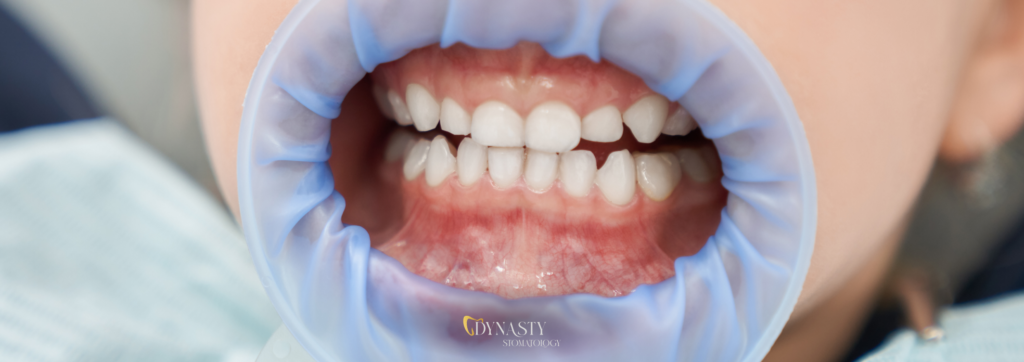
- A brief assessment of the teeth, gums, oral hygiene, and, where needed, bite development.
- Discussion with the parent about recommendations, future check-ups, or the treatment plan.
An introductory visit also gives parents the opportunity to ask questions without rushing. If the child is not ready for a full examination, the team may suggest a further step in building familiarity. Stress-free treatment does not mean an absence of emotions; it means responding attentively to the child’s needs.
How Should You Prepare Your Child for Their First Visit?
It is best to tell your child briefly that they will meet a dentist who will look at their teeth and help care for them. Choose a time of day when your child is well rested and not hungry.
Before the appointment, it is better to avoid words associated with pain or punishment, as well as phrases such as “you won’t feel anything,” as these may increase anxiety. Do not present the dentist as a reward for good behavior or a consequence of eating sweets.
It is worth bringing:
- documents and information about the child’s health,
- a list of medications they take, if applicable,
- a favorite small toy or comfort item,
- questions about oral hygiene, baby teeth, or bite development.
What Should You Do If Your Child Is Afraid of the Dentist?
Fear of the dentist is common and does not mean that a child is “uncooperative.” It is best to mention any previous difficult experiences when booking the appointment so that the team can plan the visit with the appropriate level of calm and care.
Shorter introductory appointments, a predictable visit structure, and simple communication can help. Parents should maintain a calm tone and allow the dentist to lead the interaction with the child. At Dynasty Stomatology, we provide communication in Polish, English, Ukrainian, and Russian, which may make visits easier for families who have recently moved to Krakow.
If the anxiety is severe or treatment is more extensive, the dentist discusses the available options individually. Sedation or general anesthesia require assessment, appropriate preparation, and supervision by an anesthesiologist—they are not solutions selected automatically.
Pediatric Dentistry: Prevention and Treatment of Baby Teeth
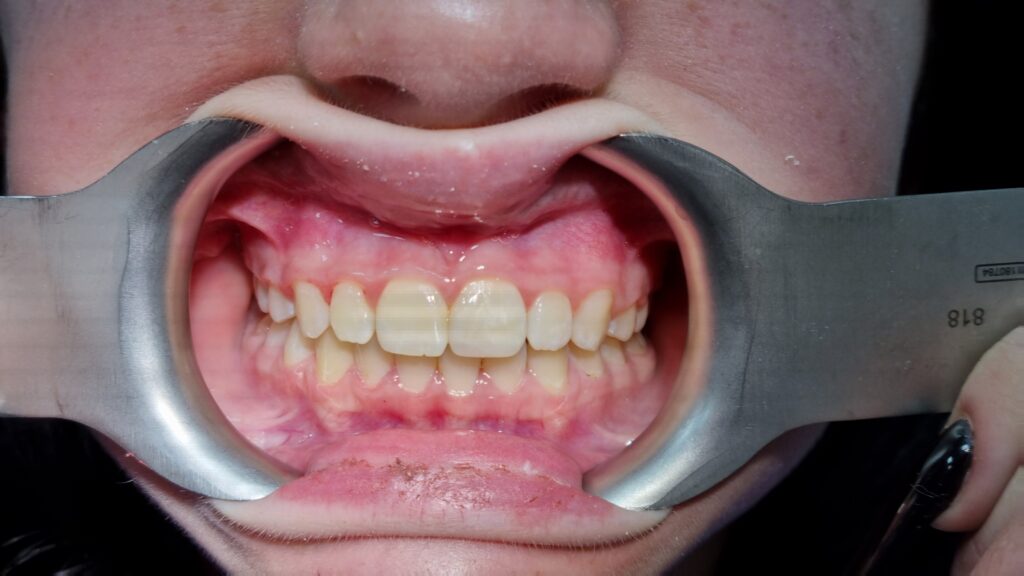
Pediatric dentistry includes both preventing problems and treating existing conditions. Regular appointments make it possible to assess oral hygiene, detect early signs of cavities, and select an approach suited to the child’s age and needs.
The scope of care may include toothbrushing instruction, check-ups, fluoride treatment, cavity treatment, and more advanced procedures. Fluoride treatment is a preventive procedure in which a fluoride preparation is used to strengthen tooth enamel if the dentist considers it appropriate.
Baby teeth require attention even though they will eventually be replaced by permanent teeth. They allow children to bite and chew, support speech development, and help maintain space for the teeth that follow. We always plan treatment after an examination, with a clear discussion of possible stages, costs, and the child’s comfort.
Why Do Cavities in Baby Teeth Need Treatment?
Cavities in baby teeth should be treated because an untreated lesion can grow and lead to pain or infection. A child with a painful tooth may eat less well, wake up at night, or avoid brushing because touching the sensitive area is unpleasant.
An early consultation usually gives the dentist more options for selecting a calm approach. It is not possible to assess the depth of a cavity or determine the appropriate treatment from an article—an examination at the dental office is needed.
How Can You Prevent Cavities in Children?
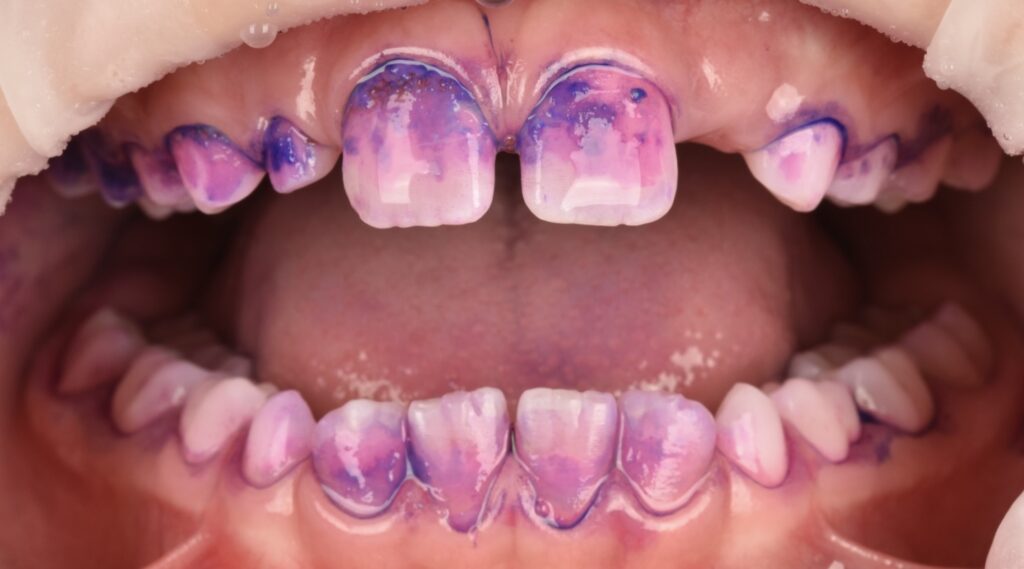
Dental prevention is based on daily brushing with parental help, toothpaste selected according to the child’s age and the dentist’s recommendations, and limiting frequent snacking on sweet foods and drinks. It is not only the amount of sweets that matters, but also how often teeth come into contact with sugars.
Regular check-ups are a good habit, even when the child does not report any pain. During the appointment, the children’s dentist can show the parent and child proper brushing technique, discuss how to choose a toothbrush, and answer questions about oral hygiene.
Why Choose Our Dental Office for Children in Krakow?
Dynasty Stomatology is a modern dental clinic in Krakow where children and adults can receive care in one place. For a young patient, this means a treatment plan tailored to the condition of their teeth, their age, and their ability to cooperate during the appointment.
Our dental office for children in Krakow focuses on clearly explaining every stage. Parents receive information about what the dentist sees during the examination, what solutions are possible, and why a particular approach is recommended. We do not impose procedures without a discussion and the parent’s consent.
The clinic provides on-site diagnostics, including digital X-rays, computed tomography, and 3D scanning, when medically justified. Diagnostic imaging is performed only when the dentist determines it is necessary, taking safety principles and the lowest possible required exposure into account.
[PHOTO NEEDED HERE: a welcoming Dynasty Stomatology space or the team during a children’s appointment, without patient data and only with consent]
Empathy and Experience Working with Young Children
An effective pediatric dentist combines clinical knowledge with a patient communication style. Rather than expecting a child to immediately trust a new place, the team explains procedures in simple words, allows questions, and adjusts the pace of the visit.
When a child feels unsure, the dentist may begin by introducing the dental chair or carrying out a brief examination. The parent takes part in the conversation and receives clear recommendations for the next stage. This type of cooperation helps the child regain a sense of control.
Modern Technology and an Individual Treatment Plan
Modern technology in pediatric dentistry should support better diagnostics and more convenient treatment organization, rather than being an end in itself. The dentist selects methods based on the child’s age, oral health, and the ability to conduct the appointment safely.
An individual treatment plan should include a diagnosis of the issue, the sequence of proposed stages, information about possible alternatives, and costs. Before making a decision, parents can ask about anesthesia, post-treatment recommendations, and the date of the next check-up.
How Much Does a Pediatric Dentist in Krakow Cost and How Is Treatment Paid For?
The cost of visiting a pediatric dentist in Krakow depends on the type of consultation, necessary diagnostics, and scope of treatment. Before treatment begins, parents should receive a clear treatment plan and information about fees.
| Billing item |
What to establish before the appointment |
| Introductory appointment or consultation |
The scope of the appointment and the current price list fee |
| Diagnostics |
Whether diagnostic imaging is needed and what it will cost |
| Cavity treatment |
The number of teeth, type of procedure, and plan for subsequent visits |
| Private treatment |
The price according to the clinic’s current price list |
We do not provide fixed amounts without a current price list, as the plan may change after the examination. Dynasty Stomatology offers installment payments through MediPay, MediRaty, and an internal plan, with terms determined individually.
How Do You Book an Appointment with a Pediatric Dentist in Krakow?
To book a pediatric dentist appointment in Krakow, choose the type of visit—consultation, introductory appointment, or urgent contact due to pain or injury. Then contact the reception team and provide the child’s age, the main concern, and information about any previous experiences at a dental office.
The reception team will provide guidance on the appointment date and preparation. Dynasty Stomatology is open Monday to Sunday from 8:00 a.m. to 8:00 p.m. In the case of acute pain, we aim to see the patient on the same day, subject to current availability.
Choose a calm introductory appointment before a problem becomes urgent, and contact us as soon as possible in the event of pain, swelling, or injury. The clinic is located at Romanowicza 1/LU3 and Romanowicza 4B in Krakow.