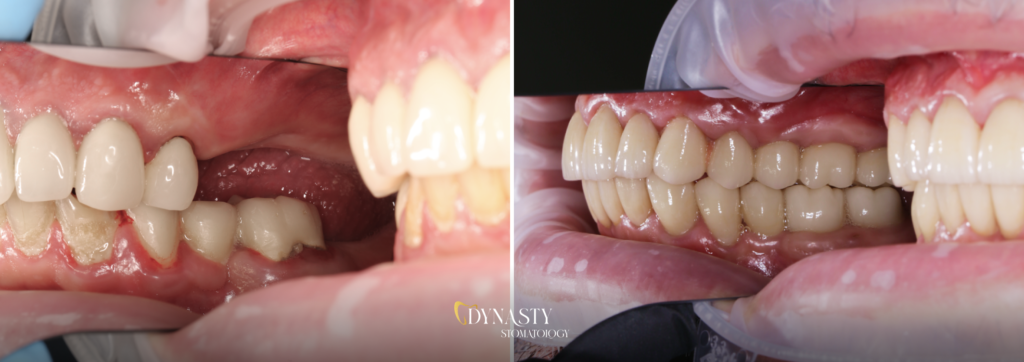



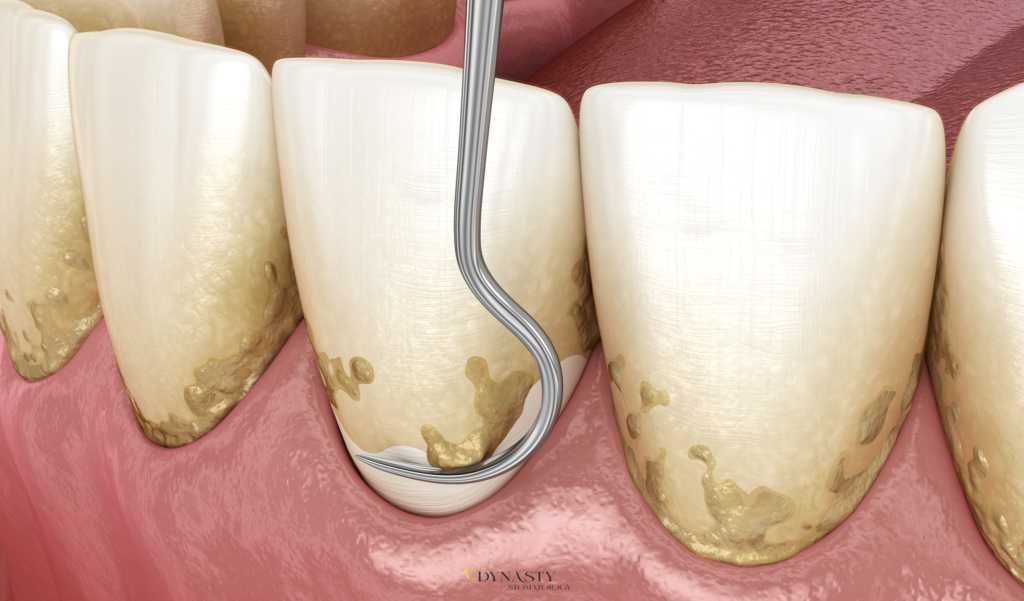

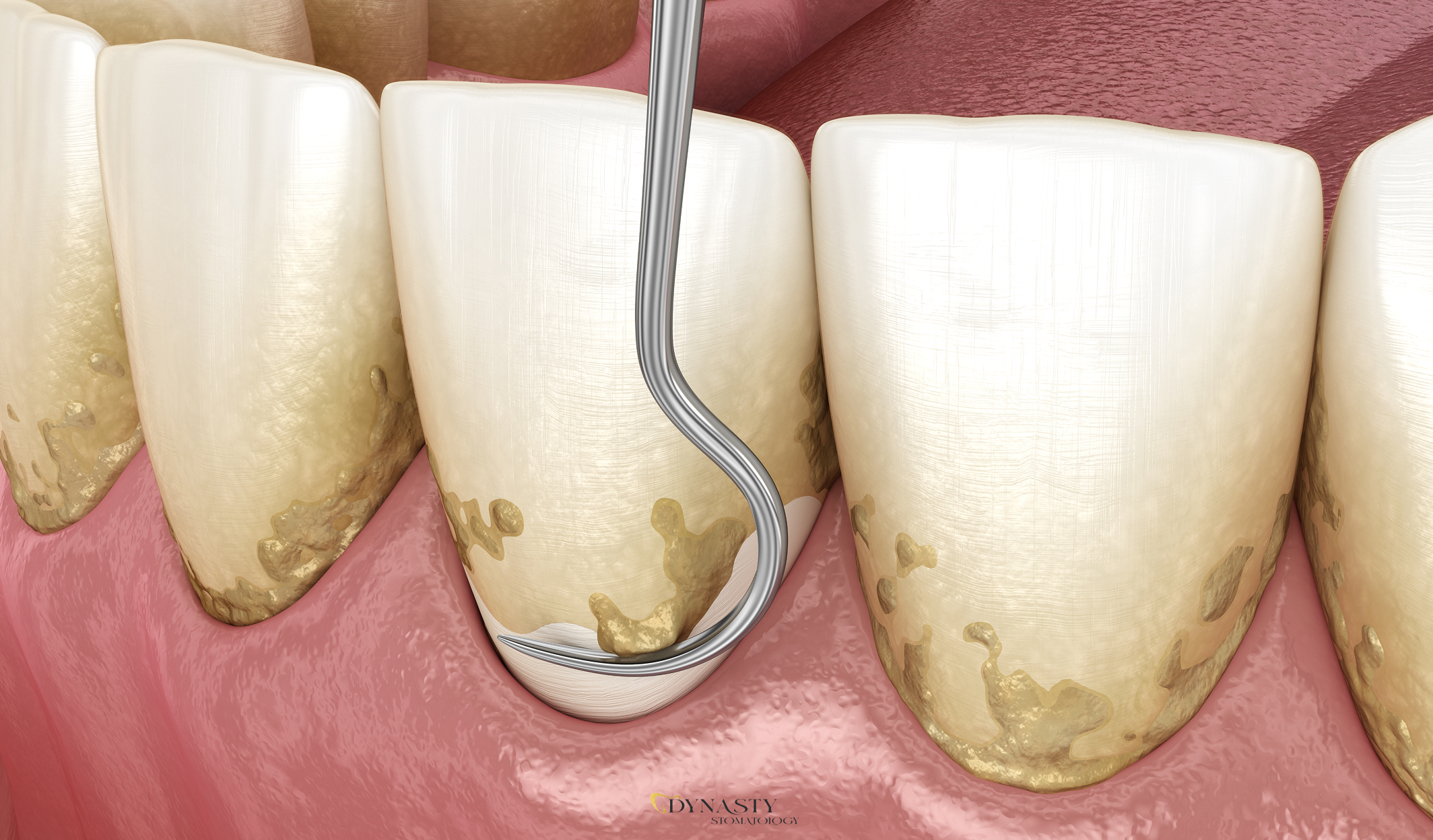
Some discoloration is superficial and can be removed during professional dental cleaning. Changes affecting the enamel structure or deeper tooth tissues, however, require appropriate diagnosis and an individually selected treatment method before any whitening is considered.
What Is Tooth Discoloration and When Does It Require a Dental Consultation?
Tooth discoloration is a change in the natural color of the teeth that may occur on the enamel surface or in deeper tooth structures. It may be caused by deposits resulting from consuming staining products, smoking tobacco, as well as tartar buildup, enamel demineralization, or tooth decay.
The color of the discoloration alone does not make it possible to determine its cause conclusively. New or enlarging spots require particular attention, especially if they are accompanied by sensitivity, pain, or visible enamel damage. Dark discoloration does not always indicate tooth decay, but it may require dental diagnosis.
At Dynasty Stomatology in Krakow, a clinical assessment is performed to determine the nature of the changes and select the appropriate course of action—from professional dental cleaning to dental treatment, where indicated.
Causes of Tooth Discoloration
The most common causes of superficial tooth discoloration include the buildup of bacterial plaque, dental deposits, and inadequate oral hygiene. Pigments contained in food and beverages may accumulate on the enamel surface, particularly in areas that are difficult to reach during daily brushing.
Regular consumption of coffee, tea, and other beverages containing intense pigments contributes to discoloration. Limiting its occurrence does not require completely giving up these products, but rather maintaining proper oral hygiene, undergoing regular professional dental cleaning, and attending dental check-ups.
Dental Deposits and Tartar, as Well as Changes in Enamel Structure
Dental deposits accumulate on the tooth surface, whereas tartar forms as a result of bacterial plaque mineralization and requires professional removal. Dark discoloration may also be associated with tooth decay, while enamel demineralization often manifests as white, matte spots.
Before teeth whitening, the dentist assesses the condition of the enamel, gums, and the presence of deposits and tooth decay. Depending on the examination results, they may recommend professional oral hygiene treatment or appropriate dental care.
Tooth Discoloration After Orthodontic Treatment
After orthodontic treatment, white, matte spots may be visible on the tooth surface, particularly in the areas surrounding where braces were previously bonded. These changes may indicate enamel demineralization associated with difficulty maintaining proper hygiene during treatment. In such cases, a dental assessment and selection of the appropriate approach are necessary.
In children, discoloration of baby teeth may result from food pigments, enamel mineralization disorders, developmental factors, or the use of certain medications. The appearance of new or enlarging changes, particularly when accompanied by symptoms, is an indication for a dental consultation.
Tobacco Smoking and Other External Factors Causing Tooth Discoloration
Tobacco smoking contributes to the development of yellow and brown discoloration on the tooth surface. Substances contained in tobacco smoke contribute to the buildup of deposits, which may reappear after professional dental cleaning.
Factors contributing to discoloration also include coffee, tea, and red wine, which contain pigments that can settle on the enamel surface.
Professional removal of deposits can improve the appearance of the teeth, while maintaining the results requires proper care and limiting factors that contribute to discoloration.
The Color of Tooth Discoloration and Its Possible Causes
The color of tooth discoloration can provide an important diagnostic clue, but it does not allow its cause to be determined conclusively. White, yellow, brown, gray, and black spots may have different underlying causes. A clinical assessment also takes into account the location of the changes, how long they have been present, and any accompanying symptoms.
|
Appearance of discoloration |
Possible causes |
Recommended approach |
|
White spots |
Enamel demineralization, fluorosis, changes after orthodontic treatment |
Assessment of enamel mineralization, remineralization, or ICON treatment, which can reduce the visibility of selected white spots without drilling the teeth. |
|
Yellow discoloration |
Dental deposits, food pigments, natural shade of dentin |
Professional dental cleaning and, in the case of internal discoloration, consideration of teeth whitening. |
|
Brown spots |
Deposits from coffee, tea, and tobacco, tartar, tooth decay |
Scaling and air polishing in the case of deposits, or restorative treatment if tooth decay is diagnosed. |
|
Gray discoloration |
Effects of trauma, changes in the dental pulp, developmental disorders |
Assessment of pulp vitality, radiographic diagnostics where indicated, and treatment depending on the diagnosis. |
|
Black spots |
Stained bacterial deposits, tartar, tooth decay |
Professional removal of deposits and tartar, or treatment of cavities caused by tooth decay. |
Excessive fluoride intake during tooth development can lead to enamel fluorosis, which manifests as white spots, streaks, and, in more advanced cases, brown discoloration and changes in enamel structure. Fluoride used in appropriate amounts plays an important role in preventing tooth decay; however, excessive intake, particularly during childhood, may disrupt normal enamel development.
White Spots on Teeth as a Symptom of Enamel Demineralization
White, matte spots on the tooth surface may indicate enamel demineralization, meaning the loss of minerals that increases a tooth’s susceptibility to decay. These changes often appear in areas that are difficult to clean, particularly near the gums and orthodontic brackets.
Early diagnosis makes it possible to implement appropriate care, including enamel remineralization or ICON treatment, depending on the nature and severity of the changes.
Dark Tooth Discoloration Requiring Dental Diagnosis
Brown and black discoloration may be associated with both the buildup of dental deposits and tooth decay. Spots accompanied by sensitivity, pain, uneven enamel surfaces, or visible cavities require particular attention.
A dental examination makes it possible to determine the nature of the discoloration and establish whether professional teeth cleaning will be sufficient or whether restorative treatment is necessary.
Diagnosis of Tooth Discoloration – How Does a Dentist Determine Its Cause?
The diagnosis of tooth discoloration aims to determine the nature of the changes and establish whether they affect the enamel surface or deeper tooth structures. A correct diagnosis makes it possible to select the appropriate approach and avoid procedures that would not deliver the expected results.
During the appointment, the dentist takes a medical history regarding dietary habits, medications used, previous injuries, prior treatment, and daily oral hygiene. They then assess the condition of the enamel and gums, as well as the presence of deposits, tartar, and any signs of tooth decay. In justified cases, diagnostic procedures are supplemented with radiographic examinations, enabling a more detailed assessment of tooth structures.
Safe Methods for Removing Tooth Discoloration
Effective and safe removal of tooth discoloration requires determining its cause beforehand. Superficial deposits and tartar can be removed during professional dental cleaning, whereas tooth decay and enamel damage require appropriately selected treatment.
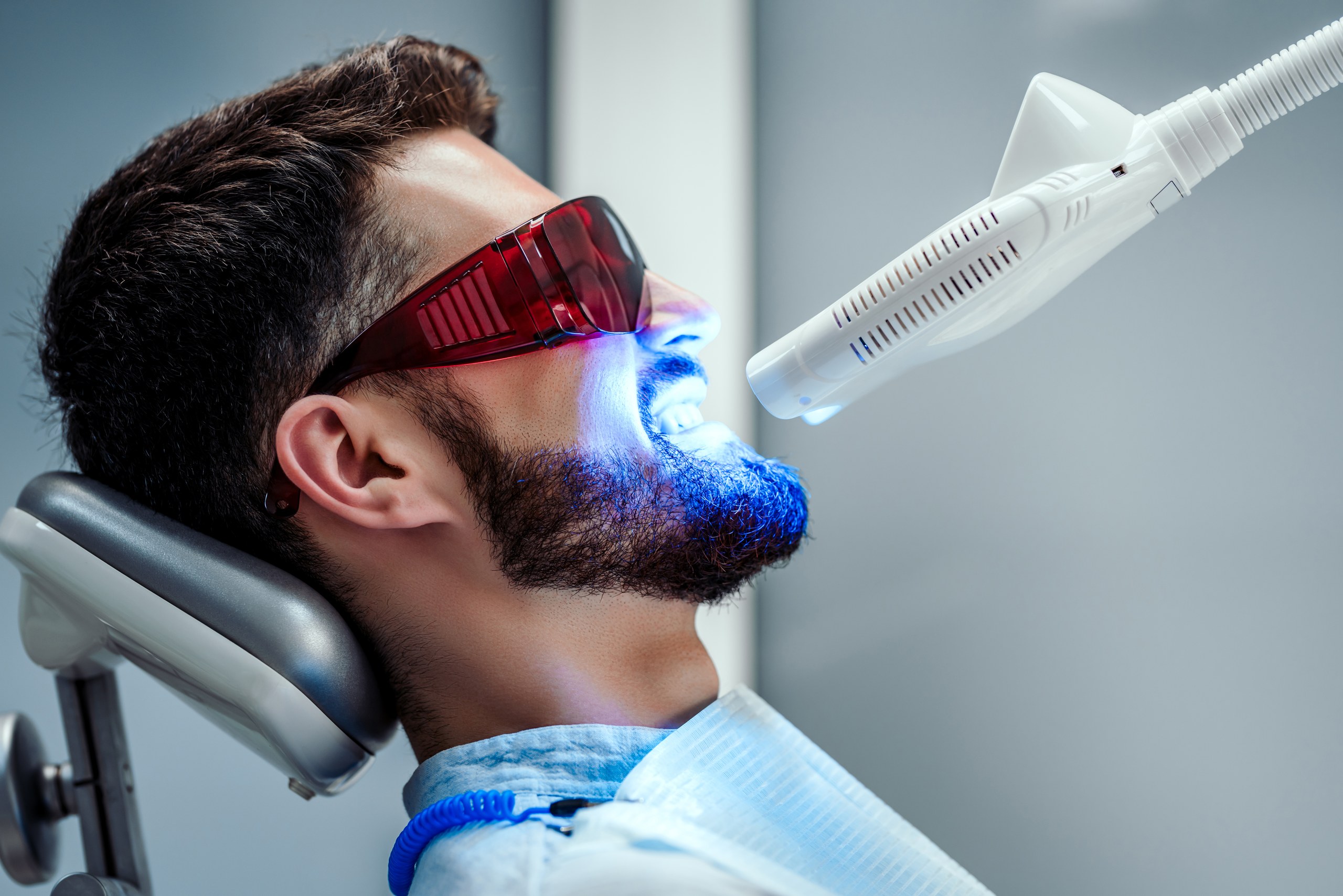
Scaling removes tartar, while air polishing helps eliminate superficial deposits and discoloration associated, among other things, with tobacco smoking and the consumption of coffee and tea. Professional teeth whitening may be considered after assessing the condition of the teeth and periodontal tissues. It should be remembered that whitening is not a treatment for tooth decay and does not change the color of dental crowns, veneers, or fillings.
Scaling and Professional Dental Cleaning
Professional oral hygiene treatment is a comprehensive procedure that includes scaling, meaning the removal of tartar using ultrasound; AirFlow air polishing to eliminate deposits and superficial discoloration; and polishing of the tooth surfaces. Depending on individual indications, the procedure may be supplemented with fluoride treatment, which supports enamel remineralization and tooth decay prevention.
Comprehensive dental cleaning can restore the teeth’s natural shade, improve the appearance of the smile, and reduce bacterial plaque buildup. However, it should be remembered that the procedure does not remove discoloration originating in the internal structures of the tooth and does not replace treatment for tooth decay.
At-Home Methods for Removing Tooth Discoloration and the Use of Whitening Toothpastes
At-home methods for reducing tooth discoloration, including the use of whitening toothpastes, differ in composition, mechanism of action, and effectiveness. Not all products are suitable for every patient, and improper use may contribute to tooth sensitivity or gum irritation.
Before choosing products for at-home care, a dental consultation is recommended. During the consultation, the dentist will assess the condition of the enamel and gums and help select appropriate products and oral hygiene methods, taking the patient’s individual needs into account.
Preventing Tooth Discoloration – How Can You Stop It from Returning?
Prevention of tooth discoloration is based on proper oral hygiene, limiting factors that promote deposit buildup, and regular dental visits. Maintaining the results of professional dental cleaning requires consistent care tailored to the patient’s individual needs.
The following are important in daily prevention:
- Brushing teeth at least twice a day using an appropriately selected toothpaste.
- Cleaning between the teeth every day with dental floss or interdental brushes.
- Limiting the frequency of consuming products containing intense pigments, such as coffee, tea, and red wine.
- Avoiding tobacco smoking, which contributes to persistent discoloration.
- Regular dental check-ups and professional dental cleaning in line with individual recommendations.
Mouth rinses can help limit bacterial plaque, but they do not replace brushing or cleaning between the teeth. The selection of rinses, toothpastes, and additional products should be individualized, taking into account the condition of the enamel and gums as well as the dentist’s recommendations.
Frequently Asked Questions
-
No. Black discoloration may result from the presence of bacterial deposits, tartar, or tooth decay. Determining the cause requires a dental examination, especially when the changes are accompanied by pain, sensitivity, or visible damage to the tooth surface.
-
Yellow discoloration may develop as a result of deposits accumulating in hard-to-reach areas, frequent consumption of staining products, or the natural characteristics of enamel and dentin. Professional dental cleaning and an individual assessment of brushing technique can help limit deposit buildup.
-
No. The effectiveness of whitening depends on the type and cause of the discoloration. The procedure does not remove tartar or tooth decay and does not change the color of fillings, dental crowns, or veneers. Choosing the appropriate method requires a prior dental assessment.
-
Yes. Excessive fluoride intake during tooth development can lead to enamel fluorosis, which manifests as white spots, streaks, and, in more advanced cases, brown discoloration. Fluoride used in appropriate amounts supports tooth decay prevention, so the selection of products should take the patient’s age and individual needs into account.
-
Yes. Some medications, particularly tetracycline antibiotics used during tooth development, can cause permanent changes in tooth color. Superficial discoloration may also occur when using certain mouth rinse products. Determining the cause requires consideration of the treatment history and a dental assessment.
If tooth discoloration persists despite proper oral hygiene, changes in appearance, or is accompanied by pain and sensitivity, a dental consultation is recommended. At Dynasty Stomatology, a detailed assessment of the teeth is performed to determine the cause of the changes and select the appropriate approach—from professional dental cleaning to dental treatment or cosmetic procedures.
To book an appointment, please call +48 576 676 266.