
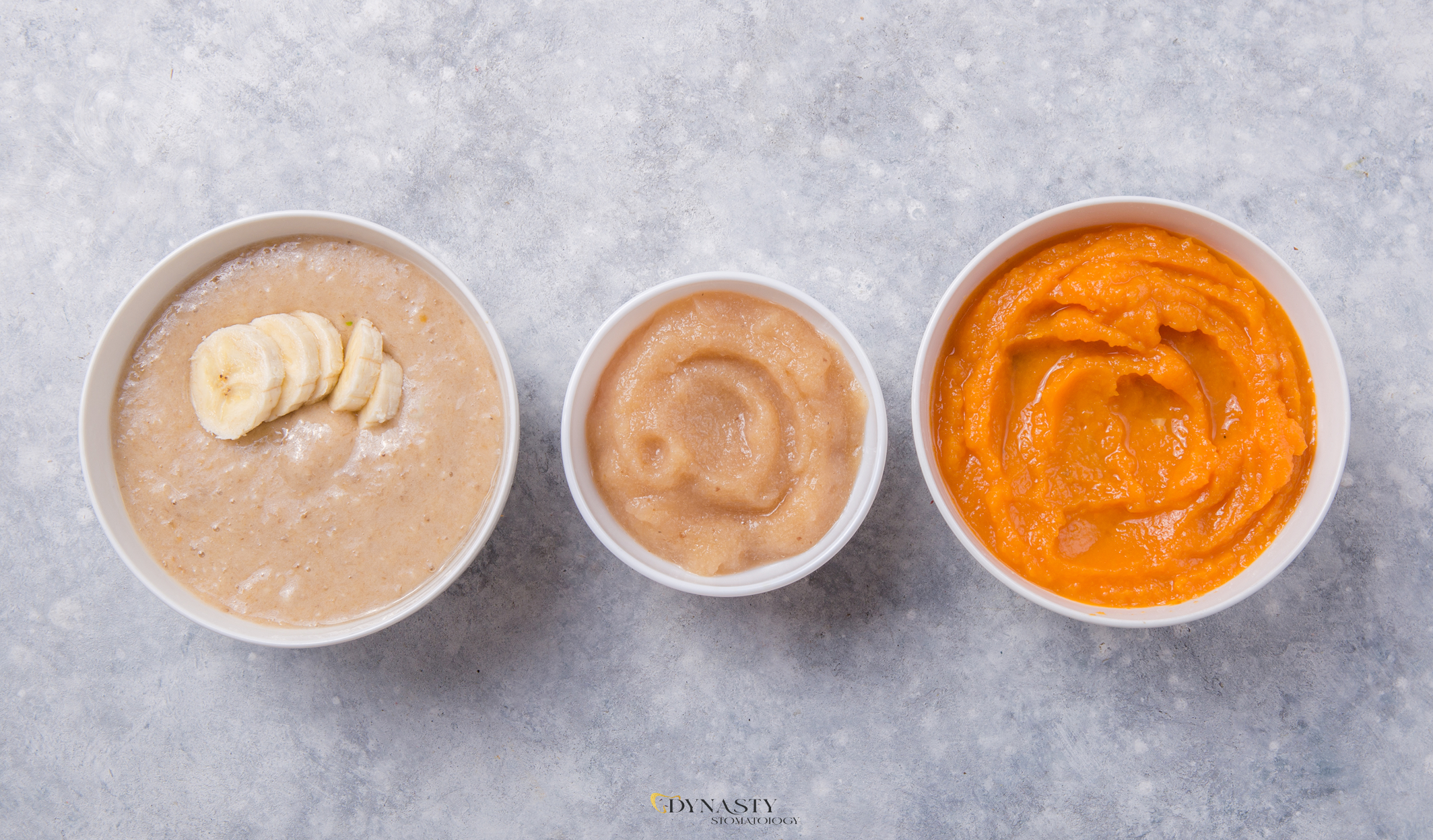
Tooth extraction may be necessary when the tooth structure has been severely damaged by decay, when effective treatment is not possible, or due to complications related to the eruption of wisdom teeth. Regardless of the reason for the procedure, proper post-treatment care, including a well-chosen diet, is important for proper tissue healing.
After a tooth extraction, it is recommended to eat cool or lukewarm meals with a soft, smooth consistency that do not require vigorous chewing. During the first few days, hot, hard, and crunchy foods, as well as foods containing small seeds and grains, should be avoided.
Following dietary recommendations helps reduce irritation around the extraction site, protect the blood clot in the socket, and lower the risk of complications during healing.
Why Is a Proper Diet Important After Tooth Extraction?
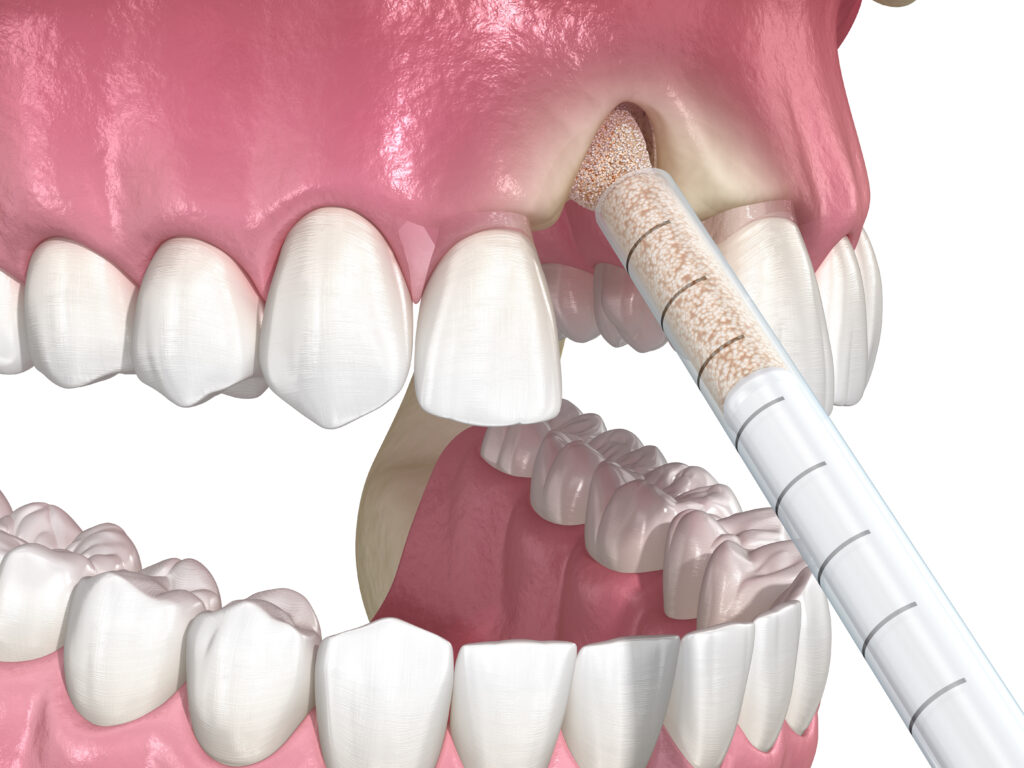
After a tooth extraction, a blood clot forms in the tooth socket. It protects the treatment area and is an important part of the proper healing process. Damage to or premature loss of the clot may lead to complications, including a painful inflammation of the socket known as dry socket.
Appropriate post-treatment care is intended to protect the clot and provide proper conditions for tissue regeneration. The healing process depends, among other factors, on the complexity of the extraction, the patient’s health, and adherence to post-treatment instructions. Therefore, the guidance provided by the dentist should form the basis of care during recovery.
When Can You Eat and Drink After Tooth Removal?
The time for resuming food and drink after tooth extraction is determined based on the type and extent of the procedure, the anesthesia used, and the condition of the extraction site. During the first few hours, protecting the treatment area and following the dentist’s individual recommendations are especially important.
The First 2–4 Hours After the Procedure
After a tooth extraction, it is usually recommended to avoid eating for around 2 hours or until the local anesthetic has completely worn off. Drinking small amounts of cool or lukewarm water is generally possible sooner, unless the dentist advises otherwise. Using a straw should be avoided, as the suction created while drinking can negatively affect the stability of the blood clot in the socket.
After the Anesthetic Wears Off
Eating may begin once the local anesthetic has completely worn off, taking into account the timeframe indicated by the dentist. Persistent numbness increases the risk of accidentally biting the cheek, lip, or tongue while eating.
The first meals should have a soft consistency and be cool or lukewarm. It is recommended to eat small portions and avoid chewing on the side where the procedure was performed to reduce mechanical irritation of the tissues.
What Can You Eat After Tooth Removal? Recommended Foods
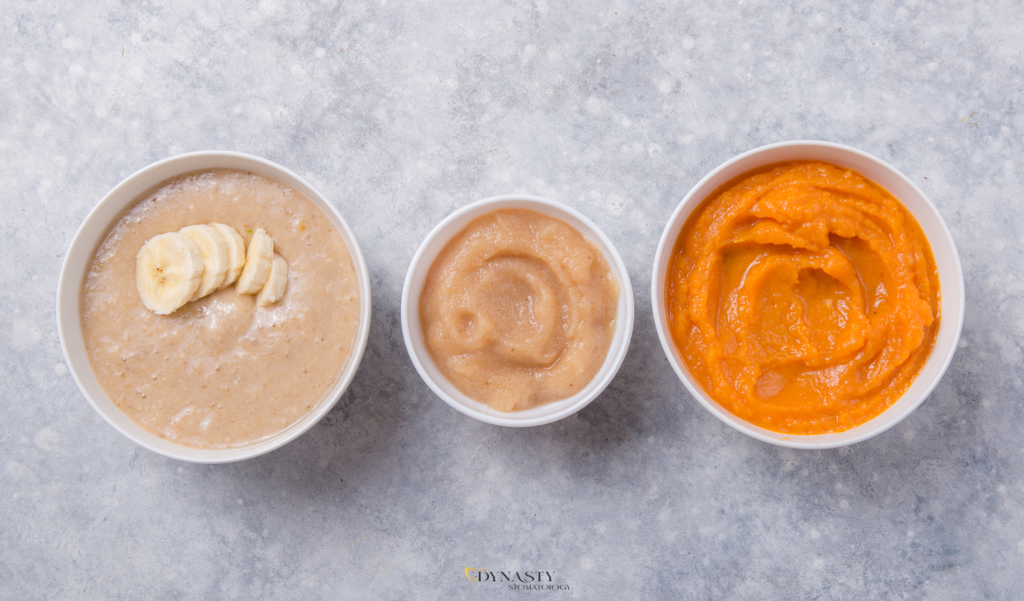
During recovery after tooth extraction, it is recommended to eat foods with a soft, smooth consistency that are easy to chew and swallow. It is worth ensuring that meals provide appropriate nutritional value, including sources of protein, vitamins, and minerals that support the body’s recovery. Food choices should take into account the extent of the procedure, individual food tolerance, and the dentist’s recommendations.
Cool and Semi-Liquid Meals During the First Days After Tooth Extraction
During the first few days after the procedure, suitable choices may include semi-liquid foods such as chilled jelly, delicate seedless fruit mousses, or smooth ice cream without hard additions. Cool foods may provide temporary relief from post-treatment discomfort. However, very low temperatures should be avoided if they cause pain or sensitivity.
Cream Soups, Smoothies, and Yogurts With a Smooth Consistency
Lukewarm vegetable-based cream soups, smooth fruit or vegetable smoothies, and plain yogurts without additions that require chewing can be a good addition to the diet. These foods help diversify meals and provide the body with essential nutrients. It is worth choosing dishes without small seeds, grains, or hard pieces that could enter the extraction area and irritate the tissues.

What Should You Avoid After Tooth Removal?
During the first few days after an extraction, foods that can mechanically irritate the tissues, damage the blood clot, or interfere with proper healing should be avoided. Particular attention should be paid to the temperature, consistency, and texture of consumed foods.
|
Foods to avoid |
Why should they be avoided? |
Recommended alternative |
|
Hot coffee, tea, and soups |
High temperatures may increase bleeding and irritate the extraction area. |
Cool or lukewarm drinks and meals |
|
Hard and crunchy foods, such as chips, nuts, and bread with a hard crust |
Vigorous chewing and sharp food fragments can cause mechanical damage to the tissues. |
Vegetable purées, soft foods, cream soups |
|
Foods containing small seeds, grains, and crumbs |
Small fragments can enter the tooth socket and cause irritation. |
Meals with a smooth, uniform consistency |
Hot Foods, Carbonated Drinks, and Straws
During the first few days after tooth extraction, hot foods and drinks should be avoided because high temperatures can dilate blood vessels and increase the risk of renewed bleeding. Carbonated drinks are also not recommended, as they may cause discomfort and irritation of the tissues around the extraction site.
It is also important to refrain from smoking cigarettes and using other tobacco products. Substances contained in tobacco smoke can negatively affect the healing process, increasing the risk of post-treatment complications.
How Can You Gradually Return to a Regular Diet After Tooth Removal?
Returning to a regular diet after tooth extraction should be gradual, taking the healing process and individual food tolerance into account. At the beginning, a liquid and semi-liquid diet is recommended. It can then be expanded to include soft, easy-to-chew foods such as mashed potatoes, cooked vegetables, tender meat, or soft egg-based dishes.
The time needed to return to a full diet varies from person to person and depends, among other things, on the complexity of the procedure, the course of tissue healing, and the severity of post-treatment symptoms. The diet should be expanded as pain, swelling, and discomfort while chewing subside. Foods that require vigorous biting should only be introduced when they do not irritate the treatment area, taking into account the recommendations of the treating dentist.
When Should You Contact a Dentist After Tooth Extraction?
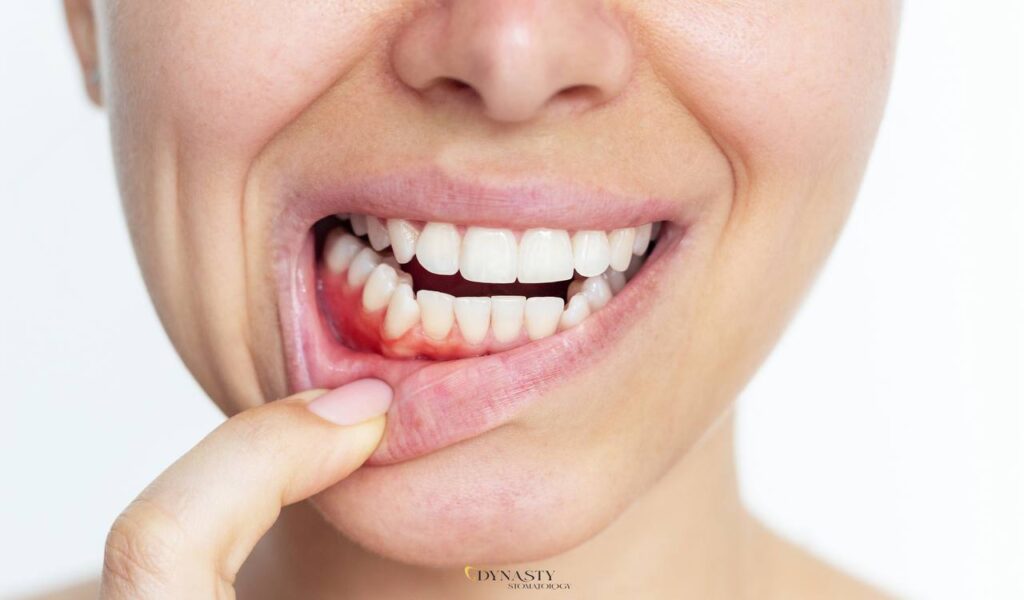
A dental consultation is recommended in the event of persistent bleeding, worsening pain, increasing swelling, fever, or an unpleasant odor or taste in the mouth. Difficulty consuming food and liquids may also be a concerning symptom. Heavy bleeding and difficulty breathing or swallowing require urgent medical attention.
At Dynasty Stomatology, patients receive individualized post-treatment recommendations and information about the proper course of healing. If concerning symptoms occur, it is possible to schedule a surgical consultation to assess the condition of the tissues and determine further treatment.
Frequently Asked Questions
-
Once the local anesthetic has completely worn off, it is usually possible to begin eating, provided that the timeframe indicated by the dentist has passed and the bleeding has stabilized. It is recommended to start with small portions of soft, cool, or lukewarm foods, avoiding chewing on the side where the procedure was performed.
-
During the first few hours after an extraction, hot coffee and tea should be avoided because high temperatures may increase the risk of bleeding. After receiving approval from the dentist, these drinks can gradually be reintroduced, initially at a lukewarm temperature.
-
Using a straw is not recommended during the first few days after the procedure. The suction created while drinking may dislodge the blood clot and interfere with the healing process. It is best to drink liquids in small sips directly from a cup or glass.
-
Do not attempt to remove food debris yourself using fingers, toothpicks, or other objects. During the first 24 hours after the procedure, vigorous rinsing of the mouth should also be avoided. If food debris remains in the socket and causes discomfort or pain, a dental consultation is recommended.
The dentists at Dynasty Stomatology recommend choosing soft, cool, or lukewarm meals during the first few days after tooth extraction and avoiding hot and hard foods, as well as drinking through a straw. A return to a regular diet should take place gradually, in line with the healing process and the dentist’s individual recommendations.
To receive detailed information about care after tooth extraction and recommendations tailored to your individual clinical situation, we invite you to schedule a consultation at Dynasty Stomatology.