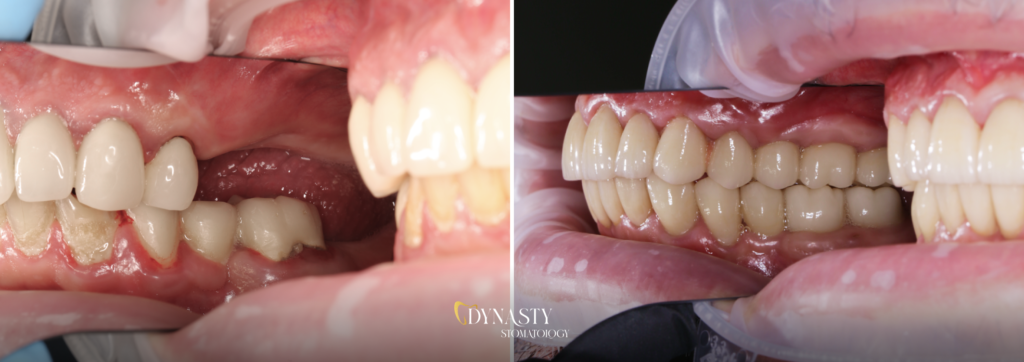


Swollen gums may result from irritation or inflammation, but they can also indicate problems related to a specific tooth, the presence of an abscess, or the eruption of a wisdom tooth. However, the appearance of the gums alone does not allow the cause of the problem to be determined conclusively. A dental examination is necessary to make an accurate diagnosis and, in justified cases, additional diagnostic tests may also be required.
What Are Swollen Gums and Which Symptoms Should You Watch Out For?
Swollen gums involve an increase in the volume of gum tissue, which may be accompanied by a feeling of tightness, most often associated with inflammation. The gums may be red, tender, and prone to bleeding when brushing teeth or using dental floss.
Other possible symptoms include bad breath, a feeling of pressure in the gums, and pain or discomfort while eating. In some cases, tooth sensitivity may also occur. If the swelling is related to periodontal disease, gum recession and exposed tooth necks may also appear.
Gradually developing gum swelling may indicate inflammation associated with plaque buildup. On the other hand, sudden, localized swelling around a single tooth, especially when accompanied by severe pain, requires urgent dental consultation, as it may indicate a developing infection.
The Most Common Causes of Swollen Gums
The causes of swollen gums may be generalized, affecting a larger area of the gums, or localized, limited to the area around a single tooth. Choosing the appropriate treatment method depends on the cause of the problem, so the presence of specific symptoms alone is not sufficient to make a diagnosis. Determining the source of the problem requires a dental assessment and, in justified cases, additional diagnostic tests.
Plaque, Tartar, and Improper Oral Hygiene
Plaque begins to accumulate on the surfaces of teeth within just a few hours after they have been cleaned. If it is not removed regularly and thoroughly through brushing and cleaning between the teeth, it may lead to gum irritation and the development of inflammation.
Plaque buildup does not always result from insufficient oral hygiene. Brushing technique, anatomical conditions, and the presence of areas that make thorough tooth cleaning difficult are also important. Mineralized plaque, known as tartar, cannot be effectively removed through brushing at home or with mouth rinses. Its removal requires professional dental hygiene treatment performed at a dental clinic.
Gingivitis and Periodontal Disease
Gingivitis may initially present only as slight swelling and bleeding, especially when brushing teeth or cleaning between the teeth. Untreated inflammation, particularly when plaque buildup persists, may promote the development of periodontitis, which also affects the tissues responsible for keeping teeth anchored in the bone.
Concerning symptoms include increased tooth mobility, bleeding gums, gum soreness, and noticeable changes in tooth position. Periodontal disease can also occur in younger people, which is why persistent swelling or bleeding gums should be an indication for a dental consultation.
Abscess, Tooth Decay, and Gum Swelling Around a Wisdom Tooth
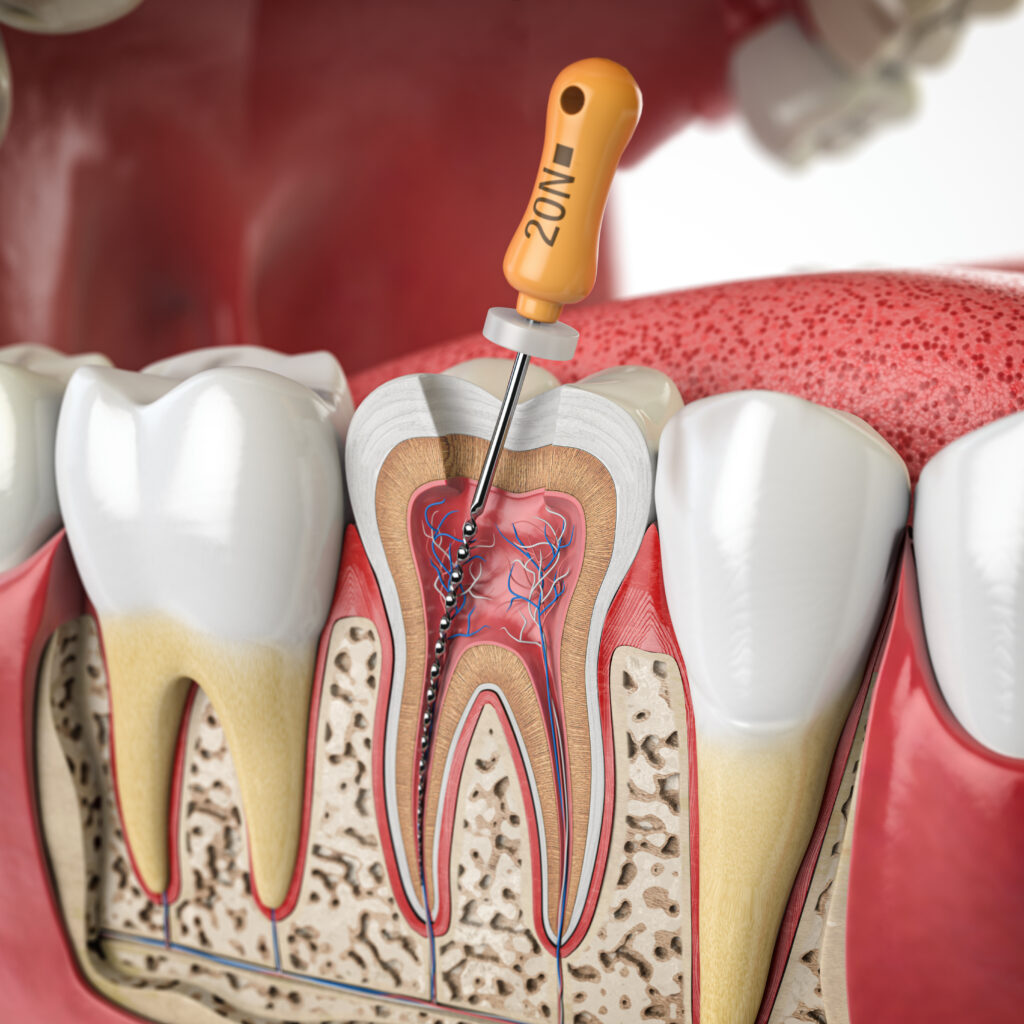
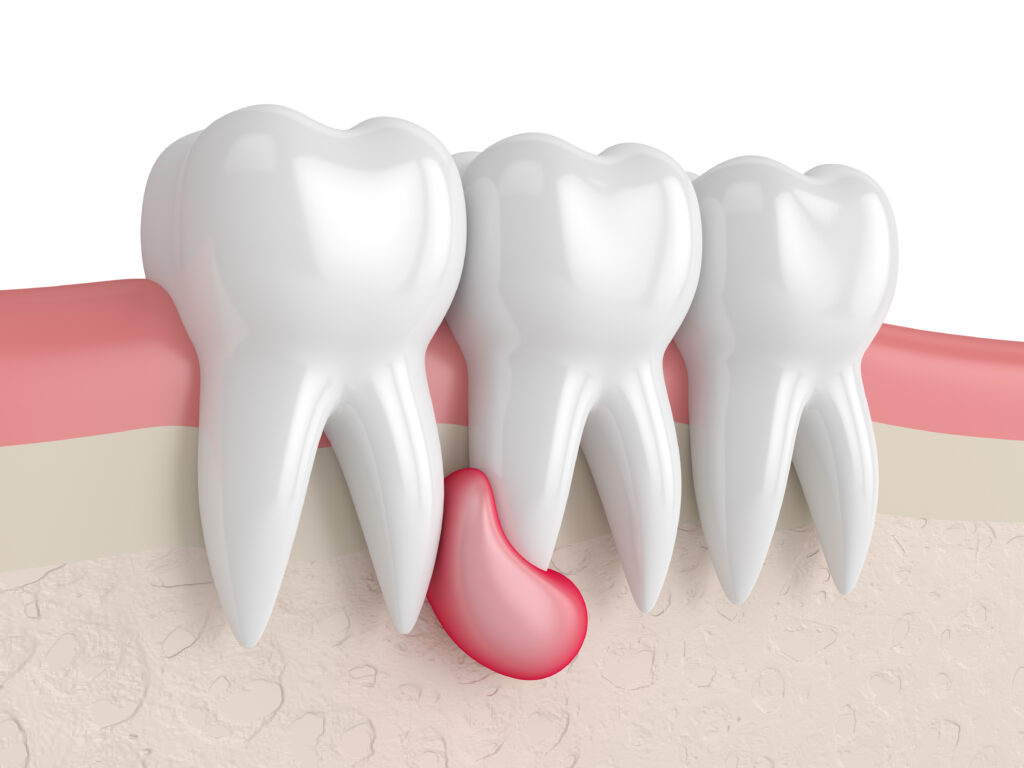
Severe pain and localized gum swelling around a single tooth may indicate the presence of a gingival, periodontal, or periapical abscess. One possible cause of a periapical abscess is advanced tooth decay, which may lead to inflammation and then necrosis of the tooth pulp. Depending on the diagnosis and clinical condition, root canal treatment, abscess drainage, or other dental treatment may be necessary.
Gum swelling may also occur around a partially erupted wisdom tooth. Bacteria and food debris can accumulate beneath the gum flap surrounding it, promoting inflammation. During a dental consultation, the dentist assesses the clinical condition and, if necessary, orders additional diagnostic tests. On this basis, they determine the appropriate course of action, which may include local cleaning of the area around the tooth, treatment of inflammation, or a surgical consultation to assess whether wisdom tooth removal is indicated.
How Is Gum Swelling Diagnosed?
Diagnosis of swollen gums begins with a detailed medical history and a clinical examination of the oral cavity. Its purpose is to determine the cause of the problem and establish whether the swelling is related to gum inflammation, periodontal disease, changes around the tooth root, wisdom tooth eruption, or other disease processes.
At Dynasty Stomatology, the diagnostic process and possible treatment methods are discussed with the patient in detail. The scope of necessary examinations is determined individually, based on symptoms, medical history, and an assessment of the clinical situation, taking medical indications into account.
Medical History and Clinical Examination
During the medical history interview, the dentist determines how long the gum swelling has been present, whether it appeared suddenly or developed gradually, and whether it is accompanied by additional symptoms such as pain, bleeding gums, or fever. Information about possible injuries, medications taken, systemic diseases, pregnancy, and previous dental treatment is also important.
During the clinical examination, the dentist assesses the condition of the gums, including their color, shape, and the presence of swelling, as well as the amount of plaque and tartar and the condition of the teeth. Depending on the indications, they also assess the periodontal tissues, including measuring the depth of gingival and periodontal pockets. A gingival pocket is the natural space between the tooth surface and the surrounding gum. Its pathological deepening may indicate inflammatory changes or periodontal disease.
When Are Imaging Tests, Additional Diagnostics, or a Specialist Consultation Necessary?
If inflammatory changes around the tooth root, an abscess, an impacted wisdom tooth, or advanced periodontal disease are suspected, the dentist may recommend additional imaging tests, such as an X-ray or cone beam computed tomography (CBCT). These tests make it possible to assess anatomical structures that are not visible during a standard clinical examination, including tooth roots and the surrounding bone tissue. The choice of the appropriate diagnostic method depends on medical indications and the patient’s individual clinical situation.
|
Clinical situation |
Purpose of diagnostics |
Possible further management |
|
Pain and swelling around a single tooth |
Assessment of the tooth and surrounding tissues, including the root tip area |
X-ray or imaging diagnostics, restorative, root canal, or surgical treatment |
|
Gum swelling around a wisdom tooth |
Assessment of the tooth’s position and the condition of surrounding tissues |
Imaging diagnostics, local treatment, or surgical consultation |
|
Bleeding gums and increased tooth mobility |
Assessment of periodontal health and possible loss of tooth-supporting tissues |
Periodontal diagnostics and appropriately selected treatment |
|
Unusual change within the gum tissue |
Determining the nature of the change and its possible cause |
Additional diagnostics, specialist consultation, and, in justified cases, a biopsy |
Treatment Options for Swollen Gums
Treatment of swollen gums should focus primarily on eliminating the cause of the problem rather than solely relieving symptoms. If the swelling is related to plaque and tartar buildup, the basis of management is professional oral hygiene treatment and individualized instruction on proper home oral care.
In cases of periodontitis, the dentist develops a treatment plan tailored to the severity of the disease and the patient’s individual clinical situation. Management may include cleaning the tooth root surfaces of bacterial deposits below the gum line, periodontal treatment, and regular follow-up visits. If the cause of the problem is advanced tooth decay leading to irreversible inflammation or necrosis of the tooth pulp, root canal treatment may be necessary. At Dynasty Stomatology, this is also performed using a dental microscope.
If swelling occurs around a wisdom tooth, the dentist assesses its position, the condition of surrounding tissues, and the possibilities for further treatment. Depending on the clinical situation, management may include local cleaning and treatment of inflammation or surgical tooth removal. Antibiotic therapy is used only in justified cases, in accordance with medical indications, and does not replace treatment of the cause of the infection.

What Can Be Done at Home, and When Is a Dental Consultation Necessary?
Until a dental consultation takes place, daily oral hygiene should be continued, using a soft-bristled toothbrush and a gentle brushing technique. Careful cleaning between the teeth is also important, provided that it does not worsen the symptoms. Bleeding gums should not be a reason to stop oral hygiene altogether, as plaque buildup can worsen inflammation.
Avoid mechanically irritating the painful area and do not attempt to puncture the swelling or drain an abscess yourself. Home methods for relieving symptoms may provide temporary relief, but they do not eliminate the causes of swelling, such as infections, tartar buildup, or diseases affecting the tooth pulp.
Urgent dental consultation is indicated if pus discharge, worsening pain, rapidly increasing swelling, fever, or a deterioration in general well-being occurs. Symptoms such as difficulty opening the mouth, swallowing, speaking, or breathing require particular attention. If breathing or swallowing is difficult, immediate medical attention is necessary.
Untreated infections originating from the teeth may lead to serious complications, especially in people with weakened immunity or certain systemic diseases. Therefore, diagnosis and appropriate treatment should not be postponed.
How Should You Prepare for a Dental Consultation and Choose the Right Specialist?
Before a dental consultation, it is worth preparing information about when the swelling appeared, its location, and any accompanying symptoms, such as pain, bleeding gums, pus discharge, fever, or difficulties while eating. It is also important to inform the dentist about medications taken, chronic conditions, and previous dental treatment.
The first stage of management is a dental consultation, during which the dentist performs a clinical examination and determines the scope of necessary diagnostics. Depending on the diagnosis, they may recommend professional oral hygiene treatment, restorative or periodontal treatment, and, if surgical treatment is indicated, consultation with an oral surgeon.
At Dynasty Stomatology, patients have access to on-site dental diagnostics and consultations in Polish, English, Ukrainian, and Russian.
Frequently Asked Questions
-
Slight swelling caused by irritation may resolve after its cause has been eliminated and oral hygiene has improved. However, if the swelling persists, worsens, or is accompanied by other symptoms, a dental consultation is necessary.
-
Localized gum swelling may be related to periodontal inflammation, an abscess, trauma, changes around the tooth root, or wisdom tooth eruption. Determining the cause requires a dental examination.
-
Yes, bleeding while brushing is one of the common symptoms of gingivitis. However, it may also have other causes, so recurring bleeding requires a dental consultation.
-
Urgent dental consultation is necessary if pus discharge, fever, worsening pain, or facial swelling occurs. Difficulty breathing or swallowing requires immediate medical attention.
Swollen gums can have various causes, which is why proper diagnosis is the basis of effective treatment. During a consultation at Dynasty Stomatology, the dentist will assess the condition of the oral cavity, determine the possible causes of the problem, and present appropriate treatment methods tailored to the individual clinical situation.
Book a consultation at Dynasty Stomatology and receive a professional assessment of your oral health and individualized recommendations for further management.