

Mouthwash can be a valuable addition to daily oral hygiene, but it does not replace brushing your teeth with fluoride toothpaste or cleaning between your teeth.
The effectiveness of a product depends primarily on its ingredients, the concentration of active substances, and how it is used. Different mouthwashes serve different purposes—some help protect against tooth decay, while others help control bacterial plaque, relieve symptoms associated with dry mouth, or support oral hygiene during orthodontic treatment. Therefore, the choice of product should take individual needs and oral health into account.
Is Mouthwash Necessary for Daily Oral Hygiene?
Using mouthwash is not necessary for every patient. When oral hygiene is good and includes thorough tooth brushing and regular cleaning between the teeth, an additional product is not always needed.
However, there are situations in which mouthwash may provide additional benefits. Products containing fluoride may support tooth decay prevention, especially for people at an increased risk of developing cavities. Antiseptic mouthwashes, on the other hand, are sometimes recommended as an addition to the treatment of gum inflammation or in certain situations after dental procedures. Some products are also intended for people with dry mouth or tooth sensitivity.
It is worth remembering that not every mouthwash is suitable for long-term use. Products containing stronger antiseptic substances, such as chlorhexidine, should be used according to a dentist’s recommendations, as improper or overly prolonged use may cause side effects, including tooth staining and changes in taste perception.
Types of Mouthwash – Which Ingredients Should You Look For?
Mouthwashes differ in their composition, active ingredient content, and intended use. When choosing the right product, it is worth considering the type and concentration of active ingredients, indications for use, and the manufacturer’s recommendations. An intense flavor or feeling of freshness does not indicate a product’s effectiveness or its suitability for specific oral health needs.
Fluoride Mouthwashes – Tooth Decay Prevention
Mouthwashes containing sodium fluoride support tooth decay prevention, especially in patients at increased risk of developing cavities. Fluoride helps remineralize tooth enamel and increases its resistance to acids. However, the foundation of prevention remains regular brushing with fluoride toothpaste, proper oral hygiene, and limiting frequent consumption of products containing sugars. Mouthwash should be used according to the manufacturer’s instructions or a dentist’s individual recommendations.
Antibacterial Mouthwashes – Support in Treating Gum Inflammation
Antibacterial mouthwashes may be recommended as an addition to the treatment of gum inflammation and bleeding, as well as after selected dental procedures. They help reduce the amount of bacteria and plaque buildup, but they do not eliminate the causes of symptoms, such as the presence of tartar. Products containing strong antiseptic substances should be used according to a dentist’s recommendations, as long-term use may cause side effects.
Mouthwashes for Tooth Sensitivity and Dry Mouth
For tooth sensitivity, which may include pain when drinking cold beverages, mouthwashes containing ingredients that reduce sensitivity may be helpful. Products intended for people with dry mouth help moisturize the oral mucosa and relieve the feeling of dryness and burning. If symptoms persist or return, a dental consultation is recommended to determine their cause.
Mouthwashes During Orthodontic Treatment
Mouthwashes designed for patients undergoing orthodontic treatment may support daily oral hygiene, especially when components of fixed braces make thorough tooth cleaning more difficult. They complement brushing and cleaning between the teeth. The choice of a suitable product should take into account the condition of the gums, the risk of tooth decay, and the orthodontist’s individual recommendations.
How to Choose the Right Mouthwash?
Choosing a mouthwash should be based primarily on individual needs and its properties, rather than the brand or flavor. It is worth paying attention to the product’s ingredients, including its alcohol content, age recommendations for the user, and the permitted duration of use.
|
Need |
Type of mouthwash |
What should you look for? |
When should you consult a dentist? |
|
Increased risk of tooth decay |
Fluoride mouthwash |
Fluoride content and concentration |
If cavities occur frequently |
|
Bleeding gums |
Antiseptic mouthwash |
The type of active ingredient and recommended duration of use |
If bleeding, swelling, or redness of the gums occurs |
|
Tooth sensitivity |
Mouthwash intended for sensitive teeth |
The presence of ingredients that reduce sensitivity |
If symptoms are severe, persistent, or affect a single tooth |
|
Dry mouth |
Moisturizing mouthwash |
Moisturizing ingredients and no alcohol |
If dryness persists or is accompanied by burning |
|
Treatment with fixed braces |
Mouthwash that supports orthodontic hygiene |
Fluoride content and a formula suited to the patient’s needs |
If gum bleeding, irritation, or white spots on the enamel appear |
When and How Should You Use Mouthwash?
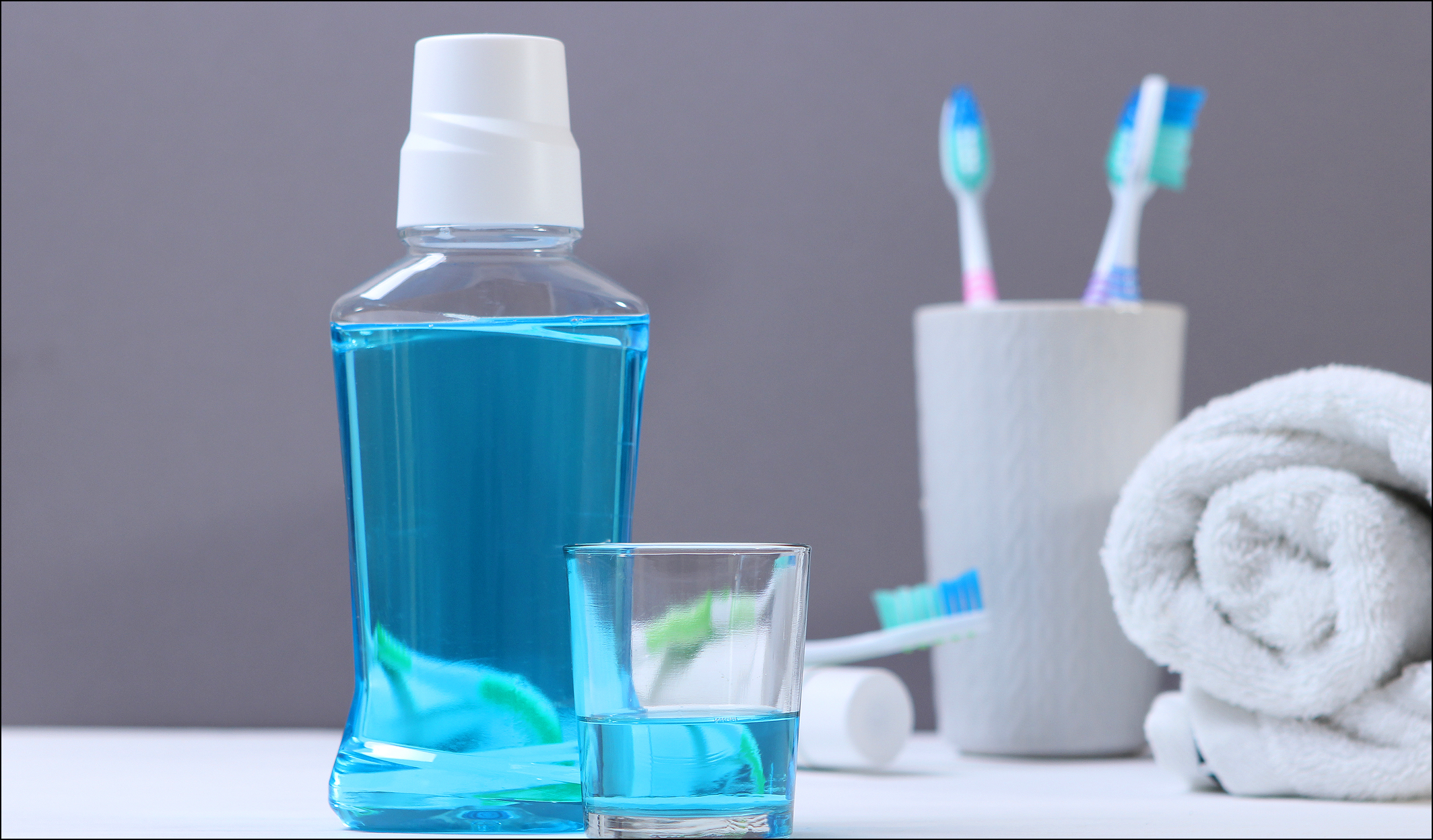
Mouthwash should be used as a complement to daily oral hygiene, following recommendations regarding the amount of product, rinsing time, and frequency of use. It is worth remembering a few basic rules:
- Brush your teeth thoroughly with toothpaste.
- Clean between your teeth with floss or an interdental brush.
- Use the mouthwash according to the manufacturer’s instructions.
- Spit out the product after rinsing—do not swallow it.
Should You Use Mouthwash Before or After Brushing Your Teeth?
Mouthwash is most often used after cleaning your teeth, but the correct order depends on the recommendations of the manufacturer of the specific product. Avoid using several products with similar effects at the same time without appropriate indications. The foundation of daily oral hygiene remains regular brushing with fluoride toothpaste.
How Long Should You Use Mouthwash After a Dental Procedure?
After a tooth extraction, periodontal procedures, or other dental treatments, mouthwash should be used only according to the dentist’s individual recommendations. It is important to determine when rinsing can begin, how it should be done, and how long the product should be used. Rinsing your mouth too vigorously immediately after a procedure may disrupt the healing process.
Safety of Using Mouthwash – Alcohol, Use in Children, and Possible Side Effects
The safety of mouthwash use depends primarily on its ingredients, the patient’s age, and following the manufacturer’s recommendations. Products containing alcohol may cause discomfort, especially in people with dry mouth or irritated oral mucosa. If burning, severe irritation, a rash, or swelling occurs, stop using the product and consult a doctor. Sudden swelling of the tongue or throat, or difficulty breathing, requires urgent medical attention.
Possible side effects include temporary taste disturbances, irritation of the oral mucosa, and tooth staining, especially when using products containing chlorhexidine. Do not exceed the recommended frequency or duration of mouthwash use.
Is Mouthwash Safe for Children?
Mouthwash may be used by children, provided that the product is selected appropriately for their age and that they are able to rinse and spit it out independently. Its use is generally not recommended for children under 6 years of age unless a dentist decides otherwise. For older children, rinsing should take place under adult supervision, according to the manufacturer’s instructions or the dentist’s recommendations.
When Should You Stop Using Mouthwash and Consult a Dentist?
If burning, swelling, symptoms of an allergic reaction, or severe irritation of the oral mucosa occur, stop using the mouthwash and consult a doctor. A dental consultation is also recommended in the case of persistent gum bleeding, pain, bad breath despite proper hygiene, severe dry mouth, or recurring changes to the oral mucosa.
When Is It Worth Scheduling a Dental Consultation?
A dental consultation is recommended in the case of bleeding gums, pain, persistent dry mouth, or an increased risk of tooth decay. During the appointment, the dentist assesses the condition of the teeth and gums, determines the cause of the symptoms, and selects appropriate hygiene and preventive methods based on the patient’s individual needs.
Before the consultation, it is worth noting how long the symptoms have been present, which factors worsen them, and which products have been used so far. A properly selected mouthwash may support dental prevention and treatment, but it does not replace basic hygiene practices or diagnostic evaluation of persistent symptoms.
Frequently Asked Questions
-
No, daily use of mouthwash is not necessary for every patient. The frequency of use depends on the type of product, oral health status, and the dentist’s individual recommendations. Mouthwashes may also help freshen breath, but this effect can be short-lived and does not eliminate the cause of persistent bad breath. Products should be used according to the manufacturer’s recommendations, taking into account the frequency of use and the user’s age.
-
No, mouthwash does not replace brushing your teeth or cleaning between your teeth. It does not provide mechanical removal of plaque, so it should be treated only as a complement to daily oral hygiene.
-
For bleeding gums, a dentist may recommend an antiseptic mouthwash as an addition to treatment. However, determining the cause of the symptoms is essential, as bleeding often accompanies gum inflammation associated with the buildup of bacterial plaque and tartar. In such situations, professional dental cleaning and appropriately selected dental care may be necessary.
-
Yes, some antiseptic mouthwashes, especially those containing chlorhexidine, may cause tooth staining with long-term use. Do not extend the recommended period of use on your own. If discoloration or deposits appear on the surface of your teeth, it is worth consulting a dentist.
Not sure which mouthwash will be right for you? Do you have questions about daily oral hygiene, or have you noticed concerning symptoms such as bleeding gums, tooth sensitivity, or dry mouth?
Schedule a dental consultation at Dynasty Stomatology in Krakow. During the appointment, the dentist will assess your oral health, provide individualized hygiene recommendations, and help select suitable products for daily care.