

Why Can a Tooth Hurt After a Root Canal?
During root canal treatment, the pulp is removed from inside the tooth—the tissue that contains, nerves and blood vessels. However, the periodontal ligament remains around the root. This is a nerve- and blood-supplied tissue that connects the tooth root to the surrounding bone. Irritation of this tissue during root canal preparation or as a result of pre-existing inflammation may cause temporary pain or tenderness after a root canal, especially when biting down or applying pressure.
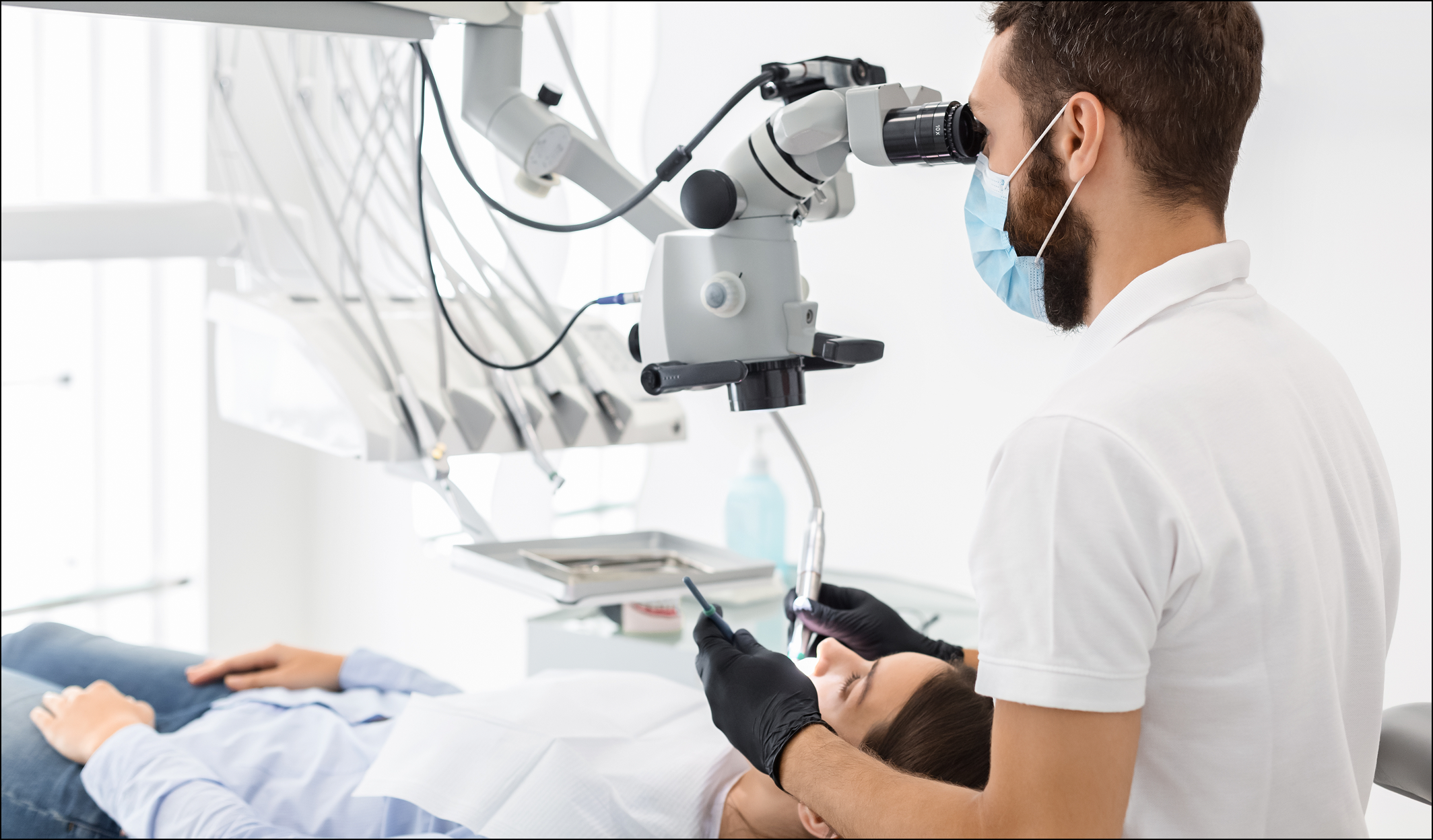
At Dynasty Stomatology, root canal treatment and root canal retreatment are performed by experienced dentists specializing in endodontics. Procedures are carried out using a microscope, which allows for precise treatment of the root canal system. Before every treatment, thorough diagnostics are performed, on the basis of which further care is planned individually.
Even after a properly performed procedure, the tissues surrounding the tooth root may remain sensitive for some time. Therefore, temporary tenderness or discomfort after treatment does not always indicate complications.
Which Symptoms After a Root Canal Are Normal?
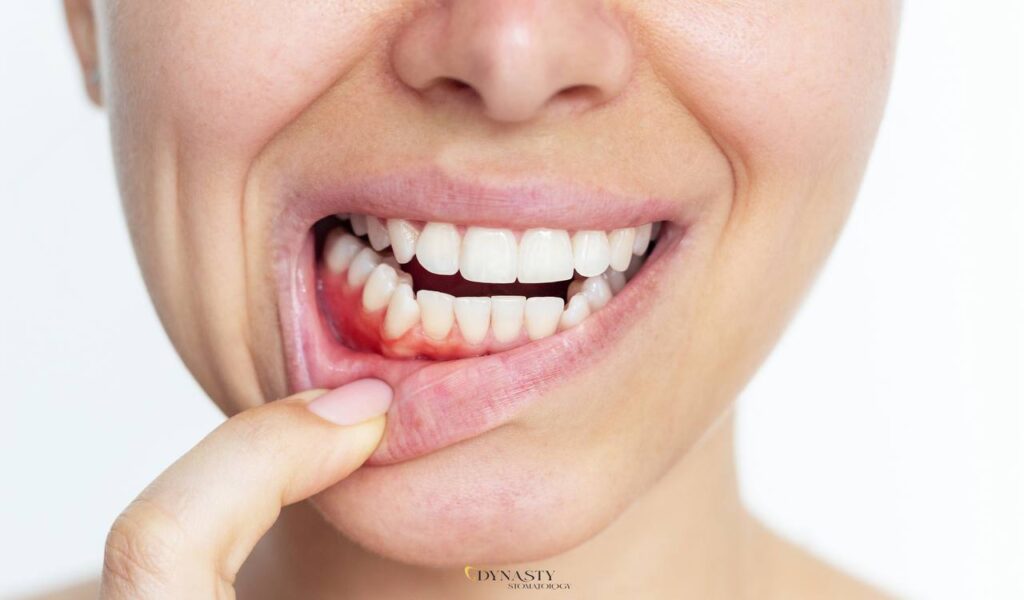
After endodontic treatment, moderate tooth tenderness, dull pain, or discomfort may occur. These symptoms should gradually lessen day by day. Temporary gum tenderness around the treated tooth is also possible.
After the procedure, you may also feel as though the treated tooth is “higher” and makes contact with the opposing teeth first when biting down. If this feeling does not go away or clearly makes proper biting difficult, a dental check-up is recommended. Do not attempt to adjust the tooth yourself.
How Long Does Pain Last After a Root Canal?
Symptoms after a root canal are usually most noticeable during the first 24–48 hours and should then gradually decrease. For most patients, they become noticeably milder and resolve within about a week. If extensive inflammation was present before treatment began, tooth tenderness—especially when biting down—may persist longer.
It is important that symptoms gradually lessen over time. The rate at which they resolve can vary from person to person.
Why Can a Tooth Be Tender When Biting Down?
When biting down, chewing forces affect the treated tooth and the tissues surrounding its root, including the periodontal ligament. If these tissues remain irritated after the procedure or due to pre-existing inflammation, pressure may cause temporary tenderness or discomfort. Such symptoms do not necessarily indicate complications after root canal treatment.
After a longer appointment, temporary discomfort in the chewing muscles or temporomandibular joints may also occur due to keeping the mouth open for an extended period. However, if the treated tooth continues to feel “too high” for a longer time or makes contact with the opposing teeth first when biting down, a check-up and bite assessment are recommended.
When Should Pain After a Root Canal Be Concerning?
Severe pain after a root canal that worsens instead of gradually improving should be discussed with a dentist. Increasing swelling, fever, or other symptoms that may indicate developing inflammation also require consultation.
Symptoms Requiring Urgent Consultation
- rapidly increasing swelling of the gums, the area around the treated tooth, or the face,
- fever or a clear decline in general well-being,
- the appearance of purulent discharge,
- a painful lesion or “bump” on the gum,
- severe pain that makes it difficult to sleep, eat, or function normally,
- pain that clearly worsens after several days instead of improving.
When contacting the clinic, it is helpful to describe the nature and severity of your symptoms and report any swelling or fever. This information will facilitate an initial assessment of the situation and help determine how urgently a consultation is needed.
At Dynasty Stomatology, in cases of acute pain, we make every effort to offer patients the earliest possible consultation appointment, including—depending on current availability—an appointment on the same day.
Can Pain Return After a Root Canal?
Yes, pain may reappear several months or even years after root canal treatment has been completed. However, this is not a typical part of the healing process, so recurring pain should be discussed with a dentist.
Particular attention should be paid to pain that occurs after a long period without any symptoms, worsens when biting down, or is accompanied by swelling. In such a situation, a dental examination is recommended to determine the source of the symptoms.
Why Can Tooth Pain Return After a Root Canal?
There can be various reasons for pain to return. Symptoms may be related, among other things, to a cracked tooth, reinfection of the root canal system, the presence of a previously undetected canal, or inflammation around the tip of the tooth root.
Not every recurrence of pain has the same cause, and not every case requires the same approach. Determining the source of the symptoms requires a clinical assessment and, depending on the indication, radiographic diagnostics as well. Based on the examination results, the dentist can determine the cause of the pain and plan appropriate further care.
Why Is It Better Not to Delay a Check-Up?
An early dental consultation makes it possible to assess the condition of the treated tooth and identify possible sources of the symptoms. The need for a check-up alone does not mean that the root canal treatment must be repeated—further care is selected individually based on the clinical findings and diagnostic results.
Early assessment makes it possible to take appropriate action and, if indicated, plan further treatment.
Care After a Root Canal – When Is a Check-Up Needed?
After root canal treatment is completed, an important step is assessing how the tooth should be permanently restored. Depending on the amount and condition of the remaining tooth structure, a prosthodontic consultation may be recommended. During this appointment, the dentist will assess the appropriate restoration method and whether a dental crown is indicated.
The treated tooth should also remain under regular dental supervision, in accordance with the dentist’s individual recommendations.
Frequently Asked Questions
-
Yes, moderate tenderness or dull pain may be normal if it becomes milder each day. Worsening pain requires a dental consultation.
-
Symptoms are usually most noticeable during the first 24–48 hours after treatment and should then gradually decrease. For most patients, they resolve within about a week.
-
Yes, temporary tenderness when biting down may occur after root canal treatment and is often related to irritation of the tissues surrounding the tooth root, including the periodontal ligament. Symptoms should gradually lessen rather than worsen.
-
Yes, in some cases, root canal retreatment may be necessary, for example, in the event of reinfection of the root canal system or the presence of a previously undetected canal. The dentist decides on further treatment based on a clinical examination and appropriate diagnostics.
-
Until the tooth has been permanently restored, it is advisable to avoid biting very hard foods with the treated tooth, especially if it has been temporarily restored or remains tender. You should also not attempt to adjust your bite yourself or put excessive pressure on the treated tooth.
-
After root canal treatment is completed, a prosthodontic consultation is recommended to assess the possibilities and appropriateness of restoring the tooth. Taking into account the condition and amount of remaining tooth structure, its location, and bite conditions, the dentist selects the appropriate restoration method and assesses whether a dental crown is indicated.
If pain does not go away, worsens, or returns after a symptom-free period, or if swelling occurs, it is recommended to contact the clinic to arrange a consultation: +48 576 676 266.