



Tooth extraction is a necessary dental procedure often required when a tooth cannot be preserved. Extraction may be needed due to severe tooth damage, untreatable decay, chronic inflammation, trauma, advanced mobility, or as preparation for orthodontic treatment, prosthetics, or dental implants. Timely removal of a tooth can help prevent complications and support overall dental care.


Preparation.

Anesthesia.

Jaw stabilization.
Indications for Tooth Extraction
Tooth extraction is performed only when other treatment methods are no longer effective or possible.
Main indications for when it may be necessary to remove the teeth:
- Deep destruction of the tooth that cannot be restored with a filling or crown
- Chronic inflammatory processes — periodontitis, cysts, abscesses with infection or pus
- Severe tooth mobility due to periodontal disease or other gum conditions
- Trauma or root fracture that cannot be treated
- Impacted or misaligned wisdom teeth causing bite issues, pain, or inflammation
- Preparing the jaw for braces or prosthetics where space must be made
- Failed repeat root canal treatments with ongoing symptoms
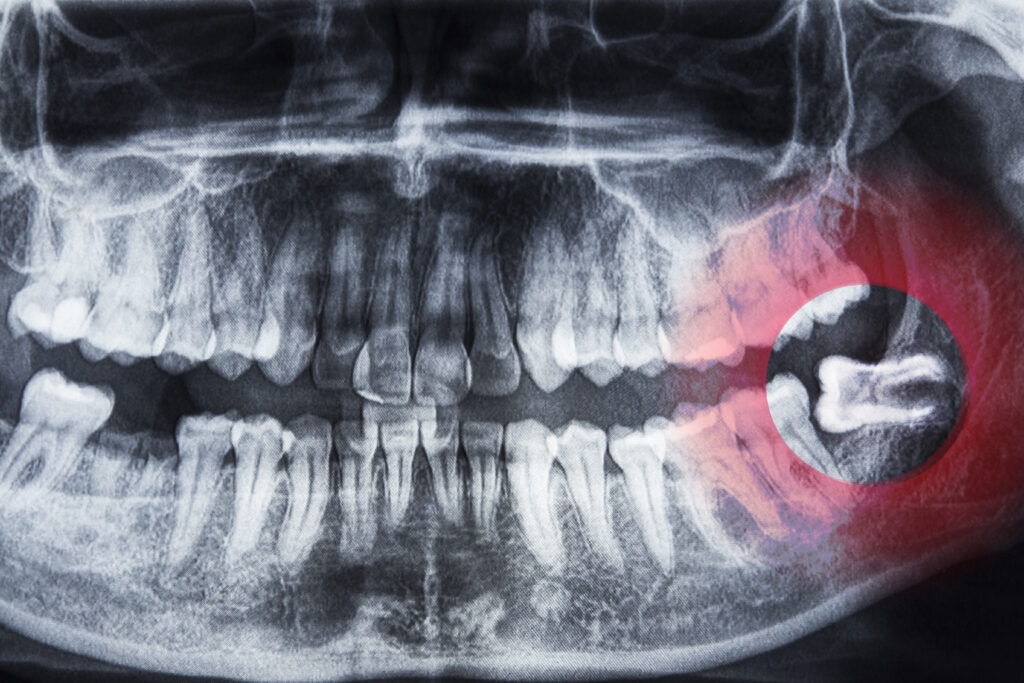
Tooth extraction - price in Krakow
-
Surgical consultation
250 PLN -
Tomography of 1 jaw
250 PLN -
Tomography of 2 jaws
350 PLN -
Baby tooth extraction
200‑350 PLN -
Tooth extraction
310‑800 PLN -
8-th tooth extraction
530‑2 000 PLN
How the Dynasty Stomatology dental clinic's loyalty program works
Learn more about the loyalty program
Step 01
Visit the clinic and scan the QR code at the reception desk
Step 02
Register online — enter your details
Step 03
Receive and accumulate points after each visit
Do you want to treat your teeth while you sleep?
Schedule an appointment!
By clicking the button, you give your agreet your personal data in accordance with privacy policy.
Frequently asked questions about tooth extraction
-
No, local anesthesia is used during the procedure to eliminate pain.However, you may feel pressure or movement in the tooth. Tenderness is possible after the anesthetic wears off, and your doctor will provide recommendations for relieving this discomfort.
-
Initial wound healing usually takes a few days, but full tissue remodeling takes longer. The time depends on the type of extraction, health status, and compliance. Swelling may persist after surgical removal of wisdom teeth.
-
You can drink water after the procedure once the risk of biting your numb lip or cheek has passed. Wait to eat as directed by your doctor, usually choosing cool, soft foods and biting on the opposite side. Avoid hot drinks and using a straw.
-
It's a good idea to eat a light meal before the procedure, as you won't be able to eat or drink for about two hours after the extraction. It's important to inform your doctor about any medications you're taking (especially those affecting blood clotting), chronic illnesses, and allergies. Avoid drinking alcohol on the day of the procedure. It's a good idea to bring any previous X-ray results if they were performed elsewhere.
-
The duration of an extraction depends on the complexity of the case. A simple tooth extraction typically takes 5 to 20 minutes. A surgical extraction—for example, the removal of an impacted wisdom tooth—can take anywhere from 30 minutes to an hour. This time does not include preparation and anesthesia.
-
In most cases, yes. Even a single missing tooth can lead to shifting of adjacent teeth, jaw bone loss, and bite problems. The most common replacement methods are a dental implant, a dental bridge, or a denture. At Dynasty Stomatology, we also offer single-stage implantation—the implant can be placed immediately after tooth extraction during the same visit.
Dentists who perform tooth extractions
View all doctors
Kostiantyn Danyliuk
Oral Surgeon, Implantologist
Konstantin is a skilled specialist who combines in-depth knowledge and cutting-edge technology to achieve the best results. He maintains active com...

Rafal Kazanecki
Oral surgeon, implantologist
His experience in implantology and surgery allows him to effectively implement modern technologies, enabling quick and safe procedures. Rafał activ...
Reviews of tooth extraction in Krakow
Expert articles on the topic
View all blog-
02.10.2026
6
4 min. read
Toothache, swelling or chipping: what to do in an emergency and how not to harm yourself
Toothache, swelling or sudden chipping always happen at the wrong time. In the evening, on a day off, on the road or before an important meeting. At such moments, people usually google the same thing: “what to do if your tooth hurts” or “swollen cheek — what to do immediately”. Some actions can indeed be […]
Read more -
02.06.2026
323
7 min. read
Tooth Extraction – What You Need To Know
Tooth extraction is one of those procedures that people dread beforehand. Many imagine severe pain, a long recovery, and unpleasant…
Read more -
24.02.2026
430
8 min. read
Understanding Oral Surgery — What You Need to Know
Until recently, a visit to the dentist was associated with significant discomfort. Uncomfortable impressions, long waits, and the need for…
Read more -
19.12.2025
816
8 min. read
Tooth root resection – when should the apicoectomy be performed?
Sometimes dental problems develop unnoticed. Everything appears normal on the outside, but inflammation can gradually develop inside, right at the…
Read more -
17.12.2025
658
5 min. read
Do Wisdom teeth always need to be removed – Debunking Common Myths
Wisdom teeth are the teeth that most often cause unexpected issues. Some people live with them comfortably throughout their lives, while for others, they develop into impacted teeth, causing complications. Wisdom teeth behave differently, and there’s no single answer — to remove or not to remove. A personalized approach is essential to determine whether wisdom […]
Read more -
25.11.2025
791
7 min. read
Frenulum cutting in children – when should the frenulum be cut
Many children struggle with a problem that can impact proper speech development and eating comfort – a tongue or lip frenulum that is too short or improperly attached. While this is often noticeable in infants, the problem may go unnoticed until preschool age. Lip frenulum cutting in adults may be indicated in cases of limited […]
Read more


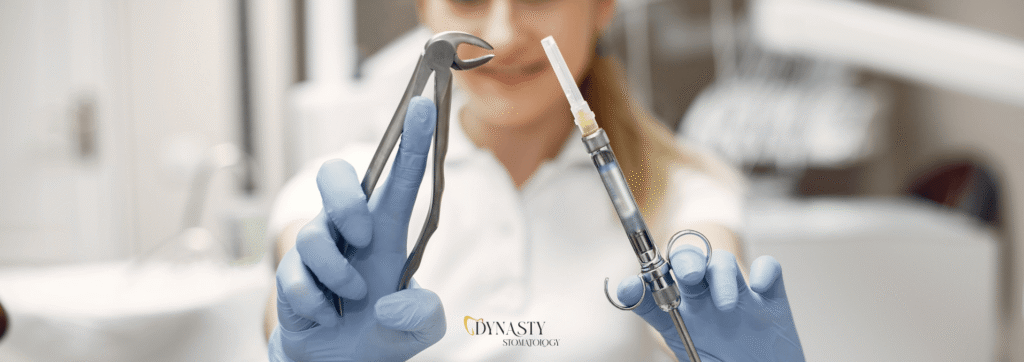






Tooth extraction in Krakow – what does the procedure involve?
Tooth extraction is a procedure involving the removal of a tooth that can no longer be effectively treated or preserved.In Krakow, it is performed by a dentist or dental surgeon after an examination, medical interview and often after evaluating an X-ray image.
This text is intended for patients who experience pain, have a damaged tooth, or have been referred for tooth extraction in Krakow. The decision to extract a tooth shouldn’t be based solely on pain or the tooth’s appearance. The dentist assesses the roots, bone condition, and gums, as well as the possibility of conservative treatment or a root canal.
At Dynasty Stomatology, the dental surgeon discusses the treatment plan in a language understandable to the patient, including Polish, Ukrainian, English and Russian.
When is tooth extraction necessary?
Extraction is usually the last resort. It’s worth preserving your own tooth if it can be restored or undergo root canal treatment, which involves cleaning and filling the interior of the infected pulp.
The most common indications for extraction
Teeth that are irreversibly damaged by caries, have a fractured root, or are in advanced inflammation may qualify for extraction. Other indications include significant tooth mobility associated with periodontal disease, and impacted teeth that have not erupted properly. Eligibility is determined by an examination, not by the description of symptoms alone.
Do wisdom teeth always need to be removed?
No, asymptomatic wisdom teeth do not need to be removed. A surgeon may recommend extraction if a wisdom tooth is impacted, causes recurrent gingivitis, has difficult-to-treat decay, or is painful or damaging the adjacent wisdom tooth. A panoramic X-ray or CBCT scan can be helpful.
How is painless tooth extraction performed?
The procedure is performed under local anesthesia. The patient should feel no pain, but may feel pressure, pressure, or gentle movement of the tooth. After removal, the doctor secures the socket with gauze and, if necessary, stitches.
Examination, X-ray and anesthesia
The visit begins with a discussion about chronic illnesses, allergies, and medications. The doctor examines the oral cavity, and an X-ray shows the number, shape, and position of roots, as well as their relationship to important anatomical structures.
After administering local anesthesia, it’s necessary to wait for it to take effect. Patients often fear pain, but later report a feeling of pressure. If pain persists despite the anesthesia, report it to your doctor immediately.
Simple extraction vs. surgical tooth removal
Simple extractions usually involve a tooth that’s easily accessible above the gum line. The surgeon gently loosens the tooth in its socket and removes it using appropriate instruments.
Surgical removal may be necessary for impacted wisdom teeth, fractured teeth, or abnormally positioned roots. It may require cutting the gums, exposing a section of bone, or dividing the tooth into sections. The degree of difficulty influences the length of the appointment, post-treatment recommendations, and cost.
How to prepare for extraction and how to care for the wound?
The attending physician provides recommendations tailored to the specific procedure and the patient’s health. It’s not advisable to replace them with advice from the internet, especially after surgical removal of wisdom teeth.
Preparing for the visit
You can usually eat a light meal before your scheduled extraction, unless your doctor instructs you otherwise. It’s a good idea to bring a list of your medications to your appointment and inform them of any pregnancy, diabetes, heart disease, bleeding disorders, or current infections.
You should not discontinue anticoagulants on your own. The decision to change them is made by your doctor, in collaboration with your dentist, if necessary.
Recommendations after tooth extraction and warning signals
Bite on the gauze for the time recommended by your doctor. For the first 24 hours, do not rinse your mouth vigorously, smoke, drink alcohol, or exercise. The clot in the socket protects the wound and supports the healing process.
Contact your dentist immediately if you experience heavy bleeding, fever, increasing swelling, or pain that visibly worsens instead of subsiding. Any unusual odor or taste from the wound also requires evaluation by a dentist.
Tooth extraction – price in Krakow
The price of a tooth extraction in Krakow depends primarily on the type of tooth and the complexity of the procedure. The simple removal of a loose tooth is priced differently than the surgical extraction of an impacted wisdom tooth. An X-ray or CT scan may be necessary before the procedure, followed by suturing and a follow-up visit.
| Type benefits | Co affects the valuation |
| Extraction simple | location tooth, condition of the crown and roots |
| Extraction surgical | detention tooth, need for incision and suturing |
| Removal eighths | arrangement roots, proximity to anatomical structures, diagnostics |
| Procedures additional | RTG, CBCT scan, material for securing the socket, control |
A reliable estimate should be prepared after consultation and diagnosis, detailing the elements of the plan.
How to choose a tooth extraction clinic in Krakow?
When searching for an oral surgeon in Krakow, check whether the facility performs diagnostic imaging on-site and presents a treatment plan before the procedure. Ask who will perform the extraction, what the follow-up is like after the appointment, and whether the office offers follow-up care if the wound isn’t healing properly.
A clear discussion about risks, anesthesia, and costs, without any promises of absolute results, is a good sign. If you experience significant anxiety, mention it before your appointment. This allows the doctor to discuss available support options and safe preparation. The next step is a consultation with an examination and X-rays, which will help determine whether the tooth needs to be extracted or can be saved.