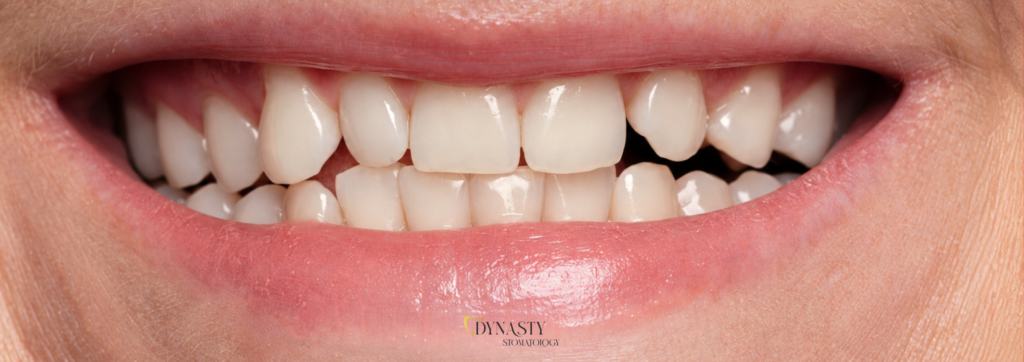


Tooth extraction is one of those procedures that people dread beforehand. Many imagine severe pain, a long recovery, and unpleasant consequences. But in practice, everything usually goes much more smoothly than it seems before visiting the dentist.
Today, tooth extraction is a safe and well-controlled procedure performed with modern anesthesia and minimally invasive techniques.
In this article, we’ll discuss when tooth extraction is actually necessary, how the procedure is performed, whether it’s painful, how long the recovery takes, and what to do after the extraction to avoid complications. In this article, we explain everything in simple and clear language.
What is Tooth Extraction?
Tooth extraction is a dental procedure in which a dentist removes a tooth from the jawbone. This treatment is performed when the tooth cannot be restored or when saving it would cause complications.
Tooth extraction involves several stages:
- separating the periodontal ligament around the tooth;
- loosening the tooth — the dentist gently separates it from the surrounding tissues and bone;
- removing the tooth from the socket;
- cleaning the socket;
- post-extraction wound care — usually, a gauze pad is applied, and in some cases, stitches.
The procedure can be simple or surgical, depending on the condition of the tooth and the complexity of the case.
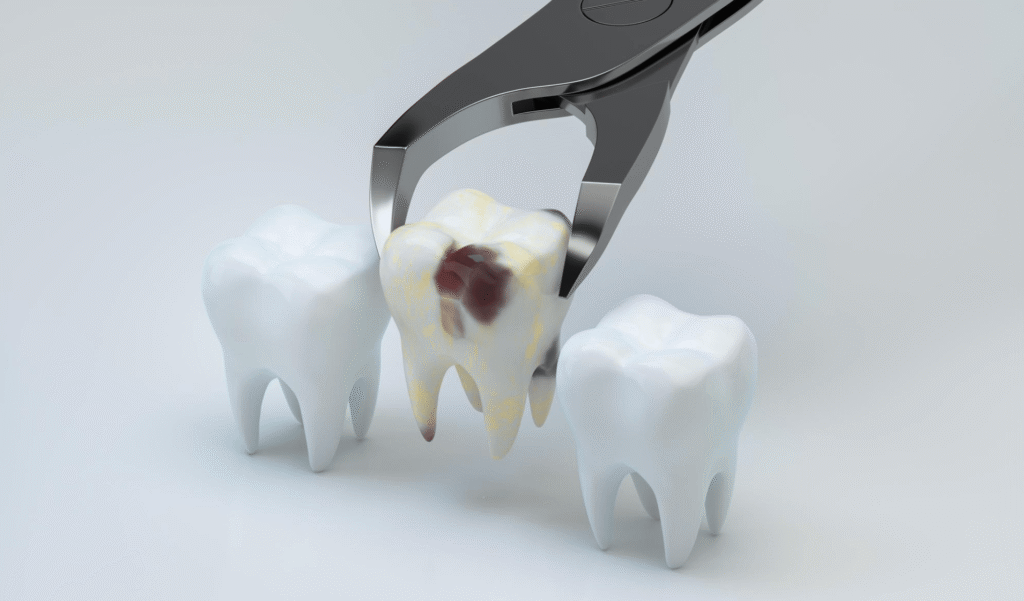
Indications for Tooth Extraction
There are several common reasons for tooth removal. The most common is deep caries or severe tooth decay, in which the tooth tissue is severely damaged.
Removal may also be necessary for:
- severely damaged teeth that cannot be restored with a crown;
- baby teeth that interfere with the eruption of permanent teeth;
- loose teeth due to severe periodontitis;
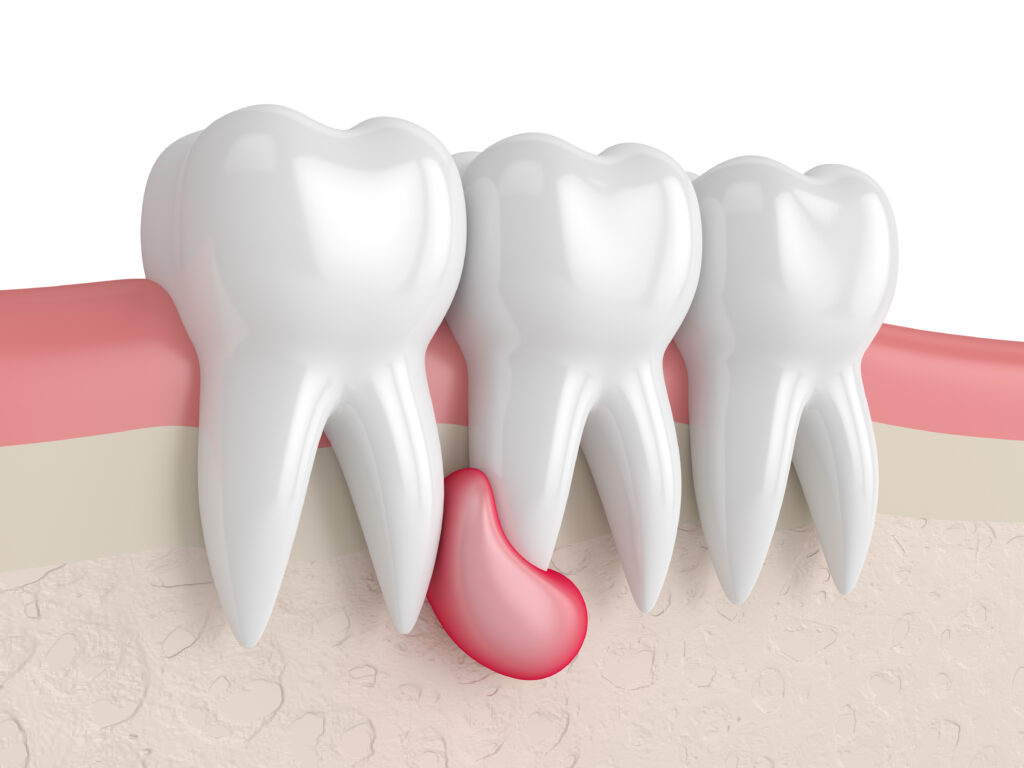
- bacterial infection around the tooth;
- root or crown fractures with displacement;
- dislocated teeth due to trauma;
- developmental abnormalities, including impacted teeth;
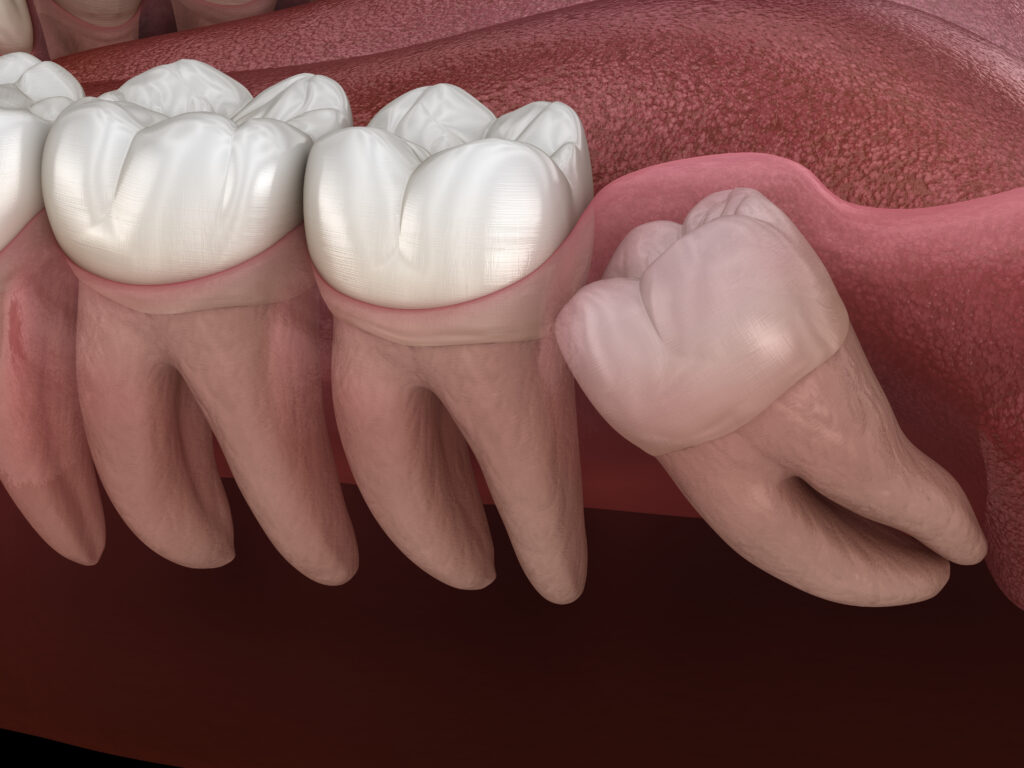
- wisdom teeth that are partially erupted or unable to erupt properly.
Sometimes a patient urgently requires an emergency tooth extraction if there is severe pain, swelling, or inflammation.
What Does a Tooth Extraction Procedure Look Like?
Tooth extraction is performed under local anesthesia, so the patient usually feels no pain. Depending on the condition of the tooth and the complexity of the case, the extraction can be simple or surgical.
Simple Extraction
Simple extraction is performed if the tooth is completely visible above the gum and can be easily removed. The dentist gently loosens the area around the tooth and then extracts the tooth from its socket using special instruments. After the procedure, the doctor places a gauze over the extraction site to create a blood clot and initiate the normal healing process.
Surgical Extraction
Surgical extraction is required in more complex cases — for example, if the tooth has not fully erupted or is severely decayed. In this case, the dentist or oral surgeon may make a small incision in the gum to expose the tooth. Sometimes the tooth may be sectioned for safer extraction.
How to Prepare for a Tooth Extraction?
Proper preparation helps reduce the risk of complications and facilitates tooth extraction recovery. Before the procedure, the dentist will conduct an examination, assess the condition of the tooth, and prescribe additional tests if necessary.
Medical Interview and Additional Tests
Before the extraction, the doctor will review the patient’s general health, allergies, and chronic illnesses. In some cases, an X-ray or CT scan may be necessary to assess the bone surrounding the tooth and the position of the roots.
Hydration and Meal
Before the procedure, it is recommended to eat well and drink plenty of water, unless otherwise advised by the doctor. This will help the body cope with the procedure and subsequent recovery.
Oral Hygiene
Before the appointment, it is important to brush your teeth and maintain good oral health thoroughly. After the extraction, it is important to follow the post-extraction care instructions and gently cleanse your mouth to avoid damaging the socket.
Anesthesia and General Anesthetic before Tooth Extraction
Before tooth extraction, the dentist selects the appropriate type of anesthesia based on the complexity of the procedure and the patient’s condition. In most cases, local anesthesia is used, ensuring the patient feels no pain during treatment.
If the extraction is more complicated, sedation or general anesthesia may be used. This option helps the patient feel more relaxed during the procedure.
Many patients are concerned about possible pain after tooth extraction, but modern anesthesia methods make the extraction as comfortable as possible. After the tooth is removed, the dentist will provide recovery recommendations and explain post-extraction care.
Recommendations after the Tooth Extraction Procedure
Proper post extraction care helps reduce discomfort, lower the risk of complications, and speed up healing. It’s especially important to follow your dentist’s recommendations in the first few days after tooth extraction.
Proper tooth extraction aftercare is also crucial, as it determines how quickly the recovery process will proceed.
Basic recommendations after tooth extraction:
- avoid touching the socket with your tongue or hands;
- gently brush your teeth with a soft toothbrush;
- avoid excessively hot, spicy, or hard foods;
- quit smoking and alcohol;
- get plenty of rest during the first few days;
- drink plenty of water.
During the first 24 hours, it’s important to avoid vigorous rinsing to avoid damaging the blood clot. This clot protects the socket and helps the tissue recover.
In the days following the extraction, it is recommended to eat soft foods, such as soups, yogurts, mashed potatoes, omelets, and porridge. Also, it is recommended to avoid drinking alcohol and engaging in intense physical activity for 24 hours after the extraction.
It’s also important to keep the extraction site clean, but do so carefully to avoid damaging the tissue around the extraction site. If you follow your dentist’s recommendations, recovery is usually quick and uneventful.
Tooth Extraction — What About Pain And Possible Complications?
Minor discomfort, swelling, and sensitivity are considered normal. This discomfort typically subsides within a few days, and full healing after tooth extraction depends on the complexity of the procedure and individual needs.
However, as with any procedure, tooth extraction can be associated with complications. Potential problems include:
- nerve damage;
- pain in adjacent teeth;
- dry socket;
- purulent inflammation of the socket.
One of the most unpleasant complications is dry socket — a condition in which the blood clot in the tooth socket is damaged or falls out too early. Therefore, proper dry socket prevention and following your doctor’s recommendations are crucial.

How Much Does a Tooth Extraction Cost?
The exact price depends on the complexity of the case, the condition of the tooth, and the need for additional surgical intervention.
In practice, tooth extraction varies widely, as the cost is determined individually for each patient. The cost of tooth extraction is influenced by the tooth’s location, the degree of inflammation, the complexity of the roots, and the type of procedure.
Therefore, the doctor can determine the exact cost of a tooth extraction only after an examination and diagnosis. In some cases, the extraction is quick and easy, while in other cases, the procedure requires a more complex surgical approach.
Tips for Tooth Extraction Aftercare
After a tooth extraction, it’s important to give your body time to recover. Even if the procedure is quick, the tissue around the socket will remain sensitive for a few days.
Try to chew food on the opposite side of your mouth and avoid very hard foods. If you needed a tooth removed due to inflammation or injury, recovery may take slightly longer.
It’s also important to closely monitor your well-being following a tooth extraction. Some discomfort is normal, especially if the extraction was performed due to a difficult tooth placement or an infected tooth extraction.
To speed up your recovery, follow your dentist’s recommendations, maintain good oral hygiene, and avoid overexerting yourself in the first few days after the procedure.
At Dynasty Stomatology, patients receive detailed aftercare instructions and ongoing support after treatment. Our team carefully monitors both the procedure itself and the healing process afterward, helping patients recover comfortably and without unnecessary stress.
FAQ about Tooth Removal
-
During the first few days after a tooth extraction, it is important to avoid anything that may slow down healing. Do not smoke, drink alcohol, eat very hot food, or rinse your mouth too aggressively. It is also better to avoid intense physical activity and protect the extraction area from irritation. Proper care following an extraction helps speed up recovery and lowers the risk of complications.
-
Dry socket is a complication that occurs when the protective blood clot inside the socket becomes dislodged or does not form properly. As a result, the bone and nerve endings remain exposed, which can cause severe pain. This problem usually develops within the first days after the extraction. With proper aftercare and careful oral hygiene, the risk of dry socket is minimal.
-
To reduce the risk of dry socket, it is important to treat the extraction area carefully during the healing period. Patients should avoid smoking, drinking through a straw, and rinsing too forcefully. It is also important to follow all dental recommendations and maintain proper oral hygiene. Avoiding the extraction site while chewing can also help protect the socket and support faster healing.
-
Modern anesthesia makes tooth extraction much more comfortable than many patients expect. During the procedure, you may feel pressure or movement while the dentist begins to grasp the tooth and carefully remove it. Mild discomfort after the anesthesia wears off is completely normal after an extraction. In most cases, the pain can be managed with standard pain relief medication.
-
Mild pain or sensitivity after a tooth is removed usually lasts for several days. Discomfort is usually most noticeable during the first 24–48 hours. Tooth extraction healing time depends on the complexity of the procedure, the location of the tooth, and the patient’s overall health. If the pain becomes stronger instead of improving, it is important to contact your dentist.
-
Yes, but it is best to wait until the anesthesia fully wears off before eating. During the first day, soft and cool foods are recommended to avoid irritating the extraction area. Following the removal of a tooth, patients should avoid hard or crunchy foods and try chewing on the opposite side of the mouth. This helps protect the tissues and supports faster healing.
-
Alcohol should be avoided for several days after the procedure. It may slow down oral surgery recovery, increase bleeding, and interfere with prescribed medications. This is especially important if antibiotics or painkillers have been prescribed. Giving your body enough time to recover following a tooth extraction helps reduce the risk of complications.
-
Surgical extraction of impacted teeth is performed when the tooth is trapped under the gum or growing in the wrong position. This is common with wisdom teeth and cases where the tooth cannot be saved or affects nearby teeth. During the procedure, the dentist makes a small incision to access the tooth, and in some cases, the tooth may be divided into smaller sections before removal. Although extraction may sound intimidating, modern dentistry allows the procedure to be performed safely and comfortably.
Don’t Ignore Tooth Pain — Book Your Consultation Today
A damaged or infected tooth rarely gets better on its own. The sooner you visit a dentist, the easier and more comfortable the treatment usually is. At Dynasty Stomatology, we carefully assess every case, explain all available options, and help patients feel calm throughout the entire process.