
An overbite, also called a deep bite, means that the upper teeth overlap the lower teeth excessively in a vertical direction when the mouth is closed. Not every visible overlap of the teeth is a condition that requires treatment, but its extent and impact on oral health should be assessed by an orthodontist.
What Is an Overbite and When Is It Called a Deep Bite?
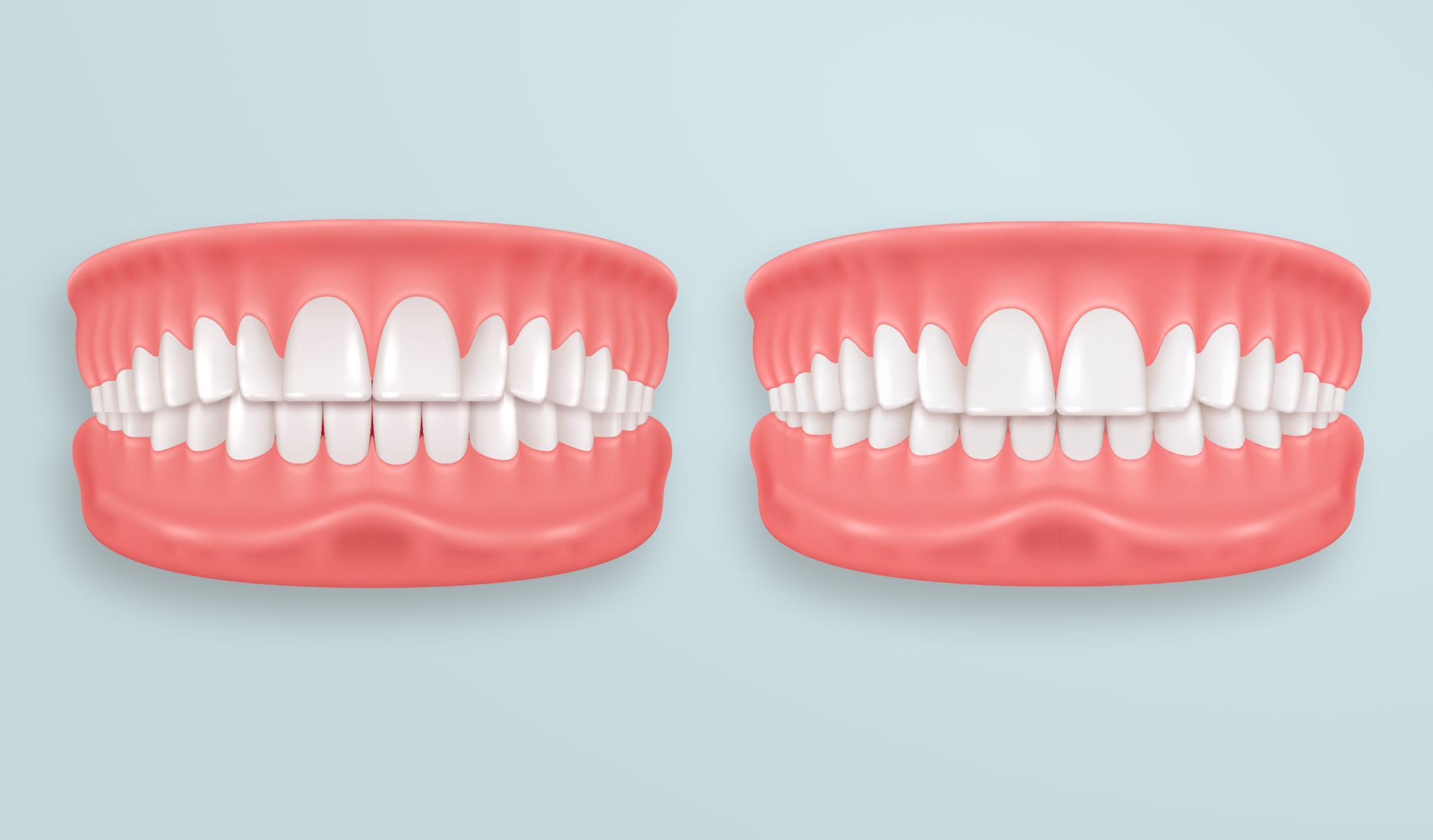
An overbite is a type of malocclusion in which the upper incisors cover the lower ones more than they should. When it is more pronounced, the lower teeth may be barely visible or completely covered when the teeth are brought together. In practice, the terms “overbite” and “deep bite” are often used interchangeably.
Among the various types of bite, not only the appearance of the smile matters, but also tooth contact, gum health, enamel wear, and chewing comfort. The good news is that modern orthodontics makes it possible to diagnose the condition accurately and plan treatment appropriate for the patient’s age and needs.
What Does a Normal Bite Look Like?
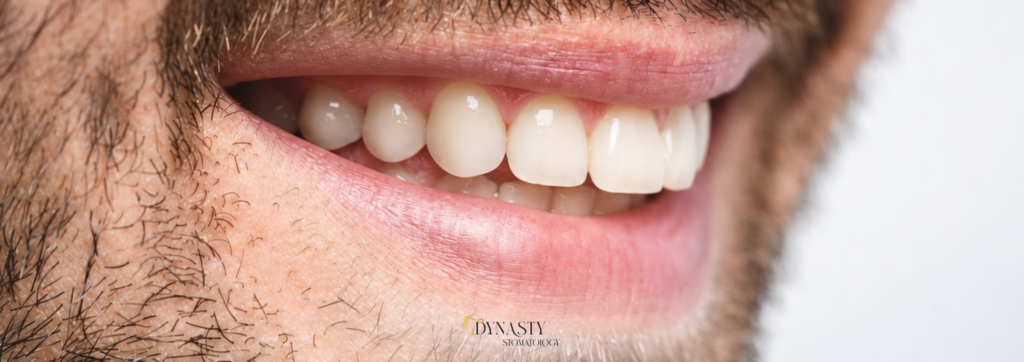
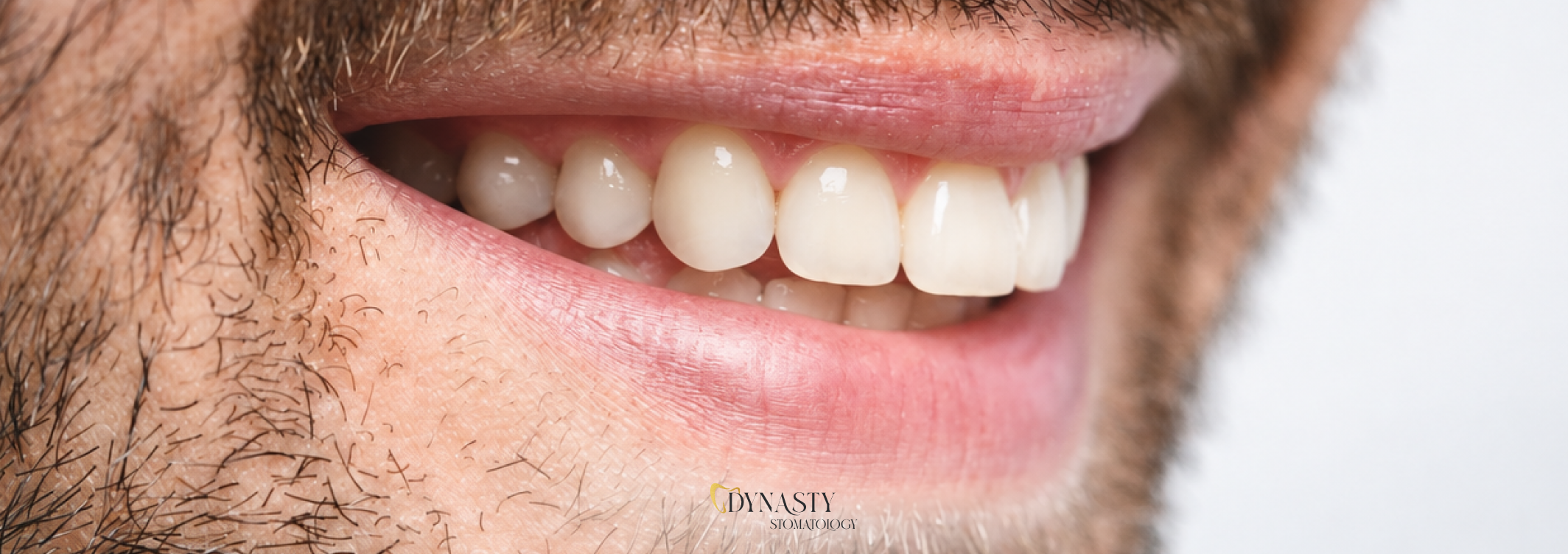
In a normal bite, the upper teeth usually overlap the lower teeth slightly, while the upper and lower jaws meet in a stable position. Tooth overlap alone does not necessarily indicate a problem. An orthodontist assesses it in relation to facial structure, dental arch alignment, the patient’s age, and the function of the chewing system.
Overbite vs. Other Bite Problems
A deep bite differs from other types of malocclusion. In an open bite, there is a gap between the upper and lower teeth when the mouth is closed. A crossbite means that the back or front teeth overlap incorrectly, while an underbite involves the lower teeth or lower jaw protruding in front of the upper teeth. This description may help a patient during a consultation, but it does not replace an examination.
Causes of Overbite in Children and Adults
The causes of an overbite are usually not limited to a single factor. Bite development may be affected by genetic factors, internal factors related to jaw growth, and external factors such as long-term childhood habits. Determining the mechanism behind the condition helps select safe treatment methods.
Genetic Factors and Jaw Development
Genetics can affect the size and relative proportions of the upper jaw, lower jaw, and teeth. If the lower jaw develops differently from the upper jaw, or if the teeth have a certain inherited shape or size, the conditions in which they erupt and align may contribute to a deep bite. This is nobody’s fault—it is part of individual development.
Childhood Habits and Environmental Factors
Prolonged thumb sucking or pacifier use, improper tongue posture, or habitual mouth breathing can affect a child’s bite development. However, this does not mean that a single habit will always lead to a malocclusion. If a parent notices changes in tooth alignment, difficulty closing the lips, or abnormal wear of the incisors, it is worth discussing this with a pediatric dentist or orthodontist.
Why Can an Overbite Also Become Noticeable in Adults?
An overbite in adults may be a condition that has existed for years but was previously neither noticeable nor bothersome to the patient. Over time, tooth alignment may change, enamel may wear down, and tooth loss can disrupt the bite. Age does not rule out orthodontic diagnosis or treatment, although the treatment plan always requires an assessment of the teeth and gums.
Symptoms of an Overbite That Should Not Be Ignored
Overbite symptoms may affect the appearance of the smile, the bite, and everyday comfort. Not every patient experiences discomfort, and similar signs may also have other causes.
Possible symptoms of a deep bite:
- Lower incisors are barely visible
- Excessive overlap of the lower teeth
- Unusual tooth contact
- Discomfort when biting down
- Possible consequences
- Enamel wear
- Tissue irritation
Symptoms Visible in the Smile and Bite
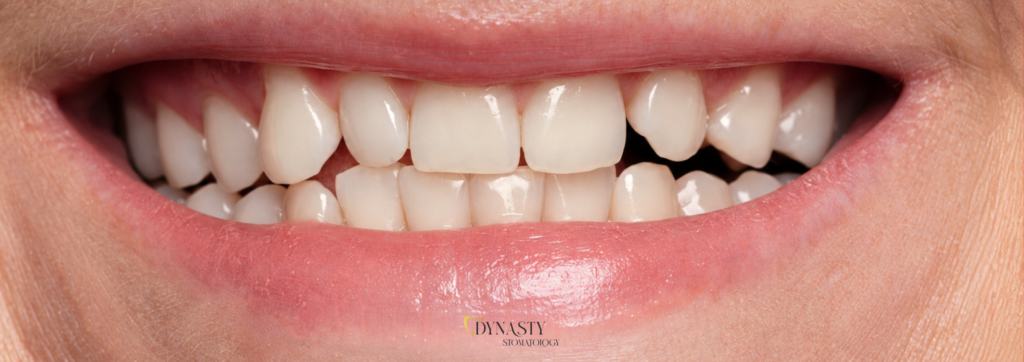
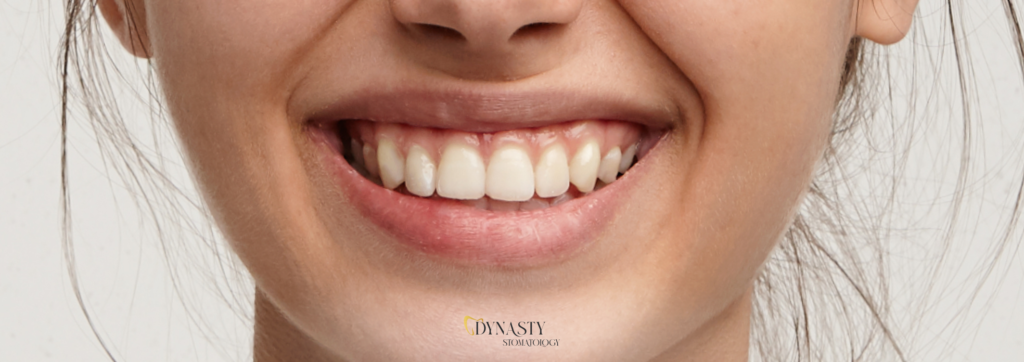
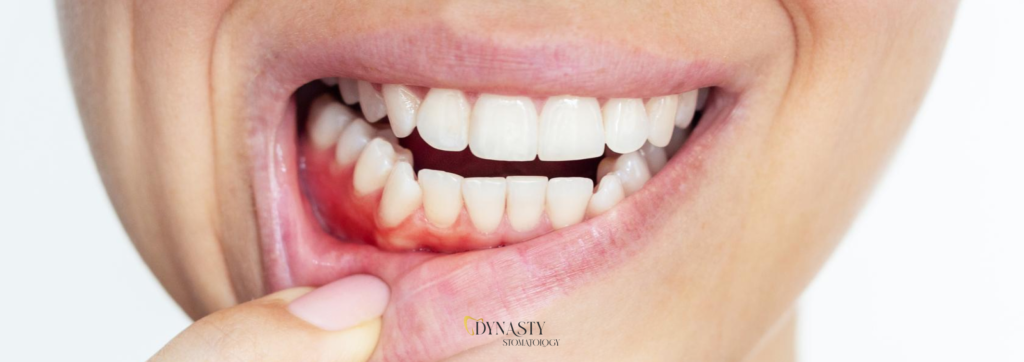
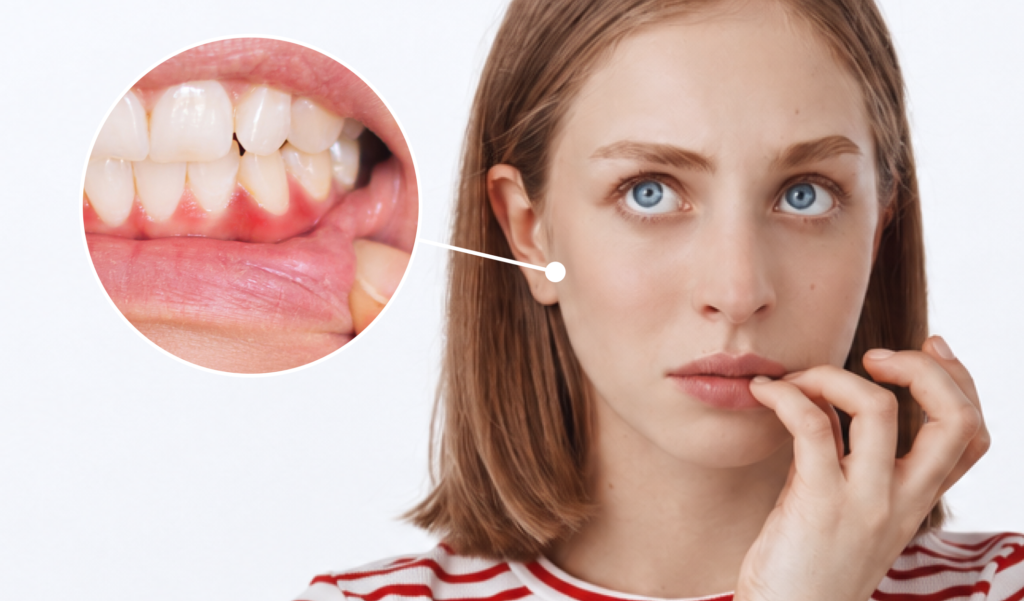
One symptom of a deep bite is pronounced coverage of the lower incisors by the upper teeth when the mouth is closed. The lower teeth may be difficult to see in the bite, and uneven tooth alignment may also sometimes be visible. The appearance of the smile is a clue, not a diagnosis on its own.
Discomfort and Effects of Improper Tooth Contact
In some patients, improper tooth contact may contribute to enamel wear, excessive strain during biting, or irritation of oral tissues. A deep overlap of the teeth can also make it more difficult to clean certain surfaces thoroughly. If pain, gum injury, or noticeable tooth wear occurs, it is worth not postponing a visit.
Diagnosing an Overbite: What Does an Orthodontic Consultation Look Like?
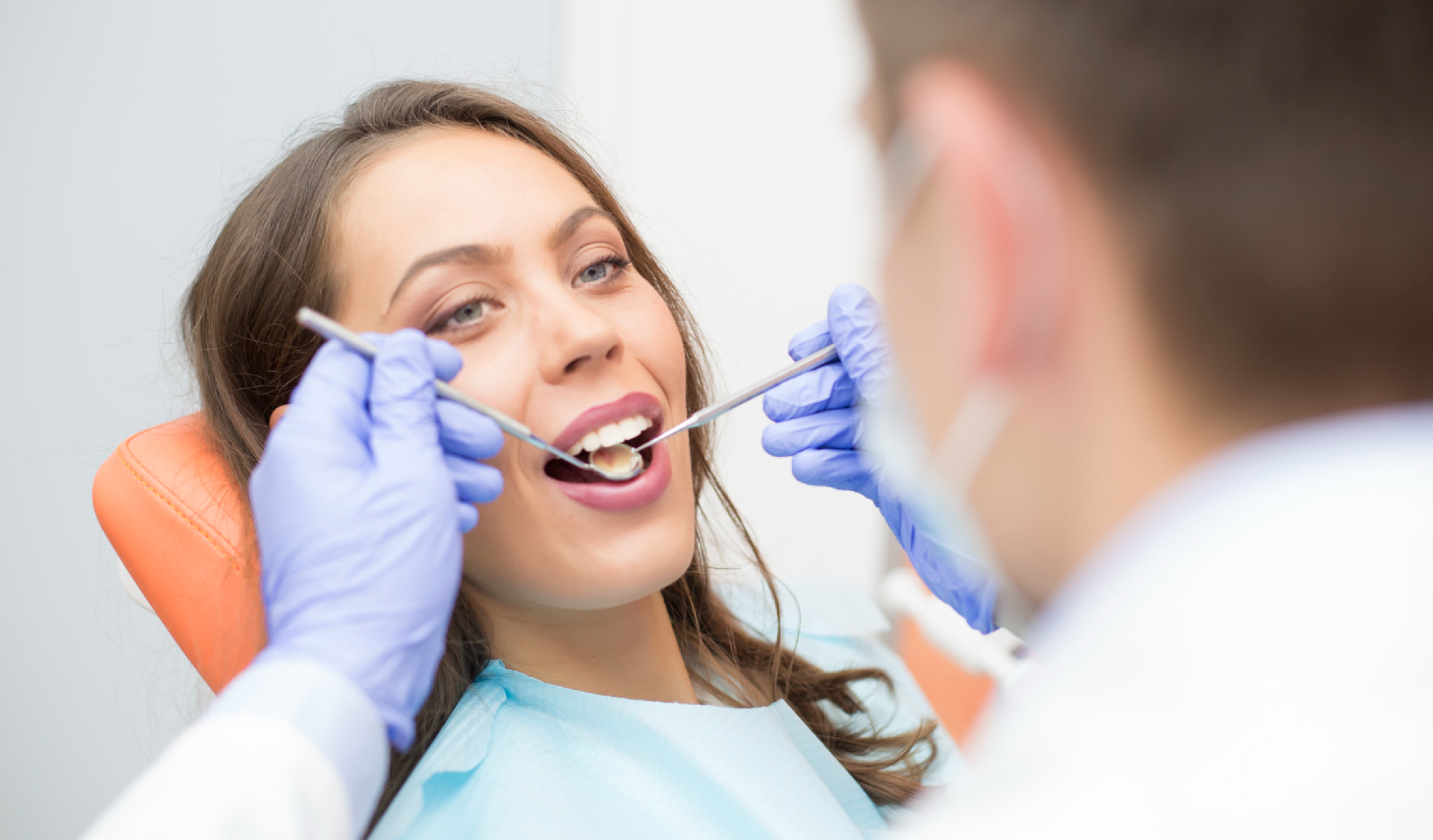
An orthodontic consultation begins with a discussion of the patient’s expectations, previous treatment, symptoms, and general health. The orthodontist then assesses the teeth, gums, bite, and the relationship between the upper and lower jaws. Based on this, they determine whether further diagnostics are needed and which overbite treatment options can be considered.
At Dynasty Stomatology, diagnostics are available on-site, making it easier to prepare a consistent treatment plan. Before making a decision, the patient should receive a clear explanation of the purpose of treatment, its stages, follow-up visits, and expected costs.
What Tests May Be Needed?
Depending on the situation, the orthodontist may recommend intraoral and extraoral photographs, dental scans or models, and radiological examinations. An X-ray or CT scan is not automatically necessary for every patient—the doctor orders them when they are justified for safe assessment and treatment planning.
What Should You Ask an Orthodontist Before Starting Treatment?
Before starting treatment, it is worth asking about:
- the purpose of treatment and the extent of the condition being corrected;
- available orthodontic appliances and the reason for the recommendation;
- oral hygiene, follow-up appointments, and the patient cooperation required;
- possible limitations and risks in the specific case;
- the cost estimate and current payment terms.
Overbite Treatment: Available Methods and Next Steps
Overbite treatment is selected individually. Important factors include the patient’s age, the severity of the deep bite, tooth alignment, gum and tooth health, as well as functional and aesthetic goals. Orthodontic appliances are often an important part of therapy, but there is no single method that is right for everyone.
|
Treatment element |
Use |
Patient involvement |
Follow-up |
|
Fixed braces |
Precise tooth movement according to the orthodontist’s plan |
Careful oral hygiene and following recommendations |
Regular appointments |
|
Removable appliance |
Selected indications, more often for growing patients |
Consistent wear as recommended |
Regular appointments |
|
Preparatory treatment |
For example, improved oral hygiene or restorative treatment before therapy |
Following dental recommendations |
As needed |
|
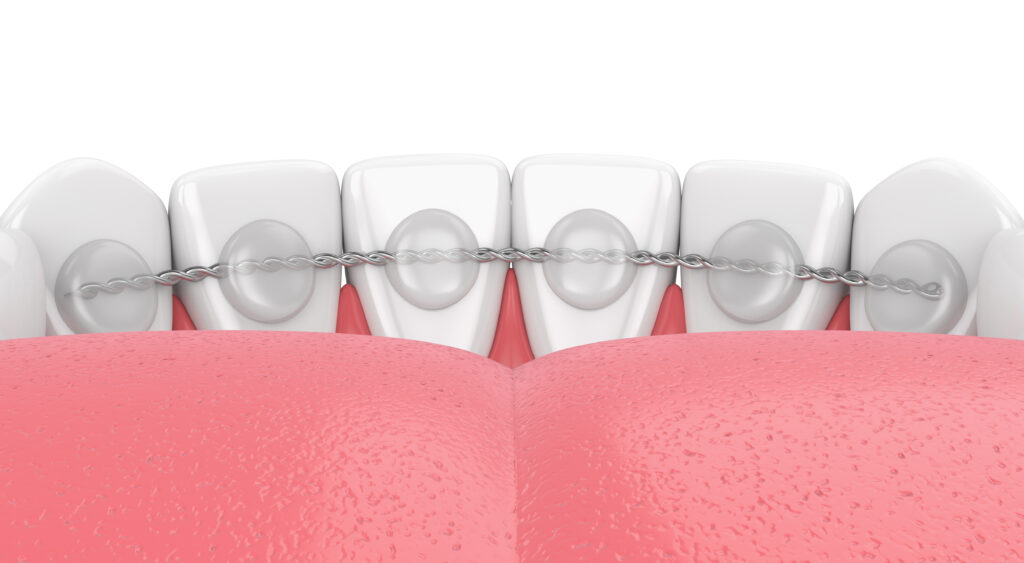
Retention after treatment |
Maintaining the achieved tooth alignment |
Wearing a retainer |
Follow-up according to the plan |
Orthodontic Appliances and Other Elements of the Treatment Plan
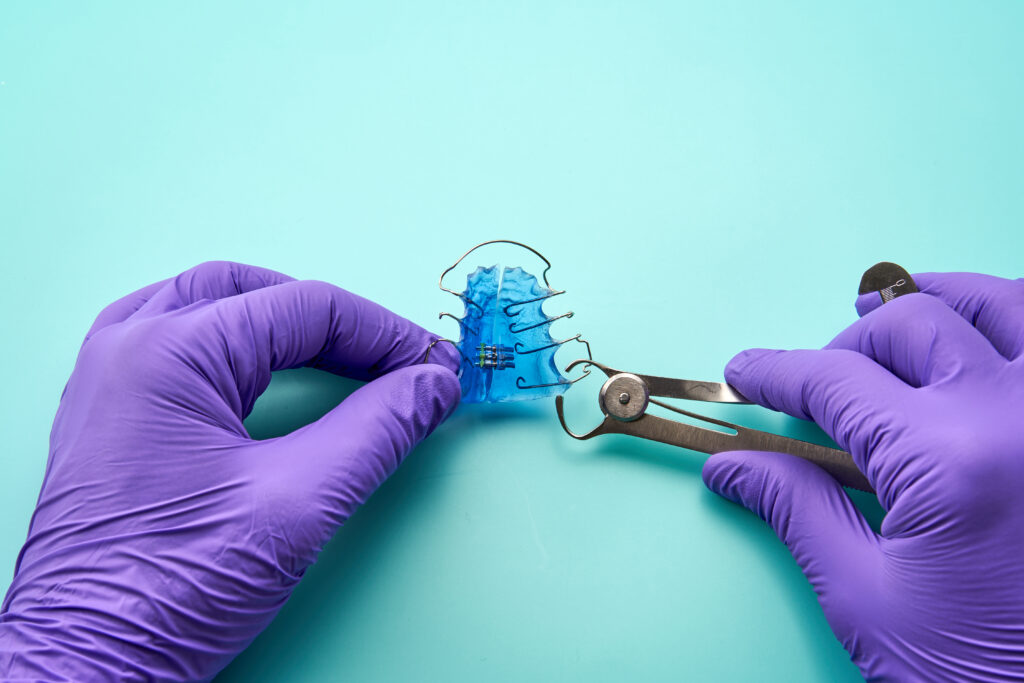
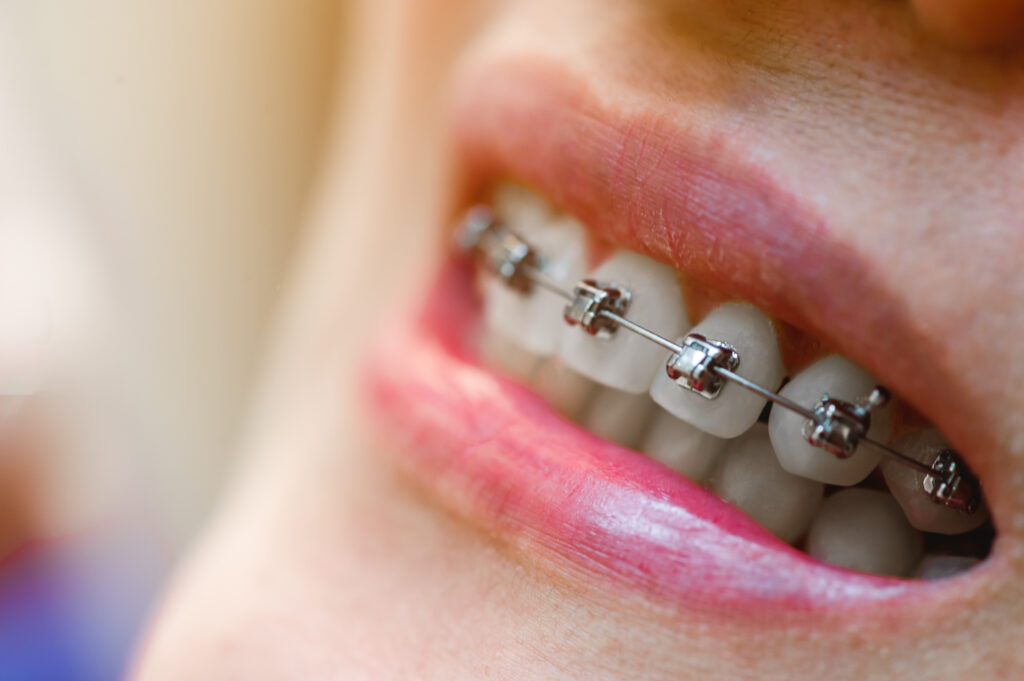
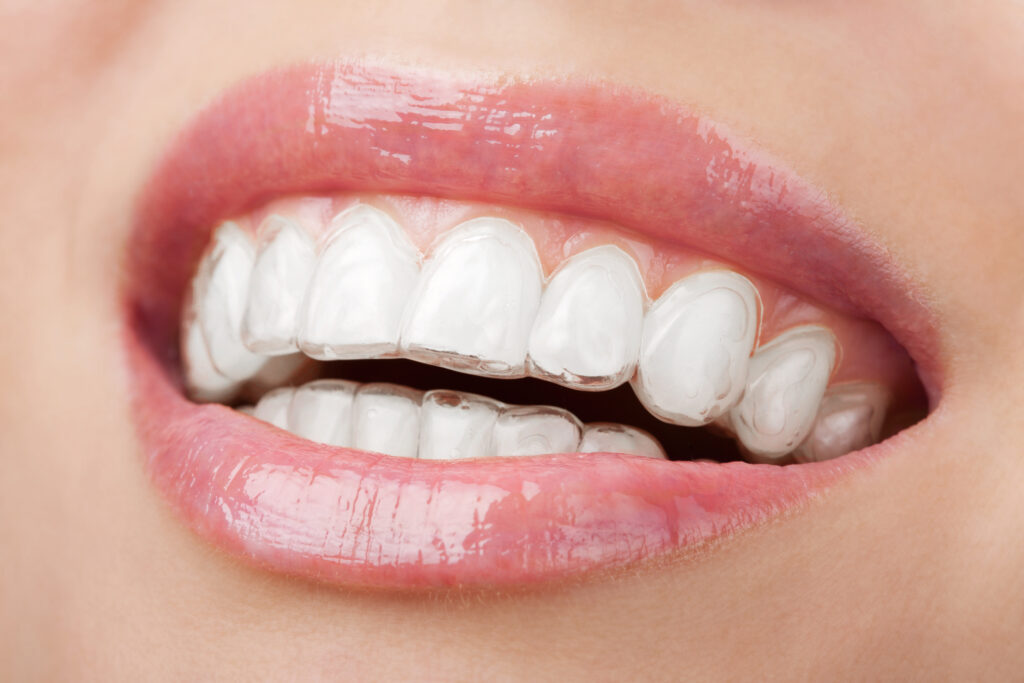
An orthodontist may suggest fixed braces, a removable appliance, or another solution appropriate for the clinical situation. Sometimes cavities need to be treated, professional dental cleaning is needed, or the condition of the periodontal tissues—the tissues that support the teeth—must be assessed before therapy begins. Regular follow-up visits make it possible to respond to changes and ensure treatment safety.
How to Book an Appointment and Prepare for Treatment?
For the consultation, it is worth preparing information about previous dental treatment, tooth injuries, any discomfort experienced, and previous imaging, if the patient has it. During the visit, you can discuss the plan, the sequence of steps, and the estimated cost together.
Frequently Asked Questions About Overbites
-
Most often, yes—both terms describe excessive vertical overlap of the upper teeth over the lower teeth. In medical documentation, the doctor may use a more precise description of the condition and its severity. Whether the situation requires treatment is determined by an orthodontic examination, not just a photo of the smile.
-
An overbite in a child does not always require immediate treatment, but it should be assessed by an orthodontist. During the growth period, jaw development and the eruption of subsequent teeth can be monitored. The doctor will determine whether observation, work on habits, or starting therapy is advisable.
-
An overbite in an adult may be suggested by excessive coverage of the lower incisors by the upper teeth when the mouth is closed. Tooth wear, unusual contact during biting, or tissue irritation may also be signs. However, these symptoms do not confirm a diagnosis, which is why a consultation is necessary.
-
Braces can often be part of deep bite treatment. The type of appliance and the scope of therapy depend, among other things, on the bite structure, age, dental condition, and the patient’s cooperation. Only a full diagnostic assessment makes it possible to present a responsible treatment plan.
-
The duration of overbite treatment is individual and should not be determined without diagnostics. It depends on the type of condition, the chosen method, the need for preparatory treatment, and the regularity of follow-up visits. An orthodontist can discuss an estimated timeline after examining the patient and reviewing the documentation.
Symptoms may suggest a deep bite, but diagnosis requires an orthodontist’s assessment. An early consultation allows you to calmly explore the available options without committing to treatment before an examination. Book an orthodontic consultation at Dynasty Stomatology in Krakow.