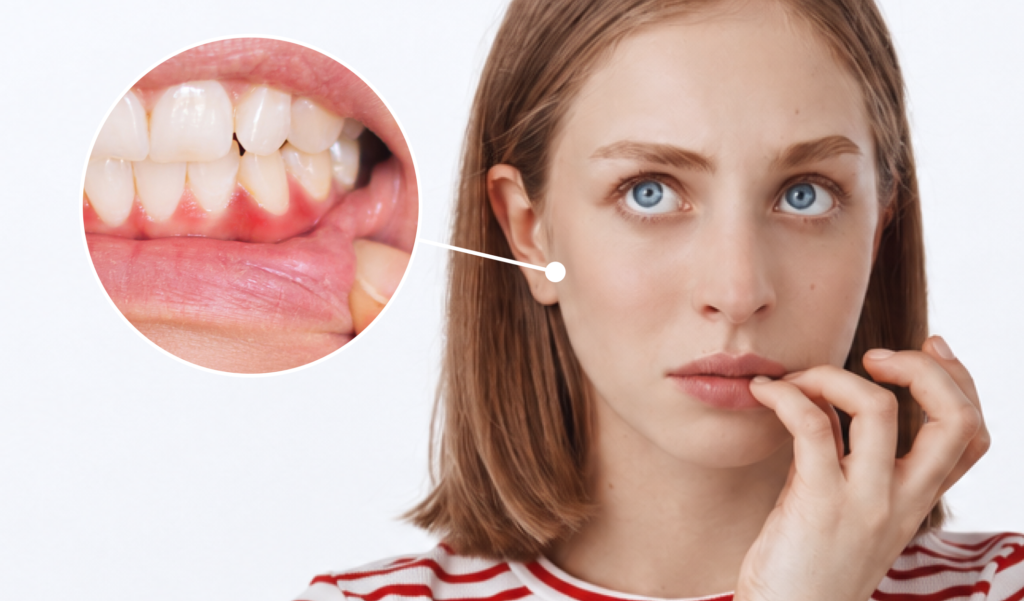


A water flosser can make daily oral hygiene easier, especially when it is difficult to thoroughly clean between the teeth, around braces, implants, or bridges. The stream of water helps rinse away food particles and clean hard-to-reach areas that a toothbrush does not always reach.
Is a water flosser worth buying? It can be a useful addition to your daily hygiene routine, but it does not replace a toothbrush or other methods of cleaning between the teeth. How you use the device also matters: pressure that is too high or improper positioning of the tip can irritate the gums.
In this article, we explain how a water flosser works, how to use it correctly, who may find it especially helpful, and when it is worth consulting a dentist before starting to use one.
Water Flosser: What Is It and Is It Worth Using?
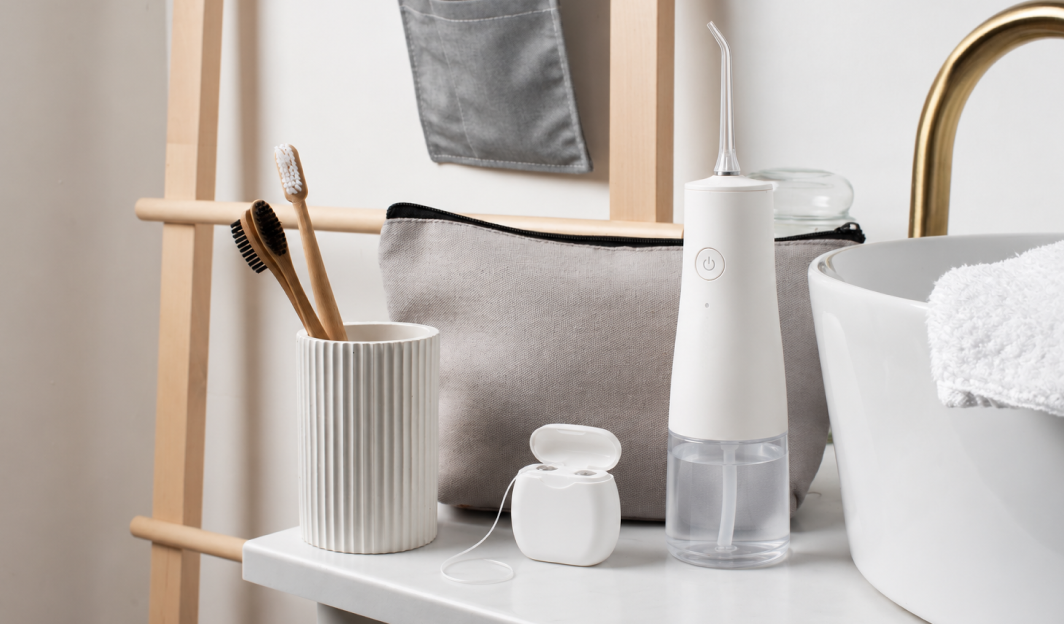
A water flosser is a device that rinses away loose food particles and debris from around the gums and between the teeth using a targeted stream of water. A water flosser is worth buying if it is used as an addition to brushing, not as a replacement for it.
The device can make daily hygiene easier for people who often get food stuck between their teeth, as well as for patients with braces, bridges, or implants. It provides a pleasant feeling of freshness and helps clean areas more thoroughly that a toothbrush alone may not always reach.
Is a water flosser effective? Yes, when it is used regularly and with the proper technique. However, it does not remove all plaque from tooth surfaces, so you still need a toothbrush, fluoride toothpaste, and regular dental checkups.
How Does a Water Flosser Work and What Benefits Can It Offer?
A water flosser directs a continuous or pulsating stream of water around the teeth and gums. The water helps rinse loose debris from between the teeth, from areas along the gumline, and from orthodontic appliance components.
It is not a method of “washing away” plaque without brushing. Plaque is a sticky layer of bacteria that adheres to the teeth and must primarily be removed mechanically with a toothbrush and, depending on the situation, floss or interdental brushes.
The benefits of using a water flosser mainly relate to comfort and more thorough cleaning in areas that are difficult to clean manually. When used correctly, a water flosser supports gumline hygiene, helps rinse away food particles after meals, and may make it easier to keep your mouth feeling fresh.
Water Flosser vs. Toothbrush and Dental Floss
A water flosser does not replace either a toothbrush or dental floss. A toothbrush cleans accessible tooth surfaces, while floss works mechanically at contact points, meaning where two teeth touch each other.
A water flosser primarily rinses away debris and gently cleans around the gums. For some patients, interdental brushes are also a good option, especially when there are larger spaces between the teeth.
The best set of tools depends on the alignment of your teeth, the condition of your gums, and the presence of dental restorations. A dentist or dental hygienist can show you whether floss, an interdental brush, a water flosser, or a combination of these methods will be best in your case.
When Does a Water Flosser Make Oral Hygiene Easier?
A water flosser can be very practical with braces because food particles can easily get trapped around brackets and wires. It may also make it easier to clean around bridges, crowns, implants, and other dental restorations.
The device is also helpful when a patient has difficulty using dental floss precisely or has limited manual dexterity. However, water flossing should not be treated as a treatment for gum inflammation.
Bleeding, pain, swelling, pus, or a persistent unpleasant odor from the mouth require an evaluation at a dental office. In this situation, buying a device should not replace diagnosis.
How to Use a Water Flosser Correctly Step by Step
To use a water flosser safely, it is best to start slowly at the lowest pressure setting. Proper technique does not require a powerful stream or pressing the tip into the gums.
- Brush your teeth with fluoride toothpaste. Water flossing is most often done after brushing, unless your dentist recommends otherwise.
- Fill the reservoir with lukewarm water. Water that is too cold or too hot may be uncomfortable for sensitive teeth.
- Attach the tip suitable for your device and needs. If you have braces or dental restorations, it is worth asking about the right tip during your appointment.
- Set the pressure to the lowest level, lean over the sink, and place the tip in your mouth.
- Close your lips slightly to reduce splashing, but allow the water to flow out freely.
- Move the tip slowly along the gumline, pausing briefly at each space between the teeth.
- When finished, empty the reservoir and rinse the components according to the manufacturer’s instructions.
Consistency is more important than intensity. If the first few uses are uncomfortable, lowering the pressure and moving the tip more slowly usually helps.
[INFOGRAPHIC NEEDED HERE: step-by-step instructions for using a water flosser, from filling the reservoir to cleaning the device]
How Should You Set the Pressure and Position the Tip?
At first, choose the lowest pressure setting. Do not direct a strong stream immediately onto sensitive gums, especially if you have not had a dental checkup in a long time.
Hold the tip close to your teeth, but do not press it against the tissues. Move it slowly from tooth to tooth, directing the water at a gentle angle toward the gumline and the spaces between the teeth.
It is best to use a water flosser over the sink, with your mouth slightly closed. Initial discomfort usually results from pressure that is too high, rushing, or incorrect positioning of the tip—not from a need to “get your gums used to” pain.
How Often Should You Use a Water Flosser?
For most people, gentle daily use of a water flosser can be part of an oral hygiene routine if it is comfortable and follows the instructions for the specific model. There is no need to increase the pressure simply to use the device less often.
After implant placement, surgical procedures, gum treatment, or getting braces, the frequency and technique should be determined by your treating dentist. Post-procedure recommendations are individual because they depend on the stage of healing and the type of treatment.
If water flossing causes pain or significant bleeding, stop using the device and consult your dentist. Do not try to correct the problem on your own solely by changing the tip or settings.
Who Is a Water Flosser a Good Choice For, and When Should You Consult a Dentist?
A water flosser can be a good choice for people with braces, bridges, crowns, implants, or frequent food trapping. It also works well for patients who find it difficult to clean thoroughly between their teeth with floss.
A water flosser for braces helps rinse food from around brackets and wires. A water flosser for implants can support daily hygiene around the restoration, but it does not replace professional checkups or instructions on how to clean implants.
Home prevention has its limits. If your gums bleed, are painful or swollen, pus appears, or bad breath persists despite good hygiene, you need to see a dentist. These symptoms may require diagnosis, not simply a change in oral hygiene accessories.
Water Flosser for Braces, Implants, and Dental Restorations
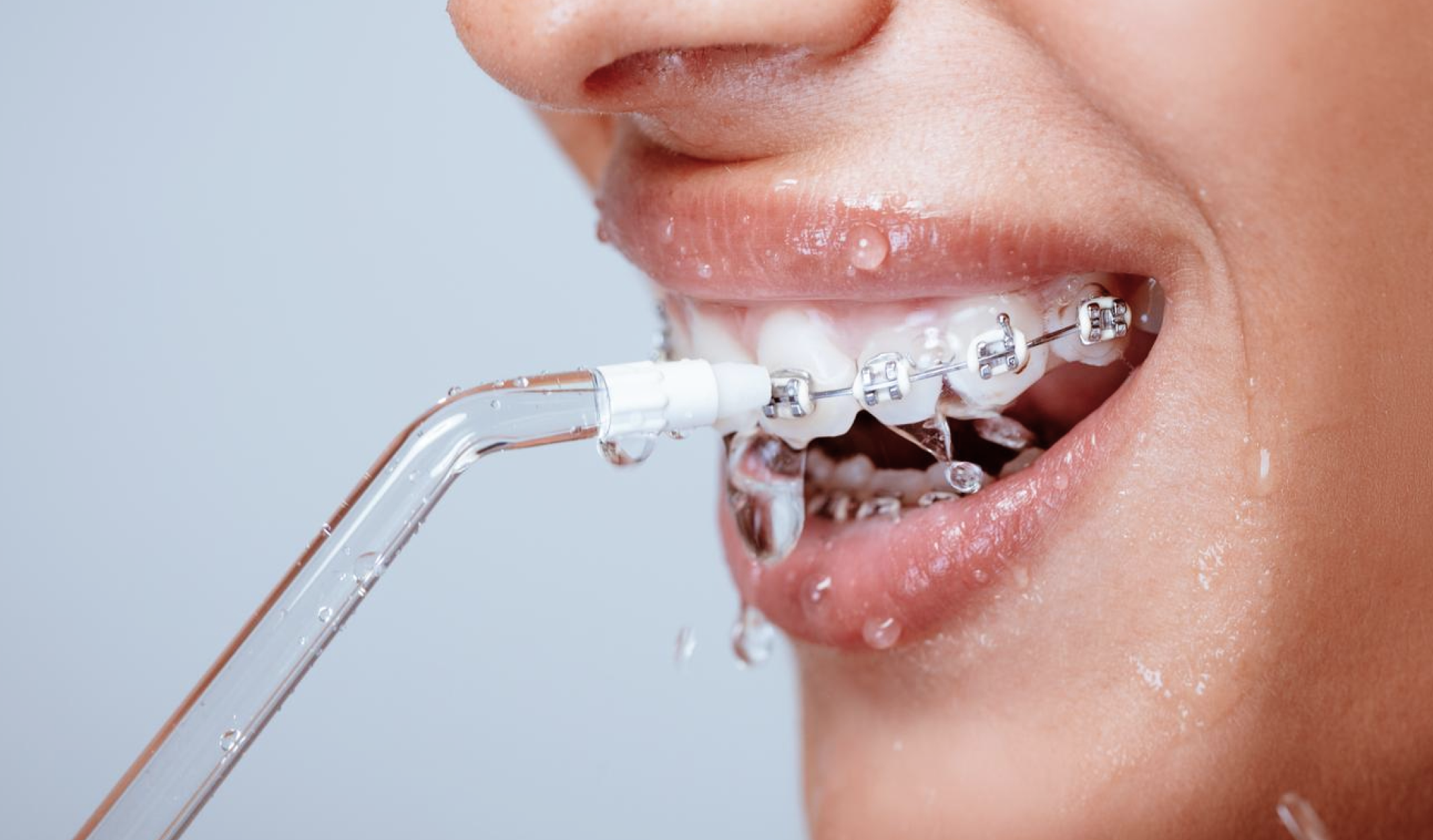
With braces, the stream of water can reach around brackets, wires, and other components where food particles become trapped. However, you still need to brush your teeth thoroughly and use the accessories recommended by your orthodontist.
For crowns, bridges, and implants, the technique should be tailored to the specific dental restoration. The type of tip, pressure setting, and direction of the stream are best determined with a dentist or dental hygienist, especially after recent treatment.
Not every patient after implant placement should follow the same routine. Safe recommendations depend, among other things, on how much time has passed since the procedure and the condition of the tissues around the implant.
What Does a Hygiene or Dental Consultation Include?
A dental hygiene or dental consultation makes it possible to assess the gums, spaces between the teeth, the presence of tartar, braces, and dental restorations. It is also an opportunity to check whether your current brushing technique is truly cleaning all important areas.
During the instruction session, a patient may receive practical guidance on toothbrushes, fluoride toothpaste, dental floss, interdental brushes, and water flossers. Instead of guessing which solution will be best, you can choose one that suits your dental structure and everyday challenges.
At Dynasty Stomatology, we focus on clearly explaining each step of oral hygiene without imposing unnecessary procedures. Instruction helps you use the device more confidently and without putting excessive pressure on your gums.
Common Mistakes, Cleaning the Device, and the Next Step
The most common mistakes when using a water flosser include starting at maximum pressure, moving the stream around chaotically, and skipping brushing. A water flosser works best as part of a complete routine, not as a quick substitute for daily tooth cleaning.
It is equally important to know how to care for your water flosser. A dirty reservoir or tip can make the device less comfortable to use. After each use, it is worth emptying the reservoir and checking the cleaning instructions for your specific model.
If you have braces, implants, recurring gum bleeding, or concerns after a procedure, do not choose your technique through trial and error. A visit with a dentist or dental hygienist makes it possible to safely determine whether a water flosser is helpful for you and how to use it.
Mistakes to Avoid During Water Flossing
Do not start at the highest pressure setting. Choose a low level, then increase it only if water flossing remains comfortable.
Do not hold the tip in one place for a long time or press it into your gums. Move it calmly along the gumline and between the teeth.
Do not direct water toward your throat. Lean your head over the sink and close your mouth slightly.
Do not skip brushing. A water flosser supports oral hygiene, but a toothbrush removes buildup from tooth surfaces.
How Should You Clean and Store a Water Flosser?
After use, empty any remaining water from the reservoir. Rinse the reservoir and tip as recommended by the manufacturer, then allow the components to dry.
Check the device instructions regularly, as cleaning methods and tip replacement schedules vary between models. Do not pour liquids into the reservoir that are not approved by the manufacturer, and do not use random chemical products.
Store the water flosser in a dry place. Keeping the device clean helps maintain comfort during everyday use.
Frequently Asked Questions About Water Flossers
-
No, a water flosser does not replace a toothbrush or dental floss. A toothbrush mechanically removes plaque from accessible surfaces, while floss or interdental brushes help clean where teeth touch. A water flosser rinses away loose food particles and supports hygiene around the gums.
-
Yes, most people can use a water flosser every day on a gentle setting, as long as it does not cause pain and is used according to the device instructions. After procedures, with gum disease, implants, or braces, the frequency should be confirmed by your treating dentist.
-
Gum bleeding should not be ignored, even if it occurs during the first few uses of a water flosser. It may result from irritation caused by pressure that is too high or indicate a gum problem. Reduce the pressure, improve your technique, and schedule a checkup if the bleeding recurs.
A water flosser is worth treating as practical support for daily oral hygiene, especially with braces, implants, or hard-to-reach spaces between the teeth. However, it does not replace brushing or an in-office evaluation of symptoms. Schedule an appointment at Dynasty Stomatology to receive individualized oral hygiene guidance and choose safe accessories for your needs.