

Many people occasionally experience dry mouth—for example, after waking up, when dehydrated, or during an illness. However, if this condition occurs daily, makes you drink water constantly, or makes eating, speaking, or sleeping difficult, it is worth looking for the cause.
Xerostomia may be related to medication use, mouth breathing, dehydration, or certain health conditions. Long-term dry mouth also increases the risk of tooth decay and other oral health problems. In this article, we will focus on the causes of xerostomia, symptoms that require attention, and steps you can take to relieve discomfort and protect your teeth.
What Is Xerostomia and Why Is Saliva So Important?
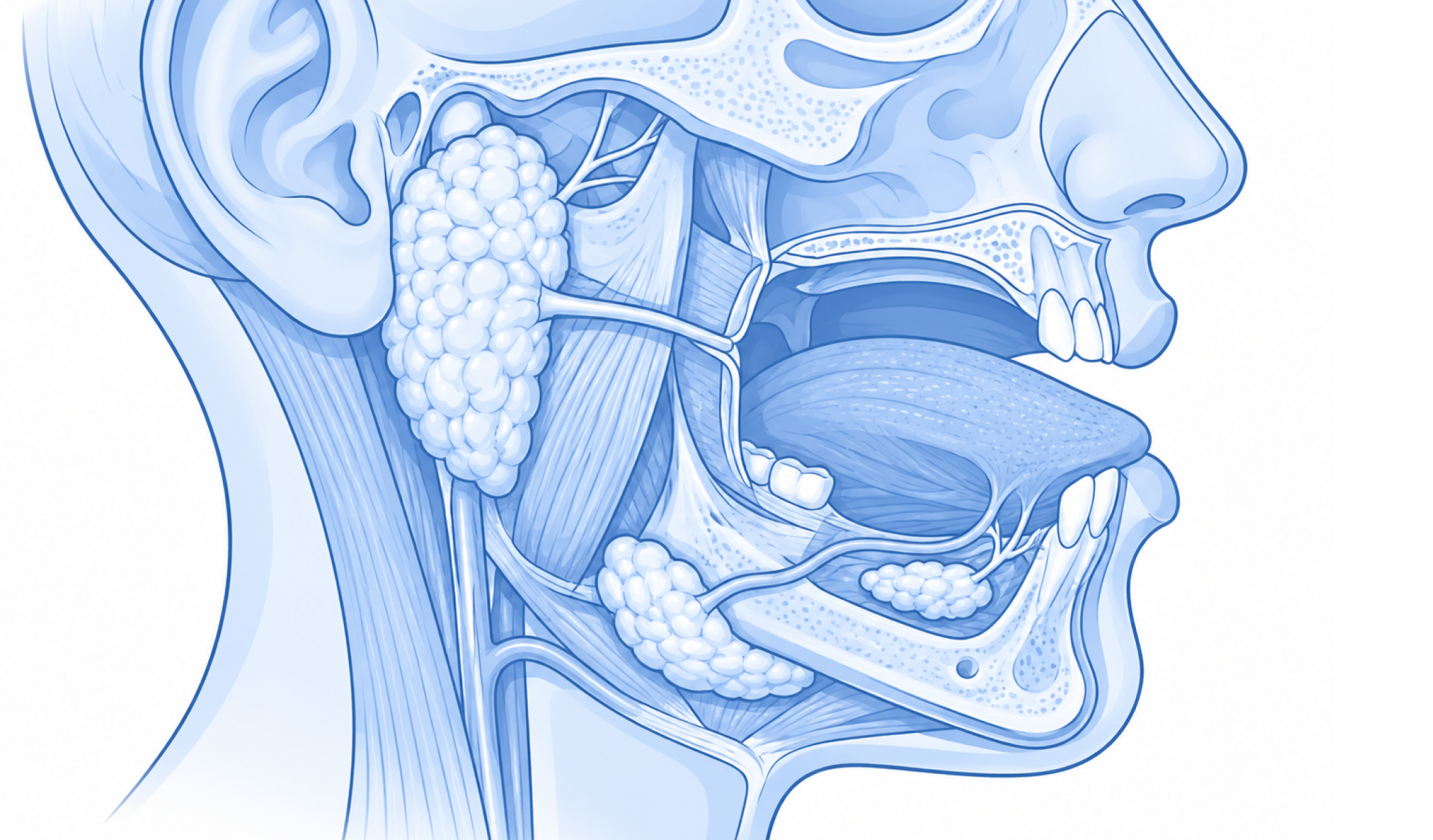
Xerostomia is the sensation of dry mouth associated with reduced saliva production or changes in its properties. Saliva is produced by the salivary glands and continuously protects the oral cavity, even though we may not notice it in everyday life.
It helps moisten food, form a bolus, and swallow comfortably. It also makes clear speech easier, cleans food debris from tooth surfaces, and supports the natural protection of tooth enamel. When there is too little saliva, discomfort increases, and the teeth and gums become more prone to problems.
Dry Mouth vs. Temporary Thirst
Dryness after waking up, intense exercise, a stressful day, or drinking alcohol is often temporary. It can also occur after not drinking enough fluids, during a fever, or when staying in a very dry room.
It is worth observing whether the problem goes away after hydration and rest or returns every day. If you wake up at night to drink water, constantly carry a drink with you, or the symptom persists for many days despite drinking regularly, discuss it with a doctor or dentist. The duration of the symptom alone does not identify the cause, but it is an important diagnostic clue.
Does Dry Mouth Always Mean Too Little Saliva?
Not always. The feeling of dry mouth is subjective, so its severity does not always correspond exactly to the amount of saliva produced. Comfort may also be affected by mouth breathing, the condition of the oral mucosa, stress, medications, or changes in saliva composition.
Nevertheless, the symptom should be taken seriously. A detailed description of when dryness occurs and whether it is accompanied by tongue burning, difficulty swallowing, or changes in taste helps the specialist choose the appropriate evaluation. A dentist can assess the condition of the oral cavity, while a family doctor or treating physician can evaluate possible general health- and medication-related causes.
The Most Common Causes of Dry Mouth
The causes of dry mouth vary, ranging from dehydration and habits to medication side effects and conditions that require diagnosis. A single episode usually does not indicate a serious problem, but chronic xerostomia should be assessed.
Dehydration, Stimulants, and Mouth Breathing
Inadequate hydration is a common, reversible cause. Dryness may worsen during fever, diarrhea, vomiting, hot weather, and after significant physical exertion. Drinking water regularly in small sips can help.
Alcohol and dry mouth are also commonly linked—alcohol promotes dehydration and may irritate the mucous membranes. Smoking, large amounts of caffeine, and mouth breathing, especially at night, can also worsen the problem. Reducing stimulants can be done independently, while chronic nasal congestion, snoring, or persistent mouth breathing require finding the underlying cause.
Medications That Cause Dry Mouth
Dry mouth can be a side effect of many medications. These include certain allergy medications, antidepressants, sedatives, pain medications, high blood pressure medications, and diuretics.
Do not stop treatment or change the dose on your own. Before your appointment, prepare a list of all medications, doses, supplements, and over-the-counter products you use. Your treating physician will assess whether a connection to the treatment is likely and whether changing the treatment is safe.
Conditions and Deficiencies Associated With Xerostomia
Xerostomia may accompany diabetes, thyroid disorders, nervous system diseases, inflammatory conditions, and problems involving the salivary glands, such as salivary stones. The direction of diagnostic testing depends on the overall health picture, not solely on the feeling of dryness.
In the appropriate context, a doctor may also consider checking for iron deficiency and deficiencies in vitamins B1 and B6. However, this does not mean that a deficiency is automatically the cause of the symptoms. Medical history, examination, and, if needed, targeted laboratory tests are required.
Symptoms That May Accompany Xerostomia
Symptoms of xerostomia are not limited to thirst. Patients describe a sticky feeling in the mouth, the need to drink frequently, burning of the tongue, bad breath, altered taste, or difficulty swallowing dry food.
Discomfort may also occur while talking, especially when speaking for a long time. If the feeling of dry mouth wakes you from sleep or makes normal eating difficult, it is worth scheduling a consultation.
Problems With Eating, Speaking, and Sleeping
Saliva moistens food and helps form it into a bolus. When saliva is lacking, bread, rice, crackers, or dry meat may be difficult to chew and swallow. Some people need to drink with almost every bite.
Dryness can also cause the tongue to stick to the roof of the mouth, hoarseness, or less clear speech. Waking up at night to drink water reduces the quality of rest. Severe swallowing difficulties, especially with pain, choking, or swelling, require prompt medical assessment.
Visible Changes in the Oral Cavity
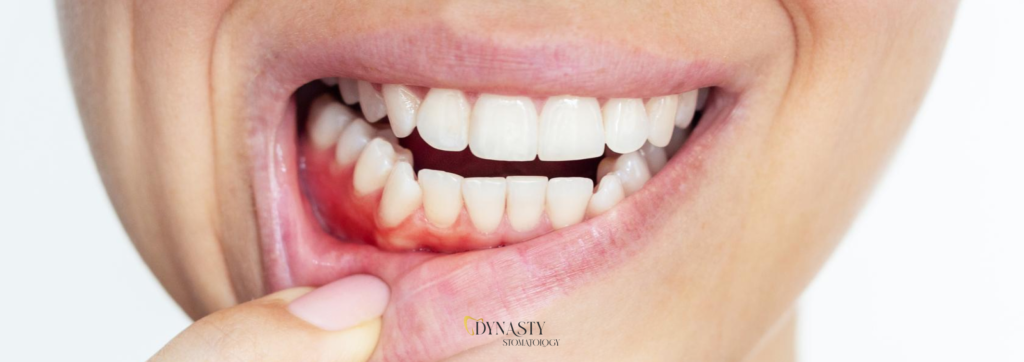
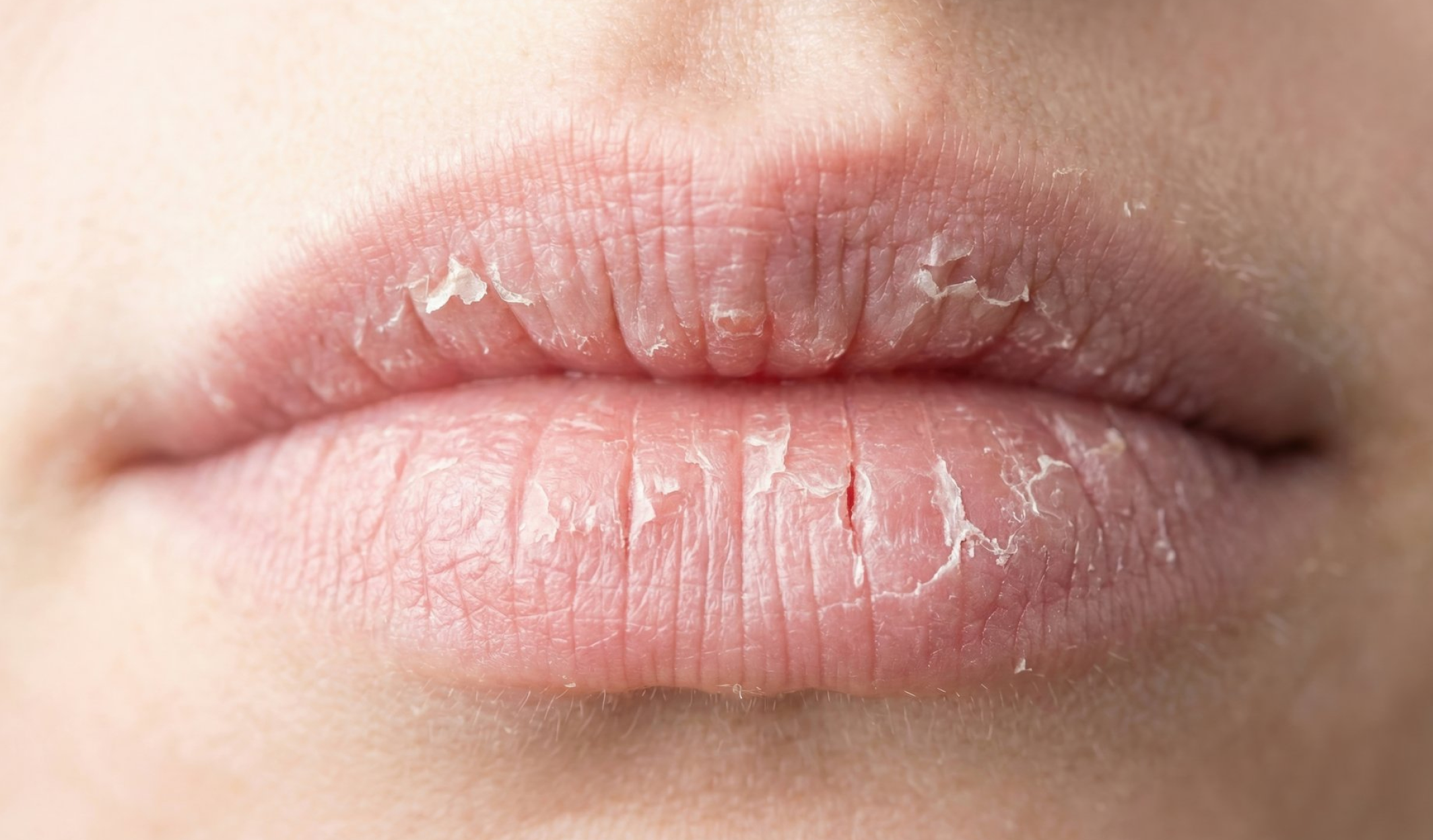
With chronic dryness, you may notice chapped lips, dry or reddened mucous membranes, a coated tongue, cracks at the corners of the mouth, or recurring irritation. Painful areas under dentures may also occur.
Such changes do not allow a specific disease to be diagnosed on their own. However, they are a reasonable reason to have a dentist examine the mucous membranes, teeth, and gums. An examination helps distinguish the effects of dryness from other problems requiring treatment.
Consequences of Untreated Dry Mouth
Chronic xerostomia weakens the natural cleansing of the oral cavity. Saliva helps remove food debris and limits prolonged contact between teeth and sugars and acids. Its deficiency may increase the risk of tooth decay, gum inflammation, tooth sensitivity, and fungal infections.
Tooth decay in people with dry mouth often develops in less typical areas, for example near the necks of the teeth. Oral hygiene may then be more difficult because the mucous membranes are sensitive and brushing causes discomfort.
This does not mean complications are unavoidable. Regular check-ups, careful hygiene, fluoride prevention selected by a dentist, and treatment of the cause can significantly reduce the risk. At Dynasty Stomatology, the dentist assesses both the condition of the teeth and gums and the possible impact of dryness on daily oral care.
When Should You See a Doctor or Dentist About Dry Mouth?
Make a routine appointment with a doctor or dentist if dryness persists despite hydration, recurs daily, wakes you at night, or interferes with eating, speaking, or wearing dentures. A consultation is also advisable if the symptom started after beginning a new medication.
Symptoms requiring faster medical attention include severe difficulty swallowing or breathing, swelling of the face or neck, severe pain, high fever, or a sudden worsening of your health. It is also worth seeking medical advice if dryness is accompanied by very intense thirst and frequent urination.
A dentist will assess the effects of xerostomia on the teeth, gums, and oral mucosa. A family doctor or treating physician can help check for possible general health conditions and the effects of medications.
How Should You Prepare for an Appointment?
Before your appointment, note how long the problem has lasted and what time of day it is most severe. Pay attention to whether dryness occurs after meals, at night, during stress, or after taking a particular medication.
Prepare a list of medications and supplements you take, chronic conditions, and dental symptoms such as bleeding gums, new cavities, tongue pain, or bad breath. Information about how much fluid you drink and whether you smoke also helps with the medical history. Well-organized information helps plan further diagnostic testing more efficiently.
Diagnosis and Treatment of Xerostomia
Treatment of xerostomia begins with finding the cause. The specialist takes a medical history, examines the oral cavity, and, if necessary, refers you for general tests or to another doctor. Treatment is individualized: it may include treating the underlying condition, changing medication therapy under a doctor’s supervision, and using moisturizing products.
What Does Diagnosis of the Cause Involve?
During the appointment, the doctor asks about the duration of symptoms, medications, hydration, stimulants, and chronic conditions. The dentist assesses the mucous membranes, tongue, teeth, gums, and any changes associated with tooth decay or inflammation.
If the symptoms suggest a general medical condition or a problem with the salivary glands, targeted laboratory tests, imaging tests, or a specialist consultation may be needed. Not every patient requires the same set of tests. The scope of diagnostic testing is determined by the symptoms and medical history.
How Is Dry Mouth Relieved?
The best results come from treating the cause, if it can be identified. When the problem is related to medication, the treating physician decides whether changes to therapy are appropriate. Do not make such changes on your own.
Moisturizing products and saliva substitutes are used to relieve symptoms. In justified cases, a doctor may consider methods to stimulate saliva production. Enhanced dental prevention is also important: monitoring for tooth decay, professional dental cleaning, and recommendations tailored to the condition of the teeth and gums.
Home Remedies and Prevention for Dry Mouth
Home remedies for dry mouth may reduce discomfort, but they do not replace diagnosis of a chronic problem. The safest starting point is drinking water regularly in small sips rather than consuming a large amount of fluids all at once.
The following can also help:
- limiting alcohol, tobacco, and excessive caffeine;
- avoiding very sweet and acidic snacks, which may contribute to tooth decay;
- humidifying the air in the bedroom;
- breathing through the nose, when possible;
- gentle, regular oral hygiene and dental check-ups;
- using moisturizing products as recommended by a dentist or doctor.
It is also worth choosing meals that are easier to chew and swallow and drinking water with dry foods. If moisturizing the oral cavity does not bring improvement despite these measures, a consultation is needed. The most important step is not to mask the symptom for a long time, but to determine why it occurs while also protecting your teeth from decay.
Frequently Asked Questions
-
Yes, dry mouth can occur with diabetes, but it does not confirm the condition on its own. Particular attention should be paid to the combination of dryness with intense thirst, frequent urination, weakness, or unexplained weight loss. Such symptoms require contacting a doctor and having appropriate tests.
-
Iron deficiency and deficiencies in vitamins B1 and B6 may coexist with dryness, but they are not a certain cause of xerostomia. It is not advisable to take high doses of supplements based solely on this symptom. A doctor may order tests when the medical history and other symptoms justify such an assessment.
-
Dryness caused by medication sometimes decreases over time, but it may also persist during treatment. Do not stop taking medication on your own. Write down the name of the product, the dose, and when the symptoms appeared, then discuss them with the doctor managing your treatment. They can assess safe options for modifying the therapy.
If dry mouth persists, interferes with eating, or you notice more frequent problems with your teeth and gums, you need an assessment of the cause and protection for your oral cavity. Schedule a consultation at Dynasty Stomatology in Krakow—the team can assess the condition of your oral cavity and indicate the appropriate next diagnostic steps.