

A tooth abscess is an infection that is often accompanied by severe pain, swelling of the gums or face, and sometimes fever and feeling unwell. Symptoms may appear suddenly, but their intensity does not always reflect the extent of the infection.
A tooth abscess requires a dental assessment, because pus draining on its own or temporary pain relief does not mean the infection has been cured. The dentist identifies the source of the infection and selects treatment appropriate for the condition of the tooth and surrounding tissues.
If you have severe pain, swelling, or notice pus coming from the gum, urgently contact Dynasty Stomatology in Krakow at +48 576 676 266. If you have difficulty breathing or swallowing, immediate medical help is needed.
What Is a Tooth Abscess?
A tooth abscess is a localized collection of pus caused by a bacterial infection in the tooth, around its root, or in the tissues surrounding the tooth. It is a sign of infection, not a separate condition that occurs without a cause.
Bacteria can penetrate deep into the tooth or gums, causing inflammation and increased pressure in the tissues. This is often the cause of severe, throbbing pain. Even if the pus drains, the tooth infection may still be present and requires assessment by a dentist.
It is not advisable to wait or attempt to treat an abscess using home remedies alone. A prompt consultation gives the dentist a better chance of controlling the tooth inflammation and planning treatment that—if the condition of the tissues allows—may preserve your natural tooth.
Types of Abscesses in the Mouth
An abscess near a tooth can develop in different locations. Its appearance and location help the dentist determine the possible source of the problem, but they do not allow for a certain diagnosis without an examination.
The most common types are periapical, periodontal, and gingival abscesses. Each can cause pain, swelling, and discomfort, but each requires a different approach to identifying the cause of the infection.
Periapical Abscess
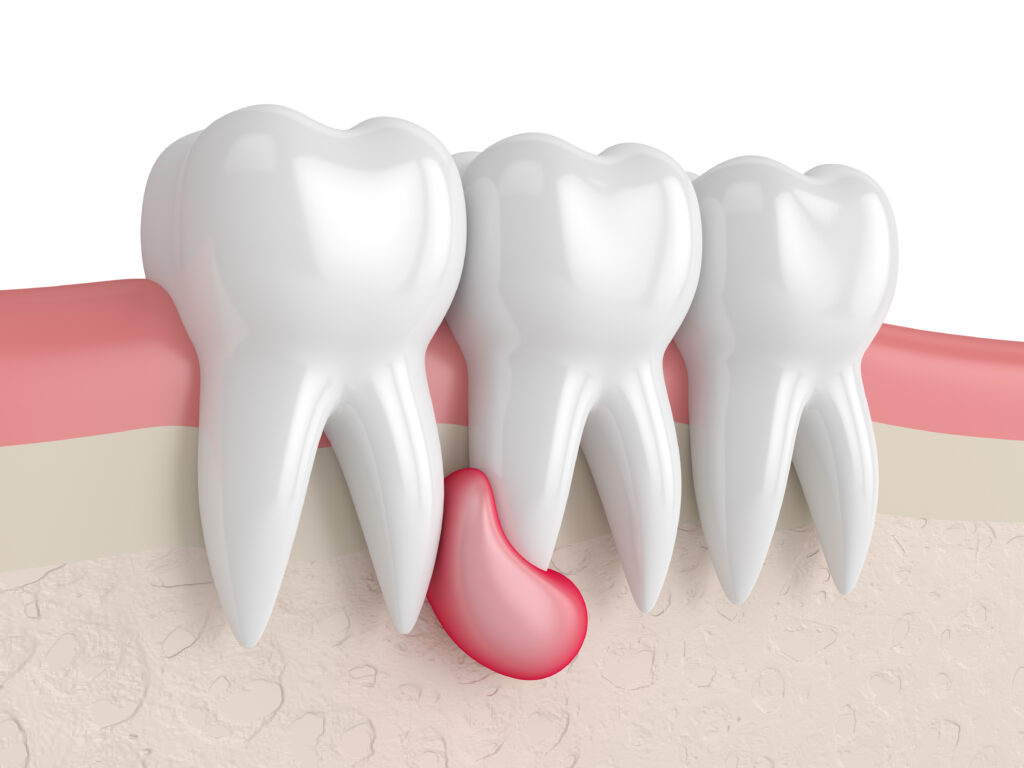
A periapical abscess usually develops when the infection affects the pulp, the tissue inside the tooth that contains nerves and blood vessels. The infection then spreads to the area around the tip of the root.
A common cause is deep tooth decay or untreated pulp inflammation. Depending on the assessment of the tooth, the dentist may consider root canal treatment, which involves cleaning and tightly filling the root canals.
Periodontal Abscess
A periodontal abscess develops in the tissues that hold the tooth in the bone, rather than inside the tooth itself. It may be related to periodontal disease, commonly known as gum disease, as well as deep gum pockets.
Bacteria and debris can accumulate in such pockets, which may promote infection. The dentist assesses the condition of the gums, tooth mobility, and pocket depth in order to select the appropriate treatment.
Gingival Abscess
A gingival abscess is a lesion located more superficially within the gum. It can sometimes resemble a painful, red bump, but the appearance alone does not determine its type or source.
It may be associated, for example, with local irritation, a foreign body, or an infection in deeper tissues. Therefore, this type of abscess also requires a dental examination.
Causes of a Tooth Abscess
A tooth abscess is the result of a bacterial infection. It most often develops according to a similar pattern: damage to a tooth or gum disease allows bacteria to enter deeper tissues, inflammation develops, and pus may then accumulate.
One of the main causes is advanced tooth decay. When bacteria pass through the enamel and dentin into the pulp, pulp inflammation may develop, followed by infection around the root. However, the link between tooth decay and an abscess does not mean that every cavity leads to an abscess—the risk increases when decay remains untreated.
Infection may also result from:
- a cracked or broken tooth,
- an injury, including one that happened some time ago,
- a leaking or damaged filling,
- periodontal disease and gum pockets,
- difficulty cleaning the area around the affected tooth thoroughly.
Tooth pain does not always correspond to the extent of the problem. A tooth with a previous injury or dead pulp may not cause obvious symptoms for some time, even though an infection is developing around the root.
Tooth Abscess Symptoms That Should Not Be Ignored
Symptoms of a tooth abscess can vary, so a single symptom is not enough to make a diagnosis on your own. A particularly typical symptom is severe, throbbing tooth pain that may radiate to the jaw, ear, or temple.
Local symptoms include:
- tooth tenderness when biting down,
- swollen gums, redness, or a painful bump,
- facial swelling caused by a tooth,
- pus draining from the gum,
- an unpleasant taste in the mouth or bad breath,
- a feeling that the tooth is “too high” or makes contact first when biting.
Sometimes the pain decreases after pus drains from the gum. However, this does not mean the infection has been cured—it may only mean that the pressure has temporarily decreased. The source of the infection may still require treatment.
General symptoms such as fever, significant weakness, or chills require particular attention. They may indicate that the body is reacting to a spreading infection.
When Does a Tooth Abscess Require Immediate Help?
Urgent help for a tooth abscess is needed whenever symptoms worsen quickly or involve more than just the tooth and gums. Do not wait for the pain to go away or postpone contact until the next day.
Warning signs:
- rapidly increasing swelling of the face, jaw, or neck,
- fever with a tooth abscess and worsening general condition,
- difficulty swallowing saliva or food,
- difficulty breathing,
- limited ability to open the mouth,
- swelling spreading beyond the area of the affected tooth.
If you have breathing or swallowing problems, seek emergency medical help. In the case of pain, local swelling, or pus from the gum, urgent contact with a dentist is needed.
How Does a Dentist Diagnose a Tooth Abscess?
Diagnosing a tooth abscess is a structured process. The dentist first asks about the type of pain, how long it has lasted, swelling, fever, past injuries, and previous treatment of the tooth.
Next, they examine the mouth: assessing the tooth, gums, reaction to touch and biting, and the extent of the swelling. When necessary, a dental X-ray is taken. The image helps show the root area and bone that cannot be assessed visually.
At Dynasty Stomatology, diagnostic imaging is available on site. Based on the examination, the dentist determines the likely source of the infection and discusses a treatment plan, including the possibility of microscope-assisted root canal treatment if the tooth is suitable for preservation.
Tooth Abscess Treatment: What Does It Involve?

Treatment for a tooth abscess has two goals: allowing pus to drain when necessary and removing the source of the infection. Simply reducing pain or swelling is not enough if the cause remains in the tooth or periodontal tissues.
The choice of treatment depends, among other things, on the condition of the tooth, the location of the infection, the extent of the swelling, and examination findings. The dentist discusses possible solutions and their stages before starting the procedure.
Drainage and Removal of the Source of Infection
If the dentist considers it necessary, they may perform an incision and drainage, meaning controlled drainage of the pus. The procedure is carried out in a dental office using appropriate anesthesia.
Drainage can provide relief, but it does not replace treatment of the cause. To reduce the risk of recurrence, the infected tooth, root canals, or periodontal disease must be addressed at the same time.
Root Canal Treatment or Tooth Extraction
If the infection originates inside the tooth, the dentist may consider root canal treatment. This involves cleaning infected tissue from inside the tooth, disinfecting the canals, and sealing them with a filling.
However, not every tooth can be saved. If it is severely damaged, cracked, or has an unfavorable prognosis, the dentist may consider extraction. The decision requires an individual assessment and often an X-ray evaluation.
Is an Antibiotic Enough for a Tooth Abscess?
No, an antibiotic usually does not remove the physical source of infection located in the tooth or abscess. A dentist may prescribe it when there are general symptoms or a spreading infection, but it does not replace drainage or dental treatment.
Do not take leftover antibiotics without consulting a doctor or share them with another person. The type of medication and the indications for its use are decided by the doctor after an examination.
Home Remedies for a Tooth Abscess: What Should You Not Do?
Home remedies for a tooth abscess may only temporarily relieve discomfort before your appointment. They do not remove bacteria from the root canals, gum pockets, or other tissues affected by the infection.
Do not pierce, squeeze, or cut open an abscess yourself. Doing so can damage tissues, worsen inflammation, and delay proper treatment. Also, do not apply heat to the swollen area, as heat can increase swelling.
For pain, you may use over-the-counter pain medication only according to the leaflet instructions and your own contraindications. Do not use antibiotics without a doctor’s recommendation. Gentle oral hygiene and a cold compress applied externally through a cloth may be reasonable support until your consultation, but they will not replace it.
How Should You Prepare for an Appointment With a Tooth Abscess?

When arranging an urgent dental consultation, it is worth describing the pain, swelling, fever, and any difficulty swallowing or opening your mouth straight away. This allows the reception team to properly assess the urgency of the appointment.
Before your visit, prepare:
- a list of medications you take and any known allergies,
- information about chronic conditions,
- the date when the pain and swelling began,
- information about previous treatment of the affected tooth,
- any X-rays previously taken, if you have them.
When contacting the practice, it is worth asking about the nearest available appointment, the assessment process, the approximate consultation cost, and the possibility of speaking in Polish, Ukrainian, Russian, or English. The exact cost of tooth abscess treatment can only be determined after an examination, as it depends on the cause and selected method.
Frequently Asked Questions About Tooth Abscesses
-
Yes, pus can drain on its own, but this does not mean the infection has been cured. The source of the infection still requires dental assessment and treatment.
-
No. Pain can be severe, but it may sometimes decrease after pus drains or when the pulp is dead. Swelling still requires a consultation.
-
It depends on the cause, the condition of the tooth, and the extent of the infection. Sometimes one procedure is needed, while in other cases treatment is carried out in stages.
-
With mild symptoms, the decision depends on how you feel, but you should not postpone your appointment. Fever or increasing swelling require urgent help.
-
Yes. Antibiotics can support treatment in certain situations, but they usually do not remove the infection from inside the tooth or eliminate the cause of the abscess.
If you have pain, swelling, or pus from the gum, urgently contact Dynasty Stomatology so that a dentist can assess the source of the infection and plan safe treatment. If breathing or swallowing difficulties occur, do not wait for a dental appointment—seek emergency medical help.