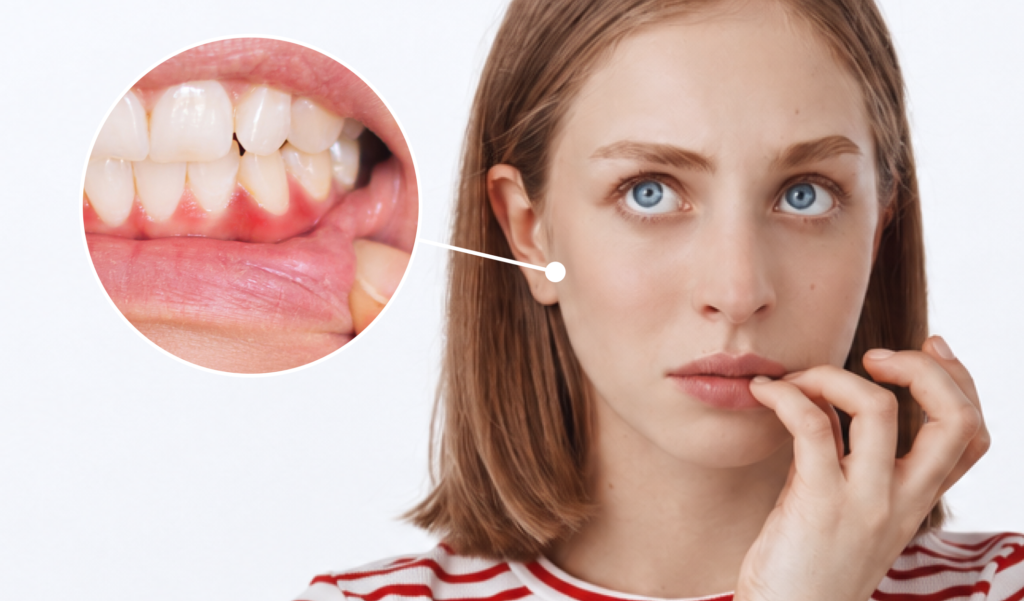


Teething is the natural process of baby teeth emerging through the gums. It may cause local tenderness, drooling, and irritability, but it should not automatically explain fever, lethargy, or a noticeable deterioration in the child’s condition. This guide is for parents of babies who want to safely relieve their child’s discomfort and know when to contact a pediatrician or pediatric dentist.
Teething in Babies – What Happens in a Child’s Mouth?
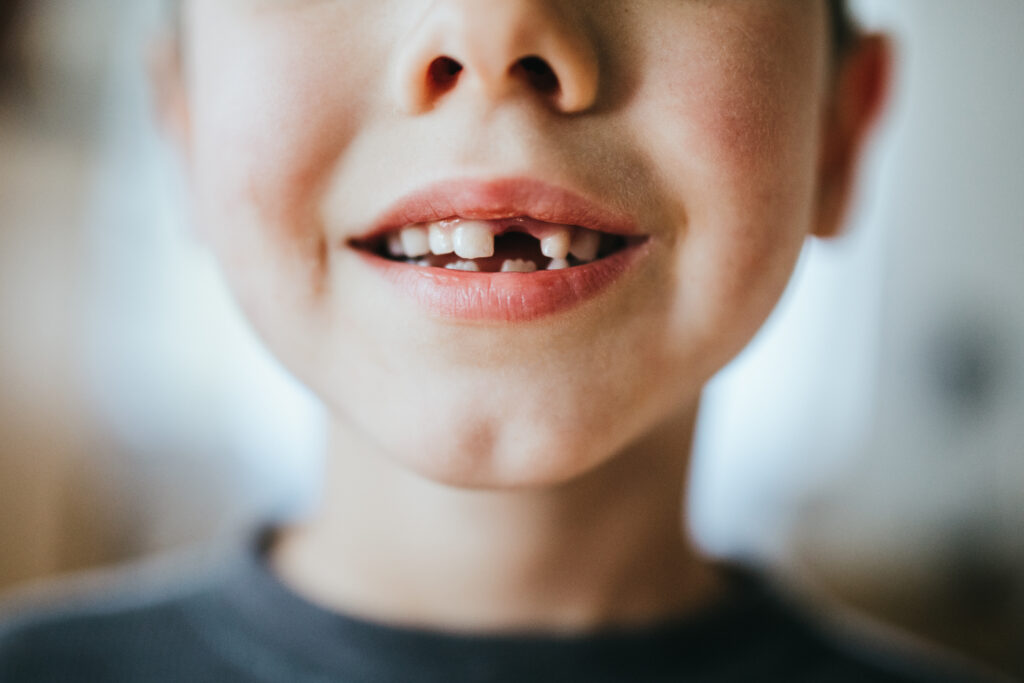
Teething in babies is recognized primarily by changes in the gums and the child’s behavior: a greater need to chew, drooling, tenderness, and occasional irritability. A baby tooth gradually moves toward the surface of the gum, which may cause pressure, itching, and pain.
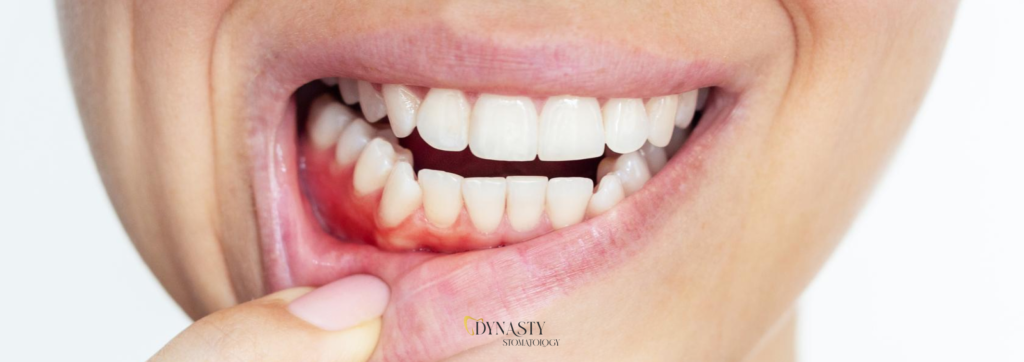
The gum where the tooth is emerging may be slightly swollen, red, or more sensitive to touch. Not every child goes through this stage in the same way. One baby may need more closeness and wake more often at night, while another may develop a visible tooth with almost no clear symptoms.
It is worth observing calmly. Teething may occur at the same time as an infection, changes in sleep patterns, or the development of new skills, so it should not be blamed for every episode of crying or feeling unwell.
When Does Teething Start in Babies?
The first tooth often appears in the second half of the first year of life, but this is only a general reference point. For some children, baby teeth begin to emerge earlier, while for others it happens noticeably later, and this alone does not necessarily indicate a problem.
Teething symptoms in a baby may appear before the white edge of the tooth becomes visible. A parent may notice a tense-looking gum, increased drooling, or more frequent hand-to-mouth behavior. The most important thing is to assess the child’s overall development rather than compare them with a calendar or other children.
How Long Does Teething Last?
Teething is not continuous pain lasting for many months. It is a process spread over time, with shorter periods of increased tenderness before a particular tooth appears and calmer stages in between.
If irritability, sleep problems, or refusal to eat persist for a long time or clearly worsen, it is worth looking for another cause. Ongoing symptoms should not be explained solely by teething without speaking to a pediatrician.
Teething Symptoms: Which Are Typical and Which Require Attention?
Teething symptoms in a baby usually affect the mouth above all: the gums, drooling, and the need to chew. A child may also be temporarily more tearful, have trouble falling asleep, or be less willing to eat because pressure on sore gums can be unpleasant.
However, painful teething should not be the default explanation for general symptoms. A high or persistent fever, vomiting, severe diarrhea, lethargy, or breathing difficulties may indicate an infection or another health problem that requires medical assessment.
Local Symptoms of Emerging Teeth
Typical local symptoms include red gums, slight gum swelling, and tenderness where a tooth is about to emerge. A baby may drool more heavily, chew on their hands, bib, or toys, or try to put various objects in their mouth.
Chewing creates temporary pressure on the gums, which may reduce the discomfort felt by some children. Not every baby will have all of these symptoms. It is important that objects within the child’s reach are clean, large enough not to pose a choking risk, and intended for their age group.
Changes in Behavior and Well-Being During Teething
While teeth are emerging, a child may cry more often, ask to be held, have more difficulty falling asleep, or wake more often than usual. They may also temporarily eat less willingly, especially when sucking, chewing, or touching the mouth increases tenderness.
However, parents should pay attention to their baby’s general condition. Marked lethargy, weakness, inconsolable crying, refusal to drink fluids, or fewer wet diapers are not signs that should be dismissed as ordinary teething.
Teething Timeline – The Order in Which Baby Teeth Appear
A teething timeline shows the most common, but approximate, course of baby tooth eruption. It helps parents understand what they may expect, but it should not be used to diagnose irregularities on their own. The pace of dental development and the order in which teeth emerge may run in families and vary from child to child.
A single deviation from a commonly described pattern usually does not mean illness. However, it is worth raising the issue during a routine appointment with a pediatrician or pediatric dentist if a parent notices significant asymmetry, an unusual-looking tooth, or a lack of progress that causes concern.
Which Baby Teeth Emerge First?
Most often, the lower front incisors appear first, followed by the upper incisors. Later, the remaining lateral incisors, first molars, canines, and second molars emerge.
In practice, parents may notice that after the first tooth appears, the next teeth do not emerge at regular intervals. There may be breaks, and sometimes two teeth begin to break through almost at the same time. A different order of tooth eruption does not have to be a cause for concern if the child is developing properly.
Does Delayed or Unusual Teething Require a Consultation?
It is worth asking a pediatrician or pediatric dentist about dental development when a parent has justified concerns. A consultation is also sensible in the case of clear asymmetry, an unusual tooth shape or color, an injury to the mouth, or the impression that the teeth have not been developing according to the child’s individual pace for a long time.
It is not worth making a diagnosis based on a single age threshold found online. A doctor will assess the child as a whole, examine the gums and baby teeth, and explain whether observation, preventive care, or further diagnostics are needed.
How Can You Help Your Child During Painful Teething?
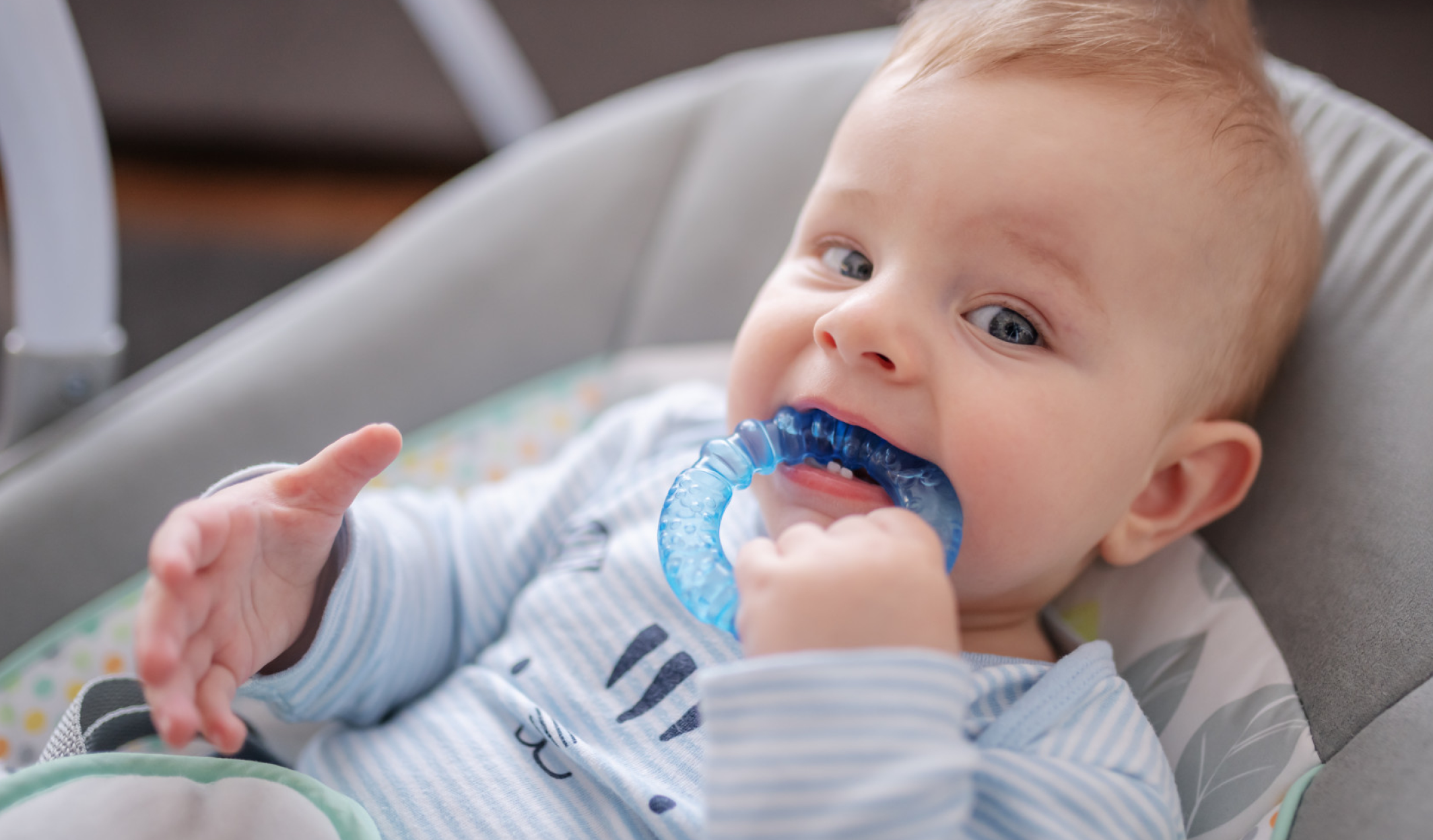
The safest ways to help with teething include closeness, soothing the child, gentle gum massage, and an appropriately selected teething toy. The goal is not to speed up tooth eruption, but to reduce discomfort during a more difficult period.
You can proceed step by step:
- Wash your hands and try gently massaging the gum with a clean finger.
- Offer a safe, chilled teething toy suitable for the baby’s age.
- Give your child more rest, contact, and calm if they are irritable.
- Observe whether the symptoms remain mild and local.
- Contact a pediatrician or pharmacist if you are considering a pain-relief product.
Home remedies for teething should be simple and safe. Do not experiment with random products or use methods that may irritate the gums or create a choking risk.
Chilled Teething Toys, Gum Massage, and Other Home Methods
A teething toy chilled in the refrigerator may bring relief because the coolness temporarily eases the tenderness. The teething toy should not be frozen—very low temperatures can be unpleasant for the gums, and a hard object may further irritate them.
Gentle massage with a clean finger is a good option if the child accepts it. There is no need to press hard on the gums. A brief, gentle movement over the area that seems sensitive is enough.
Do not give a baby hard foods, small pieces, or objects not intended for children to chew on. The safety of the material, size, and hygiene is more important than the promise of quick relief.
Teething Gels and Medications – What Is Worth Discussing with a Doctor?
Teething gels, topical products, and pain-relief medications for teething require a careful decision. Whether a particular product is suitable depends, among other things, on the child’s age and body weight, health condition, other medications they are taking, and current symptoms.
Do not choose a dose on your own or rely on opinions from online forums or recommendations from friends. A pediatrician or pharmacist can help assess whether a product is needed, how to use it according to the package leaflet, and when an examination of the child is necessary instead of symptomatic treatment.
In the case of persistent pain, significant parental concern, or unusual symptoms, it is worth seeking medical advice first. Teething products do not replace an assessment of the cause of the symptoms.
What Should Not Be Used on Teething Gums?
Do not use random numbing agents, products not intended for babies, or preparations without checking their ingredients and age recommendations. Do not rub alcohol on the gums or give honey. Honey is not intended for babies and, in addition, is not a method for relieving gum pain.
Caution also applies to products marketed as natural. Natural origin does not automatically mean safety for a young child, especially when a product contains active substances, essential oils, or ingredients with unknown effects.
If you are unsure whether a gel or medication is appropriate, consult a pediatrician or pharmacist. This is a safer step than testing home methods on a baby’s sensitive gums.
When Teething Is Not Teething and When to Book an Appointment
Teething may cause local tenderness and irritability, but it should not overshadow symptoms of a possible illness. Fever and teething are a common concern for parents: if the temperature is high, persists, or the child appears ill, a consultation with a pediatrician is needed.
Contact a doctor if any of the following occur:
- high or persistent fever,
- severe diarrhea during teething, vomiting, or a rash,
- breathing difficulties,
- lethargy, significant weakness, or unusual sleepiness,
- refusal to drink, signs of dehydration, or clearly fewer wet diapers,
- a sudden worsening of the child’s condition.
A parent does not have to decide alone how to distinguish teething from illness. If warning symptoms occur or there is simply uncertainty, it is worth arranging a pediatric consultation. If the concern relates to the appearance of a tooth, the gums, or oral hygiene, a pediatric dentist can help.
First Visit to a Pediatric Dentist and Hygiene for First Teeth
Oral hygiene is worth starting even before teeth appear by gently wiping the gums with a clean, soft gauze pad or a damp cloth intended for this purpose. Once the first tooth has erupted, daily brushing with a small, soft toothbrush suitable for babies should be introduced.
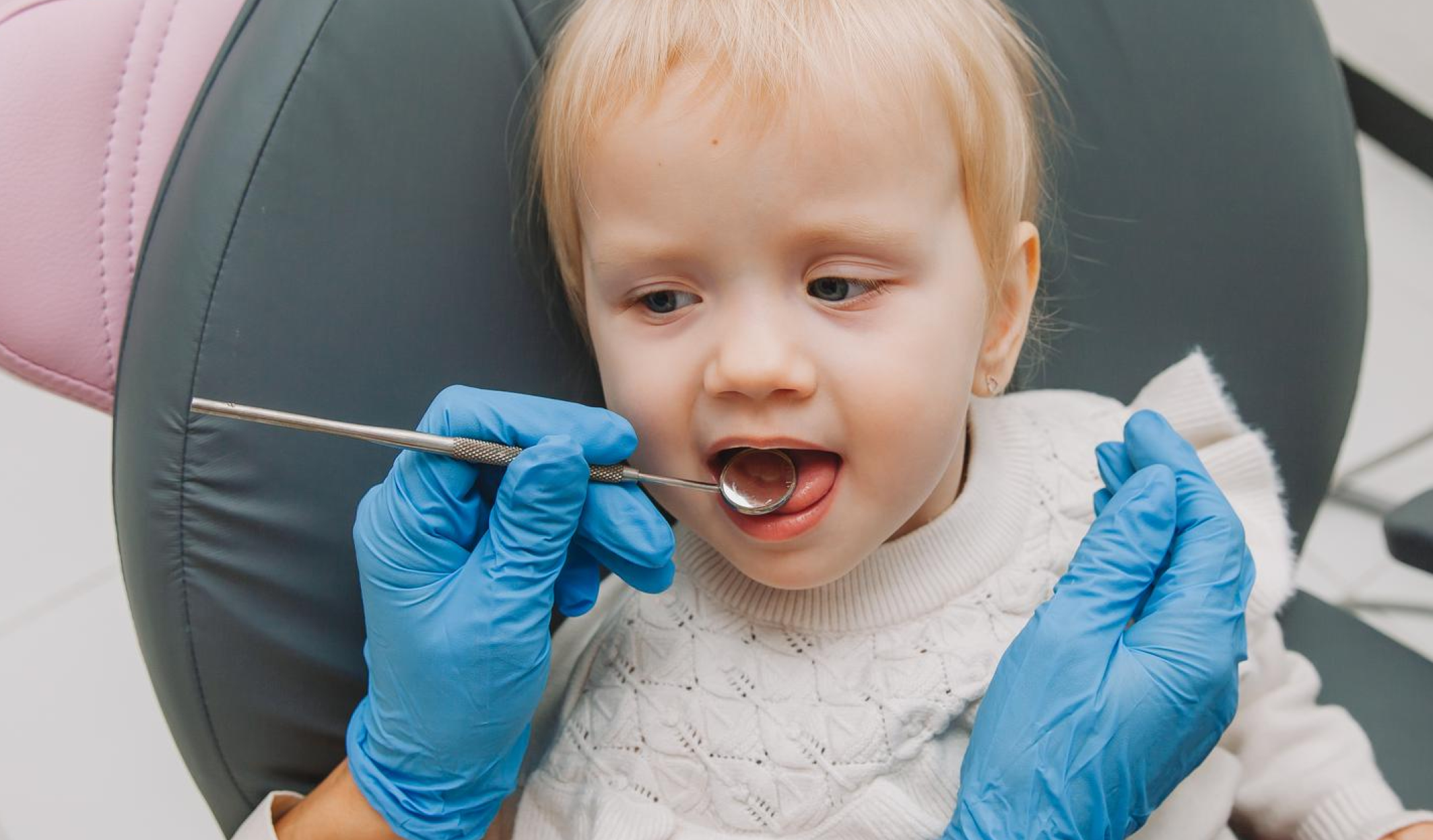
The first visit to a pediatric dentist is an opportunity to help the child become familiar with the dental office in a calm way. The dentist assesses the development of the baby teeth and gums and talks with the parent about hygiene, diet, and cavity prevention. It does not have to involve stressful treatment—it is often a brief consultation and care guidance.
At Dynasty Stomatology in Krakow, parents can discuss their child’s dental development with the pediatric dentistry team in a calm, family-friendly atmosphere. Book a dental appointment for your child if the symptoms are worrying or if you want to take care of proper hygiene for their first teeth from the very beginning.
Frequently Asked Questions About Teething in Babies
-
A slight, temporary increase in temperature may coincide with teething, but a high or persistent fever should not be attributed solely to emerging teeth. It is worth monitoring the child and contacting a pediatrician, especially if other symptoms of illness are also present.
-
Diarrhea and a runny nose should not be considered certain, normal symptoms of teething. They may occur at the same time, but they often have another cause, such as an infection. Severe diarrhea, vomiting, weakness, or signs of dehydration require contact with a pediatrician.
-
Simple methods are usually most helpful: a parent’s closeness, gentle gum massage with a clean finger, and a chilled but not frozen teething toy. If the pain is noticeable or the symptoms are unusual, consult a pediatrician or pharmacist before using a gel or medication.