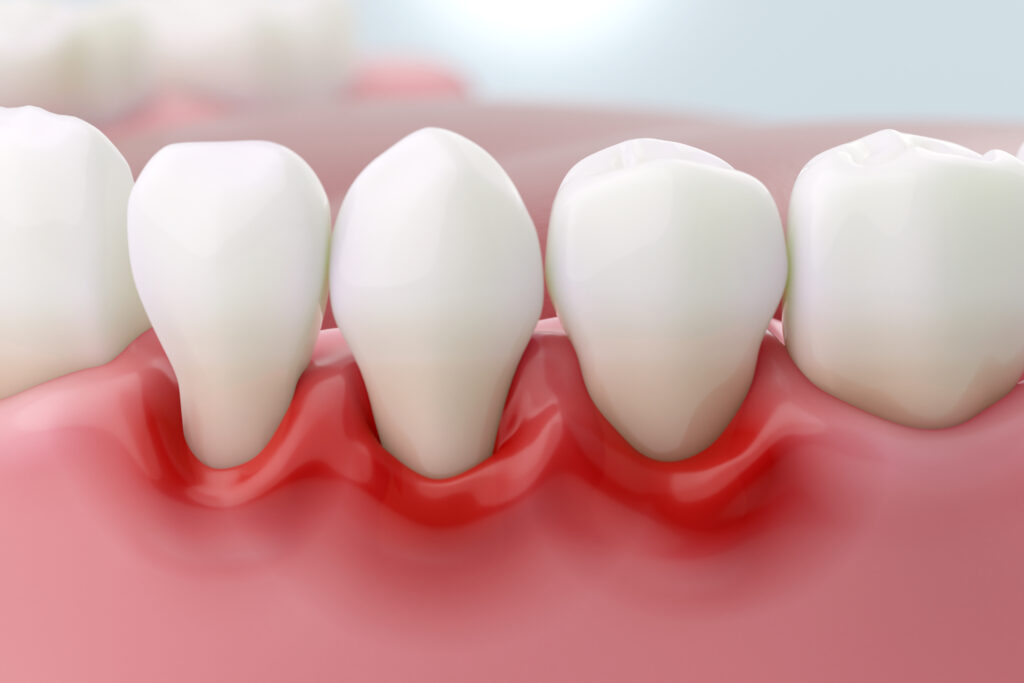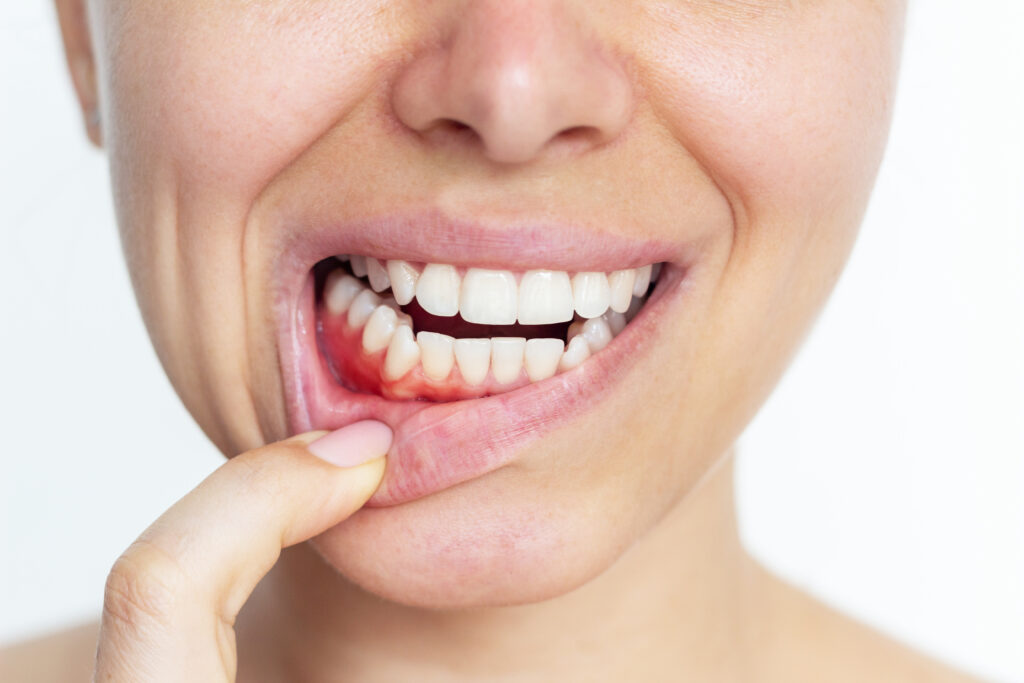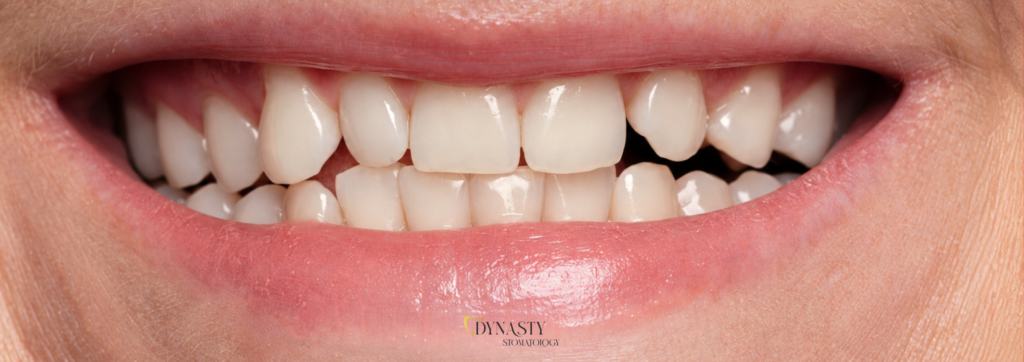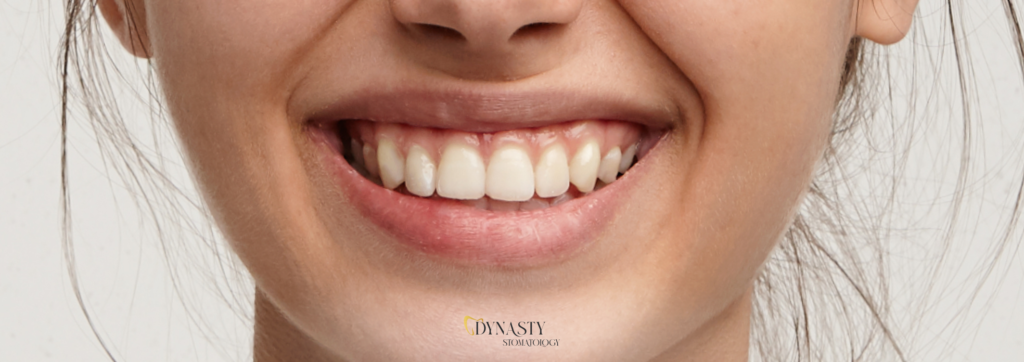


Bleeding gums are a common symptom, most often associated with inflammation caused by dental plaque. However, blood appearing while brushing or cleaning between the teeth should not be treated as something you simply have to accept.
Other possible causes include brushing too hard, hormonal changes during pregnancy, certain medications, periodontal disease, or other health problems. Therefore, if the bleeding keeps coming back, it is worth determining its cause during a dental consultation.
If your gums bleed regularly, are swollen, or painful, book a consultation at Dynasty Stomatology in Kraków by calling +48 576 676 266. The dentist will assess the condition of your gums and periodontal tissues and explain which course of action is appropriate for your situation.
What Can Bleeding Gums Mean?
Bleeding gums are most often a symptom of inflammation caused by dental plaque—a soft bacterial buildup that collects along the gumline. However, they can also occur after mechanical injury, during pregnancy, with nutritional deficiencies, while taking certain medications, or as part of systemic diseases.
Bleeding from the gums while brushing, flossing, or eating harder foods should be noticed, even if it is not accompanied by pain. Healthy gums generally do not bleed with gentle, proper oral hygiene.
What bleeding gums mean in a specific case can only be assessed after an examination. A persistent symptom does not necessarily indicate advanced disease, but it should not be ignored or masked simply by changing toothpaste.
The Most Common Causes of Bleeding Gums
The causes of bleeding gums can be divided into local causes, directly affecting the mouth, and systemic causes related, for example, to hormones, medications, or overall health. The most common mechanism is simple: plaque remains along the gums, bacteria irritate the tissues, and inflammation causes the gums to become swollen and bleed more easily.
However, the symptom alone does not make it possible to determine why the gums are bleeding. An assessment by a dentist is needed, especially when the problem recurs.
Dental Plaque, Tartar, and Gingivitis
If dental plaque is not thoroughly removed during daily oral hygiene, it can mineralize over time and turn into tartar. Tartar has a rough surface on which additional plaque can accumulate more easily, so gum irritation may worsen.
Typical symptoms of gingivitis include redness, swelling, tenderness, and bleeding while brushing. Tartar cannot be removed through brushing at home—it requires professional dental cleaning at a dental office.
Brushing Too Hard and Oral Hygiene Mistakes
A toothbrush that is too firm, excessive pressure, and horizontal “scrubbing” can mechanically damage the gums. However, this does not mean you should brush your teeth less thoroughly or less often. A better solution is to use a soft toothbrush, make gentle movements along the gumline, and have your brushing technique checked regularly.
Bleeding after starting to floss does not always mean that floss is harmful either. It often reveals inflammation in the spaces between the teeth that were not previously being cleaned. It is worth flossing gently and consistently, and if the bleeding persists, asking a dentist or dental hygienist for guidance.
Pregnancy, Deficiencies, and Other Systemic Factors
Hormonal changes, particularly during pregnancy, can increase the gums’ sensitivity to the presence of dental plaque. Deficiencies of vitamin C or vitamin K may also play a role, although diagnosing them requires a doctor’s assessment.
Spontaneous or heavy bleeding should also be discussed with the treating physician, especially if the patient takes medications that affect blood clotting. Do not stop taking medication or begin supplementation on your own solely because of bleeding gums.
When Can Bleeding Gums Indicate Periodontitis?
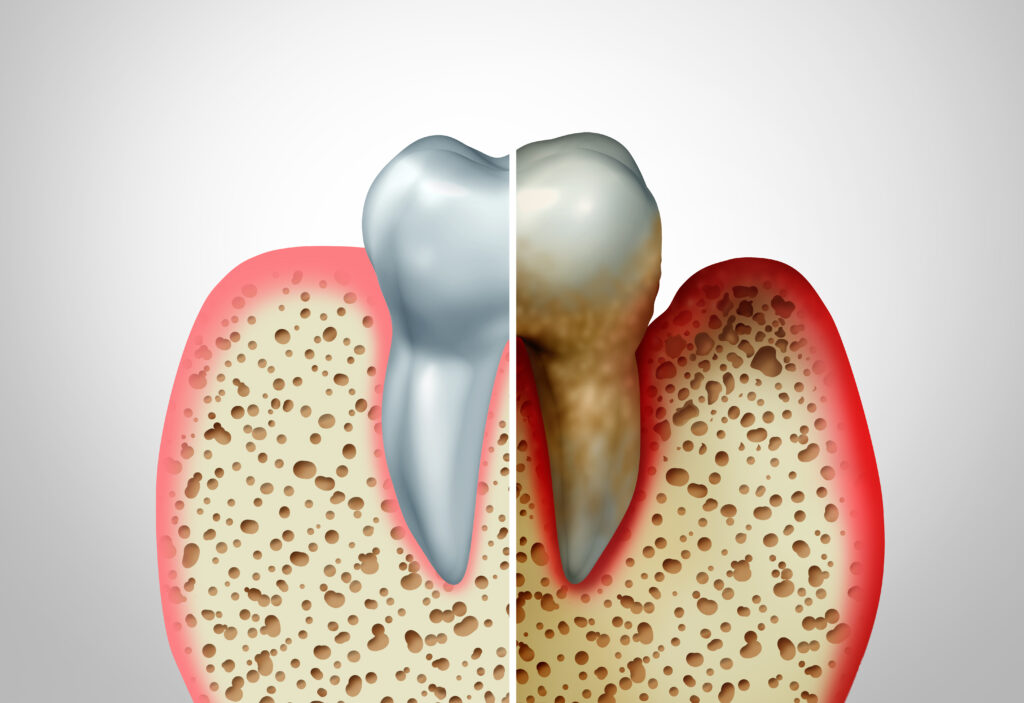
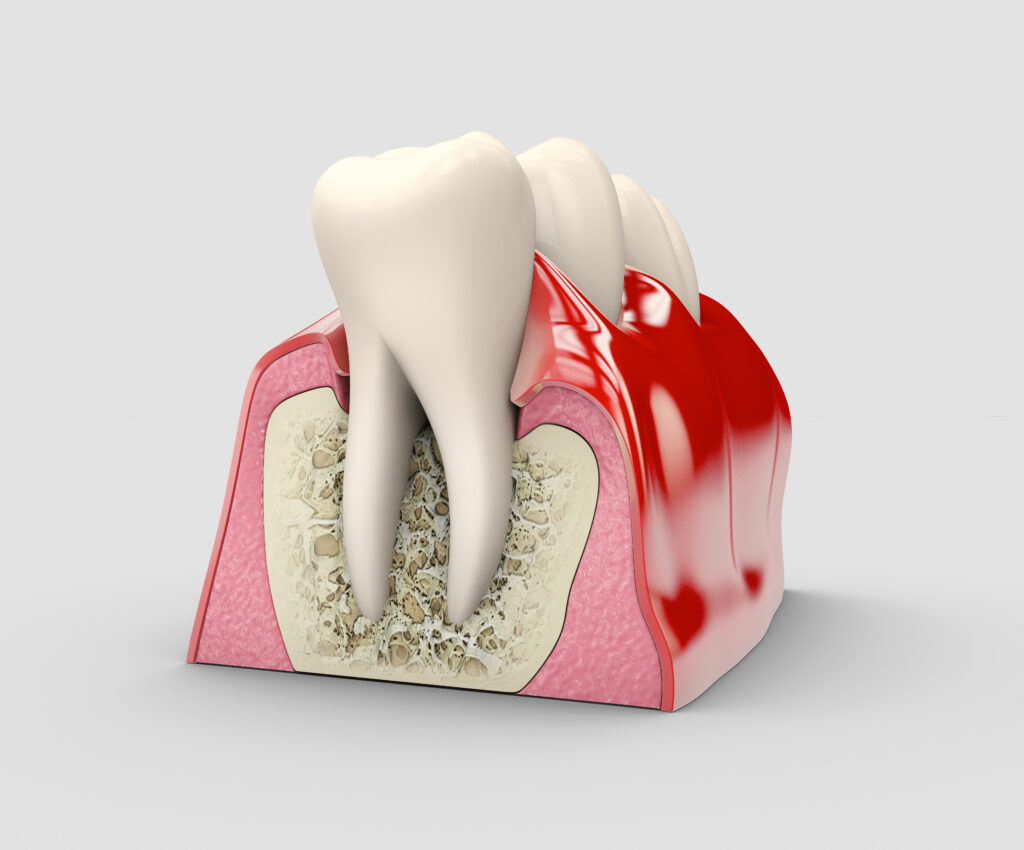
Gingivitis affects the superficial tissues around the teeth and, at an early stage, is usually reversible once its cause has been removed. If inflammation remains untreated, it can spread to the periodontium—the tissues that hold the tooth in the bone. This condition is called periodontitis, commonly referred to as gum disease.
Bleeding gums and periodontitis are therefore not the same thing, but bleeding can be one of the first signs that requires a check-up. An early consultation makes it possible to assess the situation before the changes become more complex.
Symptoms That Should Not Be Ignored
Short-term irritation after overly vigorous brushing usually resolves once oral hygiene is corrected. However, bleeding accompanied by any of the following symptoms requires a more prompt assessment:
- persistent bad breath,
- swelling, soreness, or noticeable redness of the gums,
- receding gums and exposed tooth roots,
- sensitivity to cold or hot stimuli,
- pus near the gums,
- loose teeth or a noticeable change in their position.
These symptoms do not determine a diagnosis, but they are an indication for a dental consultation.
Why Does the Absence of Pain Not Rule Out a Problem?
Gum and periodontal diseases can develop quietly, without severe pain. For this reason, a patient may sometimes seek help only after noticing gum recession, bad breath, or loose teeth.
During an examination, the dentist assesses the condition of the gums, the presence of deposits, and the depth of gum pockets—the spaces between the tooth and the gum. If indicated, the dentist may order imaging to assess the condition of the bone around the teeth. Early diagnosis provides more options for stopping the disease from progressing.
Bleeding Gums During Pregnancy and in Children
Bleeding gums during pregnancy and bleeding gums in children often cause significant concern, but both situations require calm action. You should not assume that the symptom will “go away on its own,” as the underlying cause is still often dental plaque and local inflammation.
Gentle daily oral hygiene and a consultation tailored to the patient’s age, pregnancy, medications, and overall health are important.
Is Bleeding Gums During Pregnancy Normal?
An increased tendency for gums to bleed during pregnancy is common because hormones can change how tissues respond to dental plaque. However, this does not mean that bleeding should be ignored.
Thorough but gentle brushing, cleaning between the teeth, and regular check-ups can help. The dentist determines a safe treatment plan individually, taking into account the stage of pregnancy and the condition of the mouth.
How Should You Respond to Bleeding Gums in a Child?
A parent should check whether the child brushes their teeth twice a day with a soft toothbrush and whether they are not doing so too vigorously. It is also worth paying attention to areas that are difficult to clean, such as around erupting teeth or braces.
If the bleeding recurs, or if swelling or pain occurs, or the child avoids brushing their teeth, an appointment with a pediatric dentist is needed. The dentist will assess the gums and show both the parent and child a simple hygiene technique.

What Does the Diagnosis and Treatment of Bleeding Gums Involve?
Treatment for bleeding gums depends on the cause, which is why a visit to the dentist does not begin with an automatic procedure. The dentist takes a medical history, examines the mouth, and checks whether the problem is mainly related to plaque and tartar, an injury, or whether it requires broader diagnostic testing.
A typical consultation includes several steps:
- A discussion about how long the bleeding has lasted, oral hygiene, medical conditions, and medications taken.
- An examination of the teeth, gums, and areas where deposits accumulate.
- An assessment of inflammation and guidance on daily oral hygiene.
- If necessary, a periodontal assessment and diagnostic imaging.
- Establishing an individual treatment and follow-up plan.
At Dynasty Stomatology, patients can receive diagnostic testing on site, and the treatment plan is discussed step by step. Not every person with bleeding gums requires the same approach.
Professional Teeth Cleaning and Treatment of Inflammation
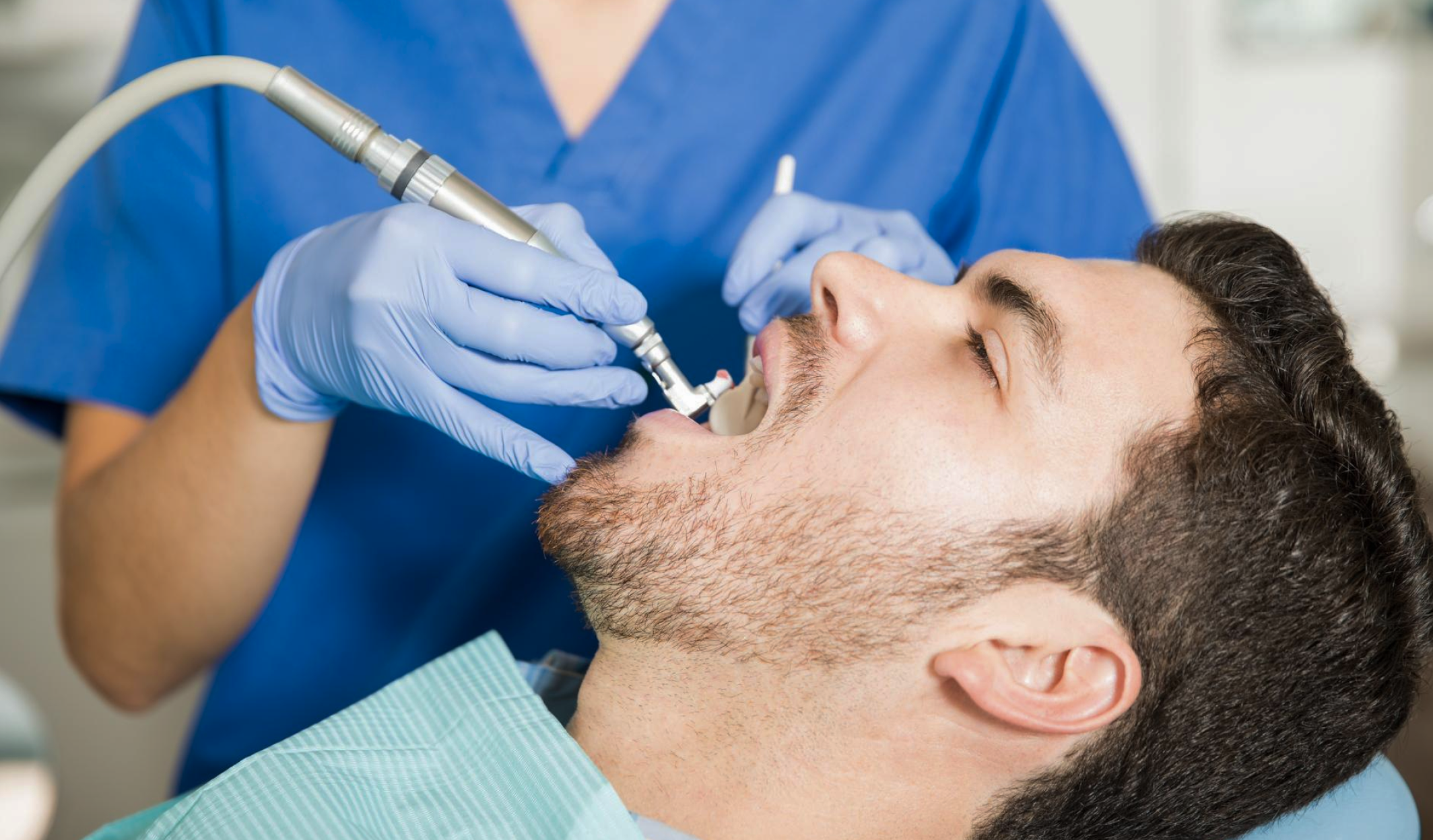
Professional dental cleaning involves removing plaque and tartar from areas that cannot be reached with a toothbrush. After the procedure, the patient receives guidance on how to clean their teeth and the spaces between them in order to limit the buildup of deposits again.
If the dentist diagnoses periodontal disease, they may plan more targeted treatment and follow-up appointments. The goal is not a one-time “cleaning” of the teeth, but controlling the inflammation and maintaining the result through regular oral hygiene.
What Can You Do at Home Before Your Appointment?
Home remedies for bleeding gums should support oral hygiene, not replace diagnosis. Until your appointment, it is worth brushing your teeth twice a day with a soft toothbrush, avoiding pressing it hard against the gums, and thoroughly cleaning between the teeth with an appropriate tool.
Mouthwash can complement oral hygiene, but it does not remove plaque or tartar. It should be used according to the dentist’s recommendation or the manufacturer’s instructions, especially if it contains antiseptic ingredients.
Pay attention to when blood appears and whether swelling, pain, or an unpleasant odor occurs. This information helps determine the possible cause during the appointment.
What Should You Not Do If Your Gums Are Bleeding?
Do not stop brushing or cleaning between your teeth simply because you see blood. Instead, reduce the pressure, choose a soft toothbrush, and ask to be shown the proper technique.
Also, do not try to remove tartar with sharp tools or take medications on your own. If symptoms worsen, a prompt consultation at a dental office is the appropriate alternative to home experimentation.
When Should You Book an Appointment with a Dentist?
It is worth contacting a dental office if bleeding persists despite improving oral hygiene, returns frequently, or occurs spontaneously without brushing. A dental consultation is also needed in the case of pain, swelling, pus, bad breath, receding gums, or loose teeth.
Before your appointment, prepare information about how long the problem has been present, in which situations it occurs, and what medications and chronic conditions the patient has. Spontaneous bleeding from the gums or general symptoms also require contact with the treating physician.
In Kraków, Dynasty Stomatology sees patients in Polish, English, Ukrainian, and Russian. Book an appointment if the symptom does not go away or if you would like to receive a clear plan for further treatment.
How Can You Prevent Bleeding Gums from Returning?
Preventing bleeding gums is based on consistency, not aggressive scrubbing. The most important habits include:
- brushing your teeth twice a day with a soft toothbrush,
- cleaning between your teeth every day,
- having your oral hygiene technique checked at the dental office,
- regular professional cleanings as recommended by your dentist,
- reporting recurring bleeding without waiting for pain to develop.
If you want to prevent bleeding gums, focus on thoroughly removing dental plaque and attending check-ups. This is a more practical strategy than frequently changing toothpastes or mouthwashes without identifying the cause of the problem.
Frequently Asked Questions
-
Yes, gums can bleed after flossing, especially when there is inflammation between the teeth. Do not stop flossing, but do it gently. If the bleeding does not stop, ask a dentist to assess your gums and provide guidance.
-
No, bleeding gums do not always mean periodontitis. The cause is often reversible gingivitis, dental plaque, or injury from a toothbrush. However, recurring bleeding requires an examination to rule out periodontal disease.
-
Bleeding should not persist long term or recur frequently. Brief irritation may go away after gentler oral hygiene, but a symptom that continues despite improved care is worth discussing with a dentist.
-
No, mouthwash alone will not cure bleeding gums. It can support oral hygiene if properly selected, but it does not remove tartar or replace treatment of the cause of inflammation.
Bleeding Gums? It Is Worth Checking the Cause
If bleeding gums recur, appear during daily oral hygiene, or are accompanied by swelling, pain, bad breath, or receding gums, do not delay a consultation. A dentist will assess the condition of your gums and periodontal tissues and help determine the cause of the problem.
Book a consultation at Dynasty Stomatology in Kraków by calling +48 576 676 266 and find out which course of action is appropriate for your situation.