



A curettage procedure in dentistry is commonly performed in the treatment of periodontal disease caused by poor oral hygiene. It is non-surgical in nature and involves cleaning periodontal pockets to reduce the depth of infection to the tooth and gums. The procedure is performed by cleaning the food debris from the number of affected teeth. It is different from open curettage as it does not involve incisions and is done under anesthesia by a skilled dentist.
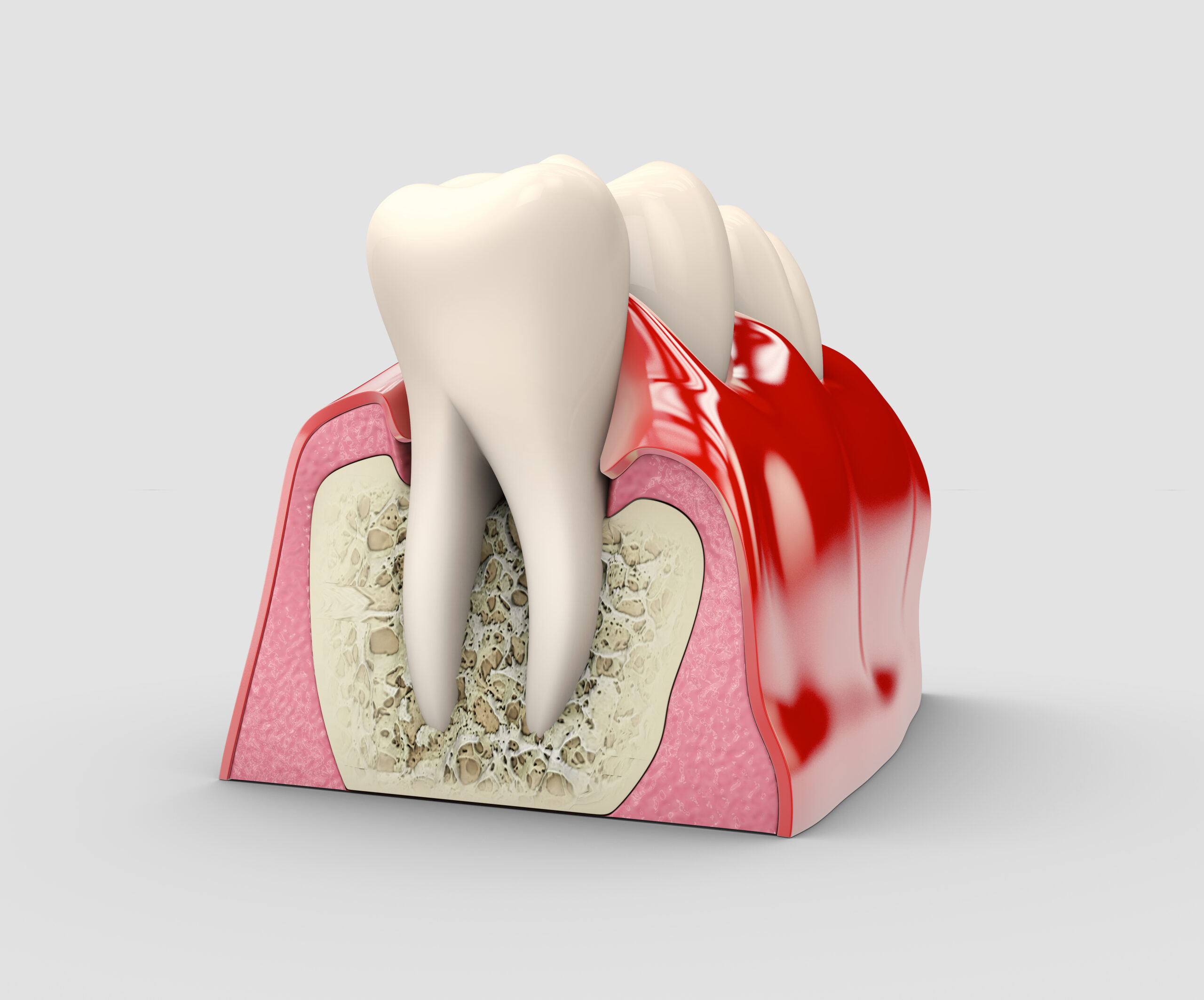

The pathological periodontal pocket depth (more than 3 mm)

Abundant deposits of plaque and tartar

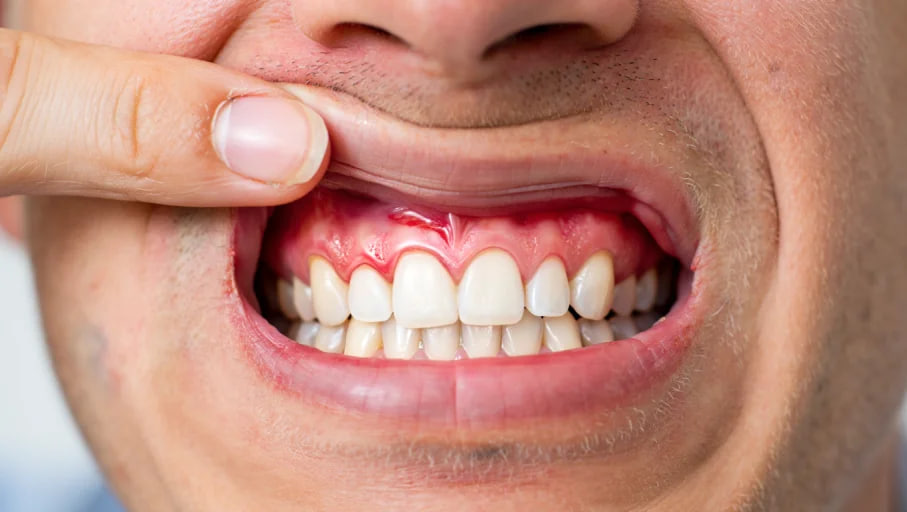
Inflammation and bleeding gums, pus of periodontal pockets
Dental prophylaxis and treatment at Dynasty Stomatology - make an appointment
Dynasty Stomatology is a trusted and esteemed dental center in Krakow, Poland offering adults and children an entire range of dental services. The expert team here take the first step to resort to dental prophylaxis like curettage for mild to serious periodontal infections.
The curettage cost depends upon the individual cases of periodontal disease. Booking a consultation with our skilled experts at our dental clinic will guide you on curettages-types, whether curettage painful or not, or queries or concerns.

Price: Closed curettage
-
Prosthodontic consultation
250 PLN -
Closed curettage of teeth arch
9 000 PLN -
Closed curettage of half teeth arch
4 800 PLN -
Closed curettage (1 tooth)
1 500 PLN
How the Dynasty Stomatology dental clinic's loyalty program works
Learn more about the loyalty program
Step 01
Visit the clinic and scan the QR code at the reception desk
Step 02
Register online — enter your details
Step 03
Receive and accumulate points after each visit
Do you want to get rid of inflammation and pain?
Schedule an appointment!
By clicking the button, you give your agreet your personal data in accordance with privacy policy.
Frequently asked questions about closed curettage
-
Gingival curettage is one of the methods to effective remove bacteria and debris from the periodontal pockets of the mouth.
-
Gum pockets must be cleaned at regular intervals like 3-6 months with a skilled dentist to prevent severe periodontal infections.
-
Closed curettage is a non-surgical periodontal procedure used to treat gum disease. During the treatment, your dentist carefully removes inflamed, infected tissue from the gum pockets around your teeth without making any incisions. This helps the gums heal and reattach more closely to the tooth surface, reducing pocket depth and preventing further progression of gum disease. It is a gentle, minimally invasive procedure typically performed under local anesthesia for your comfort.
-
A closed curette is a specialized dental instrument used during periodontal (gum) treatment to gently remove plaque, tartar, and infected tissue from below the gumline. Unlike an open curette, which has two cutting edges, a closed curette (also called a Gracey curette) has only one working cutting edge, making it designed to reach specific tooth surfaces with greater precision. This allows your dentist or hygienist to clean deep gum pockets more effectively and comfortably, helping to treat gum disease and promote healing.
-
Open curettage is a minor surgical periodontal procedure in which the dentist gently lifts back the gum tissue to gain direct access to the tooth root and surrounding bone. This allows thorough removal of infected tissue, tartar, and bacteria that have accumulated deep beneath the gumline. It is typically recommended when non-surgical cleaning alone isn't enough to treat advanced gum disease. The procedure is performed under local anesthesia, so you remain comfortable throughout, and it helps promote healing and reattachment of healthy gum tissue to the tooth.
-
Gingivoplasty is generally not painful during the procedure, as it is performed under local anesthesia, so you won't feel any discomfort while we work. After the numbing wears off, you may experience mild soreness and sensitivity for a few days, which is usually well managed with over-the-counter pain relievers and following our aftercare instructions. Most patients describe the recovery as much easier than they expected, and any discomfort typically resolves within a week.
Doctors who perform closed curettage
View all doctors
Anastasiia Danyliuk
General dentist, endodontist
Focuses not only on treatment effectiveness but also on patient comfort. Her main goal is to provide long-term results without the need for repeate...

Yuliia Rudzynska
Pediatric dentist
Helps children not only maintain healthy teeth but also develop a positive attitude toward dentistry, ensuring fear-free visits.
Yana Tereshchenko
General dentist, endodontist
Cares about both the health and the aesthetic and functional aspects of her patients’ teeth, helping preserve a natural, beautiful smile for years.
Reviews on closed curettage in Krakow
Expert articles on the topic
View all blog-
18.08.2026
8
13 min. read
Causes of gum recession – what does it look like & how to prevent
Receding gums, also known as gingival recession, involve the gumline moving toward the root of the tooth. This can expose…
Read more -
09.12.2025
1295
5 min. read
What is Dental Splinting and How It Can Save a Loose Tooth?
Loose teeth in adults are often a sign that something important is changing in your mouth. This causes a lot…
Read more -
01.09.2025
638
7 min. read
Periodontal disease – causes, symptoms, treatment options
Periodontal disease is one of the most common oral health issues worldwide, affecting millions of people and often developing silently over time. Left untreated, it can lead to serious complications, including tooth loss and systemic health problems. Understanding the causes, recognizing early symptoms, and exploring effective treatment options are essential for maintaining a healthy smile […]
Read more -
01.08.2025
820
5 min. read
What is Periodontology – What Does a Periodontist Do?
Periodontology focuses on the health of the tissues surrounding and supporting the teeth. It plays a crucial role in preventing and treating gum diseases that can affect overall oral health. Understanding the importance of this dental specialty helps maintain strong teeth and gums throughout life. What is Periodontics? Periodontics is a branch of dentistry that […]
Read more





Curettage of periodontal pockets for the treatment of periodontal disease
Curettage of the mouth’s periodontal pockets refers to the process of removing the inflammatory soft tissues along the lining that surround your teeth. It is performed under local anesthesia for preventing infection and treating periodontal diseases.
What is gum and teeth curettage?
Laser curettage of the gums and teeth is a procedure used to eliminate infections leading to tooth loss. Deep cleaning of the gingival pockets is done by a doctor. Curettage is recommended for those with periodontitis, severe dental plaque and tartar. Its main goal is to remove infections that cause inflammation in the teeth and gums in a painless way. In fact, curettage is one of the best procedures for oral health and care.
Types of curettage worth knowing
Closed curettage
Closed curettage involves the process of making no gum incisions. It is ideal for minor infections of periodontal infections. The dentist uses special tools to clean the infection from the deep pockets of the tooth roots that lead to inflammation.
Open curettage
Open curettage is performed with a surgical procedure in a dental office where an incision is made in the gums to lift the affected periodontal tissue. This dental surgery is performed when periodontal disease has reached a severe level. The incision in the gums is not greater than 5 mm however, the treatment approach to each patient differs as per the severity of the periodontal tissue infection.
Indications for curettage of periodontal pockets:
What is the course of treatment and care after curettage?
Good oral hygiene is essential after the procedure. Aftercare tips for inflammation of periodontal disease include regular brushing and flossing. The procedure involves dental check- ups at regular intervals. For special curettes in some periodontal cases, cutting the gums cleans the tooth roots in the depths of the pockets. The aim of the treatment is to make the gum reattach to teeth naturally and promote good oral health.
Dental care after closed gum curettage
Maintaining good oral hygiene is recommended with regular brushing and flossing for the gums to reattach to the teeth tightly after recovery.
Contraindications for curettage
Curettage is not recommended for patients with uncontrolled diabetes, blood clotting, and herpes. It must be conducted after medical evaluation and approval.