



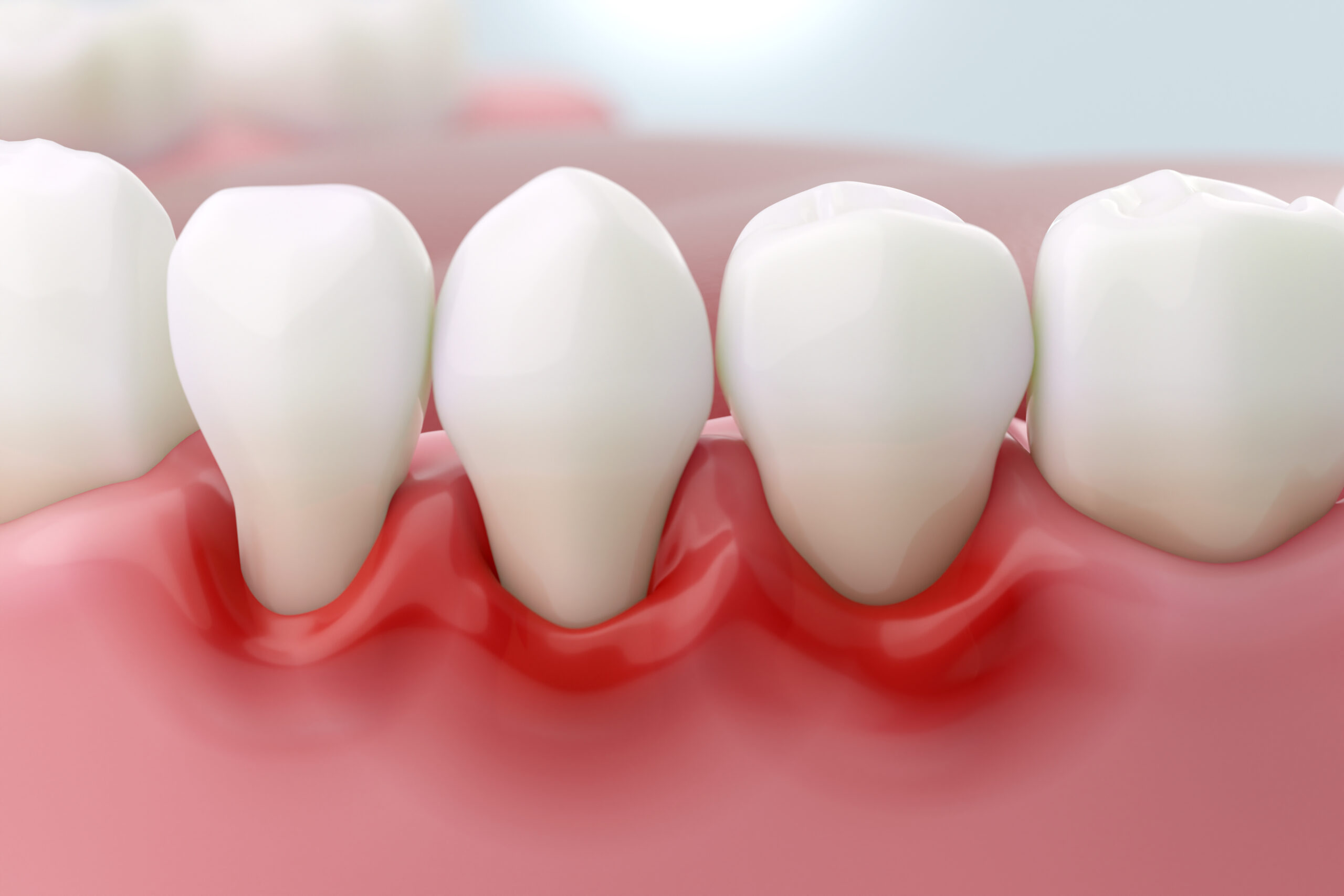
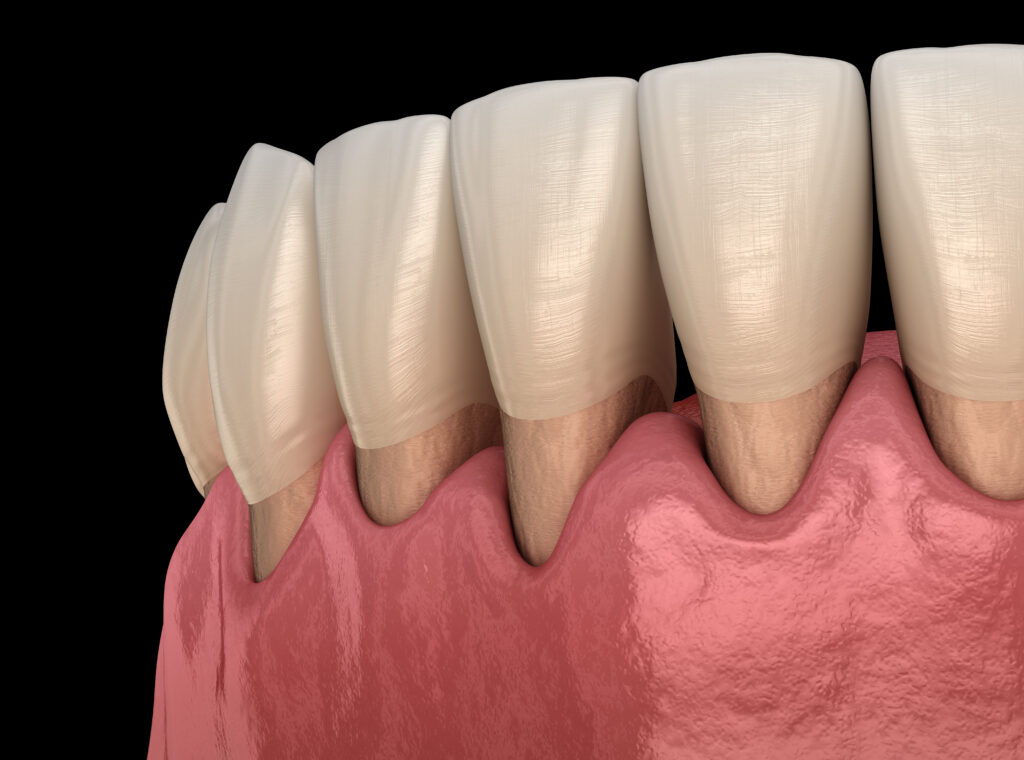
Gum recession is a common condition where the tissue of the gums pull away from your teeth, exposing the tooth root. Known as gingival recession in periodontology dentistry, it leads to discomfort, tooth sensitivity, and eventually tooth loss, if left untreated.

Poor oral hygiene

Aggressive brushing

Previous orthodontic treatment
Cost of gum recession treatment at Dynasty Stomatology
At Dynasty Stomatology in Krakow, Poland, the cost of gum recession treatment depends upon the complexity of your condition and the type of treatment procedure prescribed. For instance, basic cleaning procedures will cost less than a flap surgery. A detailed consultation and check up with your dentist will help you get the exact price estimate and a personalized treatment plan for your condition.
We at Dynasty Stomatology provide patients with a wide range of dental care services. Our expert team of periodontists and dentists ensure that you get personalized attention and customized treatment plans for your condition.
We use modern equipment and the latest technology when it comes to restorative and orthodontic dental practices. Our team of experts are friendly and compassionate when it comes to patient care in a clean and safe environment. Please contact us if you have any queries or concerns about gum recession treatment and surgery- we will be happy to help!
Price: Treatment of gum recession
-
Prosthodontic consultation
250 PLN
How the Dynasty Stomatology dental clinic's loyalty program works
Learn more about the loyalty program
Step 01
Visit the clinic and scan the QR code at the reception desk
Step 02
Register online — enter your details
Step 03
Receive and accumulate points after each visit
Have you noticed that your teeth have become longer, or that you have sensitivity or discomfort when brushing?
Schedule an appointment!
By clicking the button, you give your agreet your personal data in accordance with privacy policy.
Frequently asked questions about gum recession treatment
-
Gum recession takes place when the soft tissue of the gums pulls away from the tooth, exposing its roots. The tooth appears longer and becomes sensitive with pain.
-
Gums do not grow back if infected. However, the gum graft surgery will help you protect your teeth and gum line from worsening further.
-
It is never too late to repair receding gums however the sooner the better to avoid tooth and bone loss. Book an appointment with your dentist for a check-up.
-
The suture is removed 1 to 2 weeks after the surgery subject to the healing and recovery of the patient.
-
After the gum transplant surgery, your dentist will recommend soft and cold food to accelerate the healing and recovery process.
-
The best treatment for receding gums depends on the severity of the condition. In mild cases, improved oral hygiene, professional deep cleaning (scaling and root planing), and regular check-ups may be enough to stop further recession. For more advanced cases, a gum graft surgery — where tissue is taken from another area of your mouth and placed over the exposed root — is often the most effective solution. We recommend scheduling a consultation at our clinic so we can assess your specific situation and recommend the treatment that will give you the best results.
-
Gum recession cannot heal on its own, as gum tissue does not regenerate naturally once it has receded. However, the good news is that effective treatments are available. Depending on the severity, your dentist may recommend gum grafting surgery, the pinhole surgical technique, or other regenerative procedures to restore the gumline. Early intervention is key — if you've noticed your gums pulling back, we encourage you to schedule a consultation so we can assess your situation and recommend the best treatment option for you.
-
Unfortunately, there is no quick home remedy to reverse receding gums — once gum tissue is lost, it cannot grow back on its own. However, you can stop further recession by maintaining gentle brushing with a soft-bristled toothbrush, avoiding tobacco, and keeping up with regular dental cleanings. For more advanced cases, professional treatments such as scaling and root planing or gum graft surgery can effectively restore the gumline and protect your teeth. We recommend scheduling a consultation at our clinic so we can assess your situation and recommend the best treatment plan for you.
Doctors who perform gum recession treatment
View all doctors
Anastasiia Danyliuk
General dentist, endodontist
Focuses not only on treatment effectiveness but also on patient comfort. Her main goal is to provide long-term results without the need for repeate...

Yana Tereshchenko
General dentist, endodontist
Cares about both the health and the aesthetic and functional aspects of her patients’ teeth, helping preserve a natural, beautiful smile for years.

Yuliia Rudzynska
Pediatric dentist
Helps children not only maintain healthy teeth but also develop a positive attitude toward dentistry, ensuring fear-free visits.

Borys Minakov
Prosthodontist
His approach focuses on individually tailored treatment plans that not only solve current issues but also prevent future ones. This helps patients ...
Reviews on gum recession treatment in Krakow
Expert articles on the topic
View all blog-
18.08.2026
8
13 min. read
Causes of gum recession – what does it look like & how to prevent
Receding gums, also known as gingival recession, involve the gumline moving toward the root of the tooth. This can expose…
Read more -
09.12.2025
1295
5 min. read
What is Dental Splinting and How It Can Save a Loose Tooth?
Loose teeth in adults are often a sign that something important is changing in your mouth. This causes a lot…
Read more -
01.09.2025
638
7 min. read
Periodontal disease – causes, symptoms, treatment options
Periodontal disease is one of the most common oral health issues worldwide, affecting millions of people and often developing silently over time. Left untreated, it can lead to serious complications, including tooth loss and systemic health problems. Understanding the causes, recognizing early symptoms, and exploring effective treatment options are essential for maintaining a healthy smile […]
Read more -
01.08.2025
820
5 min. read
What is Periodontology – What Does a Periodontist Do?
Periodontology focuses on the health of the tissues surrounding and supporting the teeth. It plays a crucial role in preventing and treating gum diseases that can affect overall oral health. Understanding the importance of this dental specialty helps maintain strong teeth and gums throughout life. What is Periodontics? Periodontics is a branch of dentistry that […]
Read more





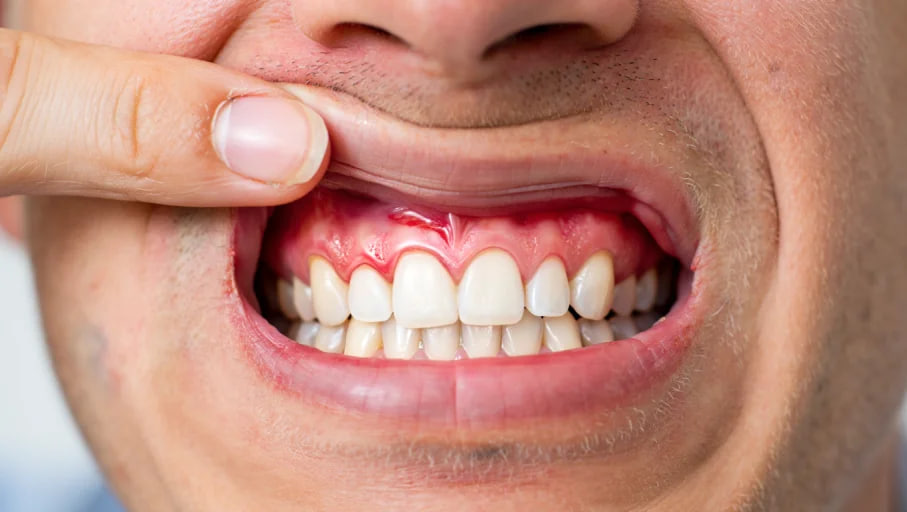
Gum recession is the retreat of the gumline, which exposes the tooth neck and root surface. Treatment does not always mean surgery. First, it is necessary to determine why the gums are receding, control inflammation, and eliminate irritants. Only then does the periodontist assess whether root coverage is appropriate and predictable.
We have prepared this guide for adult patients in Krakow who have noticed exposed tooth necks, sensitivity, or changes in their gumline. At Dynasty Stomatology, we explain the treatment plan in straightforward language and select it after an examination, without promising a single solution for every case.
What is gum recession and when does it require treatment?
Gum recession is the movement of the gumline toward the tooth root, exposing its surface. It requires a consultation when the change is progressing, causes sensitivity, increases the risk of root decay, is accompanied by bleeding or inflammation, or when the appearance of the smile bothers the patient.
Gum recession, also referred to as receding gums or gum loss, can develop slowly. Some people do not experience pain at first, which is why the problem may only be noticed during a check-up or on images taken during dental diagnostics.
An exposed root does not have the same protection as the enamel on the tooth crown. It may react with discomfort to cold drinks, sweet foods, contact with a toothbrush, or a stream of air. Early diagnosis helps stop further gum recession and better plan the protection of your natural teeth.
What are the symptoms of receding gums?
Patients usually notice that a tooth appears longer, the gumline is uneven, or a darker root surface appears near the tooth neck. Cold sensitivity and discomfort during brushing are also common.
During a check-up, the dentist may detect changes that are not obvious at first glance: bleeding gums, bacterial plaque, periodontal pockets, bite overload, or irritating edges of crowns or fillings.
What are the consequences of untreated gum recession?
Untreated recession can increase sensitivity and make the exposed surface more susceptible to root decay. Not every recession leads to serious complications, but accompanying periodontal inflammation can weaken the tissues that support the tooth.
The safest approach is prompt diagnosis. It makes it possible to distinguish an isolated mechanical injury from a problem that requires periodontal treatment, meaning treatment of the tissues surrounding and supporting the teeth.
Gum recession treatment in Krakow – who should book a consultation?
A periodontal consultation at Dynasty Stomatology in Krakow is intended for people who notice exposed tooth necks, sensitivity, bleeding gums, changes in smile aesthetics, or suspect periodontal disease. It is also a good time to assess recession before planned orthodontic treatment, prosthetic work, or crown replacement.
We begin gum recession treatment by identifying the cause, rather than declaring that surgery is needed. During the appointment, we discuss symptoms, oral hygiene, and possible stages of therapy. Patients can communicate in Polish, English, Ukrainian, or Russian.
What does a periodontist assess during the appointment?
The periodontist assesses the extent of recession, the condition of the gums and periodontium, and the presence of plaque and bleeding. They also check brushing technique, bite alignment, frenum tension, existing crowns, and fillings.
If needed, diagnostics may include X-rays or an on-site 3D examination. This forms the basis for an individual gum treatment plan.
Can every recession be treated with surgical root coverage?
No, not every recession can be surgically covered to the same extent. The possibility and predictability of the result depend, among other things, on the type of tissue loss, the amount of bone, gum thickness, hygiene, and elimination of the cause of the problem.
Before surgery, inflammation must be stabilized and traumatic brushing habits or irritating restorations must be eliminated. The dentist discusses the realistic treatment goal and the limitations of the specific case.
Causes of gum recession and risk factors
Effective gum recession treatment is not solely about improving the gumline. If the cause remains, gum recession may continue even after therapy. That is why the treatment plan includes both tissue protection and changes to the factors that damage the tissues.
Common causes include poor oral hygiene habits, gum and periodontal inflammation, bite overload, and anatomical features such as a thin gum phenotype. An improperly shaped frenum, a crown with an inaccurate margin, or a filling that makes cleaning difficult may also be relevant.
Brushing too hard and oral hygiene mistakes
A hard toothbrush, excessive pressure, and vigorous horizontal movements can mechanically irritate the gumline. The problem more often affects areas where the tissues are thin or a tooth is positioned outside the dental arch.
A general recommendation to brush more gently is not enough. During the appointment, we demonstrate an individual cleaning technique, select an appropriate toothbrush, and explain how to use it without injuring the gums.
Gum inflammation and periodontal disease
Chronic inflammation of the gums and periodontium can damage the tissues supporting the teeth. Symptoms may include bleeding, swelling, bad breath, or changes in tooth position, but diagnosis requires an examination.
We first treat the inflammation and improve plaque control. Surgical recession coverage is considered later, when the tissues are stable and healing conditions are appropriate.
Bite alignment, frenums, thin gums, and prosthetic restorations
An abnormal frenum may continuously pull on the gumline. Bite overload, in turn, may create unfavorable forces acting on selected teeth. A thin gum phenotype means more delicate tissues that react more easily to injury.
Crowns, bridges, and fillings should allow proper hygiene and should not irritate the gums. Depending on the cause, the periodontist works with a restorative dentist, prosthodontist, or orthodontist to ensure that treatment remains stable in the future as well.
Methods of gum recession treatment
Gum recession treatment is carried out in stages. The first goal is to stop the problem from progressing and create healthy conditions for the gums. For some patients, proper hygiene, eliminating inflammation, and correcting irritants are the most important elements of therapy.
The informal term “pulling the gums down” refers to periodontal procedures performed to cover the root. However, it is not an automatic solution for every case of gum loss. The scope of treatment depends on the examination, the patient’s expectations, and the condition of the tissues.
Causal and conservative treatment
Conservative treatment may include professional dental hygiene treatment, inflammation control, oral hygiene instruction, and correction of areas where plaque accumulates. If the cause involves improper fillings, crowns, or bite problems, we include these factors in the plan.
Stopping the progression of recession is a valuable goal in itself. Not every exposed root surface requires surgery if it is healthy, easy to keep clean, and does not cause symptoms.
Surgical coverage of gum recession
Surgical treatment aims to cover the exposed root and strengthen the gum tissues. Depending on the situation, the dentist may use flap procedures, meaning the gentle repositioning of the patient’s own gum tissue, as well as tissue material that supports its thickness.
The technique should not be chosen based on a photo online or the appearance of the smile alone. The periodontist selects it according to the location of the recession, the number of teeth involved, bone condition, gum quality, and the ability to maintain hygiene after the procedure.
When does treatment improve comfort and aesthetics?
Treatment can reduce sensitivity, make it easier to protect the exposed root, and improve the appearance of an uneven gumline. For some people, the area visible when smiling is particularly important.
It is not possible to honestly predict an identical result for every patient. We discuss the expected outcome, possible limitations, and alternatives after the examination and before making a decision about gum surgery.
What does gum recession coverage surgery involve?
Gum recession coverage is a planned procedure performed after qualification and preparation of the tissues. Its course depends on the number of teeth being treated, the location of the change, and the quality of the gums, which is why each patient receives individual instructions before the appointment.
The typical process includes several stages:
- Checking oral hygiene and inflammation, and confirming the treatment plan.
- Local anesthesia to ensure the procedure is comfortable.
- Gentle work within the gum area and preparation of the root surface.
- Repositioning tissue or using tissue material, if indicated.
- Protecting the surgical site and scheduling follow-up appointments.
Preparation for surgical treatment
Before the procedure, stable oral hygiene and control of active inflammation are necessary. The dentist also assesses the causes of recession, such as toothbrush trauma, bite overload, or an improperly fitted crown.
After qualification, the patient receives preparation instructions. It is important to inform the dentist about chronic conditions, medications being taken, and previous dental treatment.
Follow-up appointments and healing assessment
Follow-up appointments make it possible to check healing, hygiene, gumline stability, and patient comfort. The dentist assesses whether the operated area is protected from injury and whether any factors that could hinder regeneration have appeared.
The follow-up schedule is set individually. It is not advisable to compare your healing process with another person’s experience, as the extent of the procedure and tissue conditions may differ.
Post-procedure recommendations and prevention of recurrence
Post-procedure recommendations are part of treatment, not an addition to the procedure. They protect the operated gums during healing and help maintain the result. Individual instructions provided by the dentist always take priority over general advice.
The most important rules include:
- protecting the surgical site from injury,
- maintaining hygiene according to the dentist’s instructions,
- reporting concerning symptoms to the clinic,
- attending follow-up appointments,
- eliminating the causes that led to gum recession.
What should be avoided during the healing period?
Avoid mechanically irritating the operated area, including changing your hygiene technique on your own without consultation. The dentist may also provide individual recommendations regarding eating and care.
If concerning symptoms occur, it is best to contact the Dynasty Stomatology reception desk instead of trying to solve the problem with home remedies.
How should you brush your teeth to avoid worsening recession?
Brushing should be controlled, thorough, and non-aggressive. A soft toothbrush and a technique adapted to the condition of the gums, tooth alignment, and restorations in use are usually recommended.
People with thin gums or previous toothbrush trauma particularly need oral hygiene instruction. During the appointment, we show you how to clean your teeth effectively without applying excessive pressure to the gumline.
Gum recession treatment – cost and financing
The cost of gum recession treatment depends on the actual extent of the problem, so it cannot be reliably determined based solely on a description of symptoms. The estimate may include diagnostics, hygiene treatment, inflammation treatment, correction of irritants, surgical treatment, and follow-up appointments.
| Treatment plan element | What may affect the cost |
|---|---|
| Diagnostics and consultation | scope of the examination, need for diagnostic imaging |
| Causal treatment | gum condition, presence of tartar and inflammation, necessary repairs to fillings or crowns |
| Recession coverage | number of teeth treated, extent of recession, tissue conditions, and chosen method |
| Follow-up appointments | individual healing process and the need for further prevention |
Private treatment is priced according to the current treatment plan and clinic price list. The scope and availability of any publicly funded services should always be confirmed before the appointment, as they do not automatically cover all periodontal and surgical procedures.
Dynasty Stomatology offers individually agreed installment payments, including MediPay, MediRaty, and an internal plan. Current terms are best confirmed when speaking with the reception desk.
What affects an individual cost estimate?
There is no single honest answer to the search phrase “gum recession treatment cost.” The number of areas requiring treatment, the depth of recession, the need for inflammation therapy, and the planned method all matter.
After the examination, the patient receives an overview of the next stages and costs. This makes it possible to make an informed decision instead of paying for a procedure that is not suited to the cause of the problem.
How can you book a consultation in Krakow?
To book a periodontal consultation, contact Dynasty Stomatology and describe your symptoms during registration: sensitivity, bleeding, exposed roots, or a change in the gumline. It is worth bringing any existing documentation and asking about the language of the appointment and payment options.
The clinic is located at Romanowicza 1/LU3 and Romanowicza 4B in Krakow. The most important next step is a consultation, during which the periodontist will determine the cause of the recession and propose a safe plan to protect your gums.