





Nighttime toothache is not a separate medical condition, but it may be a symptom of tooth decay, pulp inflammation, or an infection in the tissues surrounding the tooth. Discomfort often becomes more noticeable when lying down; however, determining its cause requires proper dental diagnostics.
Why Does Toothache Get Worse at Night?
Increased tooth pain during nighttime hours may result both from inflammatory processes in the tooth tissues and factors related to rest. Changes in blood flow associated with lying down, as well as greater focus on pain when there are fewer external stimuli, play an important role.
Nighttime toothache, especially when spontaneous or throbbing, may indicate a condition that requires dental evaluation.
The Effect of Lying Down on Throbbing Toothache
Lying down is associated with changes in hydrostatic pressure distribution and blood circulation. In cases of tooth pulp inflammation, this may affect the intensity of symptoms, which can sometimes become throbbing or pressure-like.
Elevating the head while resting may provide temporary relief for some patients, but it does not eliminate the cause of the pain. Symptoms that wake you from sleep, worsen with heat, or persist despite taking pain medication require a dental consultation.
Why Is Toothache More Noticeable at Night?
During the day, everyday activities and external stimuli may distract you from pain. At night, when there are fewer distractions, pain may feel more intense even if its actual severity does not change significantly.
What Can Toothache at Night Mean?
Nighttime toothache can have various causes, and its nature, location, and intensity provide important diagnostic clues. Symptoms may result from advanced tooth decay, pulp inflammation, gum disease, problems related to wisdom teeth, or bruxism. Pain in the upper teeth may also accompany maxillary sinus inflammation.
Determining the cause of the symptoms requires a dental examination, on the basis of which the dentist can determine whether further diagnostic tests are needed and plan appropriate treatment.
|
Possible cause |
Characteristic symptoms |
Recommended timing of consultation |
|
Tooth decay |
Sensitivity to cold, hot, or sweet foods, a visible cavity, pain when biting |
At the nearest available appointment |
|
Tooth pulp inflammation |
Spontaneous, throbbing, or radiating pain, often worsening at night |
Urgent consultation |
|
Gum and periodontal disease |
Bleeding, swelling, gum tenderness, sometimes loose teeth |
At the earliest appointment; urgently if symptoms are severe |
|
Dental abscess |
Severe pain, swelling, presence of pus discharge, sometimes fever |
Urgent consultation |
|
Wisdom tooth-related symptoms |
Pain in the back of the mouth, swollen gums, difficulty opening the mouth |
At the earliest appointment; urgently if symptoms are severe |
|
Bruxism |
Morning soreness of the chewing muscles, jaw tension, worn tooth surfaces |
Routine consultation |
|
Maxillary sinus inflammation |
Pain or pressure in the upper teeth, nasal congestion, facial pressure |
Medical consultation depending on symptom severity |
Tooth Decay and Tooth Pulp Inflammation
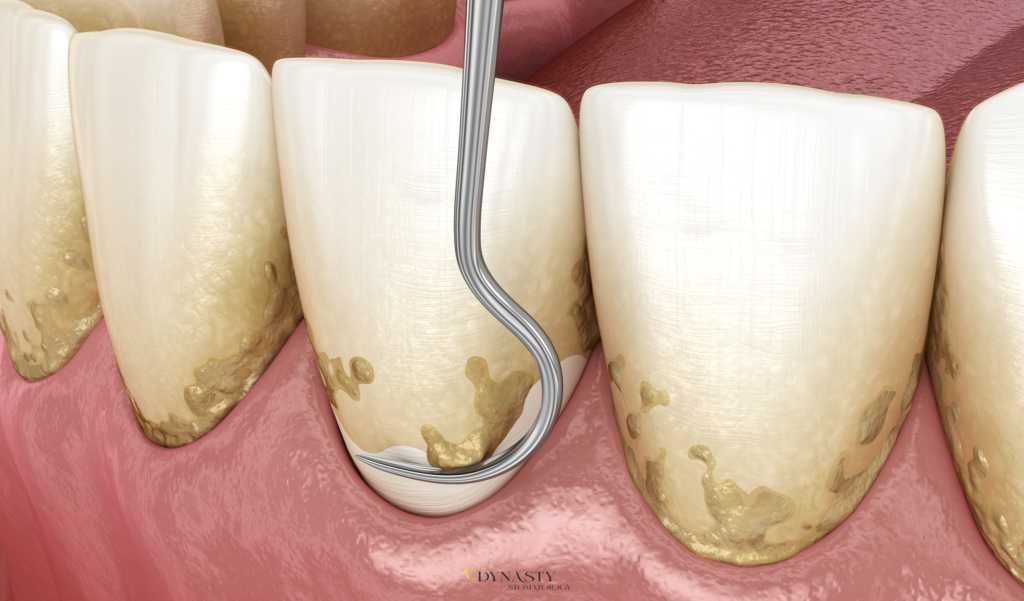
Tooth decay leads to gradual damage to the hard tissues of the tooth as a result of acids produced by bacteria. In the early stages, it may be symptom-free; however, as it progresses, sensitivity to hot and cold stimuli, sweet foods, and discomfort when biting may occur.
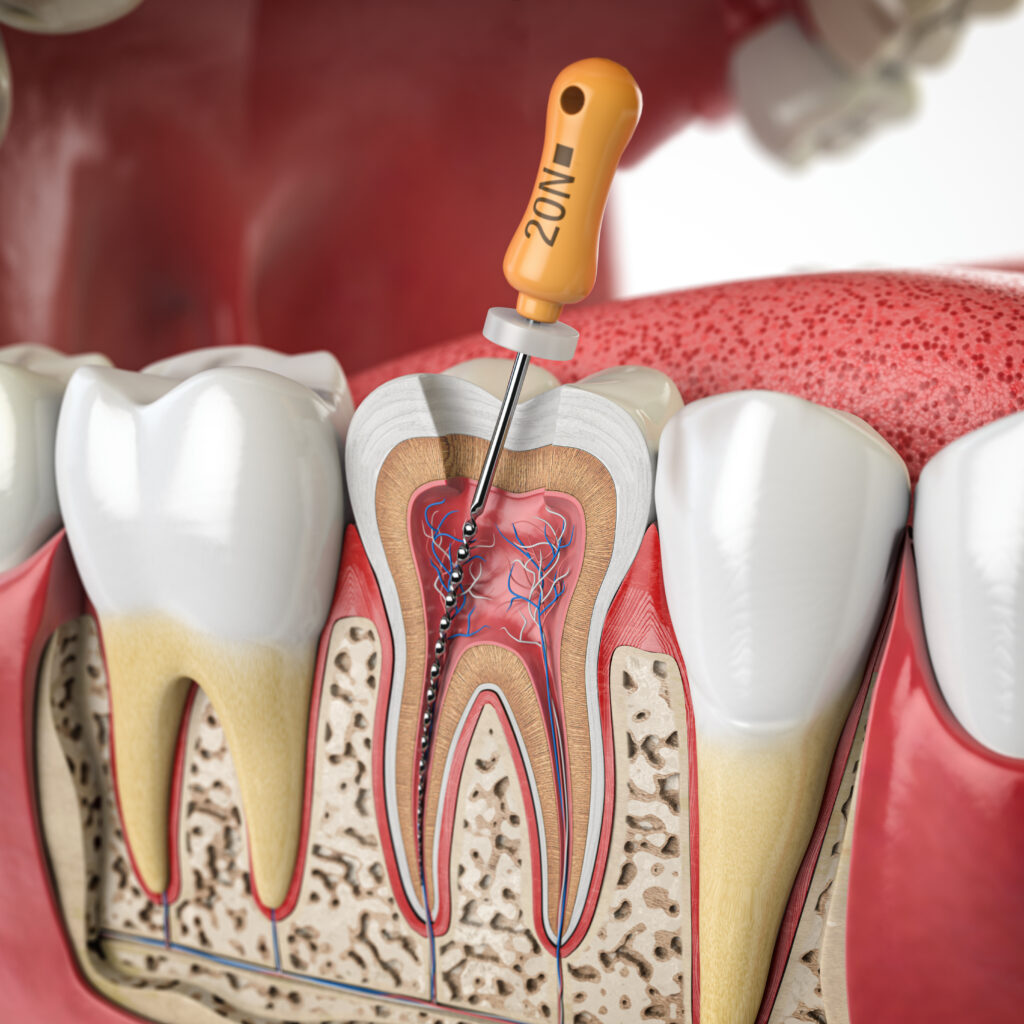
Advanced tooth decay can lead to tooth pulp inflammation, manifested by spontaneous, throbbing pain that may sometimes radiate to the ear or temple. Depending on the severity of the changes, root canal treatment may be necessary. The dentist decides on the appropriate treatment method based on a clinical examination and diagnostic tests.
Gum Inflammation and Dental Abscess
Gum inflammation may cause redness, swelling, tenderness, and bleeding during brushing. These symptoms require proper oral hygiene and a dental assessment, but they do not always indicate a need for urgent intervention.
A dental abscess results from a bacterial infection and may cause severe pain, swelling of the gums or face, fever, and the presence of pus discharge. This condition requires an urgent dental consultation because rinses and pain medication do not eliminate the source of the infection.
Wisdom Tooth Pain Radiating to the Jaw
Improper eruption of wisdom teeth or their partial impaction in the bone may lead to pain in the back of the mouth, sometimes radiating to the ear or temple. These symptoms may be accompanied by difficulty opening the mouth wide, pain while chewing, and inflammation of the tissues surrounding the tooth.
In such cases, it is important to perform a clinical examination and, if indicated, radiological diagnostics. An X-ray makes it possible to assess the position of the wisdom tooth in relation to neighboring anatomical structures and helps plan appropriate management.
The Impact of Bruxism and Sinusitis on Tooth Pain
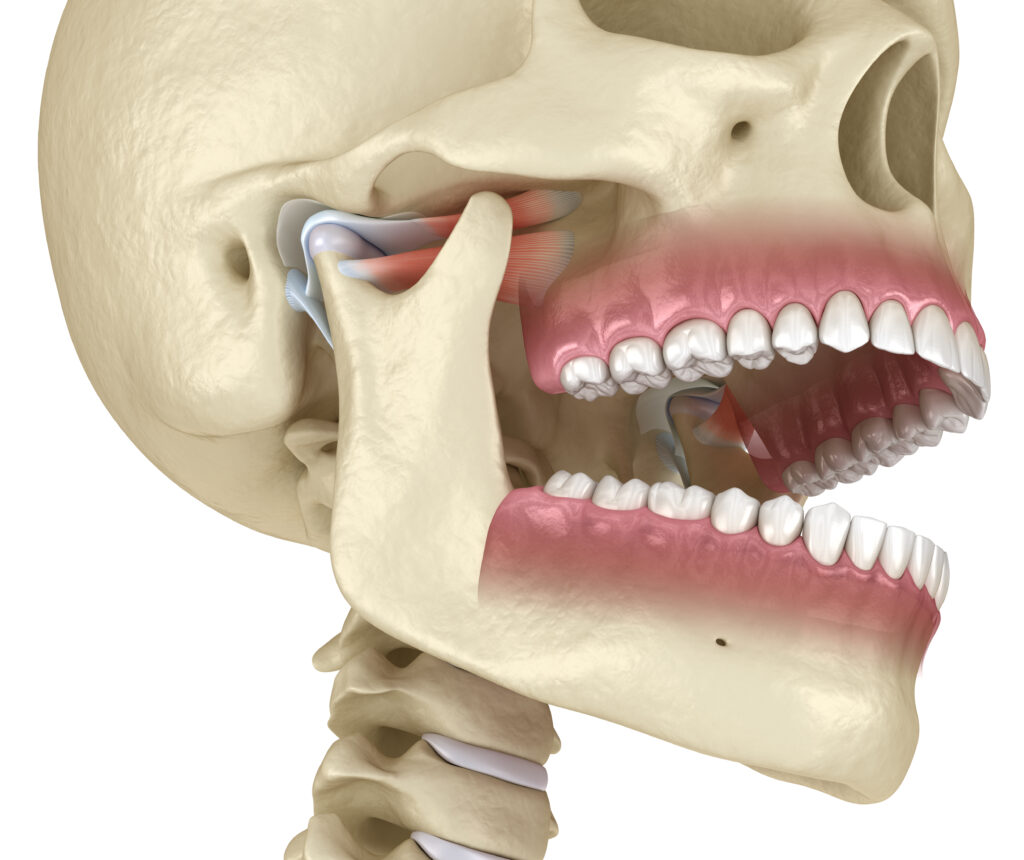
Bruxism, characterized by involuntary clenching or grinding of the teeth, may lead to excessive strain on the teeth and chewing muscles. Typical symptoms include morning soreness of the chewing muscles, jaw tension, headaches, and diffuse tooth pain.
Pain felt in the upper teeth may also accompany maxillary sinus inflammation, especially when nasal congestion and facial pressure occur at the same time. Distinguishing between the causes of symptoms requires appropriate diagnostics and, in justified cases, an ENT consultation as well.
How Can You Relieve Toothache at Night Before Seeing a Dentist?
Home remedies for toothache can provide only temporary relief. They may help ease symptoms until you see a dentist, but they do not treat their cause, such as tooth decay, pulp inflammation, or an abscess.
If you have a toothache, you can:
- Gently clean your teeth and the spaces between them.
- Keep your head slightly elevated while sleeping.
- Apply a cool compress to your cheek through a layer of fabric.
- If there are no contraindications to taking pain medication, take an appropriate product according to the information in the package leaflet.
Keep in mind that the disappearance or reduction of pain does not mean its cause has been eliminated.
Gentle Oral Cleaning
Proper oral hygiene may help reduce discomfort related to food debris and gum irritation. It is recommended to brush your teeth gently and carefully clean between the teeth with dental floss, without applying excessive pressure to painful areas.
As an additional measure, you may use a gentle rinse with lukewarm water and a small amount of salt, provided it does not cause further irritation. However, this does not eliminate the cause of the pain or replace dental treatment.
Proper Sleeping Position and Cool Compresses
Elevating your head while sleeping, for example by using an additional pillow, may reduce the sensation of throbbing toothache in some patients.
If swelling is present, short-term use of cool compresses on the outside of the cheek may bring relief, provided there is a protective layer between the skin and the compress. Avoid direct contact between ice and the skin, as well as warming the painful area, especially if inflammation is suspected.
Pain Medication: Safe Use Guidelines
Temporary relief of toothache may include using appropriately selected pain medication, in accordance with a doctor’s recommendations or the information in the package leaflet. When choosing a product, contraindications, coexisting medical conditions, and possible interactions with other medications should be considered.
Do not start antibiotic treatment on your own or apply medications directly to the surface of the tooth or gum. Doing so may irritate the tissues and does not remove the source of the symptoms.
When Does Toothache Require an Urgent Dental Consultation?
Severe, worsening, or recurring toothache, especially when it disrupts sleep, requires urgent dental diagnostics. Swelling, fever, and the presence of pus discharge are also concerning symptoms that may indicate a developing infection.
If you experience acute pain, please contact Dynasty Stomatology to arrange the nearest available dental consultation appointment.
Symptoms of Infection Requiring Urgent Consultation
Severe, throbbing toothache accompanied by swelling of the gums or face, fever, pus discharge, or worsening general well-being may indicate a developing dental abscess. These symptoms require urgent dental assessment and appropriate treatment.
Rapidly increasing swelling and difficulty opening the mouth are particularly concerning. If you experience breathing problems, difficulty swallowing, or swelling involving the neck, immediate medical attention is necessary.
How Does a Dentist Diagnose and Treat Nighttime Toothache?
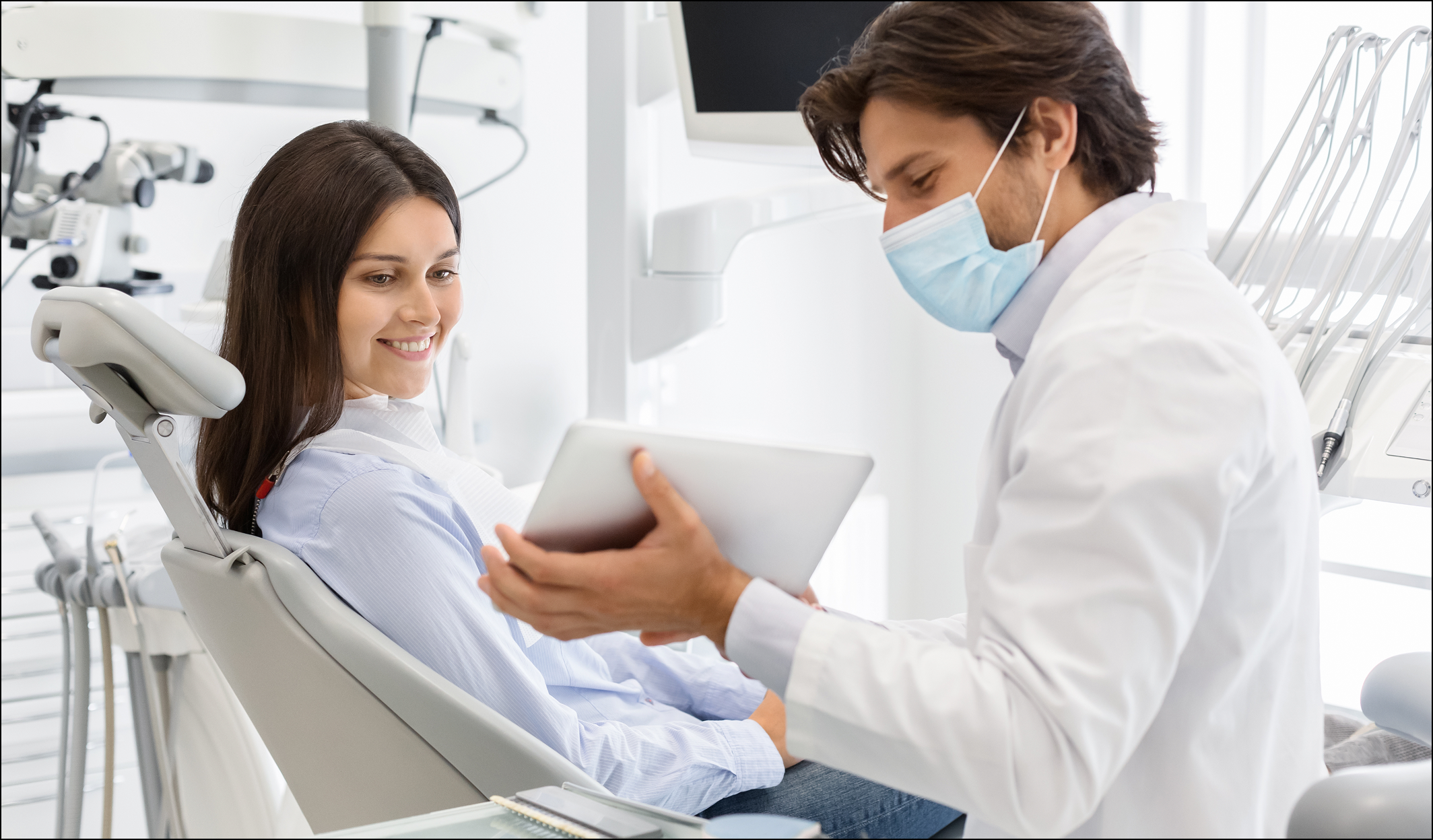
The diagnostic process begins with questions about the nature, duration, and severity of the pain, as well as reactions to temperature stimuli and biting. The dentist then performs a clinical examination and determines which radiological examination should be carried out, if indicated.
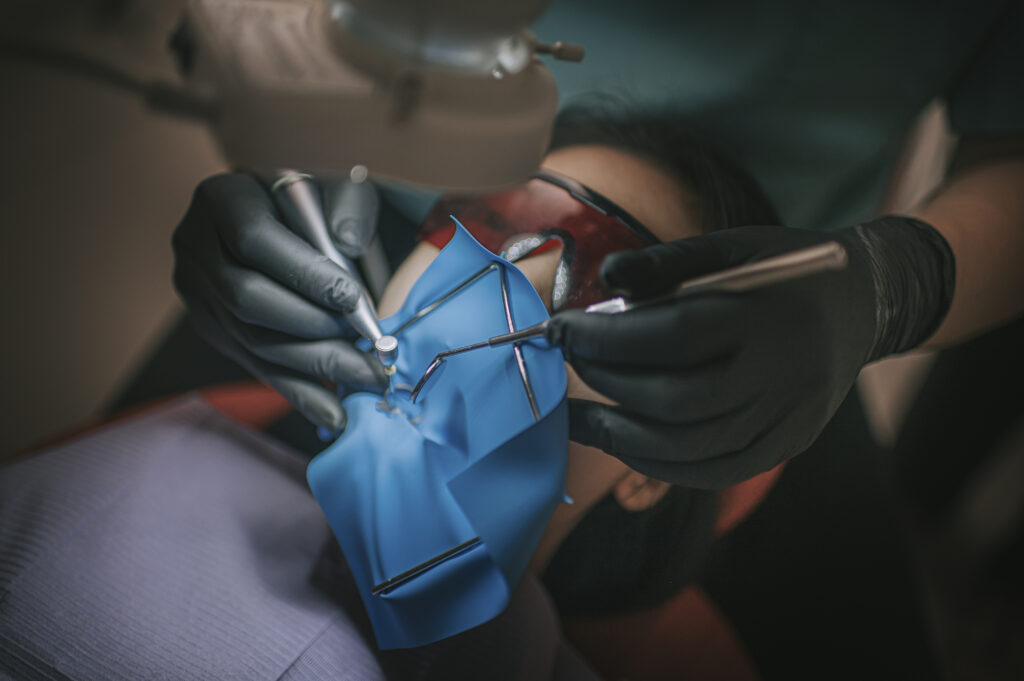
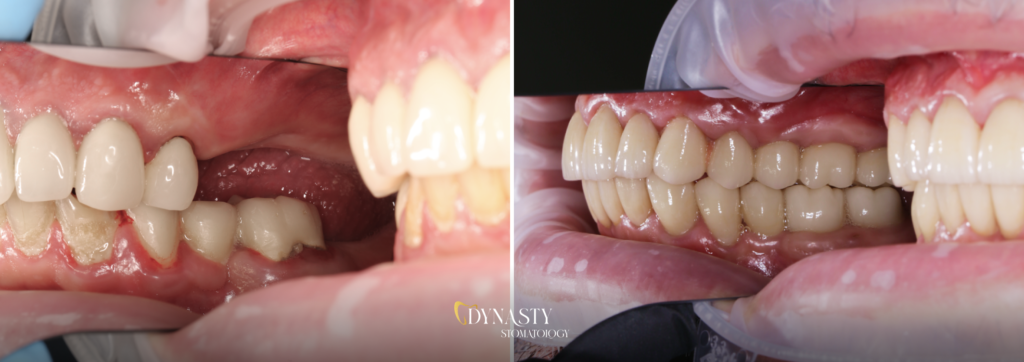
The treatment method depends on the diagnosed cause and may include restoring a cavity caused by tooth decay, root canal treatment, periodontal treatment, or surgical treatment. In certain cases, it may be necessary to open the tooth chamber, known as trepanation, which is performed exclusively by a dentist.
Early identification of the cause of nighttime toothache makes it possible to begin appropriate treatment and reduce the risk of complications.
Frequently Asked Questions
-
When lying down, symptoms related to pulp inflammation may be more noticeable. In addition, fewer external stimuli can make it easier to focus on the pain. However, worsening symptoms at night alone do not make it possible to determine their cause.
-
No. Nighttime toothache can have different causes and does not always mean that root canal treatment is necessary. The choice of treatment method depends on the diagnosis established during a dental examination.
-
Do not place aspirin directly on the tooth or gum, as it may cause irritation or damage to the mucous membrane. Pain medication should be used as intended, taking contraindications into account.
-
Yes. Pain originating from a tooth can radiate to the ear, temple, or other areas of the face, especially in cases of pulp inflammation. Accurately determining the source of the symptoms requires dental diagnostics.
Severe toothache requires a quick response. Early diagnostics make it possible to determine the cause of the symptoms and begin appropriate treatment.
If you have acute tooth pain, call Dynasty Stomatology at +48 576 676 266 to arrange the nearest available appointment.