



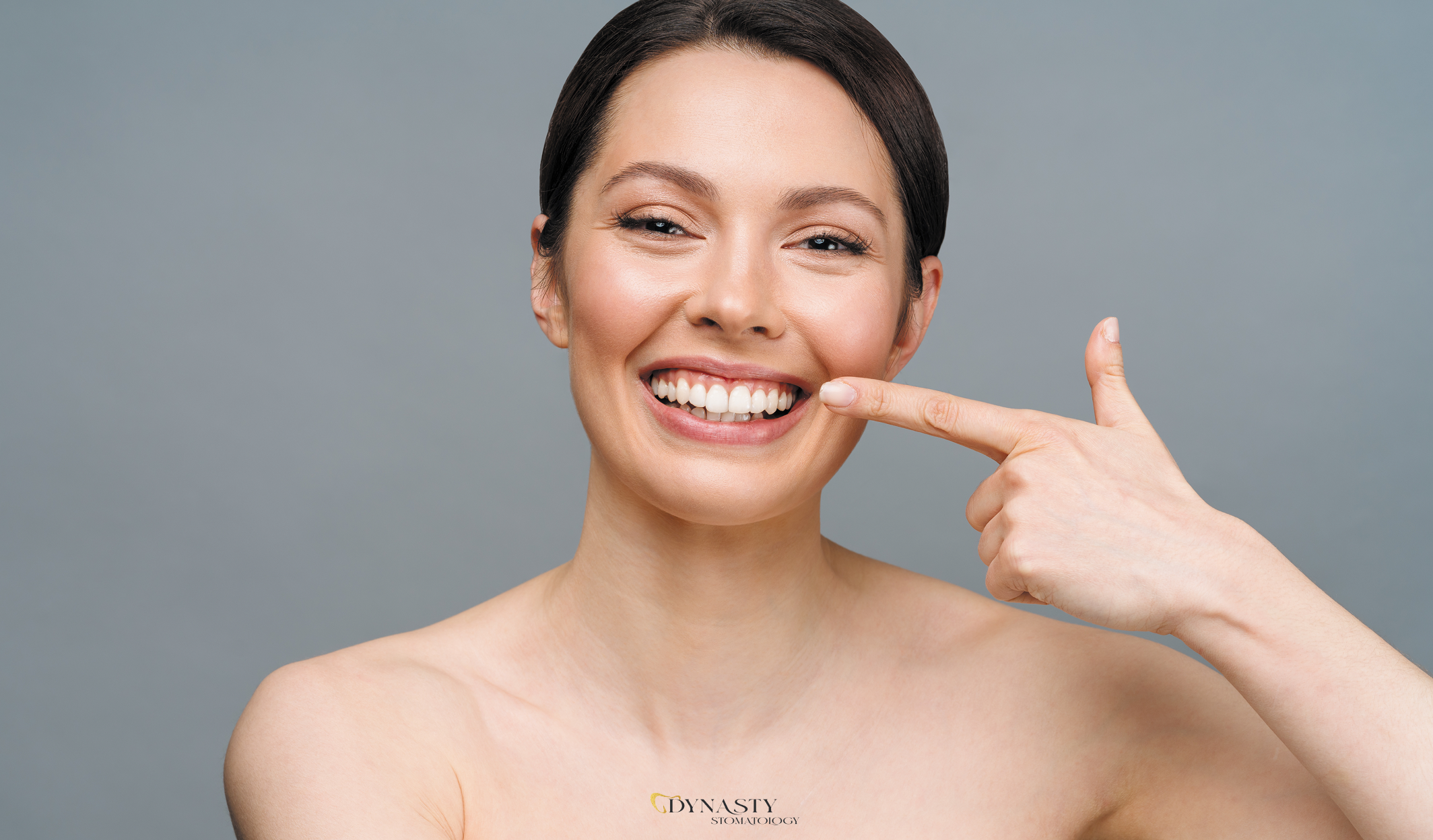
Is teeth shaving necessary before getting veneers?
Teeth shaving for veneers is not always necessary. The extent of tooth preparation depends on the condition of the teeth, the type of veneers planned, bite alignment, and the desired aesthetic result.
Preparation involves properly conditioning the tooth surface for veneer placement. In many cases, minimal enamel reduction is sufficient, while in certain clinical situations veneers can be placed without shaving the teeth. The presence of cavities, extensive fillings, or tooth damage may require prior treatment and may alter the planned scope of restoration.
At Dynasty Stomatology, tooth preparation for veneers is planned individually, following the principle of minimal intervention in healthy tissues. For E.max veneers, the extent of preparation is selected to ensure appropriate aesthetics, restoration durability, and preservation of as much natural enamel as possible.
What determines the extent of teeth shaving for veneers?
The extent of teeth shaving for veneers is determined individually during the consultation. The prosthodontist takes into account the condition and thickness of the enamel, the shape and position of the teeth, the presence of cavities, existing fillings, and the expected aesthetic result.
The scope of the planned correction is also important—from a minor change in the shape of a single tooth to a comprehensive improvement in smile aesthetics. The specialist assesses the conditions needed for proper veneer placement and their harmonious fit with the natural teeth.
The main goal of preparation is to preserve as much healthy enamel as possible while creating adequate space for the prosthetic restoration. This approach helps achieve a natural veneer appearance, a precise fit, and appropriate durability.
Cavities and existing fillings in preparation for veneers
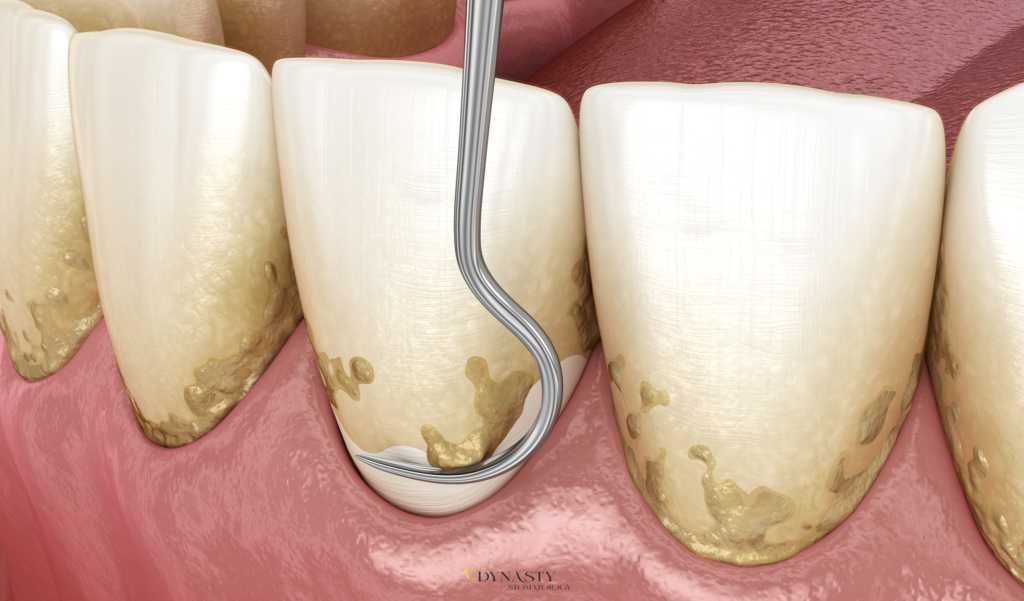
Before veneers are made, active cavities must be treated. Leaving tooth decay untreated can lead to further damage to tooth tissues and affect the durability of the prosthetic restoration.
The presence of cavities or extensive tooth damage may require a greater extent of preparation. In the case of existing composite fillings, the prosthodontist evaluates their seal, condition, and location, then decides whether to leave them in place, adjust them, or replace them.
The final scope of tooth preparation for a veneer is determined individually, with consideration for preserving healthy tissues and ensuring appropriate conditions for durable bonding of the restoration.
When is tooth preparation for veneers limited to enamel?
For healthy teeth, preparation for veneers may be limited exclusively to the enamel—the outermost and hardest layer of the tooth. The extent of shaving is selected individually, and in some cases veneers can be placed without mechanically removing enamel.
Minimal preparation creates sufficient space for the veneer while ensuring a natural appearance and precise fit. This option may be considered when the enamel condition, shape and position of the teeth, and bite conditions allow for a durable restoration while preserving healthy tissues.
E.max veneers or ceramic crowns—what is the difference and when are they recommended?
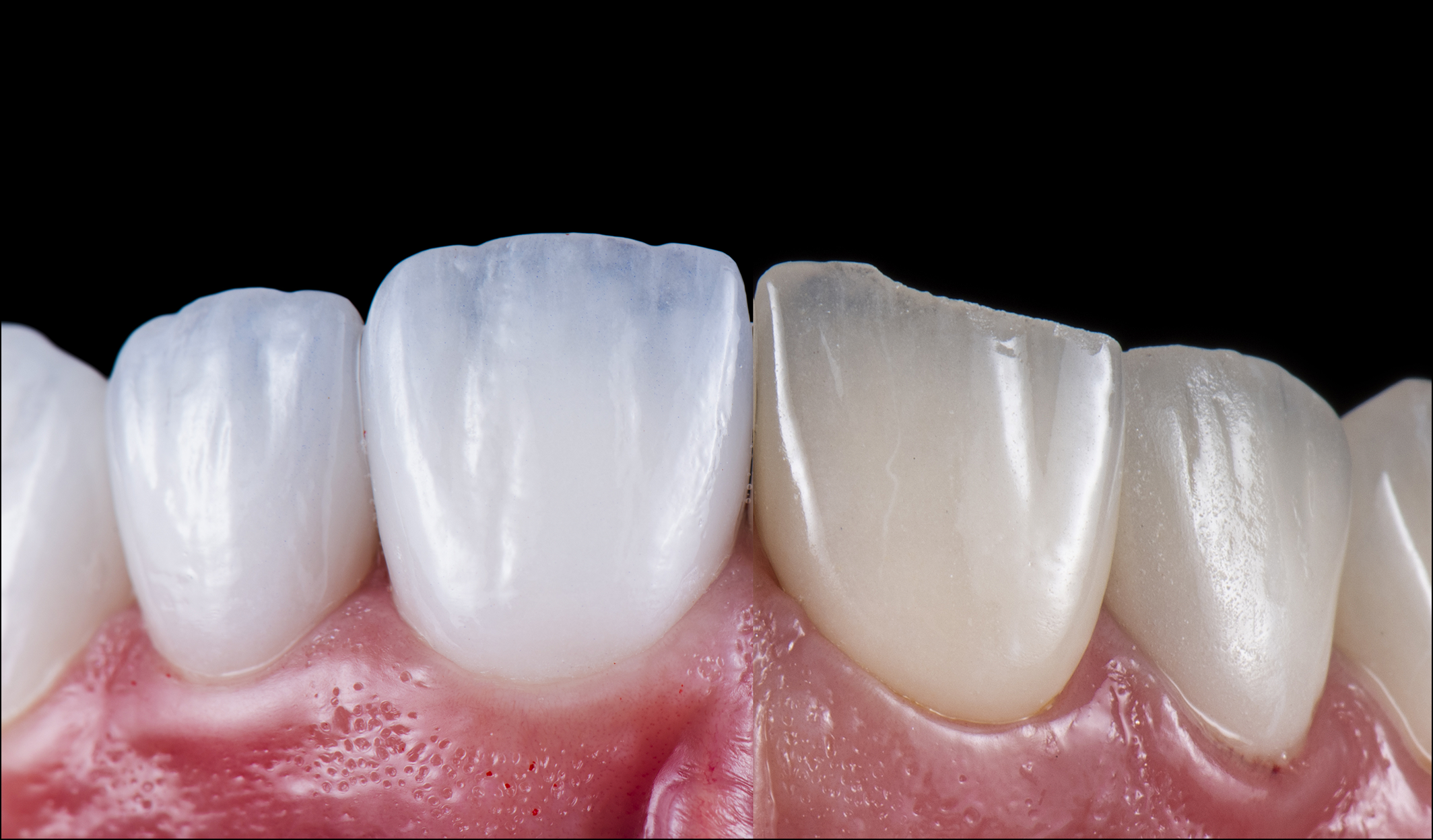
An E.max veneer primarily covers the front surface of the tooth, whereas a dental crown covers a larger portion of it, restoring damaged tissues. The choice of the right solution depends on the condition of the teeth, the amount of healthy tissue preserved, bite conditions, and individual clinical indications.
|
Prosthetic solution |
Degree of intervention |
Most common use |
|
E.max veneers |
Minimal or moderate preparation, depending on clinical conditions |
Improving the color, shape, and proportions of teeth while preserving an adequate amount of healthy tissue. |
|
Zirconia crowns |
Usually a greater extent of tooth preparation |
Restoring significantly damaged teeth, teeth with extensive fillings, and root canal-treated teeth that require comprehensive prosthetic reconstruction. |
Veneers are individually made in a dental laboratory, taking into account the natural color, shape, and translucency of the teeth. The use of modern ceramic materials, such as E.max, makes it possible to achieve an aesthetic result similar to natural teeth.
Dental crowns are a separate type of restoration that covers a larger surface of the tooth. They are used primarily in cases of significant tissue damage, when a veneer would not provide adequate durability and function.
E.max veneers—when are they the best solution?
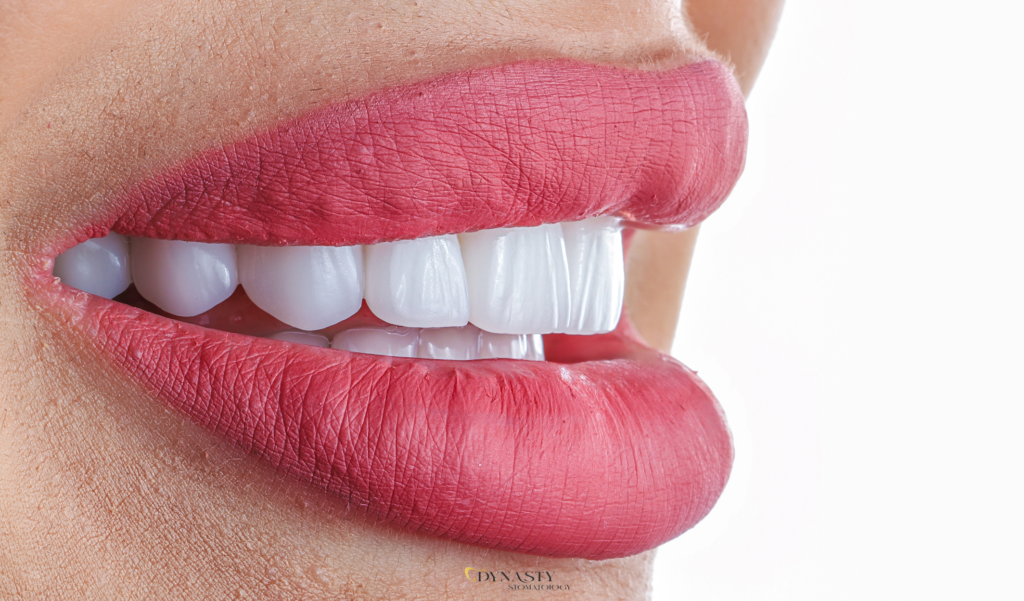
E.max veneers are used to improve the color, shape, and proportions of teeth, as well as to correct minor aesthetic imperfections. Made from lithium disilicate ceramic, they can provide a natural-looking smile through accurate reproduction of enamel color, translucency, and structure.
Whether veneers can be used depends on the amount of healthy tissue preserved, the condition of the enamel, and bite conditions. In the case of significant tooth damage, the prosthodontist may recommend a dental crown.
Why are no-prep veneers not suitable for every patient?
No-prep veneers are restorations placed without mechanically shaving the tooth surfaces. However, their use is limited to certain clinical situations because the additional ceramic layer can affect the shape, thickness, and proportions of the teeth.
In some cases, avoiding preparation may make it difficult to achieve a natural aesthetic result and proper veneer fit around the gumline. Therefore, the choice of method should be preceded by a detailed dental assessment that considers aesthetics, function, and the long-term durability of the restoration.
Does teeth shaving for veneers hurt?
Tooth preparation for veneers is generally well tolerated by patients. Depending on the extent of enamel preparation and individual tooth sensitivity, the dentist may use local anesthesia to reduce pain during the procedure.
Patient comfort also depends on the condition of the teeth and whether additional treatment is needed, such as removing cavities or replacing existing fillings.
How is discomfort minimized during tooth preparation for veneers?
Before the procedure begins, the dentist assesses the condition of the teeth and plans the extent of preparation. During teeth shaving for veneers, local anesthesia may be used to reduce discomfort associated with preparing the tooth tissues.
During the procedure, the dentist monitors the patient’s comfort and, if any discomfort occurs, adjusts the approach to the patient’s individual needs.
What symptoms may occur after tooth preparation for veneers?
After teeth shaving, temporary sensitivity to temperature stimuli may occur, particularly after more extensive preparation. The symptoms are usually short-lived, and their intensity depends on individual sensitivity and the extent of tissue preparation.
Until the final veneers are bonded, the dentist may use temporary restorations to protect the prepared teeth. If pain persists or becomes more severe, or if there is discomfort when biting, a further dental evaluation is recommended.
What does preparation for veneers involve?
Preparation for porcelain veneers involves several stages that make it possible to carefully plan treatment and achieve an aesthetic, functional result. An important element is an individual smile design (Digital Smile Design – DSD), which makes it possible to plan the future shape, proportions, and appearance of the teeth before preparation begins.
- First appointment – consultation and diagnostics. The prosthodontist conducts a detailed consultation, learns about the patient’s expectations, and assesses the condition of the teeth, enamel, gums, and bite. Depending on the indications, photographs, intraoral scans, and additional diagnostic tests may be performed.
- Smile design – Smile Design. Based on the collected documentation, an individual design for the future smile is developed. It takes into account the shape, length, proportions, and positioning of the teeth, as well as their fit with facial features. In selected cases, a trial smile visualization (mock-up) may be made, allowing the patient to assess the planned aesthetic result before treatment begins.
- Development of an individual treatment plan. The dentist presents the proposed prosthetic solutions, determines the extent of necessary preparation, and discusses the next stages, anticipated schedule, and treatment costs. If indicated, restorative treatment or other necessary dental procedures are performed beforehand.
- Preparing the teeth for veneers. During the treatment appointment, the dentist prepares the teeth according to the previously developed plan. The extent of shaving is selected individually, taking into account preservation of as much healthy enamel as possible. An intraoral scan or impression is then taken, based on which the dental laboratory prepares the veneers. Temporary restorations are used if necessary.
- Try-in and final bonding of the veneers. Once the porcelain veneers have been made, the dentist assesses their fit, color, shape, and bite contacts. After the result is approved and any necessary adjustments have been made, the veneers are permanently bonded to the tooth surfaces.
The number of appointments, scope of diagnostics, and treatment time are determined individually, depending on the clinical situation and the number of veneers planned.
When are veneers not the recommended solution?
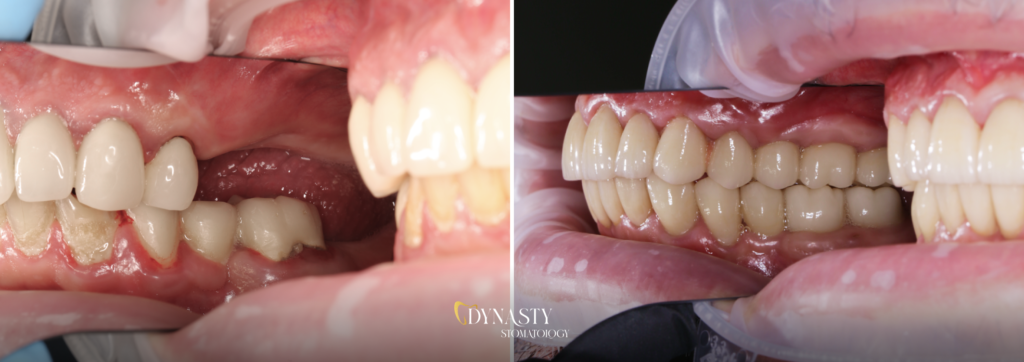
Veneers are not the right solution in every clinical situation. Their use may be limited in cases of significant tooth damage, extensive fillings, an insufficient amount of healthy enamel, and certain bite disorders.
Before prosthetic treatment begins, active cavities must be treated, and the condition of the gums and periodontal tissues must be assessed. For significantly weakened teeth, including teeth after root canal treatment, the prosthodontist may recommend an all-ceramic crown to provide appropriate restoration and protect the remaining tissues.
At Dynasty Stomatology, the choice of treatment method is preceded by individualized diagnostics that take into account the condition of the teeth, bite conditions, and the patient’s aesthetic expectations. Properly planned treatment makes it possible to achieve a natural result while maintaining proper function and restoration durability.
Frequently asked questions about teeth shaving for veneers
-
Yes. Tooth decay can develop at the edges of veneers and within the tooth tissues. This is why proper oral hygiene and regular dental checkups are important.
-
It depends on the position of the teeth, bite conditions, and the extent of the planned restoration. Whether veneers can be placed without prior orthodontic treatment is determined individually during a dental consultation.
-
Yes. Active cavities require treatment before veneers are made to ensure appropriate conditions for a durable prosthetic restoration.
-
Yes. Once the veneers have been permanently bonded, you can return to your usual diet, while avoiding excessive stress on the teeth and biting very hard objects.
The extent of teeth shaving for veneers is determined individually, with preservation of as much healthy enamel as possible. Local anesthesia helps reduce discomfort during the procedure.
At Dynasty Stomatology, a prosthetic consultation and the necessary diagnostics form the basis of an individual treatment plan.
Schedule a consultation by calling +48 576 676 266.