



Do Veneers Damage Teeth?
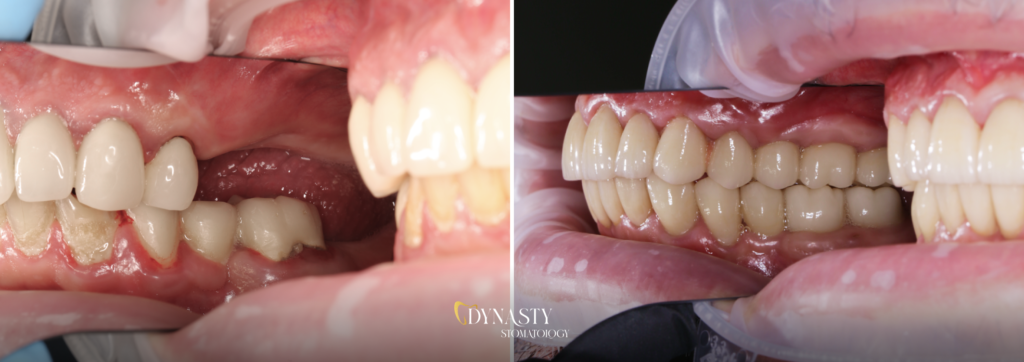
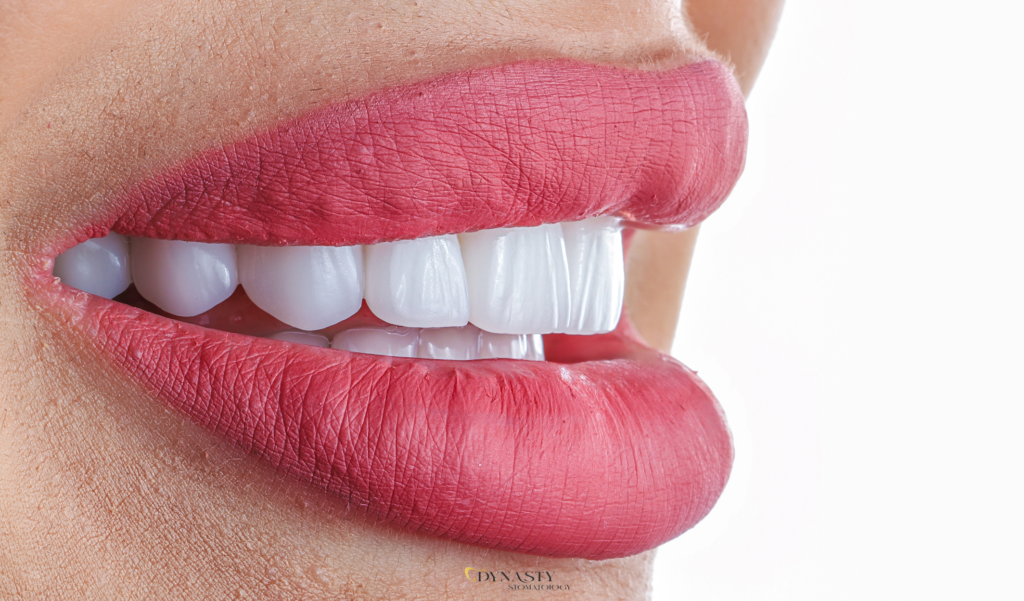
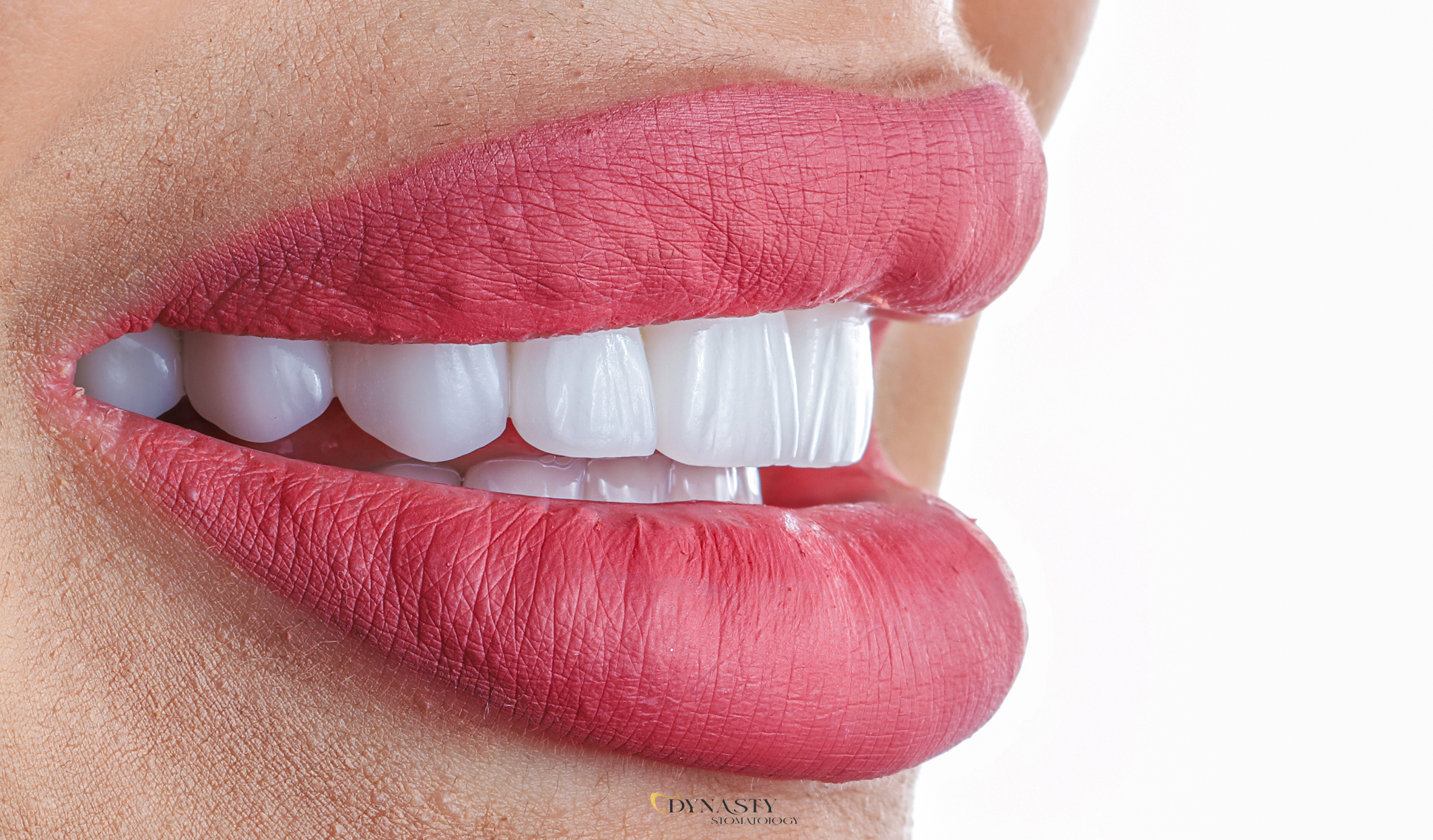
Properly planned and placed veneers can improve the appearance of a smile while minimizing intervention in the natural tooth structure. However, it should be remembered that placing them may require the irreversible removal of a thin layer of enamel. Veneers are primarily used to improve the appearance of teeth, not to treat cavities or bite problems.
Before treatment begins, the dentist carries out a detailed assessment of the teeth, enamel, and bite conditions. Based on this, they determine whether veneers can be used and the extent of tooth preparation needed. Individual treatment planning, precision of execution, and preservation of healthy tooth structure are key.
At Dynasty Stomatology, the consultation includes a comprehensive assessment of the teeth and gums, an analysis of aesthetic expectations, and a discussion of available treatment options. An individual approach makes it possible to assess the indications and contraindications for veneers and plan a procedure tailored to the patient’s needs and clinical conditions.
What are veneers and how thick are they?
Veneers are thin prosthetic restorations, most often made of ceramic. They are typically around 0.3–0.7 mm thick, although even thinner ceramic veneers may be used in selected cases.
Veneers are bonded to the front surface of the teeth, primarily in the smile zone. Ceramic is highly biocompatible and has optical properties similar to natural enamel, making it possible to achieve a natural-looking aesthetic result. The extent of tooth preparation depends on tooth positioning, the original shade, the planned veneer shape, and the material used.
In which cases is it worth considering veneers?
Veneers can correct various aesthetic concerns, such as discoloration, minor chips, superficial enamel cracks, unevenness, diastemas, and other gaps between teeth. They can also change the length, width, and proportions of teeth, helping create a more harmonious smile.
However, it is important to remember that veneers do not replace restorative treatment. In cases of cavities, pain, or inflammation, appropriate diagnostics and treatment must be completed first.
When are veneers the right solution, and when are they not recommended?
Veneers require healthy teeth and gums as well as favorable bite conditions. Regardless of the chosen material—ceramic or composite—proper diagnostics, tooth preparation, and individualized treatment planning are essential.
Veneers may be an appropriate option for aesthetic correction of the front teeth. However, they are not always the first-choice treatment. Depending on the clinical situation, the dentist may recommend treating cavities first, professional dental hygiene treatment, teeth whitening, orthodontic treatment, or other types of prosthetic restoration.
Contraindications for veneers: cavities, certain bite problems, and bruxism
If active cavities are present, they must be treated before veneers are placed. Veneers do not stop the decay process or replace restorative treatment.
Certain bite problems and bruxism, which involves grinding or excessive clenching of the teeth, may also be contraindications for veneers. The resulting excessive forces can increase the risk of veneer damage or debonding. Depending on the clinical situation, orthodontic treatment, treatment aimed at reducing the effects of bruxism, or an individually fitted protective night guard may be needed first. Final eligibility for treatment is determined based on a dental examination and an assessment of bite conditions.
Can veneers be placed on all teeth?
Veneers are most commonly used on front teeth, especially incisors and canines, which are the most visible when smiling and speaking. Depending on individual clinical conditions and the planned aesthetic result, veneers may also be placed on premolars.
For back teeth, which are exposed to significant chewing forces, choosing the appropriate restoration method requires careful evaluation. If a tooth is significantly weakened or has lost a large portion of its natural structure, the dentist may recommend a prosthetic restoration, such as an inlay/onlay or a crown. The choice of solution depends on the condition of the tooth, the amount of remaining tooth structure, and bite conditions.
What does getting veneers involve step by step?
Getting veneers usually requires 2–5 appointments, depending on the number of teeth, the scope of treatment, and individual clinical conditions. The first stage involves detailed diagnostics and planning the aesthetic result while taking into account tooth health, function, and the natural proportions of the smile.
- Consultation and diagnostics. The dentist assesses the condition of the teeth and gums, as well as bite conditions. If necessary, they recommend prior dental treatment, professional dental hygiene treatment, or teeth whitening.
- Digital smile design. Based on a 3D scan and photographic documentation, an individualized design is developed, taking into account the number of veneers, their shade, shape, and proportions.
- Tooth preparation. If required by the clinical situation, the dentist removes the necessary amount of enamel while aiming to preserve as much natural tooth structure as possible. The procedure may be performed under local anesthesia. Temporary veneers may be used if needed.
- Veneer try-in and bonding. The completed ceramic veneers are assessed for fit, shade, and shape, then bonded to the teeth using an appropriate adhesive cement. After curing, the dentist checks the bite contacts and performs the final finishing of the restorations.
Consultation, 3D scanning, and digital smile design.
A consultation before veneers are made involves more than choosing a shade; it also includes a detailed analysis of smile aesthetics. At Dynasty Stomatology, the proportions of the teeth, smile line, gum visibility, and the patient’s individual expectations are assessed. The appearance of the teeth during speech and natural facial expressions is also taken into account.
Based on a 3D scan and photographic documentation, an individual smile design can be prepared, including the planned shape, length, and positioning of the teeth. The design may be presented as a trial mock-up, allowing the patient to assess the proposed aesthetic result before the actual treatment begins.
Is shaving teeth for veneers painful?
Tooth preparation for veneers is performed under local anesthesia, which helps minimize discomfort during the procedure. Temporary tooth sensitivity to cold or heat may occur after preparation, especially when a greater amount of tooth structure has been treated.
The extent of preparation is determined individually, taking into account the condition of the teeth, enamel thickness, and the planned aesthetic result. In selected cases, no-prep veneers or veneers requiring minimal intervention in the natural tooth structure may be possible.
Facts and myths about the risk of cavities under veneers
Properly made veneers do not cause cavities on their own. However, decay may develop in the natural tooth structure, especially in cases of insufficient oral hygiene, plaque buildup, or loss of the seal at the junction between the veneer and the tooth surface. For this reason, the precision of the restoration, daily hygiene, and regular dental check-ups are important.
|
statement |
Fact or myth? |
Explanation |
|
“Cavities always develop under veneers.” |
Myth |
Properly made veneers do not cause cavities on their own. The risk of decay depends among other things on oral hygiene, the condition of the teeth, and the seal of the restorations. |
|
“Veneers treat discolored or damaged teeth.” |
Myth |
Veneers can correct discoloration and selected aesthetic defects of teeth, but they do not replace treatment for cavities or inflammation. |
|
“After getting veneers, you do not need to floss.” |
Myth |
Teeth with veneers require regular cleaning of the spaces between teeth with dental floss or other appropriately selected hygiene tools. |
|
“Veneers protect natural teeth against cavities.” |
Myth |
Veneers cover only part of the tooth surface and do not eliminate the risk of cavities. Daily oral hygiene and regular dental check-ups are necessary. |
|
“Cavities can develop around the edges of veneers.” |
Fact |
Plaque can accumulate where the veneer meets the natural tooth. Inadequate hygiene and possible leakage of the restoration increase the risk of cavities. |
How should you care for teeth with veneers to reduce the risk of cavities?
Immediately after ceramic veneers are bonded, it is recommended to avoid intensely colored foods and drinks, such as coffee, tea, or dark juices, as well as very hard foods, for several hours. You should also follow your dentist’s individual recommendations regarding veneer care and use.
Proper oral hygiene after getting veneers:
- brushing your teeth at least twice a day with a soft toothbrush and a low-abrasion fluoride toothpaste;
- cleaning between the teeth daily with dental floss or appropriately selected interdental brushes;
- using additional oral hygiene products according to your dentist’s individual recommendations;
- regular check-ups and professional dental hygiene treatment, usually every six months or more often if indicated.
If a veneer becomes loose, cracks, or debonds, or if pain or persistent gum bleeding occurs, contact your dentist without waiting for your scheduled check-up.
How do you start planning veneer treatment?
Planning veneer treatment begins with detailed diagnostics and an assessment of individual clinical conditions. During the consultation, the dentist analyzes the condition of the teeth and gums, bite conditions, and the possibilities for preserving natural tooth structure. Discussing the patient’s aesthetic expectations and the feasibility of achieving them is also an important part of the process.

Before starting treatment, it is worth discussing the following with your dentist:
- the number of teeth included in the planned treatment;
- the type of material and the extent of any enamel preparation;
- available alternatives, such as whitening, composite bonding, orthodontic treatment, or other prosthetic solutions;
- an individual cost estimate and the different stages of treatment;
- recommendations for care, follow-up appointments, and what to do if a veneer is damaged.
An informed decision to get veneers should be based on an understanding of the planned scope of treatment, its possible limitations, and the expected aesthetic and functional results.
Frequently asked questions about veneers
-
The patient actively participates in choosing the shade and shape of veneers. However, the final smile design is created in cooperation with the dentist, who takes into account facial proportions, the natural tooth shade, bite conditions, and the patient’s individual aesthetic expectations.
-
Temporary sensitivity may occur after teeth are prepared for veneers, especially to cold or hot stimuli. If the discomfort persists, worsens, or spontaneous pain occurs, a dental consultation is recommended to determine the cause.
-
Properly designed and made veneers generally do not cause permanent changes in speech. If the length or shape of the front teeth is changed, there may be a temporary adjustment period during which the patient gets used to the new conditions in the mouth.
-
Making and placing ceramic veneers usually requires 2–4 appointments. The number depends on the scope of planned treatment, the number of veneers, the need for prior tooth preparation, and the digital smile design process. In more complex cases, additional appointments may be required.
Properly planned and made veneers do not have to lead to tooth damage. The safety and durability of treatment depend on an individual assessment of the teeth, the extent of enamel preparation, the seal of the restorations, and proper oral hygiene.
At Dynasty Stomatology, a consultation makes it possible to assess the indications and contraindications for veneers and develop an individualized treatment plan.
We invite you to schedule a consultation and explore the options for improving the appearance of your smile.