
Many parents believe that cavities in baby teeth are nothing to worry about. After all, they’ll fall out anyway, so there’s no need to treat them. At first glance, this seems logical. But the reality is quite different.
Even a small dark spot on a tooth won’t disappear on its own. Without treatment, cavities gradually destroy the tooth and can cause pain and inflammation, interfering with the proper eruption of permanent teeth. The longer you delay a visit to the dentist, the more difficult and expensive the treatment may be.
Modern pediatric dentistry allows us to treat cavities quickly, safely, and in a way that’s as comfortable as possible for the child. Better yet, we can prevent them from occurring in the first place. In this article, we’ll explore why cavities occur in children, what symptoms shouldn’t be ignored, how baby teeth are treated today, and what parents can do to keep their children’s smiles healthy for years to come.
What is Tooth Decay in Children?
Tooth decay in children is one of the most common chronic health conditions worldwide. It develops when bacteria in the mouth break down sugars from food and drinks. This process produces acids that gradually damage the surface of a tooth. If the damage continues, the hard outer layer weakens, creating a cavity.
However, healthy primary teeth play an essential role in speech development, chewing, facial growth, and the guidance of permanent teeth into their correct positions. When decay affects them, the consequences can continue long after childhood.
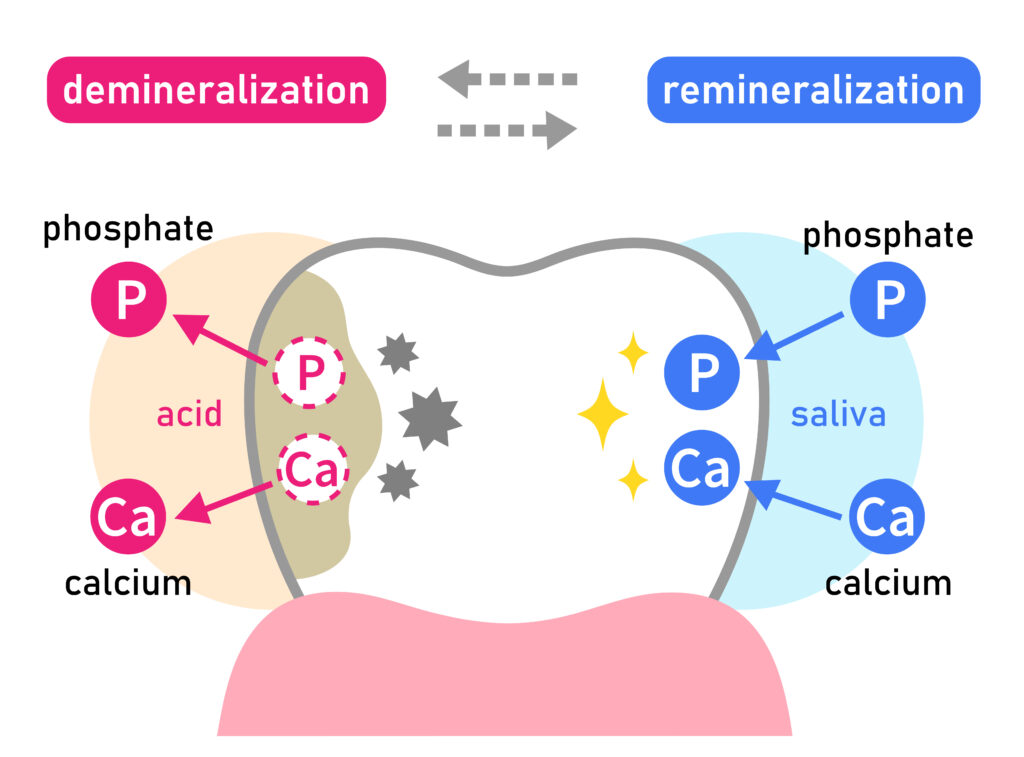
The earliest stage usually begins with demineralization of enamel. At this point, minerals are lost from the protective surface, weakening it. Without intervention, the damage progresses into visible decay.
What Causes Tooth Decay in a Child?
Several factors contribute to dental caries, and they often work together rather than individually.
The primary cause is plaque buildup on teeth. Dental plaque contains bacteria that feed on carbohydrates. As these bacteria digest food particles, they release acids that attack the enamel.
Another major factor is sugar and tooth decay. Frequent consumption of sweets, fruit juices, soft drinks, and sticky snacks allows harmful bacteria to produce acid throughout the day. Even small amounts of sugar consumed repeatedly increase the risk.
Poor oral hygiene allows plaque to remain on the teeth for longer periods. If brushing and flossing are inconsistent, bacteria multiply rapidly.
Low saliva production can also increase the likelihood of decay. Saliva naturally helps wash away food particles and neutralizes harmful acids.
Children living in areas with insufficient fluoride exposure may have weaker enamel because fluoride helps protect tooth enamel by strengthening its structure against acid attacks.
Genetics, prolonged bottle feeding with sweet drinks, frequent snacking, and poor dietary habits also increase the likelihood that decay occurs earlier in life.
Why Tooth Decay in Kids Is Not “Just a Phase”
Some parents delay visiting the dentist because they believe damaged baby teeth will soon be replaced. This misunderstanding often leads to more serious problems.
When left untreated, tooth decay continues to spread deeper inside the tooth instead of stopping naturally. As bacteria move inward, the decay reaches sensitive tissues, increasing the risk of infection. Early intervention is always easier than waiting until pain develops.
What Can Happen If Decay Is Left Untreated?
Untreated cavities may result in several serious complications.
- Inflammation of the pulp. When bacteria reach the inner pulp of the tooth, inflammation develops. This painful condition may eventually require pulp therapy such as pulpotomy or pulpectomy if the infection cannot be controlled through simpler methods.
- Infection of the surrounding tissues. As bacteria continue to spread, they may affect nearby gums, soft tissues, and even the jawbone. In advanced situations, swelling and facial infection can occur.
- Problems with permanent tooth eruption. Healthy primary teeth preserve the correct space for adult teeth. If they are lost too early, neighboring teeth begin shifting. This movement may block or delay the eruption of adult teeth, increasing the need for orthodontic care later.
- Bite problems. Premature tooth loss may contribute to crowding, improper alignment, and chewing difficulties.
- Pain and reduced quality of life. Dental pain affects eating, sleeping, speaking, and concentration at school. Young patients may avoid certain foods because chewing becomes uncomfortable.
What Are the Early Tooth Decay Signs?
Recognizing early tooth decay signs allows parents to seek professional care before major damage develops. Common warning signs include:
- White chalky areas appearing on the enamel.
- Light brown discoloration.
- A visible hole forming on the tooth surface.
- Increasing sensitivity.
- Food is becoming trapped inside the damaged area.
- Occasional pain and discomfort while eating.
Common Symptoms Parents Should Watch For
The first noticeable symptom is often increased sensitivity when eating sweets or drinking something cold. Later, children may complain about pain while chewing. They may also avoid brushing one side of the mouth because of discomfort. Parents should also watch for:
- visible discoloration;
- rough spots;
- bad breath;
- swollen gums around a damaged tooth;
- food constantly getting stuck in one location.
Some young children may not clearly explain what hurts. Instead, they become irritable, refuse meals, or wake up crying during the night.
Modern Treatment Methods in Pediatric Dentistry
At Dynasty Stomatology, the dentist selects a treatment method based on the child’s age, the stage of decay, and the clinical situation.
Topical anesthetics may be used before local anesthesia to make the injection less sensitive. During treatment, the dentist strives to preserve as much healthy tooth tissue as possible, using gentle techniques whenever possible. Our clinic also offers CT scanning and photographic documentation, which helps accurately assess the condition of the teeth, plan treatment, and clearly demonstrate the results to parents.
How Are Baby Teeth Treated?
Modern pediatric dentistry aims to preserve natural teeth whenever possible. A pediatric dentist examines the tooth and selects the most appropriate type of treatment based on the child’s age, the extent of the decay, and the condition of the tooth.
The right treatment option depends on how advanced the cavity is. Early lesions can often be managed with fluoride, improved oral hygiene, and minimally invasive procedures that treat decay before it spreads. If a small cavity treatment is needed, the goal is to save the tooth while preserving healthy tissue.
When the decay is deeper, deep cavity treatment involves removing infected tissue and protecting the pulp whenever possible. Early care increases the chances of successfully restoring the tooth without more invasive procedures.
For extensive damage, advanced tooth decay treatment may include pulp therapy or full-coverage restorations. The dentist evaluates whether enough healthy tissue remains before choosing the best solution.
A dental filling is the most common treatment for small and moderate cavities. After the damaged tissue is removed from the tooth, the filling material fills the tooth, restores its shape, and seals it against bacteria. The type of filling depends on the tooth’s location and the child’s age.
If a filling cannot provide enough support, a crown is recommended. It completely covers the tooth, protecting it from further damage. For primary molars, a stainless steel crown is often the best option because it is durable and long-lasting. The dentist places the crown over the prepared tooth.
When a Baby Tooth Must Be Removed
We always try to preserve primary teeth, but sometimes a tooth extraction is the only safe solution. Removal may be necessary if the decayed tooth cannot be restored, the infection has spread beyond the tooth, or there is not enough healthy structure left for treatment.
Before recommending extraction, we carefully evaluate the child’s age, overall oral health, and the development of future permanent teeth. Whenever possible, preserving baby teeth is preferred because they help maintain proper spacing and support healthy jaw development.
Prevent Tooth Decay in Children
The most effective way to manage childhood cavities is to prevent tooth decay before it begins.
Start Brushing Early
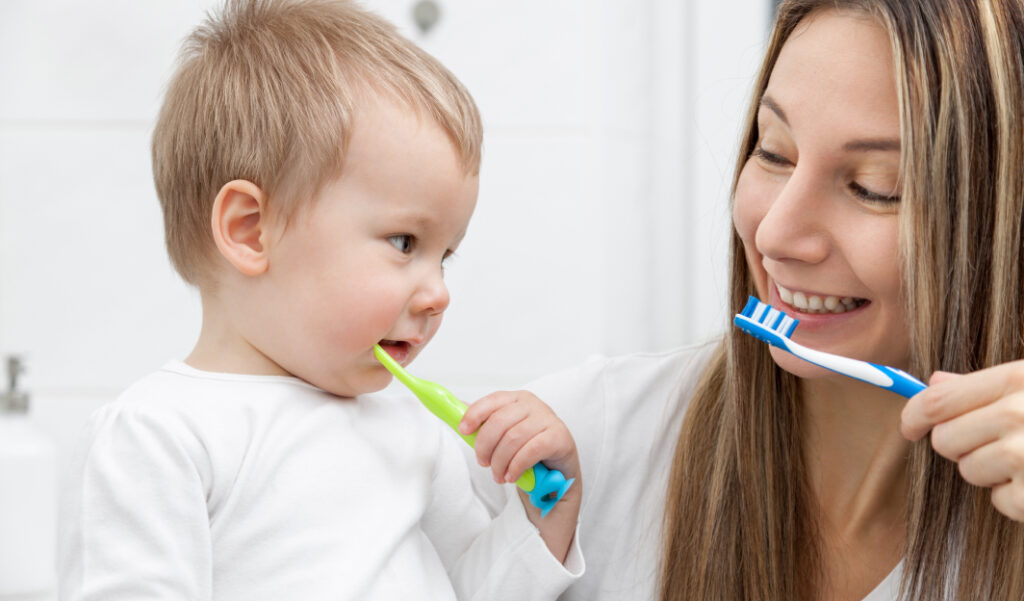
Begin brushing when the first tooth appears. Parents should clean the teeth, gums, and tongue twice each day for approximately two minutes. Children younger than three years should use a tiny amount of fluoride toothpaste about the size of a grain of rice. After age three, a pea-sized amount is appropriate. Parents should supervise brushing until children develop good manual skills.
Floss Every Day
Once neighboring teeth begin touching, flossing becomes important. Daily flossing removes plaque from areas that toothbrushes cannot reach. These habits help prevent cavities between the teeth.
Maintain a Healthy Diet
Nutrition plays a major role in oral health. Frequent sugary snacks increase acid production inside the mouth. Instead, encourage fruits, vegetables, dairy products, and water. Balanced nutrition helps keep a child’s teeth strong while supporting overall growth.
Avoid Sharing Bacteria
Parents should avoid sharing spoons, forks, or toothbrushes with infants. Cleaning a pacifier using saliva may transfer harmful bacteria from adult mouths to children. Reducing bacterial transmission lowers the future risk of decay.
Avoid Sugary Bottles at Bedtime
If a bottle is needed before sleep, it should contain only water. Milk, juice, and sweetened drinks allow bacteria to produce acid throughout the night. This simple habit significantly reduces the likelihood of cavities in baby teeth.
Consider Fluoride and Sealants
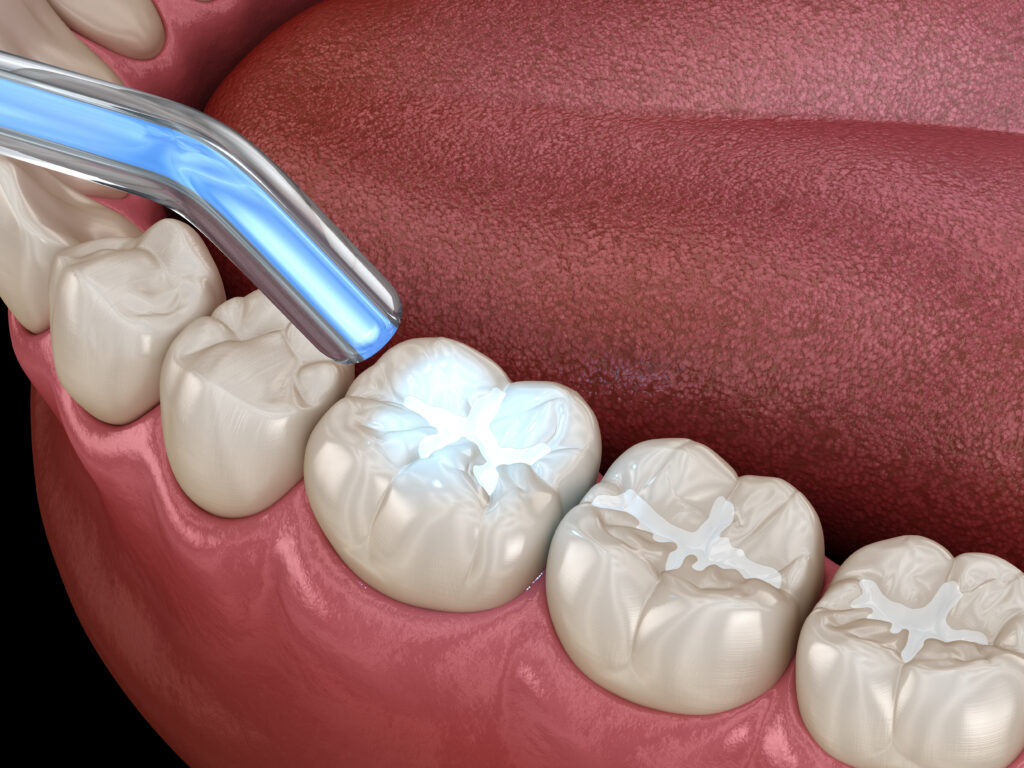
Children living in areas with low fluoride exposure should discuss supplements with their dentist. Professional fluoride applications strengthen enamel and reduce future decay. For newly erupted molars, dental sealants provide additional protection by sealing deep grooves where food and bacteria accumulate.
Visit the Dentist Regularly
Regular dental checkups every six months allow dentists to identify problems before they become painful. Professional examinations also include preventive advice tailored to each child’s individual risk. Consistent pediatric dental care builds confidence, reduces anxiety, and encourages lifelong healthy habits.
Final Thoughts
Childhood cavities should never be ignored. What begins as a small area of enamel damage can gradually develop into extensive dental decay if professional care is delayed.
Modern dentistry offers safe, comfortable, and effective solutions for children of every age. Regular preventive visits, healthy eating habits, good oral hygiene, and early professional intervention remain the most effective ways to reduce the risk of cavities and support lifelong oral health.
At Dynasty Stomatology, we believe that every child deserves a positive dental experience. Our team takes the time to build trust, explain each step in a gentle, child-friendly way, and create a calm environment where young patients feel safe and supported. We understand that a child’s first impressions of dental care can shape their attitude for years to come, so our goal is to help children feel confident and comfortable during every visit.
FAQ
-
There is no minimum age for treating cavities. If a dentist finds cavities in children, treatment can be performed as soon as the child can safely receive care. The goal is to preserve the tooth structure and stop the problem before it becomes more serious. The sooner treatment begins, the easier it is to keep little smiles healthy.
-
Yes, in some cases it is. When early detection makes it possible to identify a very small lesion, dentists may recommend minimally invasive treatment for cavities that does not require a traditional drill. Once the decay is removed, the tooth can often be protected with conservative techniques. However, not every cavity is suitable for this approach, and the best method depends on the individual case.
-
Yes. Although deciduous teeth are temporary, they play an essential role in guiding permanent teeth into the correct position. If severe decay leads to infection or early tooth loss, the developing adult teeth may also be affected. This is one of the reasons why preventing dental cavities is so important from an early age.
-
Changes such as darker spots, increasing sensitivity, pain while chewing, or a visible hole may indicate that the decayed part of the tooth is becoming larger. Cavities on the back teeth are often harder for parents to notice because they are not easily visible, while damage on the front teeth is usually spotted sooner. In some cases, cracked tooth decay may also develop, allowing bacteria to spread deeper inside the tooth.
-
Dental anxiety is very common, and a caring approach can make all the difference. Choosing a clinic that creates a welcoming dental home helps children build confidence and feel safe during every visit. Our team takes time to explain procedures in a gentle, age-appropriate way, and we always encourage parents to ask questions about pediatric dental topics so they know what to expect. Depending on the condition of the tooth, there may be several treatment options, including gentle cavity treatment options, conservative tooth decay treatment options, or more advanced care if teeth require treatment. Whether we need to repair the tooth, restore the entire tooth, or recommend root canal treatment, every dental treatment plan is designed with your child’s comfort in mind. Our priority is to prevent decay, protect oral health, and keep your child’s teeth healthy for years to come.
Give Your Child a Healthy Smile with Dynasty Stomatology
At Dynasty Stomatology, we know that a child’s dental experience can shape their attitude toward oral health for years to come. That’s why our pediatric team focuses on creating a warm, welcoming environment where children feel safe, heard, and comfortable from the moment they walk through our doors.
Using gentle techniques and modern technology, we provide personalized care for every stage of childhood. Our goal is to help every child build confidence and positive memories of visiting the dentist.