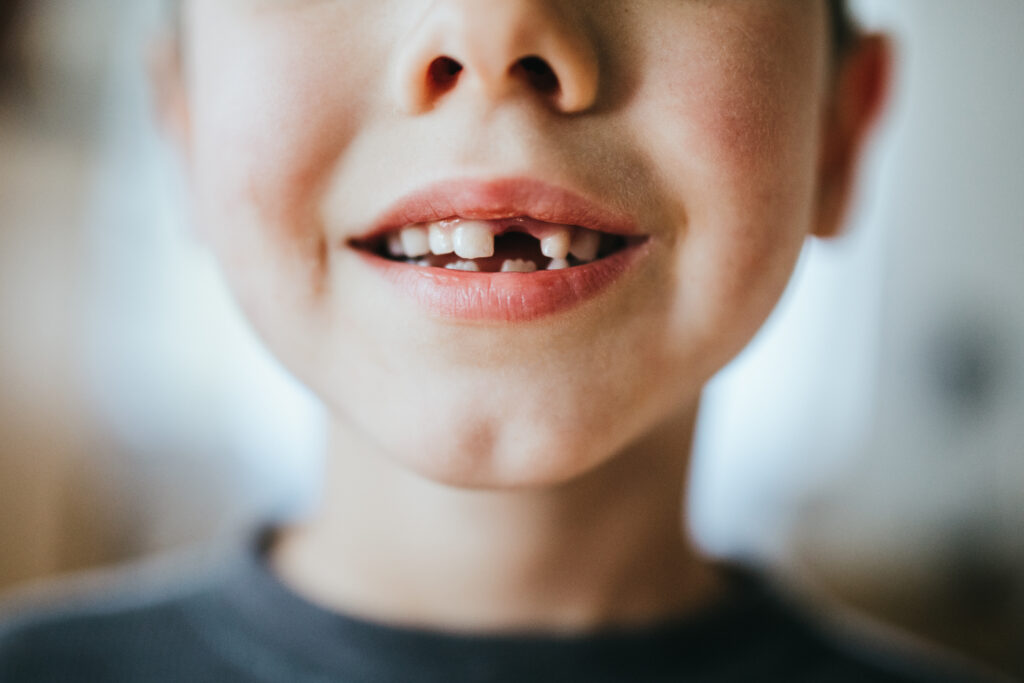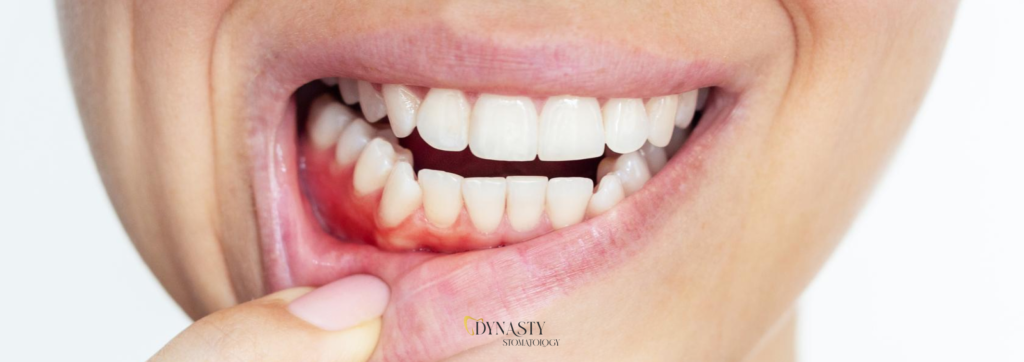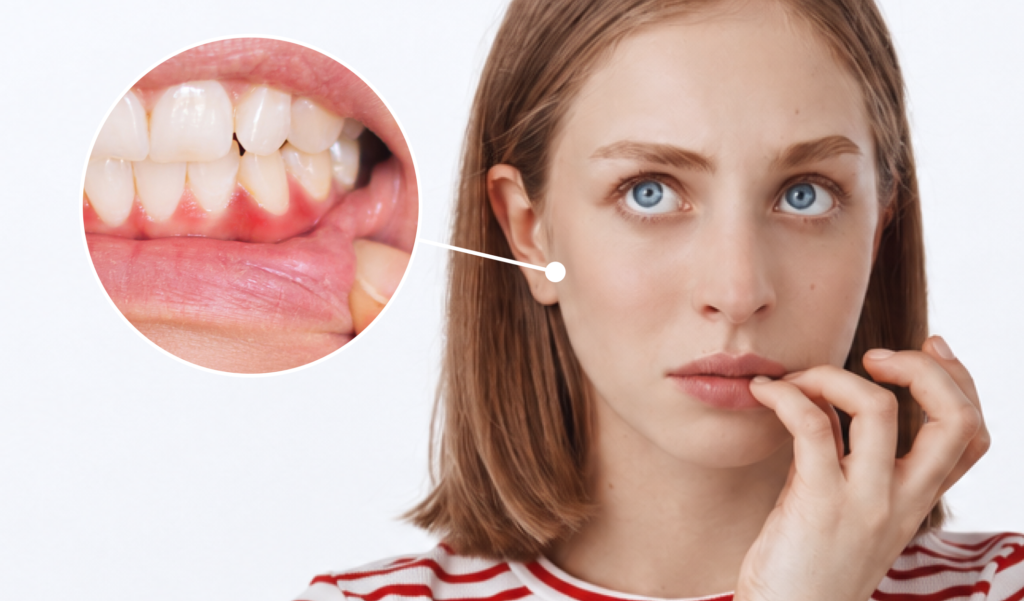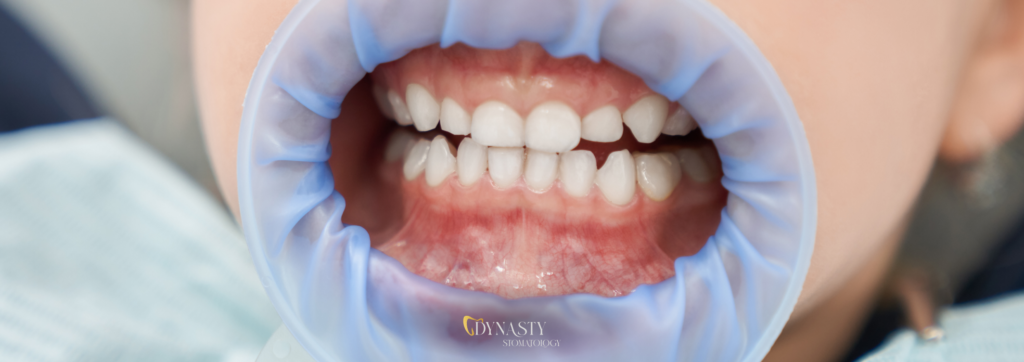

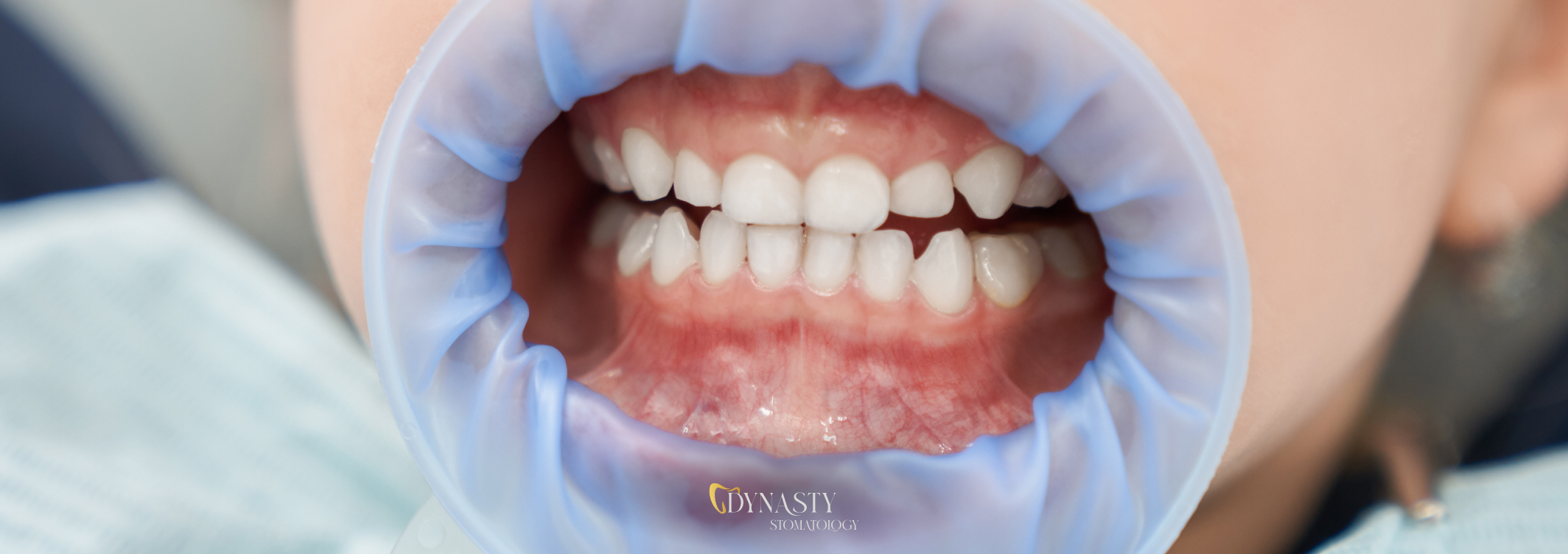
A child’s malocclusion may involve the alignment of the teeth, the relationship between the dental arches, and the position of the upper and lower jaws in relation to each other. Not every irregularity requires immediate treatment, but early assessment helps determine whether monitoring or orthodontic treatment is needed.
What Is Malocclusion in Children and When Does It Require a Consultation?
Malocclusion in children may affect individual teeth, entire dental arches, or the relationship between the upper and lower jaws. An assessment is not limited to checking whether the teeth are straight. The orthodontist also evaluates facial growth, breathing patterns, swallowing, tooth eruption, and the child’s habits.
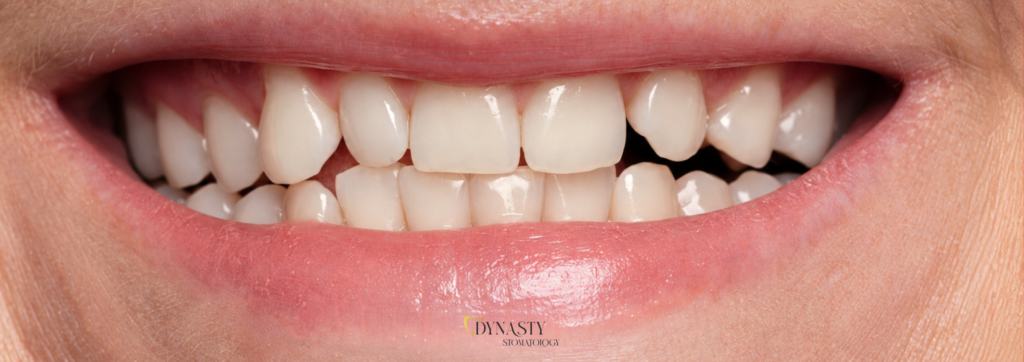
It is worth scheduling a consultation if the child consistently breathes through their mouth, pushes the lower jaw forward when closing their teeth, has visible smile asymmetry, difficulty biting food, or if the upper and lower teeth do not meet properly. Long-term thumb or pacifier sucking, premature loss of a baby tooth, or a family history of malocclusion may also be signs to watch for.
Early detection of malocclusion is not about “looking for problems unnecessarily.” It allows for a calm assessment of the child’s development and planning the right time for monitoring or treatment.
Types of Malocclusion in Children
The most common types of malocclusion in children involve the relationship between the upper and lower jaws and the alignment of the teeth within the arches. The orthodontist determines the type of malocclusion, its severity, and whether treatment is necessary after an examination and, in some cases, diagnostic imaging.
Overbite in a Child
With an overbite, the lower teeth or lower jaw are positioned farther back in relation to the upper dental arch. In some children, a change in the facial profile may be visible, and there may sometimes be difficulty biting and chewing properly.
Not every type of overbite looks the same or requires the same treatment method. The orthodontist assesses whether the issue mainly results from tooth alignment, jaw growth, or both factors.
Underbite in a Child
An underbite occurs when the lower teeth or lower jaw extend in front of the upper teeth. It may be noticeable when the child speaks, bites, or when looking at their facial profile.
For growing patients, a timely orthodontic assessment is important because the upper and lower jaws are still developing. The doctor determines whether monitoring, an orthodontic appliance, or collaboration with other specialists is needed.
Crossbite
In a crossbite, the upper and lower teeth meet in an incorrect relationship—for example, the lower teeth may be positioned farther outward than the upper teeth. The issue may involve one tooth, several teeth, or a larger section of the dental arch.
A crossbite may be unilateral or bilateral. If the child shifts their lower jaw to one side when biting down, diagnostic evaluation is needed because this may indicate a functional asymmetry.
Open Bite
An open bite occurs when some teeth do not touch after the mouth is closed. Parents most often notice a gap between the front teeth, although the issue may also affect other areas of the arch.
The child may have difficulty biting certain foods or pronouncing selected sounds. An open bite may be associated with habits such as thumb sucking, but the cause should always be determined individually.
Deep Bite
With a deep bite, the upper incisors excessively overlap the lower front teeth. The degree of overlap may vary, so simply looking in a mirror is not enough to diagnose the issue.
During the examination, the orthodontist assesses tooth contact, conditions for the eruption of subsequent teeth, and gum health. In some cases, the child may experience traumatic biting or tissue irritation, but this requires an in-office assessment.
Scissor Bite and Crowded Teeth
A scissor bite involves improper side-to-side overlap of the upper and lower teeth. Crowding, on the other hand, means there is not enough space in the arch, causing teeth to erupt rotated, shifted, or partly outside the arch.
Visible unevenness of the teeth is not yet a complete orthodontic diagnosis. Crowding may occur together with other malocclusions, so the treatment plan should take the entire bite relationship and jaw development into account.
What Causes Malocclusion in Children?
Malocclusion usually develops under the influence of several factors rather than one parental mistake. Family predisposition, jaw growth, habits, the condition of baby teeth, and the way permanent teeth erupt may all play a role.
Rather than blaming yourself or the child, it is worth focusing on observation and consultation. An orthodontist can help distinguish a risk factor from a situation that truly requires action.
Genetic Predisposition and Jaw Development
A child may inherit characteristics related to the structure of the upper jaw, lower jaw, tooth size, or their proportions. The individual rate of facial growth is also important.
If the parents or siblings have had an overbite, underbite, or significant crowding, it is worth telling the orthodontist. A genetic predisposition does not mean the condition cannot be treated—it simply helps plan diagnostics and follow-up visits more effectively.
Habits That Affect the Bite
Long-term pacifier or thumb sucking, mouth breathing, and improper tongue posture may contribute to the development of bite irregularities. This does not mean that every habit will always lead to malocclusion.
The best approach should be determined calmly and without making the child feel ashamed. Depending on the issue, an orthodontist, pediatric dentist, speech therapist, physiotherapist, or ENT specialist may be helpful.
Premature Loss of Baby Teeth and Eruption Problems
Baby teeth maintain space for permanent teeth. When a baby tooth is lost too early—for example, because of tooth decay or injury—neighboring teeth may shift into its place.
Eruption problems can also affect the amount of space in the dental arch. Regular dental checkups help detect cavities early, assess tooth replacement, and refer the child for an orthodontic consultation if necessary.
How Is Malocclusion Treated in Children?
Treatment for malocclusion in children is always individualized. It depends on the type and severity of the issue, the child’s age, the stage of tooth replacement, facial growth, and the child’s willingness to cooperate.
Not every malocclusion requires braces right away. The plan may include monitoring, eliminating unfavorable habits, a removable or fixed orthodontic appliance, and, in selected situations, support from other specialists.
Monitoring Development and Eliminating Harmful Habits
Sometimes, the best recommendation is carefully monitored observation of bite development. During regular visits, the doctor checks tooth eruption, changes in the arches, and jaw growth.
Monitoring does not mean giving up on treatment. It is an active part of the plan that makes it possible to begin therapy at the right time while also working to reduce habits that affect the bite.
Orthodontic Appliances for Children
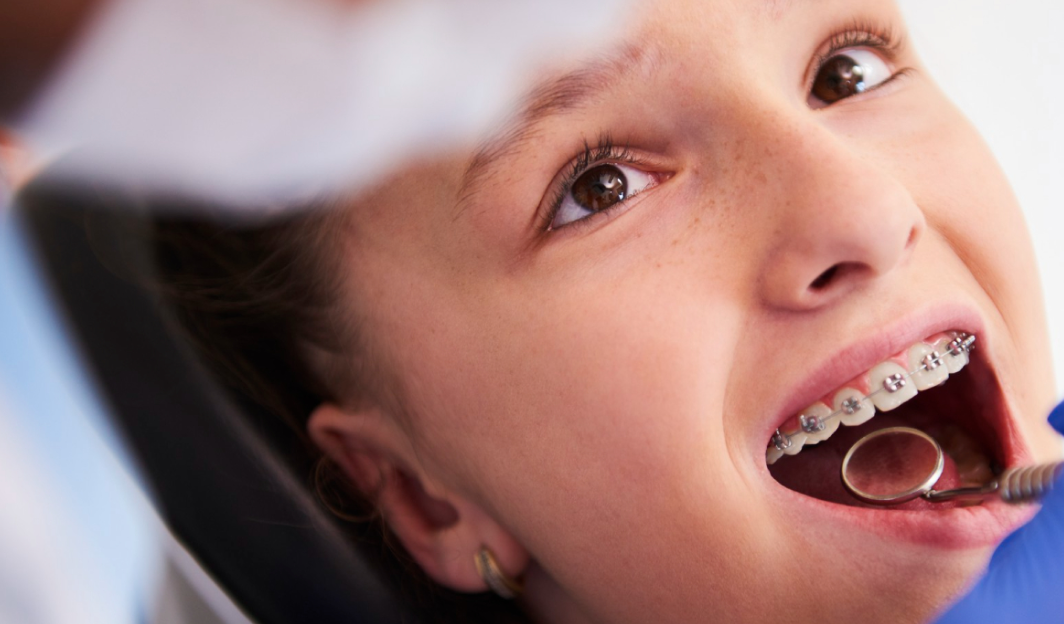
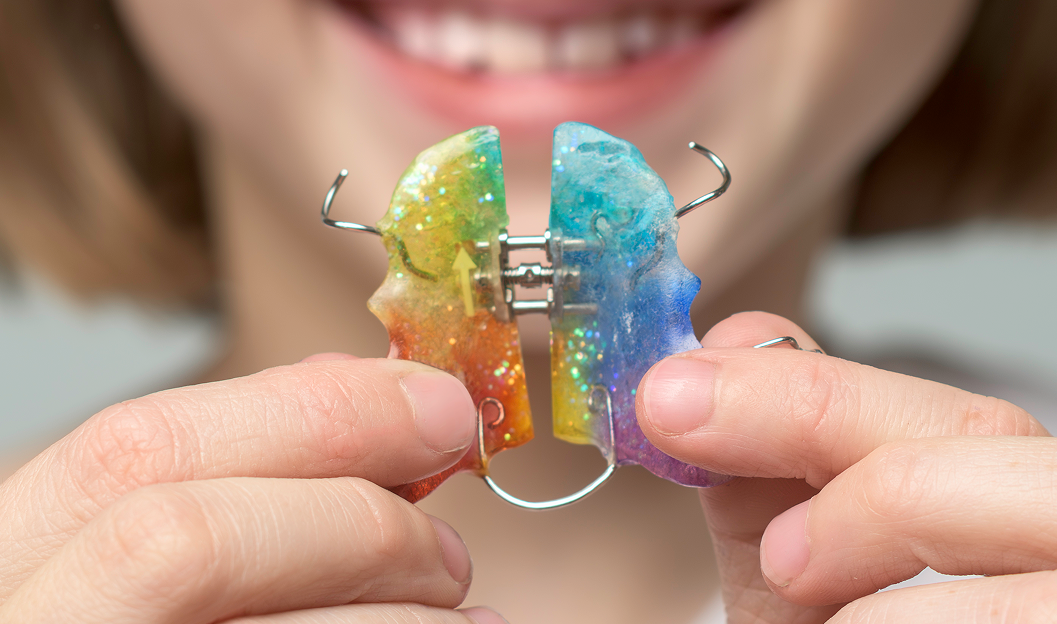
Removable and fixed orthodontic appliances can be used in children, but they are not universal solutions. A removable appliance can be put in and taken out by the child, while a fixed appliance is bonded to the teeth by the doctor.
The choice depends on the diagnosis, treatment goals, and the young patient’s maturity. The effectiveness of a removable appliance largely depends on wearing it consistently according to the orthodontist’s instructions and attending regular checkups.
Myofunctional Therapy and Collaboration With Other Specialists
Myofunctional therapy involves exercises that support the proper function of the facial muscles and tongue, as well as swallowing and breathing. It may be recommended as a complement to orthodontic treatment when the examination indicates functional issues.
Depending on the child’s needs, the orthodontist may collaborate with a speech therapist, physiotherapist, or ENT specialist. Not every child needs interdisciplinary treatment, so the scope of support is based on the specific diagnosis.
Effects of Untreated Malocclusion in Children
The consequences of untreated malocclusion depend on its type and severity. For some children, the issue remains mainly aesthetic, but other malocclusions may make biting, chewing, or maintaining proper oral hygiene more difficult.
With crowding, it is harder to thoroughly clean between the teeth, which may increase the risk of plaque buildup. Uneven tooth contact may lead to overloading certain areas of the dentition, while an open bite or other irregularities may coexist with speech articulation difficulties.
Some children may also feel uncomfortable about the appearance of their smile, especially at school age. However, potential effects should not be assumed based only on a photo or observation at home. If something concerns a parent, the most sensible step is a professional bite assessment.
What Does a Child’s First Orthodontic Consultation Look Like?
A child’s first orthodontic consultation usually begins with a conversation with the parent and young patient. The doctor asks about the child’s health, dental treatment, injuries, habits, breathing, and family history of malocclusion.
Next, the orthodontist evaluates tooth alignment, the relationship between the upper and lower jaws, facial development, and the condition of the oral cavity. If indicated, they may recommend diagnostic imaging or digital scans to prepare a more detailed treatment plan. Dynasty Stomatology offers on-site digital diagnostics, which makes organizing the next steps easier.
It is worth preparing the following for the appointment:
- information about previous dental treatment and injuries;
- a list of observed habits, such as thumb sucking or mouth breathing;
- questions about treatment goals, the type of appliance, hygiene, and the frequency of checkups;
- information about the child’s concerns so the team can adapt the way they communicate.
How Can You Make an Informed Decision About Orthodontic Treatment?
The right decision begins with understanding the diagnosis and the goal of therapy. During the consultation, it is worth asking what malocclusion has been diagnosed, what the doctor wants to correct, what methods are available, and whether treatment should begin right away.
Parents should also discuss the expected frequency of visits, hygiene responsibilities, the need to work with a speech therapist or another specialist, and the risks associated with not following recommendations. The duration of treatment and the cost of orthodontic appliances for a child are determined individually after the examination, as they depend on the treatment plan, type of appliance, and scope of diagnostics.
At Dynasty Stomatology, every stage of the plan is discussed with the parent in a clear and understandable way, without imposing procedures. Before booking an appointment, it is worth checking the current price list and available installment payment options, including MediPay, MediRaty, and an individually arranged in-house plan.
Frequently Asked Questions
-
It is worth considering an initial orthodontic assessment as early as the early stage of tooth replacement, especially if a parent notices improper biting, asymmetry, or problems with tooth eruption. However, the timing of the visit depends on the child’s development and current symptoms. An early consultation often serves to assess the situation and establish a follow-up schedule rather than begin treatment immediately.
-
Some temporary bite changes during tooth replacement may change as the child grows, but not every malocclusion will correct itself. Therefore, it is not advisable to assume the issue will “definitely go away” or to begin treatment without a diagnosis. The orthodontist will determine whether monitoring is sufficient or whether specific treatment is needed.
-
Getting braces is usually not painful, but after an appliance adjustment or when starting to wear a new appliance, the child may feel pressure and tooth sensitivity for a few days. These symptoms are usually temporary. The doctor will explain how to care for the appliance, what to eat during the first few days, and when to come in for an earlier checkup.
-
Treatment time depends on the type of malocclusion, the child’s age, jaw growth, the selected method, and how consistently the child cooperates. It is not possible to honestly provide one treatment duration before an examination. After diagnostics, the orthodontist can present an approximate plan and then update it during checkups, as the child’s dentition is still developing.
Consult an Orthodontist About Your Child’s Malocclusion
Not every irregularity requires immediate treatment, but early assessment makes it possible to plan the next steps more effectively. If you notice improper tooth alignment, difficulty biting, asymmetry, or other concerning symptoms in your child, schedule an orthodontic consultation at Dynasty Stomatology. The doctor will assess bite development, explain the available options, and help determine whether your child needs treatment or whether regular monitoring is sufficient.