This guide is for adults who need safe relief before seeing a dentist. Home remedies may reduce toothache pain for a short time, but they do not address its cause. If the pain is severe, worsening, recurring, or accompanied by swelling, it is worth contacting a dental office the same day. In cases of sudden tooth pain, Dynasty Stomatology aims to see patients as quickly as possible, depending on availability.
Toothache – How to Relieve It at Home Safely
When you have a toothache, the safest goal is to ease the discomfort until your examination. Home remedies for toothache may help when food particles are stuck between the teeth, the gums are irritated, or the discomfort is temporary. However, they will not replace treatment for tooth decay, pulp inflammation, a cracked tooth, or gum problems.
If you are wondering how to relieve toothache pain, start by gently cleaning your mouth, applying a cold compress, and taking a painkiller according to the package instructions. Do not try to “burn away” the pain with home remedies. Severe, throbbing, or recurring pain requires a dental assessment.
What to Do Right Away When a Tooth Starts Hurting
- Gently brush your teeth with a soft toothbrush.
- If you suspect food is stuck between your teeth, you can gently clean the space between them. Do not use dental floss directly around a very painful or irritated tooth.
- Rinse your mouth with lukewarm water to remove food particles.
- If the pain does not subside, apply a cold compress to your cheek.
Do not insert needles, toothpicks, or other sharp objects into a cavity. Doing so may injure the gums or worsen damage to the tooth.
What Not to Do When You Have a Toothache
Do not apply aspirin, alcohol, garlic, Amol herbal drops, or concentrated essential oils directly to the gums. These substances may irritate or chemically damage the mucous membrane. Do not start taking antibiotics on your own either, as not every toothache indicates an infection that requires such treatment.
Avoid heating your face, especially if there is swelling with the toothache. Heat can increase blood flow and discomfort during inflammation.
Safe Home Remedies for Temporary Relief
Home remedies can reduce toothache pain, but only for a limited time. The safest approaches at home are those that do not irritate the gums or delay contact with a dentist. Maintain good oral hygiene, eat soft foods, avoid very cold, hot, and sweet foods, and rest with your head slightly elevated.
Practical measures you can use before your consultation include:
- gently rinsing your mouth with lukewarm water or a mild saltwater solution;
- applying cold compresses to the outside of the cheek;
- carefully brushing and cleaning between the teeth;
- avoiding chewing on the painful side;
- taking a painkiller according to the package instructions, if there are no contraindications.
Saltwater Rinse and Gentle Mouth Cleaning
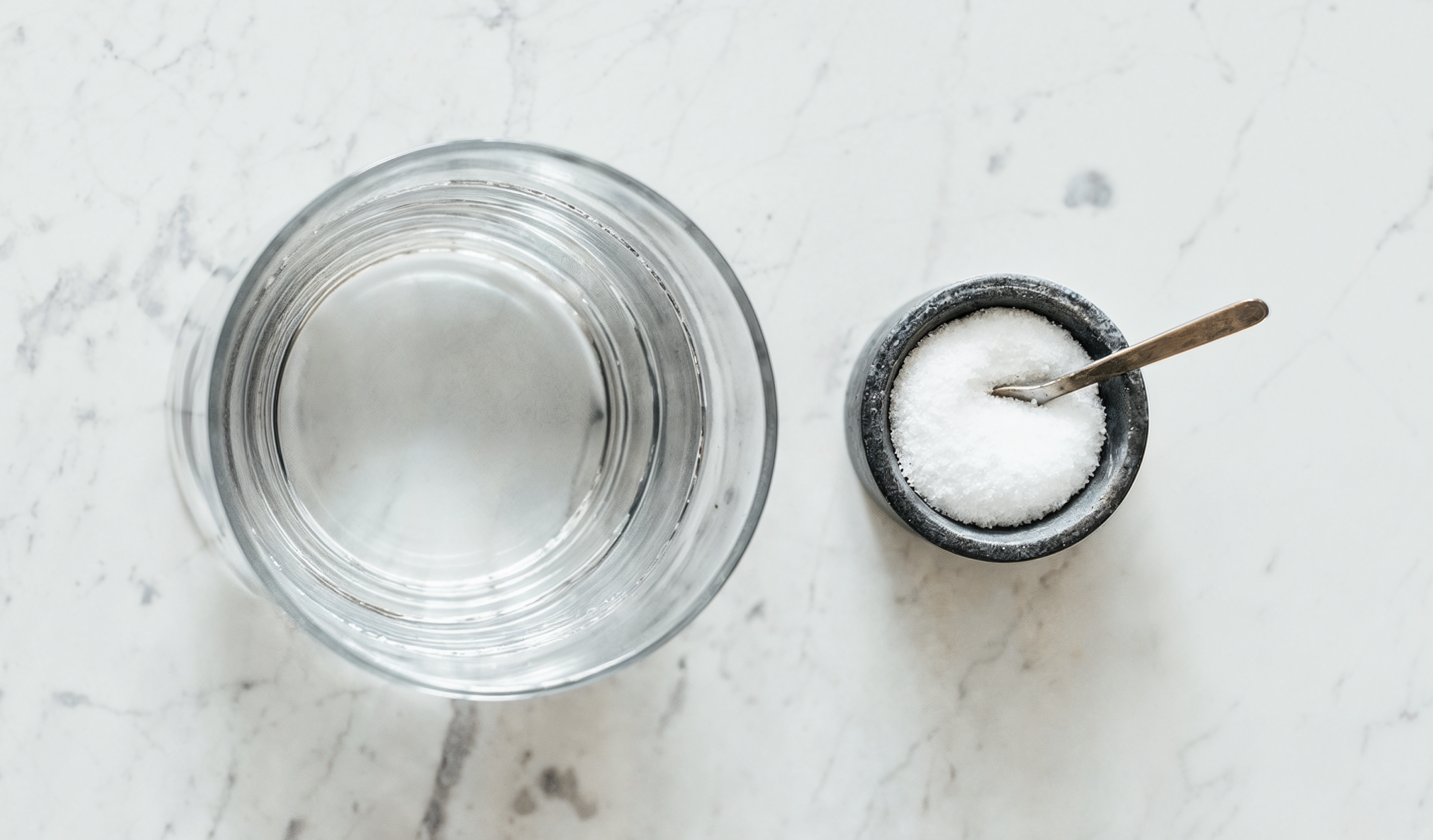
Add about half a teaspoon of salt to a glass of warm or lukewarm water. Rinse your mouth and spit out the solution. Do not swallow it. This saltwater rinse may be helpful after a meal, especially if you suspect food particles are stuck between your teeth.
Do not swallow the solution or rinse the painful area vigorously. Salt will not treat a cavity, pulp inflammation, or an abscess, so persistent pain should be assessed by a dentist.
Cold Compress on the Cheek
Cold compresses may reduce the throbbing sensation and relieve discomfort. Wrap a cold compress, gel pack, or bag of ice in a thin towel, then place it on the cheek on the side of the painful tooth.
Do not apply ice directly to your face or tooth. Also, do not warm the painful area if swelling has appeared.
Cloves, Sage, and Other Popular Natural Methods
Cloves and clove oil are often mentioned among home remedies for toothache, but they do not replace dental treatment. Concentrated oil may irritate the mucous membrane, so it should not be applied directly to the tooth or gums.
Do not apply oils or herbal preparations directly to the painful area. For children, pregnant women, and people with allergies, it is advisable to consult a doctor or pharmacist before using such methods.
Painkillers for Toothache: How to Use Them Sensibly
Over-the-counter painkillers for toothache may help you manage until your consultation, but they do not treat the source of the problem. Always take them according to the current package instructions for the specific product. Do not combine medicines containing the same active ingredient or increase the dose if the pain does not go away.
The choice of medication depends, among other things, on age, body weight, pregnancy, liver, kidney, heart, and stomach conditions, as well as other medicines you are taking. If in doubt, ask a pharmacist or doctor.
|
Active ingredient |
When it may be considered |
Important precautions |
|
Paracetamol |
Short-term pain relief according to the package instructions |
Use caution with liver disease, alcohol consumption, and when combining products containing paracetamol |
|
Ibuprofen |
Pain accompanied by inflammation, if there are no contraindications |
Not suitable for every patient, including those with peptic ulcer disease, certain kidney conditions, or an allergy to anti-inflammatory medicines |
|
Ketoprofen |
An anti-inflammatory medicine used only according to the package instructions and specialist advice |
Requires particular caution with stomach, kidney, and heart problems, and during pregnancy |
Paracetamol and Toothache
Paracetamol for toothache may be considered according to the information in the package leaflet. However, check the ingredients of all medicines you are taking, as paracetamol is also present in some cold and flu medicines.
People with liver disease and those who regularly drink alcohol should be especially cautious. If you are unsure whether a particular medicine is suitable for you, ask a pharmacist for advice.
Ibuprofen and Ketoprofen – Important Contraindications
Ibuprofen for toothache and ketoprofen for toothache belong to the group of nonsteroidal anti-inflammatory drugs. They may be effective for pain relief, but they are not a good choice for everyone.
Contraindications may include peptic ulcer disease, gastrointestinal bleeding, certain kidney and heart conditions, asthma associated with hypersensitivity to this group of medicines, and specific stages of pregnancy. Read the package leaflet before use and do not combine anti-inflammatory medicines without medical advice.
Why Does a Tooth Hurt? Common Causes and Types of Pain
The causes of toothache vary, and the nature of the discomfort alone is not enough to make a diagnosis. Pain may be linked to tooth decay, pulp inflammation—meaning inflammation of the tissue inside the tooth—a leaking filling, cracked enamel, gum disease, or erupting wisdom teeth.
Symptoms of toothache include stabbing pain, throbbing, sensitivity to temperature, pain when biting, and radiating pain. During your visit, the dentist checks the tooth, gums, and bite and, if needed, takes an X-ray.
Pain From Cold, Sweet Foods, or Biting
Pain from cold, hot, or sweet foods may indicate tooth sensitivity, a cavity, a leaking filling, or a cracked tooth. Pain when biting sometimes occurs due to excessive pressure on a tooth, a crack, or inflammation around the root.
Even if the discomfort disappears immediately after the trigger is removed, this does not mean the problem has gone away. An early check-up may reduce the extent of treatment needed.
Throbbing Toothache and Radiating Pain
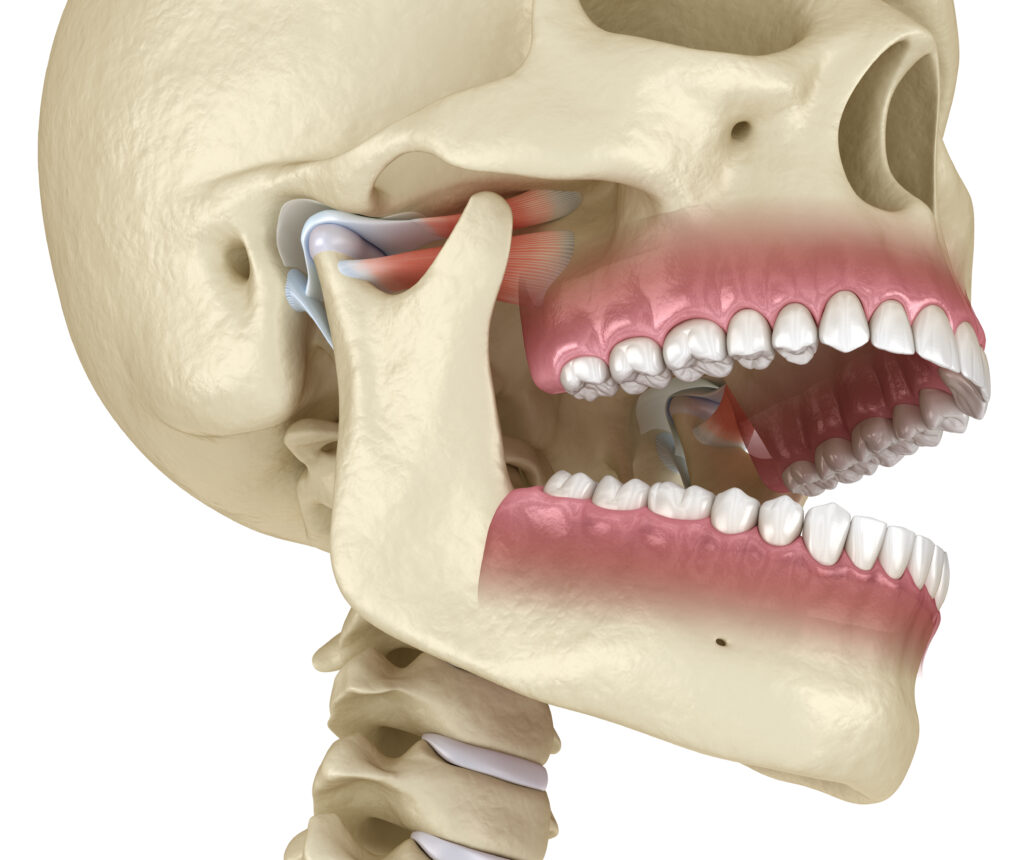
A throbbing toothache, worsening pain at night, swelling, or pain radiating to the ear, temple, or jaw may accompany a more advanced problem. In such cases, it is not advisable to rely solely on home remedies.
Contact a dental office, especially if the pain worsens despite medication. A prompt assessment helps identify the cause and plan the appropriate treatment.

When You Need to See a Dentist Urgently for a Toothache
An urgent consultation is needed when the pain is severe, rapidly worsening, or makes eating and sleeping difficult. Do not delay contacting a dentist if you develop swelling with a toothache, fever, pus discharge, an injury, a broken tooth, or difficulty opening your mouth.
Contact a dentist the same day if you have:
- swelling of the gums, cheek, or face;
- worsening severe toothache;
- fever or a clear decline in how you feel;
- pus, an unpleasant taste in your mouth, or bleeding after an injury;
- a broken, knocked-out, or displaced tooth;
- pain that persists despite correct use of painkillers.
Call Dynasty Stomatology: +48 576 676 266. During the call, describe your symptoms, how long they have lasted, and whether you have swelling or fever. The reception team will help determine how urgent your appointment is.
Warning Signs Requiring Immediate Help
Rapidly increasing swelling of the face or neck, difficulty breathing, swallowing, or speaking, significant weakness, and a high fever require immediate medical assessment. Do not wait for a routine dental appointment in this situation.
What Toothache Treatment Looks Like at the Dental Office
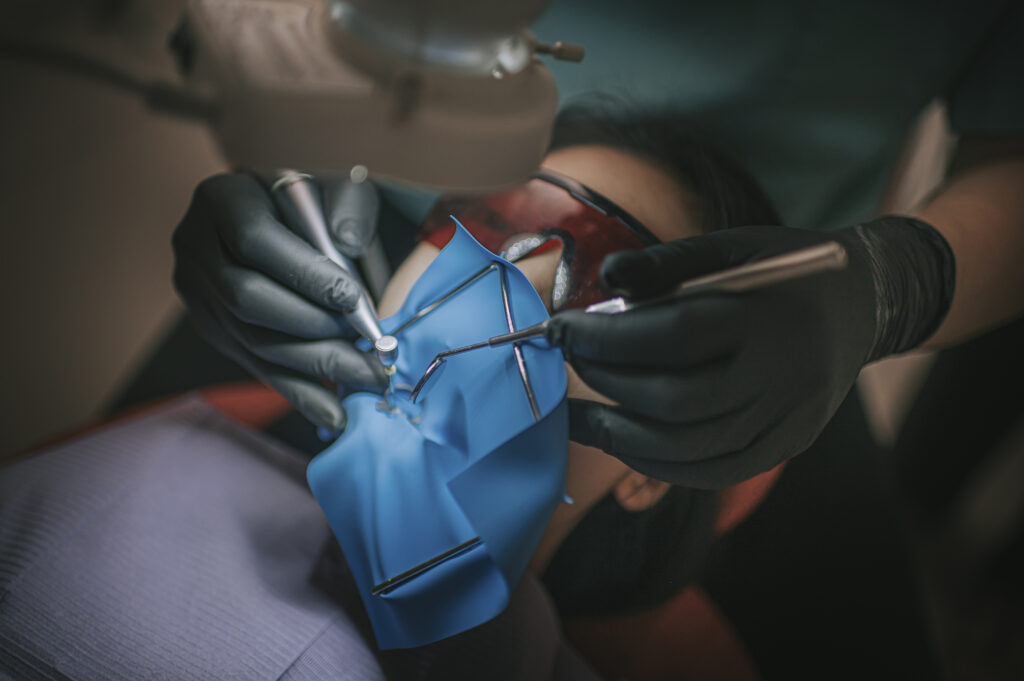
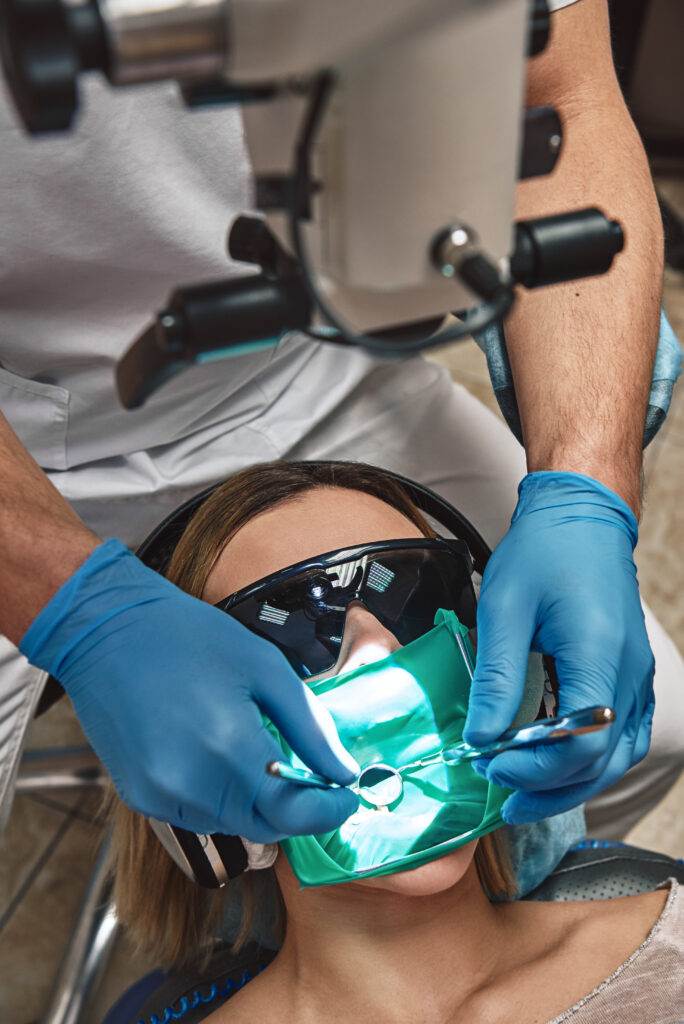
A dental visit begins with a discussion of your symptoms, an oral examination, and an assessment of the painful tooth. If necessary, the dentist orders imaging, such as a digital X-ray. This means there is no need to guess how the toothache should be treated.
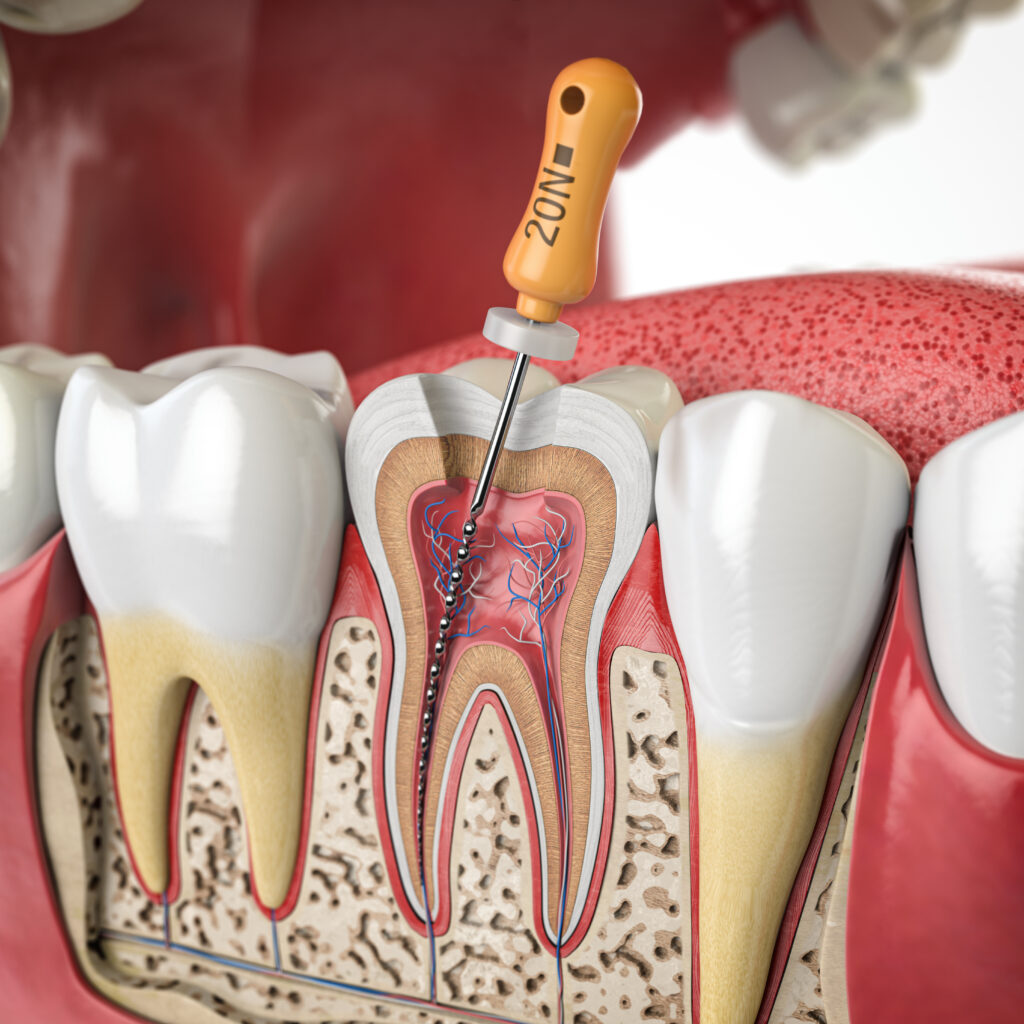
Further treatment for toothache depends on the cause. It may include removing decay and placing a filling, replacing a leaking filling, root canal treatment—meaning cleaning and sealing the inside of the tooth—gum treatment, wisdom tooth treatment, or tooth extraction when the tooth cannot be saved.
At Dynasty Stomatology, on-site diagnostics as well as restorative, microscope-assisted endodontic, surgical, and periodontal treatment are available. Before a decision is made, the dentist explains the possible options, risks, and an estimated treatment plan.
How to Prepare for a Toothache Appointment
Before your appointment, make a note of:
- when the pain started and whether it is constant;
- what makes it worse: cold, heat, sweets, biting, or lying down;
- which medicines you have taken and at what time;
- allergies, chronic conditions, and medicines you are currently taking;
- whether you are pregnant or take medicines that affect blood clotting.
If you feel more comfortable speaking Ukrainian, Russian, or English, let the reception team know when you contact them. This will make it easier to communicate your symptoms and prepare for your appointment.
Book a Consultation and Ask About the Next Steps
When speaking with the reception team, describe the pain, swelling, fever, and any injury. You can ask about the nearest available appointment, the treating dentist, how to prepare for the consultation, and the estimated cost of the examination. The exact treatment plan and price are determined after diagnostics.
FAQ
-
It is best to sleep with your head slightly elevated and avoid lying on the side of the painful tooth. Before bed, gently clean your mouth, apply a cold compress to your cheek, and, if you can take it, use a painkiller according to the package instructions. If the pain prevents you from sleeping, contact a dentist.
-
Yes, a cold compress may temporarily reduce throbbing and discomfort. Apply it to the cheek through a protective layer, in short intervals with breaks in between. Do not place ice directly on the skin or warm your face, especially if there is swelling.
-
Cloves may provide a short-lived feeling of relief, but they do not treat the cause of the pain. Do not apply clove oil directly to the gums or tooth, as the concentrated product may irritate the tissues. Take particular care with children and people with allergies.
-
Yes, the pain may temporarily lessen, but this does not mean the cause has resolved. A cavity, crack, inflammation, or gum problem may continue to develop without obvious symptoms. It is worth booking a check-up, especially if the pain returns.
Do Not Wait for a Toothache to Go Away on Its Own
If the pain persists, worsens, or is accompanied by swelling, fever, or pain when biting, book an appointment with a dentist at Dynasty Stomatology. The dentist will determine the cause of the problem and recommend the appropriate treatment.