






After a tooth extraction, many people instinctively check the wound: whether the blood clot is still there, whether a whitish coating is normal, and whether pain means there is a complication. This is understandable, but the appearance of the tooth socket can change from day to day, and not every change indicates a problem.
A blood clot after extraction has an important function—it protects the wound and creates the conditions for proper healing. That is why, during the first few days after the procedure, it is worth knowing how to protect it, what to avoid, and which symptoms should prompt you to contact a dentist.
What is a blood clot after tooth extraction and why is it so important?
A blood clot after tooth extraction is a natural layer of blood in the tooth socket that protects the wound and starts the healing process. It acts like a biological dressing: it shields sensitive tissues, helps stop bleeding, and provides a foundation on which the gum and bone gradually rebuild.
Do not try to remove it, check it with your finger, or “clean” it with your tongue. Even if the wound looks unusual, its appearance during the first few days does not always indicate a problem. The most important things are symptoms such as worsening pain, fever, heavy bleeding, or pus discharge.
How does a blood clot form in the tooth socket?
After extraction, blood collects in the tooth socket, which is the space left by the tooth root. The body activates its clotting mechanism, causing a blood clot to form. Over time, it stabilizes and protects the exposed tissues from irritation caused by food, saliva, and bacteria.
If the blood clot is disturbed too early, the wound may become more painful and heal less comfortably. That is why post-procedure instructions matter from the very first hours.
What does a normal blood clot look like after extraction?
A blood clot may be dark red, burgundy, or brownish in color. In the following days, its surface may change in appearance, and the wound may become partly covered with a light, whitish, or yellowish coating associated with the healing process.
Do not assess the extraction site by touching it with a finger, cotton swab, or tongue. Contact your dentist if you experience worsening pain after an initial improvement, an unpleasant odor, fever, or the feeling that the tooth socket is empty.
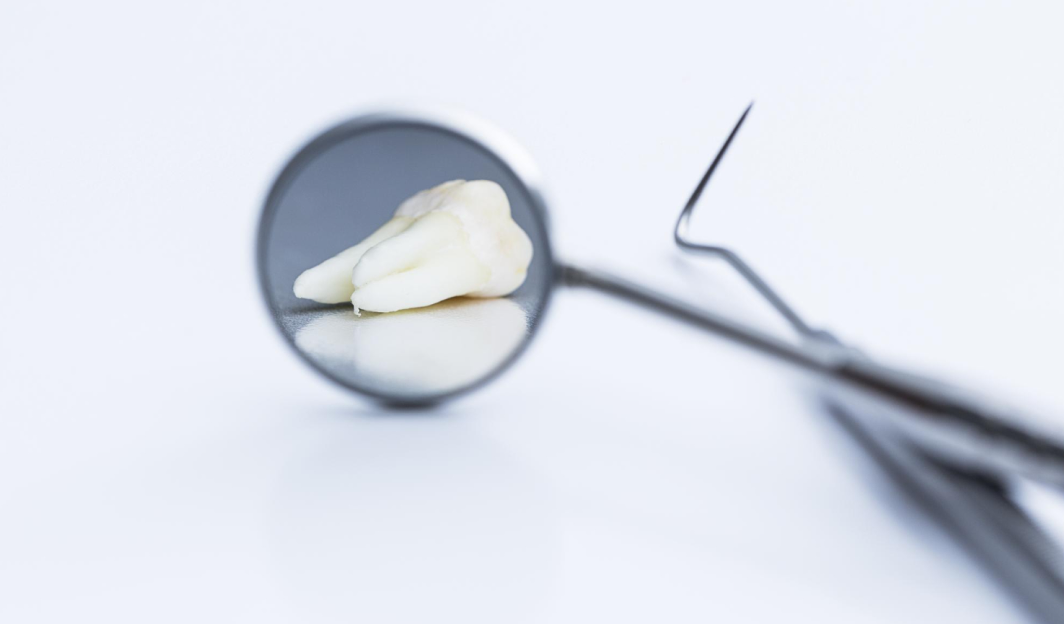
What does healing look like after tooth removal?
Healing after extraction begins immediately after the procedure, when a blood clot forms in the tooth socket. The wound then gradually closes with gum tissue, while deeper tissues are rebuilt by the body. The exact pace depends, among other things, on the type of extraction, the position of the tooth, the presence of inflammation, stitches, and the patient’s overall health.
The first few days are the most important for protecting the blood clot. Complete tissue remodeling takes longer than the visible healing on the surface of the gum, so it is worth attending a follow-up appointment if your dentist recommends one.
The first hours and first day after the procedure
Immediately after tooth removal, the patient usually bites down on gauze according to the dentist’s instructions. Slight oozing of blood or pink saliva may occur shortly after the procedure. The anesthesia gradually wears off, so tenderness or discomfort may appear.
Some swelling is also possible, especially after a more difficult extraction. If bleeding is heavy or does not stop despite following the instructions given by the dental office, contact your dentist.
The following days and the role of stitches in healing
Over the next few days, the tissues gradually close the tooth socket. Discomfort should decrease over time, although swelling may remain noticeable for a while after surgical procedures. Do not remove stitches yourself or pull on their ends.
If stitches have been placed, they help stabilize the wound. The dentist will let you know whether they are dissolvable and when a check-up or removal is needed. The timing depends on the type of procedure and the progress of healing.
What should you do after tooth extraction to protect the blood clot?
After extraction, the most important thing is to follow the instructions received at the dental office calmly. Rest, gentle oral hygiene, and avoiding actions that create suction in the mouth reduce the risk of disturbing the blood clot.
A short checklist after returning home:
- rest and limit physical activity;
- take medication only as instructed by your dentist;
- choose soft, lukewarm, or cool meals;
- drink carefully from a cup, without using a straw;
- brush your remaining teeth while avoiding the fresh wound;
- contact the dental office if your symptoms are concerning.
Eating, drinking, and oral hygiene after extraction
After the procedure, it is worth choosing soft foods that do not require intensive chewing. Avoid very hot foods and drinks, spicy seasonings, and hard crumbs that could irritate the wound. Try to chew on the opposite side of your mouth.
Oral hygiene is still necessary, but it requires caution. Do not brush the tooth socket directly or rinse your mouth vigorously. If your dentist recommends a mouth rinse or a specific way of cleaning your mouth, their individual instructions take priority.
Rest, cold compresses, and taking medication
On the day of the procedure and for the period indicated by your dentist, avoid intense exercise, heavy lifting, and overheating your body. Physical exertion may increase bleeding and throbbing in the wound. It may also be advisable to sleep with your head slightly elevated if you received this instruction after the procedure.
A cold compress may be applied to the outside of the cheek through a cloth, with breaks, without placing ice directly on the skin. Use painkillers, anti-inflammatory medication, or antibiotics only according to the treatment plan provided by your dentist.
What should you not do after tooth extraction?
After tooth removal, do not perform activities that could dislodge the blood clot or increase pressure in the wound. This especially includes vigorously rinsing your mouth, spitting, sucking on the wound, and touching the tooth socket with your fingers or tongue.
For the period indicated by your dentist, also avoid alcohol, smoking, and strenuous activity. These are not restrictions “just in case”—each of these behaviors can interfere with stable healing. If you are unsure whether an activity is safe, it is best to ask the dental office providing your treatment.
Why do smoking and drinking through a straw increase the risk?
Drinking through a straw and sucking on the wound create suction in the mouth. This movement can disturb the fresh blood clot before it has had time to securely protect the tooth socket. A similar problem may occur with vigorous rinsing or spitting.
Smoking additionally irritates the tissues and does not support wound healing. If giving up nicotine is difficult, it is worth telling your dentist openly before the procedure or during a check-up so that you can receive individual recommendations.
Should a blood clot fall out after tooth extraction?
No, the blood clot should not be intentionally removed or fall out prematurely. During the normal healing process, it is gradually replaced by new tissues, so its original appearance naturally changes.
A sudden loss of the blood clot accompanied by worsening pain, pain radiating to the ear or temple, or an unpleasant odor requires a consultation. Do not try to fill the wound yourself or use home remedies.
Dry socket and other complications: when should you see a dentist?
Dry socket is a complication after extraction associated with the loss of the blood clot or its improper breakdown. The exposed tissues in the tooth socket can then cause significant pain. It is not possible to reliably diagnose this condition based solely on a photo or a description of symptoms online.
If a complication is suspected, an examination at the dental office is necessary. The dentist will assess the wound, clean it, or recommend further treatment appropriate to the cause of the symptoms.
Symptoms that may indicate dry socket
Signs requiring urgent contact with a dentist include pain that clearly worsens after an initial improvement instead of easing, as well as pain radiating to the ear, temple, or jaw. An unpleasant taste, bad breath, and the feeling of an empty tooth socket should also be reported.
Symptoms may have different causes, so only an examination at the dental office allows them to be properly assessed. Do not wait until the pain becomes very severe.
When do bleeding, swelling, or fever require urgent help?
Contact the dental office promptly if bleeding cannot be controlled according to the instructions provided, swelling increases, fever appears, there is pus discharge, or you experience a clear worsening of your overall condition. It is helpful to state when the extraction was performed and how the symptoms are changing.
Difficulty breathing, swallowing, or rapidly increasing swelling of the face and neck are emergencies. In this situation, seek medical help immediately rather than waiting for a scheduled appointment.

How should you prepare for a follow-up appointment and book a visit after extraction?
A follow-up appointment after extraction is recommended whenever the dentist has advised it, stitches have been placed, or concerning symptoms appear. At Dynasty Stomatology in Krakow, we strive to provide same-day assistance to patients with acute pain, if current availability allows.
When contacting us, it is worth describing the situation briefly and specifically. This allows the reception team to better assess the urgency of the appointment and direct the patient to the appropriate specialist. The clinic team communicates in Polish, English, Ukrainian, and Russian, so you can request clear recommendations in your preferred language.
What information should you provide when contacting the dental office?
Prepare the most important information in this order:
- the date of the extraction and the type of procedure, if you know it;
- the location of the removed tooth;
- the main problem—pain, bleeding, swelling, fever, or another symptom;
- when the symptoms began and whether they are worsening;
- medications being used and information about any stitches;
- chronic conditions or medications that affect blood clotting, if they were discussed before the procedure.
This type of description makes a brief phone call easier and allows the next steps to be determined more quickly.
What should you expect during a follow-up appointment?
During the check-up, the dentist examines the wound, assesses healing, and checks whether the blood clot and surrounding tissues look normal. If stitches were placed, the dentist may assess their condition and decide whether they require further observation or removal.
If there is pain or suspected complications, the treatment plan is selected after the examination. The patient should receive clear information about home-care recommendations, the next check-up, and symptoms that require earlier contact.
If something concerns you after extraction, do not try to remove the blood clot yourself or diagnose the wound at home. Book an appointment at Dynasty Stomatology so that a dentist can safely assess the healing process.
Frequently asked questions
-
No, a white or yellowish coating does not necessarily mean that the blood clot has been lost. It is often part of normal wound healing. Do not remove or scrape it off. If it is accompanied by worsening pain, an unpleasant odor, or fever, contact your dentist.
-
The blood clot is especially important during the first few days after extraction, and it is then gradually replaced by healing tissues. There is no single identical timeframe for every patient, as the course depends on the type of procedure and individual healing.
-
Yes, you can brush your teeth, but you should avoid the fresh tooth socket and not brush the wound directly. Gently clean your remaining teeth, do not rinse your mouth vigorously, and follow your dentist’s individual recommendations for post-procedure hygiene.
-
Slight bleeding or blood in saliva during the first few hours after extraction is normal. If bleeding becomes heavier or does not stop after following your dentist’s instructions, contact your dentist. Avoid vigorously rinsing your mouth or trying to remove the blood clot.
-
It is usually recommended to avoid eating during the first few hours after extraction, until the anesthesia wears off, to prevent accidental tissue damage. Afterward, you can choose soft, not overly hot foods and chew on the opposite side. Exact recommendations depend on the complexity of the procedure and the condition of the wound.
-
If the pain initially subsided and then clearly worsened, it may be a sign of complications such as dry socket. It is especially important to consult a dentist if the pain radiates to the ear or temple, or if there is an unpleasant odor or taste in the mouth. Self-treatment of such a wound is not recommended; it should be examined.










