

For most people, a filling is a matter of appearance, comfort, and the assurance of long-lasting tooth health. It’s important not just to cover the damage, but to maintain the feeling of having a “natural” tooth, so that nothing interferes with speaking, eating, or smiling. Patients are increasingly paying attention to the appearance of the treatment results and how durable they will be in everyday life.
Modern dentistry can offer a solution that combines aesthetics and functionality. This is a composite filling—a precise and gentle restoration that supports the tooth’s structure and is visually unobtrusive.
In this article, we’ll discuss what a composite filling is, when it’s chosen, its advantages and limitations, and what’s important to consider before treatment.
What is a composite dental filling?
A composite filling is a resin-based dental filling that matches the natural enamel color. This filling is unobtrusive and doesn’t alter the appearance of a smile.
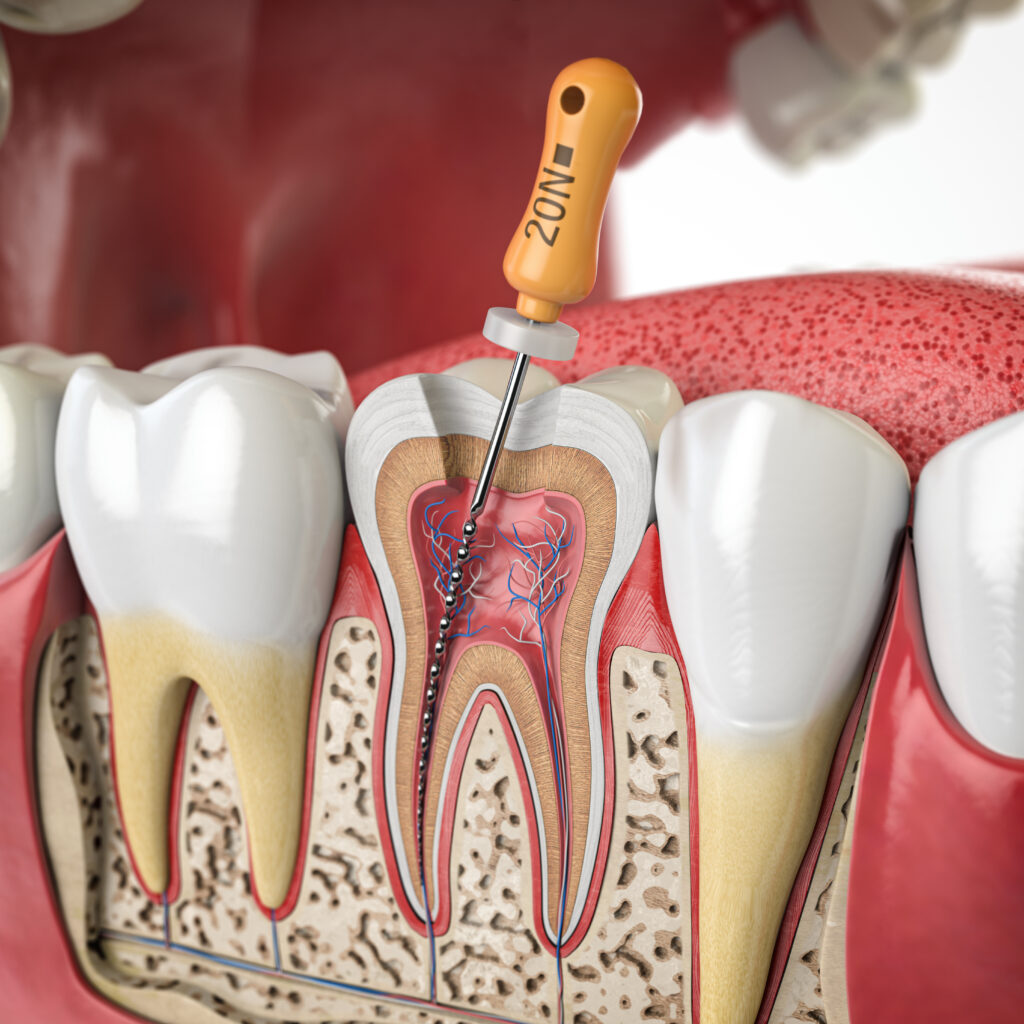
The unique feature of composites in dental practice is that the material bonds directly to the tooth surface. This allows for precise restoration, preserving more healthy tissue, and reliably supporting the tooth structure without unnecessary intervention.
Comparing composites to amalgam fillings, the difference is immediately noticeable. Amalgam fillings have long been considered the standard due to their strength. However, they require more aggressive tooth preparation and are visible when smiling. Metal fillings are still used in select cases, but are more often employed in areas where aesthetics are not a primary concern.
Compared to ceramic restorations, composites remain a more flexible and gentle solution. They allow for tooth restoration in a single visit and preserve as much of the tooth’s natural tissue as possible, which is especially important for minor and moderate damage. This is why modern fillings dentistry chooses composite as a balanced option between appearance, functionality, and the scope of intervention.

How can composite fillings save your teeth?
Composite fillings help preserve natural teeth damaged by decay, microcracks, or early tissue breakdown. Instead of aggressive treatment, dentists can perform targeted fillings, addressing only the affected area and sparing healthy tissue. At Dynasty Stomatology, we use this approach in the early stages, when the tooth can still be saved without complex interventions.
Composite material dental tightly seals the cavity, preventing bacterial infiltration and further decay. The material adapts to the shape of the tooth, restoring its functionality and helping maintain stable oral health over the long term. Thanks to its strong bond with tooth tissue, composite is often used to repair minor damage and wear, avoiding more extensive dental restorations in the future.
What types of composites are there?
Modern dentistry uses various types of materials, and the choice of a specific option depends on the clinical situation, tooth location, and expected load. Let’s look at each type of filling:
Traditional composite
Classic composite resin filling is used for standard restorations of small and medium-sized defects. It retains its shape well, is easy to model, and is suitable for most routine clinical applications.
Hybrid composite
This material combines high strength and good polishability. It is often chosen for chewing teeth, as resistance to stress and wear is important there.
Nano-hybrid composite
Thanks to its finer particle structure, this composite provides an improved natural appearance and a smoother surface. It is often used in aesthetic applications where detail and color stability are important.
Flowable composite
A soft filler that spreads easily and adapts precisely to the shape of the tooth. It is well-suited for small defects, initial lesions, and filling hard-to-reach areas where high flowability is required.
When is a composite dental filling recommended??
Composite fillings are chosen in situations where it’s important to restore a tooth as delicately as possible. Precise treatment is essential, preserving healthy tissue and the tooth’s natural shape. As a result, the restoration is barely noticeable in the mouth, functions correctly when chewing, and looks as if no treatment was performed at all.
Composite fillings for front teeth
Front fillings are popular when working on anterior teeth, where aesthetics are paramount. The composite is selected based on color and translucency, resulting in a filling that looks like a natural tooth and blends in seamlessly when speaking or smiling.
Building worn teeth
Composite is often used to restore worn surfaces caused by wear or excessive stress. The material allows for the restoration of the proper tooth shape and improved bite contact without complex orthopedic solutions.
Molar cavities
For damaged chewing teeth, composite is used with the proper choice of material and technique. It is suitable for treating molar cavities when it is necessary to preserve more of the natural tooth structure and ensure stable functionality.
Sensitivity
Composite helps reduce sensitivity by covering exposed areas and protecting decayed teeth from further exposure to external factors. This is important in the early stages of damage.
The method is also suitable for chipped teeth, minor chips, and microcracks, where precise restoration is needed without extensive treatment.
Advantages of composite filling
The advantages of composite fillings extend not only to appearance but also to how the tooth feels and functions after treatment. Composite fillings help achieve a balanced result. Here are the main benefits of composite fillings:
Aesthetics
The shade of the composite is matched as closely as possible to the natural enamel color. This allows the filling to visually blend with the tooth and remain invisible even when smiling.
Versatility
Composite is a versatile material that allows you to fill teeth, correct their shape, restore edges, and work with various types of defects without complex procedures.
Low risk of allergic reactions
Unlike metal solutions, composite does not cause reactions and is well tolerated by patients, making them a safe choice.
Stronger bond
Composite fillings bond directly to tooth tissue, ensuring a tight fit and stability of the restoration under daily loads.
Disadvantages of composite fillings
Despite their advantages, composite fillings also have certain limitations that are important to consider beforehand. Below, we’ll discuss the disadvantages of these fillings:
Contracts during hardening
Minimal shrinkage of the material is possible, which requires precise work on the part of the doctor.
Longer placement time
The composite filling procedure takes longer than simple fillings, as it requires layer-by-layer application and careful modeling.
Discoloration
Over time, composite fillings can stain, especially if not properly cared for or if staining products are used frequently.
Higher cost
Compared to basic options, fillings are more expensive. This is due to the materials and execution technique.
Limited insurance coverage
In many cases, insurance does not fully cover the cost of a composite filling, and part of the cost falls on the patient.
How is Composite Filling Performed?
Composite fillings are performed step-by-step according to a proven clinical protocol. Each stage is aimed at precision and achieving results. We understand that you value not only the quality of treatment but also a clear understanding of what happens at each stage. Therefore, we have provided a detailed and easy-to-understand description of each stage.
First, the dentist thoroughly removes decay and cleans the affected area. This allows for a clean, dry work area and proper preparation of the filling without the risk of reinfection.
Next, the tooth surface is treated and conditioned to ensure a secure bond. The filling material is then applied layer by layer, which helps precisely restore the tooth shape and control the strength of the restoration.
During the filling placement, the dentist shapes the composite, focusing on the natural anatomy of the tooth, the bite, and tongue movements. This is important to ensure the filling does not interfere with chewing and is comfortable in everyday life.
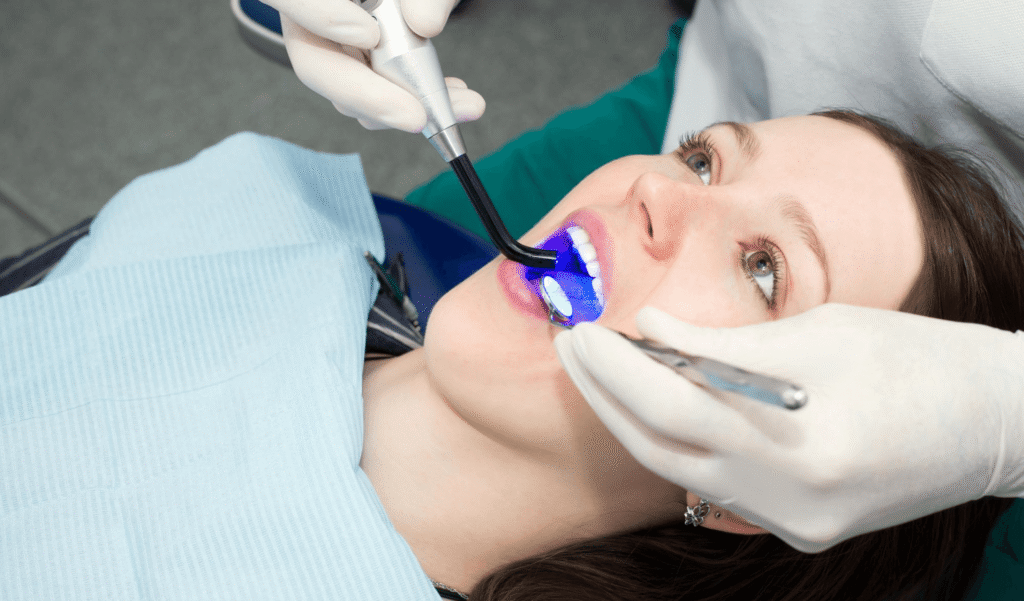
Then the material is cured using a special light source. This stage completes the filling procedure and secures the shape of the filling.
Local anesthesia is commonly used when necessary as part of the numbing procedure, so the patient experiences a calm, simple procedure without significant discomfort.
Teeth filling composite — Conclusion
A composite dental filling is a modern solution that allows you to restore a tooth with an emphasis on its appearance. Composite fillings are suitable for a wide range of clinical situations and provide predictable results when performed accurately and professionally. With proper care and when fillings are well taken care of, these restorations are long-lasting and maintain stability in everyday life.
At Dynasty Stomatology, we pay close attention to every stage of composite filling treatment to ensure the result is aesthetically pleasing and comfortable for the patient. Our team selects solutions individually, taking into account the clinical situation and the long-term health of the teeth.
Frequently Asked Questions about the composite filling procedure
-
The cost depends on the size of the defect, the tooth’s location, and the complexity of the procedure. The cost of composite fillings is usually higher than simpler options, as the material is applied layer by layer and requires precise dentistry. At Dynasty Stomatology, the Price for teeth filling can range from 350 PLN to 650 PLN. We always discuss the cost in advance, so patients clearly know about composite fillings and understand whether insurance can cover the cost of composite treatment.
-
Composite filling works by bonding the material directly inside the tooth structure. During treatment, the dentist cleans the affected area and prepares the filling of the teeth carefully. The composite is then applied in layers, a process known as placing the filling, and cured with light.
This method allows the dentist to fill a tooth accurately while preserving healthy tissue. Because the materials used bond directly to enamel and dentin, the restoration feels natural in everyday use. -
With proper care, fillings are made to last for many years. The durability depends on chewing pressure, daily habits, and oral hygiene. Patients who maintain good dental routines often enjoy several years out of a composite restoration.
Regular check-ups help ensure long-term dental health and allow for small adjustments if needed. -
You can usually eat shortly after treatment, once the numbness has worn off. Unlike some materials, composite hardens immediately, so there is no long waiting period. Patients often ask whether fillings hurt, but the procedure itself is comfortable due to modern anesthesia.
-
Yes. Composite is an excellent filling type for younger patients. It preserves tooth structure, adapts well inside developing teeth, and matches the natural enamel. This is one reason patients prefer composite over older materials like dental amalgam filling.
-
In many cases, yes. Composite fillings may be repaired if minor damage occurs. Instead of replacing the entire restoration, the dentist can adjust or reinforce the existing material, which is especially useful for fillers for teeth placed in visible areas.
-
Yes, fillings are safe for sensitive teeth and gums. Composite is metal-free and gentle on surrounding tissues. Sealing the damaged area, it often improves comfort across the teeth and mouth.
-
Composite fillings can function as both a short-term and long-term solution. In some cases, ceramic fillings may be recommended later, but many patients keep their composite restoration for years without replacement.
This flexibility is part of the composite fillings benefits and one of the key things patients need to know about composite when getting a composite filling. If maintained well, a composite filling can reliably fill the teeth and restore function for a long time.
Book a consultation and rest assured about your dental health
If you have doubts, discomfort, or simply want to understand which treatment option is right for you, a consultation is the best first step. We’ll listen carefully, conduct a diagnosis, and thoroughly explain all possible solutions without rushing or pressuring you.
At Dynasty Stomatology, we treat every patient with care and attention. Our goal is not just to fix a tooth, but to help you maintain comfort, confidence, and a healthy smile for years to come. We’re here to answer all your questions and find the treatment that’s right for you.