

Dental caries rarely begins with pain. In most cases, it develops silently in its early stages. First, a small spot appears on the tooth, followed by mild sensitivity to sweets or cold. It seems like nothing serious is happening, and the dentist’s visit can be postponed. But at this point, decay has already begun inside the tooth, and it won’t stop on its own.
Dental caries develops gradually, progressing from superficial enamel damage to deep tissue damage. And the longer it’s ignored, the more difficult and expensive the treatment becomes.
Next, we’ll explore how dental caries develops, what symptoms signal the onset of tooth decay, and what treatments can help save teeth even in complex cases.
What Is Tooth Decay?
Tooth decay is a progressive disease that damages the hard tissues of the teeth. It occurs when acids produced by bacteria attack the surface of the teeth. The condition develops over time and can affect different layers of the tooth. If detected early, treatment is simple. If ignored, it can lead to infection, severe pain, and even tooth loss.
5 Methods to Treat Tooth Decay
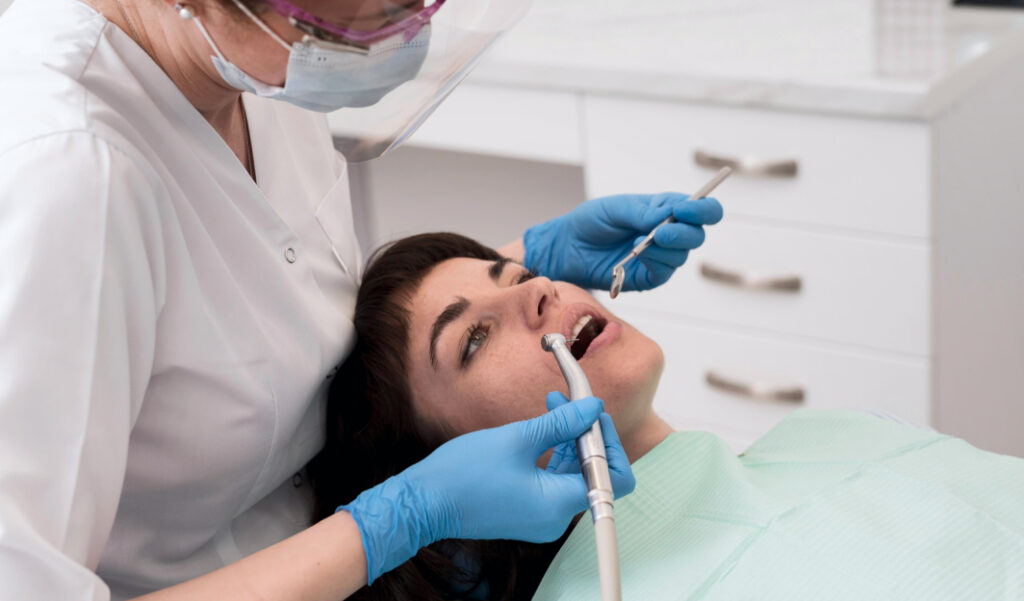
Dentists offer several treatment options for tooth decay depending on the extent of damage.
1. Fluoride Treatment
A fluoride treatment can strengthen enamel and help stop tooth decay when detected early. This method is most effective during the early stages before a cavity has formed. Patients with early tooth decay often benefit from fluoride applications that help protect tooth enamel.
2. Dental Fillings
A dental filling is the most common procedure used to repair damaged teeth. The dentist removes decayed tissue and places a filling material into the cleaned area. This approach restores the tooth and prevents further damage. Many cases of dental cavities can be successfully treated with this method.
3. Dental Crowns
When a large portion of the tooth is damaged, a crown may be required. Crowns are often recommended when the remaining tooth structure is too weak to support a simple restoration. They help protect a damaged tooth and restore normal function.
4. Root Canal Treatment
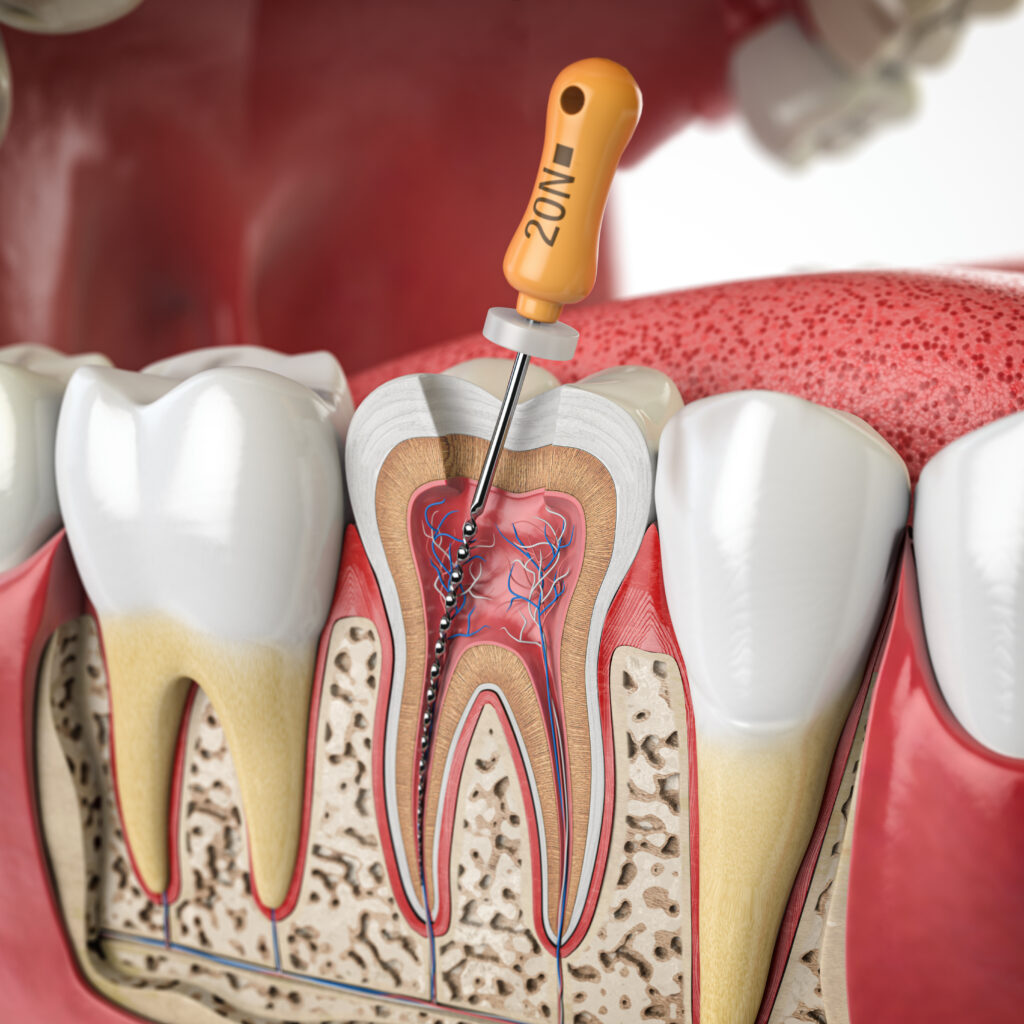
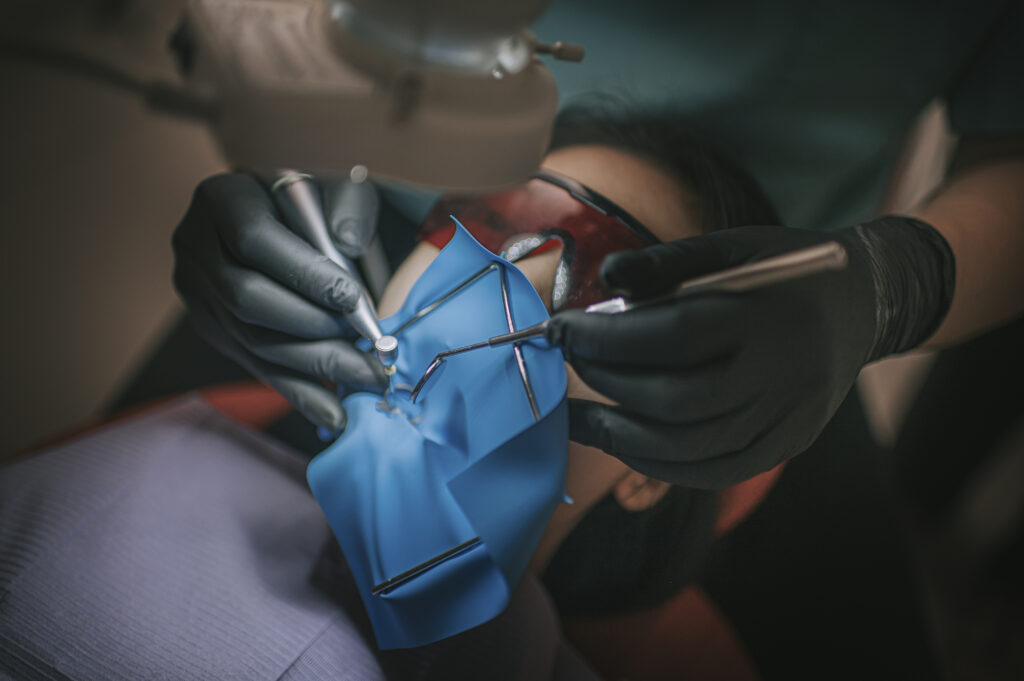
A root canal treatment becomes necessary when decay has reached the pulp. The infected tissue is removed from inside the tooth, the canals are disinfected, and the tooth is sealed. In many situations, the tooth can still be saved despite extensive damage.
5. Tooth Extraction
Sometimes the damage is too extensive to repair. A tooth extraction may be required when tooth decay has reached a point where restoration is impossible. Severely decayed teeth may need removal to prevent infection from spreading. If a patient loses a tooth, replacement options such as implants or bridges can restore function. An untreated infection can ultimately result in tooth loss.
Symptoms of Tooth Decay
Recognizing tooth decay symptoms early can help prevent major dental problems. Common symptoms of tooth decay include:
- Toothache.
- Spontaneous tooth pain.
- Tooth sensitivity.
- Sharp pain when eating or drinking hot, cold, or sweet things (sensitive teeth).
- Pain when biting or chewing.
- Persistent unpleasant taste in the mouth.
- Bad breath.
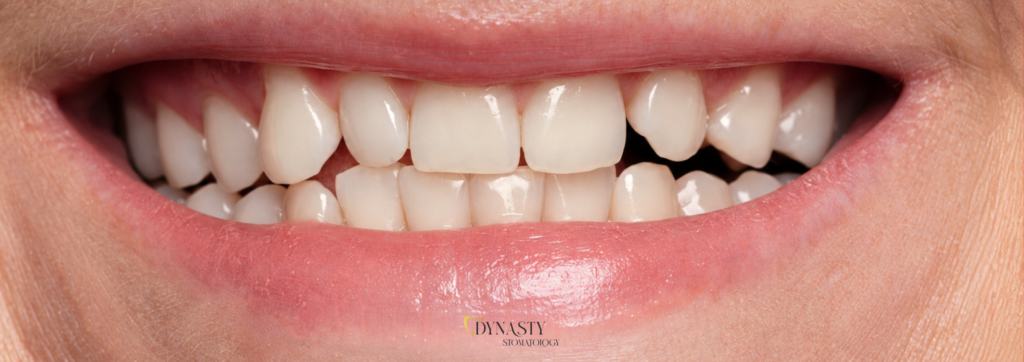
- Visible tooth discoloration.
- Infection in the surrounding gum tissue.
The most common signs of tooth decay are changes in tooth color and increased tooth sensitivity. Many patients first notice white spots on their teeth, which may later become darker. As the disease progresses, you may see spots on your teeth that appear brown or black. Some people experience tooth sensitivity while consuming hot beverages or cold foods. In advanced cases, infection of the teeth and gums may develop and create a dental abscess.
Five Stages of Tooth Decay
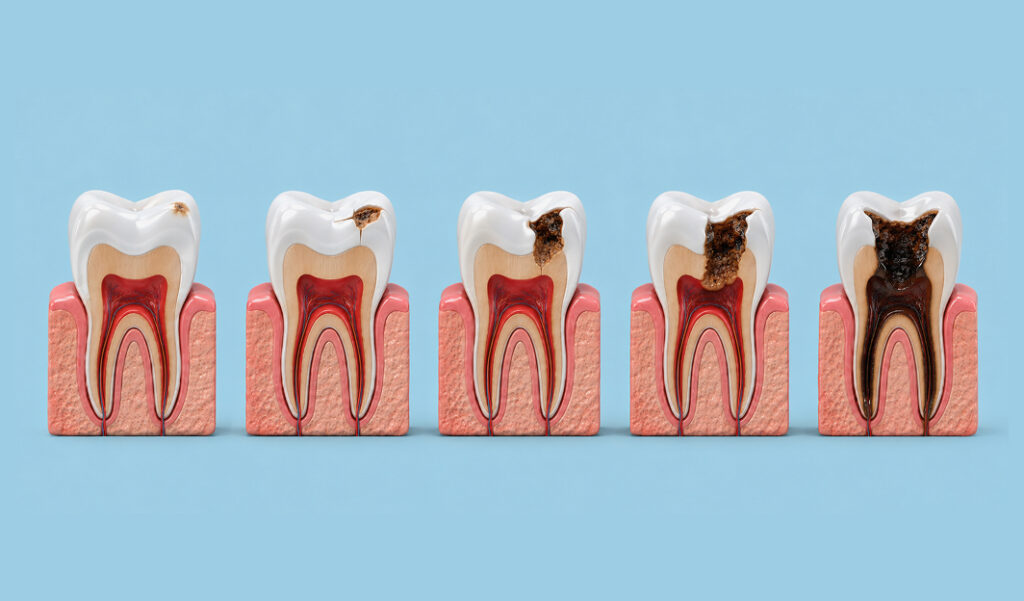
Understanding the five stages of tooth decay helps explain how the disease progresses.
Stage 1: Demineralisation
The first stage of tooth decay begins with demineralization of enamel. Minerals are lost from the surface layer. At this point, tooth decay is reversible if treated promptly. This phase is often identified by early tooth decay signs such as chalky white areas.
Stage 2: Enamel Decay
The second stage occurs when the damage erodes tooth enamel. The enamel begins to break down, and small cavities can form. These are the early stages of tooth decay when intervention is still relatively simple.
Stage 3: Dentin Decay
During this phase, the decay reaches the softer layer beneath the enamel. This stage is called dentin decay. Because dentin is less resistant, decay can spread much faster. The infection enters the tooth beneath the enamel and weakens the overall structure.
Stage 4: Damaged Pulp
When decay reaches the inner chamber, bacteria infect the nerve tissue. At this point, decay has reached the pulp and severe discomfort is common. The tooth pulp contains nerves and blood vessels that provide sensation to the tooth. If decay has reached this area, the infection is inside the living part of the tooth. The pulp of the tooth becomes inflamed and often causes severe pain.
Stage 5: Abscess Formation
In the final stage, tooth decay has reached the deepest tissues, and an abscess develops. The infection may spread beyond the tooth root and affect surrounding tissues. This represents the highest severity of tooth decay and requires urgent treatment.
Causes of Tooth Decay
Several factors contribute to the development of decay. Let’s take a closer look.
Sugary Food and Drinks
One of the main causes of tooth decay is frequent consumption of sugary products. The connection between sugar and tooth decay is well established. Sugar feeds harmful bacteria that produce acids. Certain foods and drinks create an environment in which bacteria thrive. Frequent snacking increases acid attacks and makes teeth more vulnerable.
Poor Oral Hygiene
Failure to maintain proper oral hygiene can significantly increase the risk of tooth decay. Inadequate cleaning allows plaque buildup on teeth. Plaque contains bacteria in the mouth that produce acids. These acids gradually damage the tooth surface.
Dry Mouth
Saliva helps neutralize acids and wash away food particles. A lack of saliva makes a person more prone to tooth decay because harmful bacteria remain active longer.
How to Prevent Tooth Decay
Preventing cavities is always easier than treating them. In most cases, dental problems develop gradually and can be stopped early by following basic care rules.
- Good cleaning habits are essential for preventing dental cavities. You should brush your teeth at least twice daily using fluoride toothpaste. Proper hygiene helps reduce plaque and decay while supporting long-term oral health.
- Antibacterial mouthwash can reduce harmful bacteria and help prevent further decay.
- Limiting sugary snacks can significantly prevent tooth decay. Choosing healthier foods lowers the chance that bacteria will lead to tooth decay.
- Regular dental checkups are one of the most effective preventive measures.
Understanding and Managing Tooth Decay
Dental caries is a disease that shouldn’t be underestimated. In its early stages, it can progress almost unnoticed, but without timely treatment, it gradually destroys tooth tissue and leads to more serious problems. The earlier caries is detected, the easier, faster, and more comfortable its treatment will be.
At Dynasty Stomatology, special attention is paid to early detection of diseases and the preservation of natural teeth, as prevention and timely treatment help maintain a healthy smile for years to come.
FAQ about Causes and Treatment Options for Tooth Decay
-
Tooth decay is caused by acids produced when bacteria feed on sugars left on the teeth. Over time, this process damages the tooth surface and can lead to tooth decay and cavities if left untreated. What often starts as a small area of damage may progress through different tooth decay stages and affect deeper layers of the tooth. The good news is that early detection can make treatment much simpler and more comfortable.
-
In some cases, yes. When decay is caught very early, before permanent damage occurs, it may be possible to stop and even reverse the process through fluoride, dietary changes, and excellent oral hygiene. Early warning signs, such as white spots on your teeth, often indicate mineral loss that can still be repaired naturally. However, once tooth cavities have formed, a filling is usually necessary.
-
Dentists use a combination of visual examinations, digital X-rays, and advanced diagnostic tools to identify dental decay before it becomes a major problem. Early detection is important because symptoms are often mild or completely absent. In some cases, patients may have affected teeth without realizing it. Finding decay early helps avoid more extensive procedures, such as deep cavity treatment or even advanced tooth decay treatment later on.
-
You cannot directly catch tooth decay like a cold or flu. However, the bacteria that cause tooth decay can be transferred between people through saliva, especially among family members. These bacteria alone do not guarantee disease, but they can increase the risk when combined with poor oral hygiene and a sugary diet. This is why maintaining healthy habits is important for everyone in the household.
-
When left untreated, decay continues to spread deeper into the tooth and surrounding tissues. As the damage progresses, tooth decay may cause severe pain, infection, and complications that require more complex treatment. In advanced cases, a patient may experience a lost tooth if restoration is no longer possible. Conditions such as cracked tooth decay can also develop when weakened teeth begin to fracture.
-
The best way to protect your smile is to understand what can cause tooth decay and take steps to reduce those risks. Brushing, flossing, limiting sugary snacks, and attending regular dental checkups all help prevent problems before they start. Healthy daily habits reduce the chance that harmful bacteria will cause tooth damage and create new cavities. By staying proactive, you can keep your teeth healthy and avoid future dental concerns.
Are You Experiencing Symptoms of Tooth Decay? Don’t Delay Treatment
Even minor symptoms such as sensitivity, discoloration, or occasional discomfort can be early signs of tooth decay. The sooner a problem is identified, the more treatment options are available to preserve the natural tooth and avoid more complex procedures.
At Dynasty Stomatology, we focus on early diagnosis, patient comfort, and long-term oral health, helping patients maintain healthy smiles with modern, evidence-based dental care. A proactive approach today can make a significant difference for your dental health in the future.