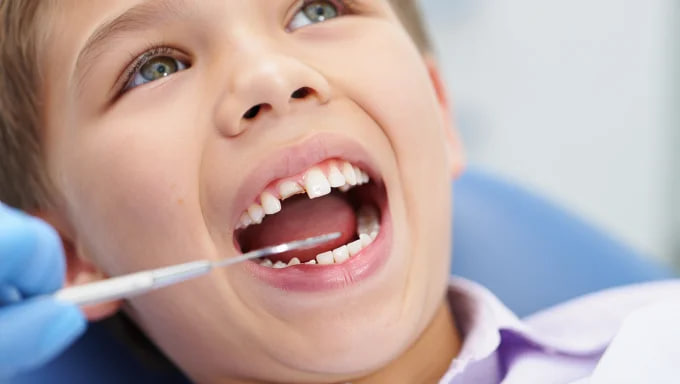

A broken or knocked-out tooth can be a dental emergency that requires immediate attention. Knowing how to act quickly and correctly can significantly increase the chances of saving the tooth and avoiding long-term complications. In this guide, we’ll explore the different types of tooth fractures and what to do if tooth is cracked or has been completely knocked out. What to do after chipping tooth is something everyone should know to prevent further damage and preserve your oral health.
Stages Of A Cracked Tooth
A cracked tooth can develop in several stages, each requiring a specific approach. Recognizing these types early helps determine the right treatment and prevent further damage.
- Craze Lines – Minor cracks in the enamel; usually painless and cosmetic.
- Fractured Cusp – A piece near a filling breaks off; rarely painful.
- Cracked Tooth – A crack extends from the crown toward the root; may cause pain.
- Split Tooth – The tooth splits into segments; often cannot be saved.
- Vertical Root Fractures – Start at the root and extend upward; often diagnosed late.
Causes of Tooth Fractures
Tooth fractures can result from various factors that compromise enamel strength or cause sudden impact. Common causes include:
- Accidents or contact sports that knock or hit the teeth;
- Chewing hard foods or non-food objects;
- Teeth grinding (bruxism), especially at night;
- Poor oral hygiene weakening the tooth structure;
- Biting improperly, especially on weakened or decayed teeth.
These can lead to a broken tooth, fractured tooth, or chipped tooth, requiring prompt attention to prevent permanent damage.
What Are Some Signs and Symptoms of a Broken Tooth?
Recognizing the signs of a broken or chipped tooth early can help prevent complications and preserve your damaged tooth. If you’ve recently broke a tooth while eating or feel discomfort, watch for these common symptoms:
- Sharp pain while chewing or biting;
- Sensitivity to hot or cold;
- Intermittent or lingering pain;
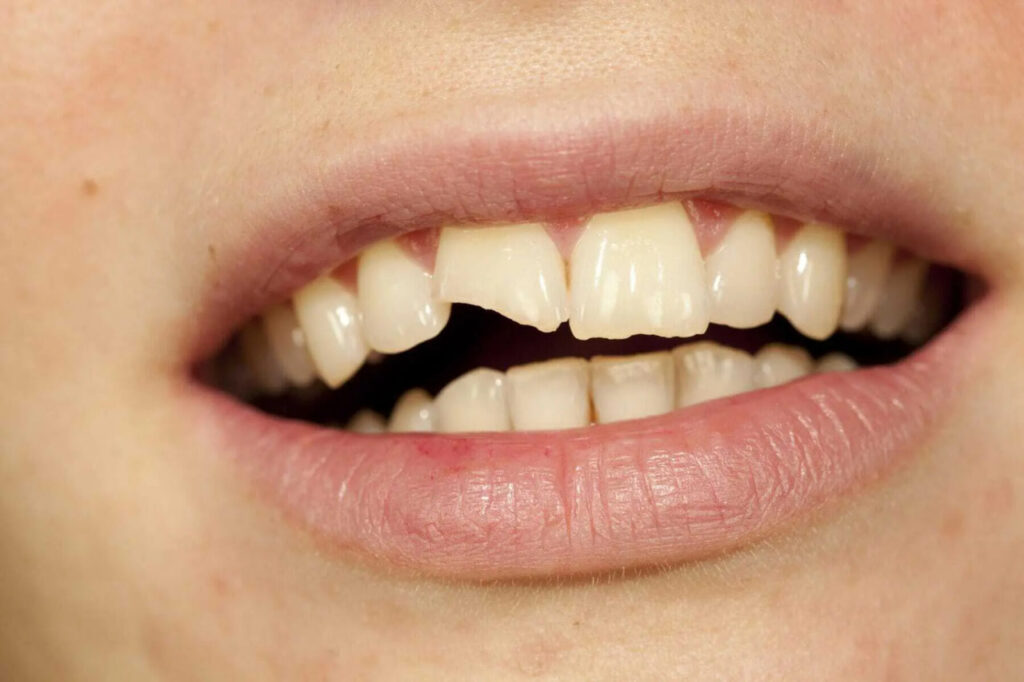
- Visible cracks or chips;
- Tooth discoloration or darkening.
If part of a tooth broke off, see a dentist as soon as possible to start fractured tooth treatment and prevent tooth loss.
Can a Knocked-Out Tooth Be Saved?
Yes, a knocked-out tooth can often be saved if you act quickly. To save a knocked-out tooth, find it immediately, rinse the tooth, and place the tooth back in place or store it in milk or saliva. Seek emergency dental care right away to increase the chance of successful reimplantation and avoid tooth loss.
If you wonder what to do when tooth cracks, the most important action is to visit a dentist promptly.
What to Do with Broken Tooth Until Dentist?
If you broke a tooth in half, chipped a tooth, or your tooth got knocked out, act quickly to increase the chances of saving it. Follow these steps depending on the situation.
If You Cracked or Broke a Tooth now: What to Do:
- Rinse your mouth gently with warm water to clean the area.
- Apply a cold compress on the outside of your cheek to reduce swelling.
- Take over-the-counter pain relievers if there’s discomfort.
- Avoid chewing on the affected side.
- Use topical anaesthetics (if needed) to soothe gum irritation.
- Stay hydrated and elevate your head while sleeping to reduce pressure.
- Contact your emergency dental provider as soon as possible.
What to Do If a Tooth Almost Knocked Out:
- Stay calm and act quickly.
- Find the tooth and pick it up by the crown (top), not the root.
- Gently rinse the tooth with milk or saline (not tap water, soap, or chemicals).
- Do not scrub or wrap the tooth in a tissue or cloth.
- If possible, put the tooth back into its socket immediately and bite gently on a cloth.
- If reinsertion isn’t possible, place the tooth in milk or saliva and seal it in a clean container.
- Bring it with you and see a dentist as soon as possible.
These steps to save a broken or knocked-out tooth are critical for preventing permanent damage and may avoid the need for extraction, denture, or root canal treatment.
What About Baby Teeth?
When a baby tooth is chipped or knocked out, it’s important to act quickly. Gently rinse the area, and if advised by a dentist, try to hold the tooth in place. In some cases, especially with knocked out teeth, it may help to place it in milk before visiting a specialist. In some cases, a dentist may be able to place the baby tooth back into its socket if it’s preserved properly. Timely care helps protect the space around the tooth and supports proper development of front teeth and permanent ones. Don’t delay — even on a weekend.
Injuries That Need Treatment And Those That Don’t
Tooth cracks can be classified as:
- Minor cracks that usually don’t require treatment and can be monitored at home.
- Moderate cracks that need to be seen by a dentist for proper diagnosis and possible repair.
- Severe cracks that require immediate treatment to prevent pain, infection, or tooth loss.
This helps determine the right approach for fractured tooth syndrome and timely care.
Knocked-Out or Broken Tooth Repair Methods at Dynasty Stomatology
We provide effective dental treatment options for fractured or knocked-out teeth, including:
- Dental Bonding — restores minor chips and cracks by applying composite resin.
- Porcelain Veneers — thin shells that cover the front of damaged teeth for aesthetic repair.
- Dental Crowns — full coverage restorations for extensively broken teeth to protect and restore function.
- Onlays/Inlays — partial restorations used when damage is moderate, preserving more natural tooth structure.
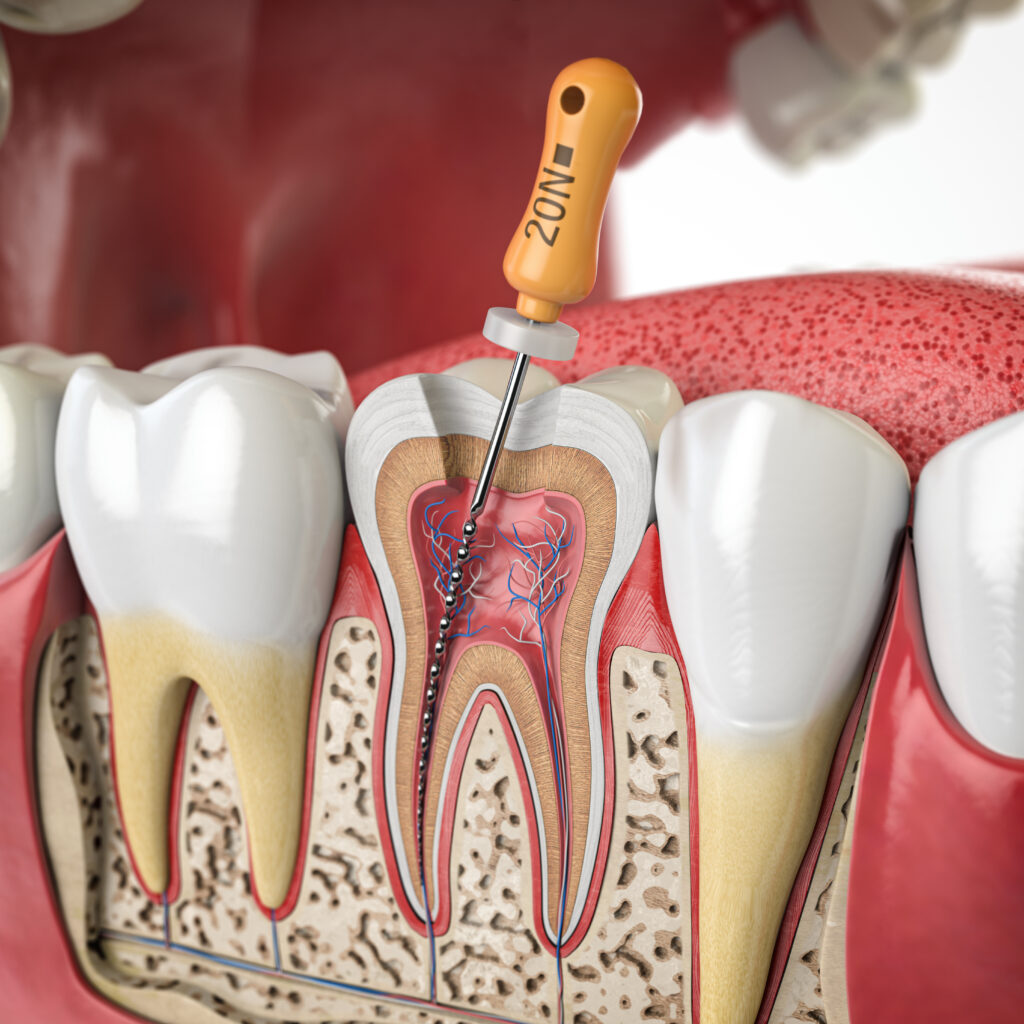
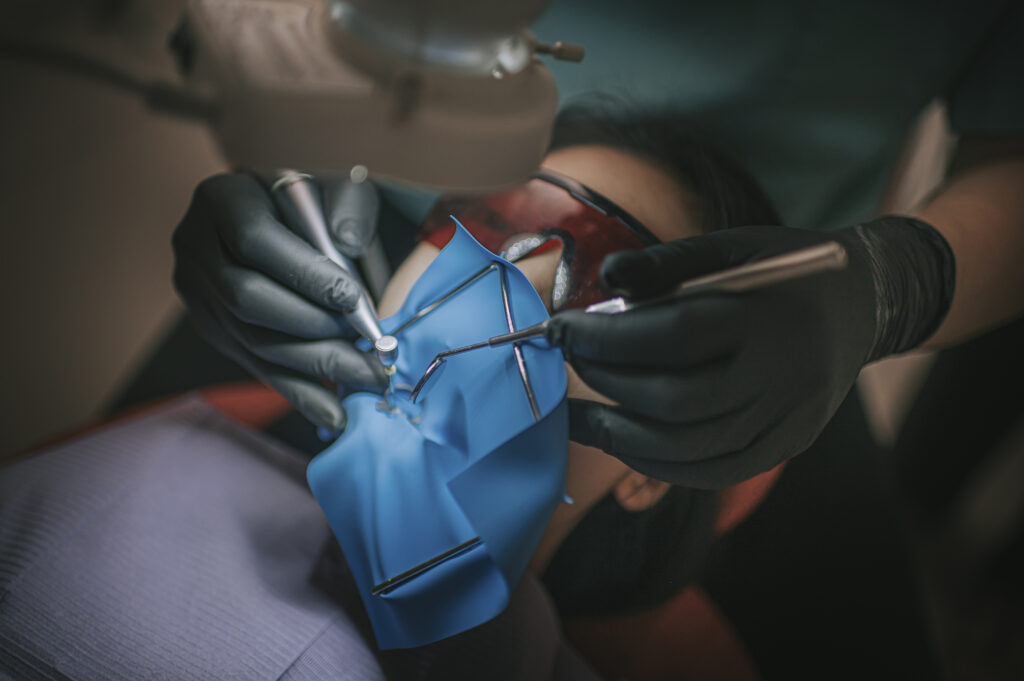
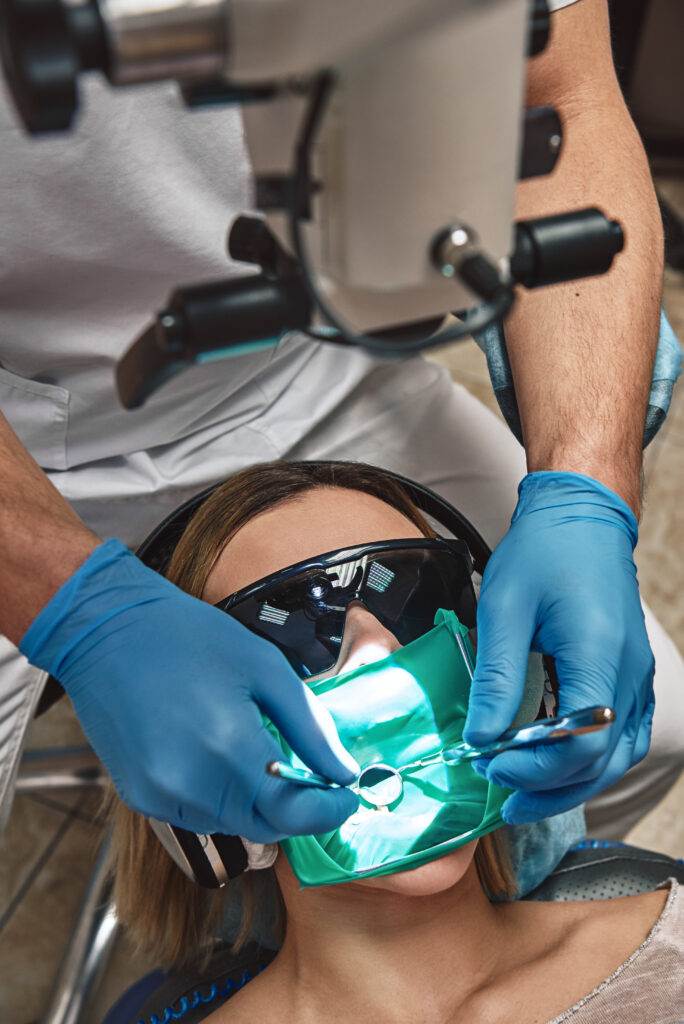
- Root Canal Therapy — treatment for teeth with exposed or infected nerve to relieve pain and save the tooth.
- Dental Bridge — replaces missing teeth by anchoring to adjacent healthy teeth.
- Tooth Extraction and Implant Placement — for severely damaged or non-restorable teeth, extraction followed by implant ensures long-term dental health.
If the tooth is severely damaged and cannot be restored, fractured tooth extraction may be necessary, followed by a comprehensive treatment plan to restore dental function.
Our skilled dentists provide personalized fractured tooth diagnosis and treatment for both children and adults, helping patients know what to do if a tooth cracks or breaks.
How Much Does it Cost to Fix a Chipped or Broken Tooth?
The cost to fix a chipped or broken tooth varies depending on the severity of the damage and the treatment needed. Factors include how to fix broken teeth, whether the tooth can be saved or needs extraction, and if restorative options like crowns or fillings are required. For those wondering “i broke a tooth now what,” a dentist will provide a treatment plan tailored to your specific case to effectively deal with the tooth injury.
If you’re asking “i broke a tooth what do i do,” don’t wait — contact our clinic immediately. Whether your teeth are knocked out of place, chipped, cracked, or broken, timely professional care is essential to stop further damage and preserve your smile. Act quickly to protect your teeth and get the right treatment.
FAQ
-
While you can take initial steps such as avoiding chewing on the affected side and rinsing gently, professional care is essential. Delaying treatment for a cracked tooth may cause the tooth to crumble or become rotten.
-
Ignoring a cracked tooth can lead to worsening pain, infection, or tooth loss. The tooth may become loose or crumble permanently, requiring extraction.
-
Not always. Some cracked teeth cause intermittent toothache, while others may seem painless until damage worsens.
-
Yes, by protecting your teeth during sports, avoiding hard foods, and managing habits like teeth grinding.
-
A knocked-out tooth can survive for a limited time if properly stored, preferably in milk or saliva. It’s crucial to keep the tooth moist and bring it to the dentist as soon as possible.
-
Yes, teeth grinding and stress can weaken teeth, making fractures more likely.
-
A cracked tooth involves a crack extending into the root or pulp, while a fractured cusp is a broken piece of the chewing surface, usually less severe.
-
Knocked-out teeth may be painful or initially asymptomatic, but immediate treatment is necessary to save them.
-
Yes, trauma can cause hidden damage to adjacent teeth or gums.
-
It’s best to avoid chewing on the broken tooth and eat soft foods until treatment.
-
Increasing sensitivity, persistent toothache, or visible changes indicate worsening.
-
Yes, some may have weaker enamel or other risk factors making teeth more vulnerable.
-
Yes, mouthguards significantly reduce the risk of teeth knocked out of place and fractures during physical activity.
-
Ignoring damage can lead to infection, toothache, tooth loss, and permanent damage to adjacent teeth.