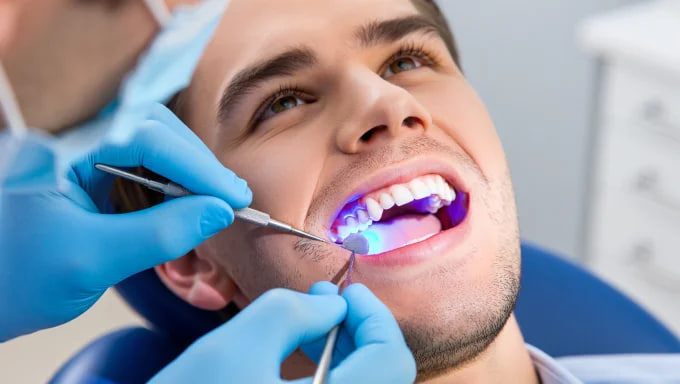

If you’re looking for a simple and effective way to improve the appearance of your smile, tooth bonding might be the perfect solution. This popular composit procedure really offers noticeable benefits for teeth without the need to leave home for complex treatments. Bonding is one of the most accessible cosmetic dental options available today.
Tooth Bonding – What is this?
Tooth bonding is a cosmetic dental procedure that involves applying a tooth-colored composite resin to improve the appearance of your teeth. This versatile treatment can address a range of minor dental issues — such as chipped or cracked teeth, discoloration, or small gaps between teeth — by restoring shape, color, and function. Cosmetic dental bonding is often chosen for its affordability, speed, and ability to enhance your smile with minimal preparation. Whether you’re looking to fix a single bonding area or multiple teeth, composite bonding offers a conservative, effective way to improve your smile and maintain healthy teeth.
Advantages of Tooth Bonding
Tooth bonding is a quick and cost-effective cosmetic dental procedure that offers several benefits for improving the appearance of your teeth:
- No anesthesia required – The dental bonding procedure is painless and minimally invasive.
- One-visit treatment – Cosmetic bonding teeth can usually be done in a single dental appointment.
- Personalized result – Composite bonding allows customization of shape and color to match your natural teeth.
- Instant smile improvement – Ideal for patients seeking fast aesthetic results.
- Affordable – The cost of dental bonding is lower compared to veneers or full crowns.
Disadvantages of Dental Bonding
While bonding for teeth offers aesthetic benefits, it also has some limitations. This cosmetic procedure has lower durability compared to other restorations, is more prone to discoloration over time, and the final result often depends on the dentist bonding teeth and their experience with the bonding process.
Dental Bonding – Indications
Dental bonding is used to improve the appearance of teeth in cases that do not require extensive restoration. This cosmetic procedure is ideal for:
- Masking minor enamel flaws;
- Reducing visible discoloration;
- Closing small gaps between teeth;
- Adjusting the shape of front teeth;
- Offering temporary enhancement before prosthetics.
Tooth Bonding Contraindications
Dental bonding is usually not recommended for patients with active decay, periodontal disease, or poor oral hygiene. It’s also unsuitable for those who grind their teeth, as this can damage the composite bonding teeth material. In such cases, other cosmetic dental solutions may be more appropriate.
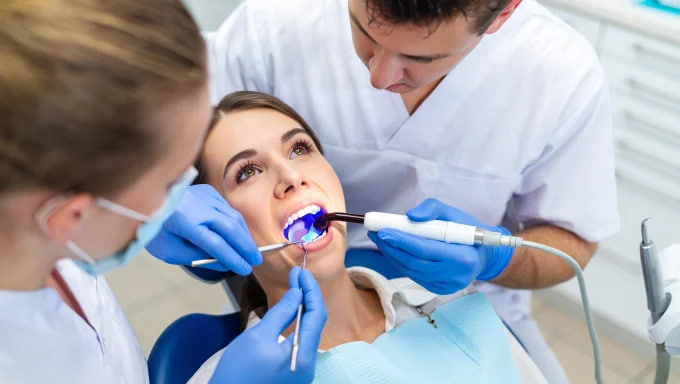
Tooth Bonding Procedure – Step-by-Step Details
What is dental bonding? It’s a quick and minimally invasive cosmetic dental procedure used to restore or enhance the appearance of teeth. This affordable solution helps change the shape, fill in gaps between teeth, and improve the color of your teeth with composite binding.
Here’s how a standard composite tooth bonding session unfolds:
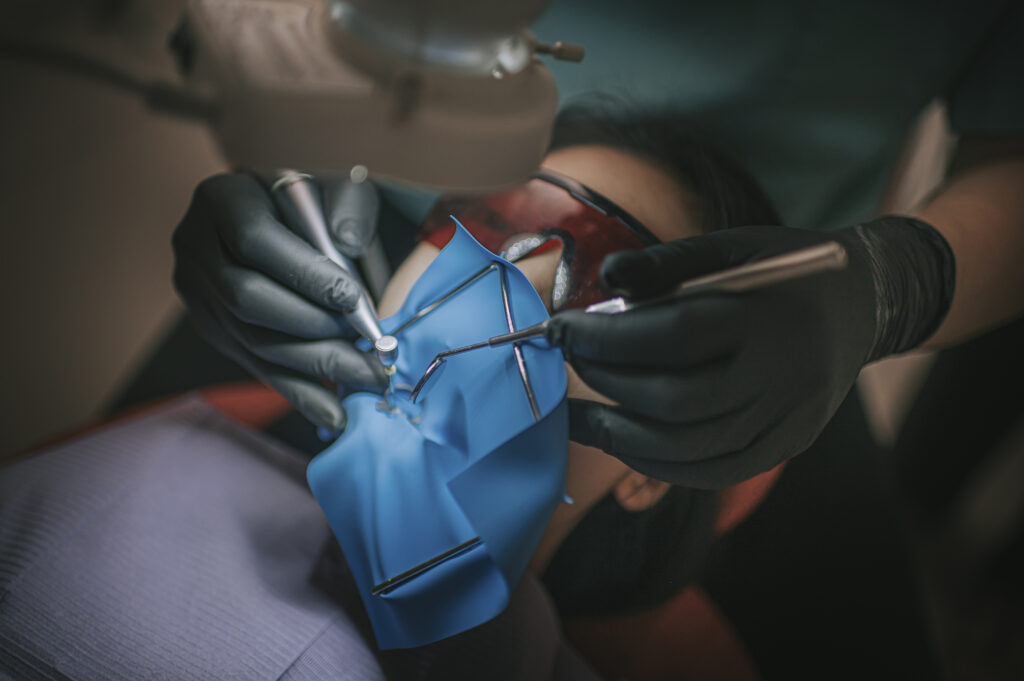
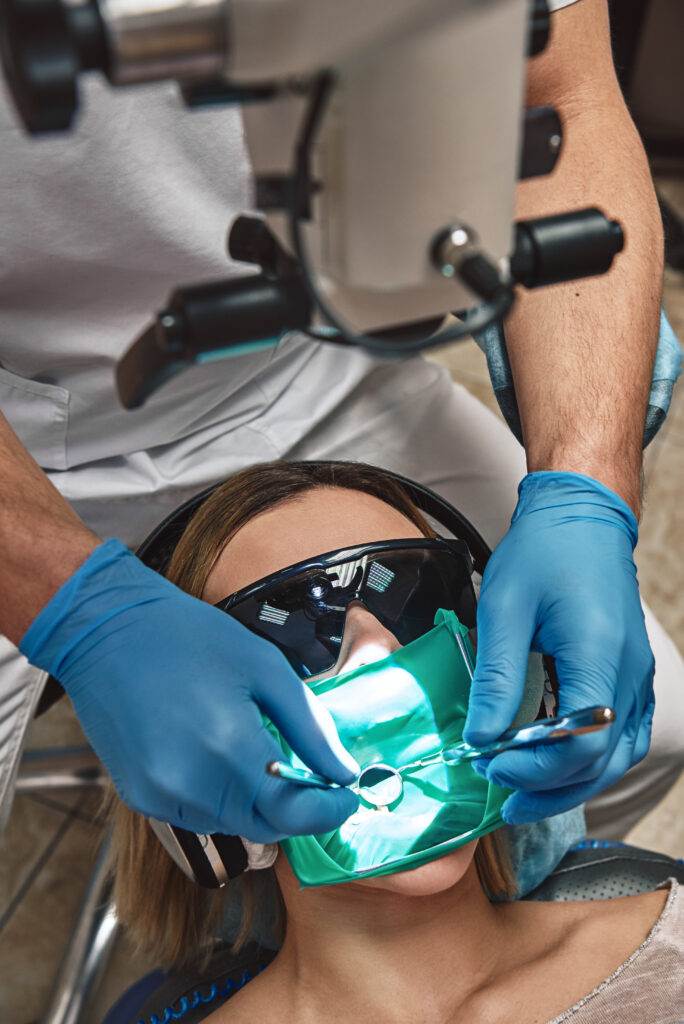
- Initial Assessment. Your dentist or dental hygienist performs an oral health check to ensure your teeth and gums are in good condition and that dental bonding may be safely performed.
- Tooth Preparation. The surface of your teeth is cleaned and etched to ensure better adhesion of the bonding material. This step helps improve the longevity of the composite bonding teeth result.
- Application of Resin. A tooth-colored resin material, also known as bonding resin, is selected to match the color of your natural teeth. This composite dental bonding is applied to the treated tooth.
- Shaping and Sculpting. The dentist shapes the resin to restore or change the shape of the tooth. Whether you’re addressing chipped enamel, closing gaps, or improving alignment, cosmetic tooth bonding can help.
- Curing with Light. A curing light is used to harden the composite tooth bonding. This ensures that the bonding work is secure and durable.
- Polishing and Finishing. The bonded tooth is smoothed and polished to blend seamlessly with the color of your teeth, delivering natural-looking results.
The full bonding procedure typically takes about 30 to 60 minutes per tooth and is usually completed in a single visit. Dental bonding can improve your smile without the need for anesthesia or invasive dental implants.
How Long Does Tooth Bonding Last?
Tooth bonding typically lasts 3 to 10 years, depending on composite bonding aftercare, the number of teeth involved, and overall dental care. To extend how long bonding lasts, avoid hard foods, maintain healthy gums and teeth, and go to the dentist regularly.
How Much Does Tooth Bonding Cost?
The average cost of tooth bonding varies based on the number of teeth to be bonded, the complexity of the procedure, and the dental bonding materials used. Bonding prices are generally lower than those for veneers or crowns, making it an affordable option to enhance the color of the teeth and improve your smile. The cost of tooth bonding can also be influenced by factors like whether it’s your first bonding, if a molar is bonded, and dental insurance plans coverage. Overall, bonding teeth cost offers great benefits for teeth and is a popular choice in modern dentistry for quick, effective dental work.
Tooth Bonding at Dynasty Stomatology
Experience high-quality tooth bonding at Dynasty Stomatology, where our expert dental assistants ensure a comfortable and effective procedure. Whether you need a molar bonded or want to enhance your smile with teeth whitening, bonding can be used to improve the color of your teeth and restore a natural look. We offer competitive composite bonding cost options tailored to your needs, providing lasting benefits for teeth and a confident smile on your face.
FAQ
-
Yes, dental bonding really can be applied to molars, although the procedure may vary due to the tooth’s function and wear.
-
You can typically rebond a tooth multiple times to maintain the benefits of teeth appearance and function.
-
Yes, bonding is often recommended for young patients to fix minor dental imperfections safely.
-
Bonded teeth do not whiten with regular teeth whitening treatments, so care is needed to prevent discoloration.
-
Avoid habits that can damage bonding material, such as biting nails or chewing hard objects.
-
Yes, bonding can be combined with other procedures to enhance overall dental aesthetics.
-
Coverage varies, so check with your provider about policies regarding dental bonding really as a cosmetic treatment.
-
Most patients report bonded teeth feel natural, with no significant difference in texture or comfort.
-
Regular dental visits help maintain bonding and ensure the ongoing benefits of teeth health.
-
Allergic reactions are rare but possible; inform your dentist about any known sensitivities.
-
Yes, bonding is effective for repairing minor chips caused by these habits.
-
Consult your dentist to evaluate if dental bonding really suits your dental needs and desired results.