



Bruxism is a condition where children or adults unconsciously grind their teeth at night. The occurrence of bruxism takes place mostly in your sleep (nocturnal bruxism) but there are instances where it can happen when you're awake. Untreated bruxism can lead to serious health issues and in such cases, you must consult a specialist at the earliest.


Treatment Plan to protect your teeth
Dental Education and Behavioral Therapy

Progress Monitoring
Bruxism Treatment in Krakow - Effective Methods and Diagnostics
Dynasty Stomatology ensures you get personalized treatment for bruxism for treatment at their Krakow dental center. The professionals and friendly staff ensure you receive the care, comfort and optimal treatment you deserve. Our aim is to provide you an extensive range of top-quality services at our center in a safe environment. Our clinic is equipped with modern equipment, and we use the latest advanced technologies to treat our patients.
If you or someone suffers from bruxism, feel free to drop in at our clinic for a detailed consultation with our team of skilled specialists.
Price: Bruxism Treatment
-
Orthodontic consultation
300 PLN -
3D scan (one jaw)
200 PLN -
Tomography of 1 jaw
250 PLN -
Tomography of 2 jaws
350 PLN
How the Dynasty Stomatology dental clinic's loyalty program works
Learn more about the loyalty program
Step 01
Visit the clinic and scan the QR code at the reception desk
Step 02
Register online — enter your details
Step 03
Receive and accumulate points after each visit
Do you want to get rid of discomfort and tension?
Make an appointment!
By clicking the button, you give your agreet your personal data in accordance with privacy policy.
Frequently asked questions about bruxism treatment
-
The causes of bruxism are stress, sleep disorders, jaw-teeth misalignment, or specific medications for the treatment of certain health issues.
-
Bruxism can usually be controlled well and its symptoms reduced, but a complete cure is not always possible because it depends on the cause, often stress, sleep problems or bite issues. The most common treatment is a custom occlusal splint worn at night, which protects the teeth from wear. It is combined with stress reduction, physiotherapy and, if needed, correction of the bite or restorations. The doctor sets the plan after examining the teeth and jaw joints.
-
Untreated bruxism leads to serious problems like permanent tooth damage, TMJ dysfunction, dental caries, and associated dental health problems.
-
Involuntary teeth grinding and the clenching of jaw are the primary symptoms of bruxism. Associated symptoms are jaw pain and TMJ disorders.
-
Treatment is usually based on a custom relaxation splint worn at night, which protects the enamel and relieves the jaw muscles and joints. Depending on the cause, it is combined with physiotherapy, stress management, psychotherapy or medication. In selected cases the doctor uses botulinum toxin injections, which reduce chewing muscle tension and work relatively quickly. The plan is set after an examination of the teeth, bite and jaw joints.
-
There is no single "best" medicine for bruxism, as treatment depends on the underlying cause. Muscle relaxants (such as cyclobenzaprine) taken short-term at bedtime can help reduce jaw clenching, and in some cases, Botox injections into the jaw muscles provide effective relief. However, the most common and recommended first-line treatment is a custom-made occlusal splint (night guard), which protects your teeth and reduces muscle strain. We encourage you to schedule a consultation at our clinic so we can evaluate your specific situation and recommend the most effective treatment plan for you.
-
The duration of bruxism treatment depends on the symptoms, dental condition, and the chosen method. A splint may be manufactured after diagnosis and correction, but additional visits may be required to reduce muscle tension or restore damaged teeth. The doctor will create a customized schedule and monitor changes in symptoms.
-
In most cases yes: the splint is worn at night, since grinding and clenching most often happen during sleep, but the exact schedule is set by the dentist. Some patients need it long term, while for others the recommendations change after a follow-up examination. Clean the splint after each use, keep it in its case, and come for an adjustment if it no longer fits well.
-
Botulinum toxin can reduce excessive tension in some chewing muscles, but it is not a solution for everyone who suffers from bruxism. This procedure alone does not protect worn teeth and does not replace a bite diagnosis. A doctor will determine the need, dosage, and any combination of the procedure with splinting or physical therapy after an examination.
-
The most effective way to stop nighttime teeth grinding (bruxism) is by wearing a custom-fitted night guard, which your dentist can make specifically for your teeth to protect them while you sleep. Reducing stress, limiting caffeine and alcohol before bed, and avoiding chewing on non-food items like pens can also help. If you notice jaw pain, headaches, or worn-down teeth, we recommend scheduling a consultation so we can assess the cause and find the best solution for you.
Specialists who treat bruxism
View all doctors
Anastasiia Danyliuk
Dentist
Focuses not only on treatment effectiveness but also on patient comfort. Her main goal is to provide long-term results without the need for repeate...

Yuliia Rudzynska
Dentist
Helps children not only maintain healthy teeth but also develop a positive attitude toward dentistry, ensuring fear-free visits.

Yana Tereshchenko
Dentist
Cares about both the health and the aesthetic and functional aspects of her patients’ teeth, helping preserve a natural, beautiful smile for years.
Reviews of bruxism treatment in Krakow

Do you have questions about your dental health?
Book a consultation at Dynasty Stomatology and get recommendations on the next steps based on your individual situation.
Expert articles on the topic
View all blog-
27.11.2026
5
9 min. read
Do Veneers Damage Teeth? Facts, Myths, and Safe Decisions
Do Veneers Damage Teeth? Properly planned and placed veneers can improve the appearance of a smile while minimizing intervention in the natural tooth structure. However, it should be remembered that placing them may require the irreversible removal of a thin layer of enamel. Veneers are primarily used to improve the appearance of teeth, not to […]
Read more -
26.11.2026
4
8 min. read
Teeth Shaving for Veneers – When Is It Necessary?
Is teeth shaving necessary before getting veneers? Teeth shaving for veneers is not always necessary. The extent of tooth preparation depends on the condition of the teeth, the type of veneers planned, bite alignment, and the desired aesthetic result. Preparation involves properly conditioning the tooth surface for veneer placement. In many cases, minimal enamel reduction […]
Read more -
25.11.2026
4
8 min. read
Tooth Discoloration – What Causes It and How Can It Be Safely Removed?
Some discoloration is superficial and can be removed during professional dental cleaning. Changes affecting the enamel structure or deeper tooth tissues, however, require appropriate diagnosis and an individually selected treatment method before any whitening is considered. What Is Tooth Discoloration and When Does It Require a Dental Consultation? Tooth discoloration is a change in the […]
Read more -

24.11.2026
4
8 min. read
Pain Under a Crown or Filling – Possible Causes and When to See a Dentist
Tooth Pain Under a Crown or Filling – What Could Be Causing It? Tooth pain under a dental crown or filling may result from tooth decay, inflammation of the dental pulp, changes in the tissues surrounding the root, or an improperly fitted restoration. Both crowns and fillings restore the function and appearance of a tooth, […]
Read more -
23.11.2026
3
8 min. read
Toothache at Night – Why Does It Get Worse and How Can You Relieve the Pain Until Morning?
Nighttime toothache is not a separate medical condition, but it may be a symptom of tooth decay, pulp inflammation, or an infection in the tissues surrounding the tooth. Discomfort often becomes more noticeable when lying down; however, determining its cause requires proper dental diagnostics. Why Does Toothache Get Worse at Night? Increased tooth pain during […]
Read more -
10.11.2026
8
9 min. read
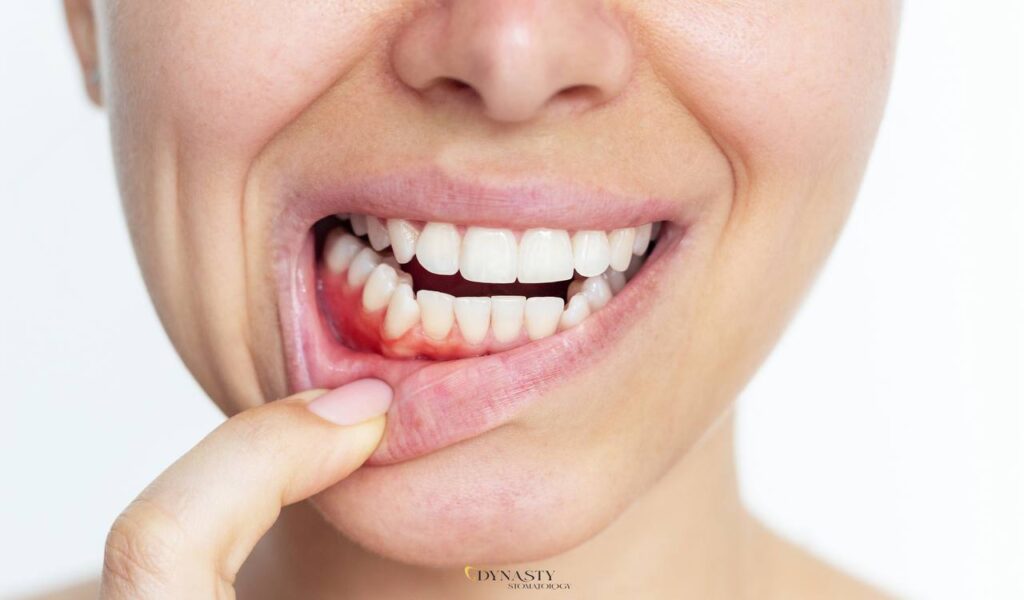
Swollen Gums – Causes, Diagnosis, and Treatment Options
Swollen gums may result from irritation or inflammation, but they can also indicate problems related to a specific tooth, the presence of an abscess, or the eruption of a wisdom tooth. However, the appearance of the gums alone does not allow the cause of the problem to be determined conclusively. A dental examination is necessary […]
Read more


Bruxism treatment in Krakow – what does it include?
Treatment of bruxism begins with gnathologist consultations. During the examination, the doctor checks the condition of the teeth, chewing muscles, and temporomandibular joints. The goal is to minimize the consequences of clenching or grinding teeth: protect enamel, reduce jaw tension and relieve pain.
What is bruxism?
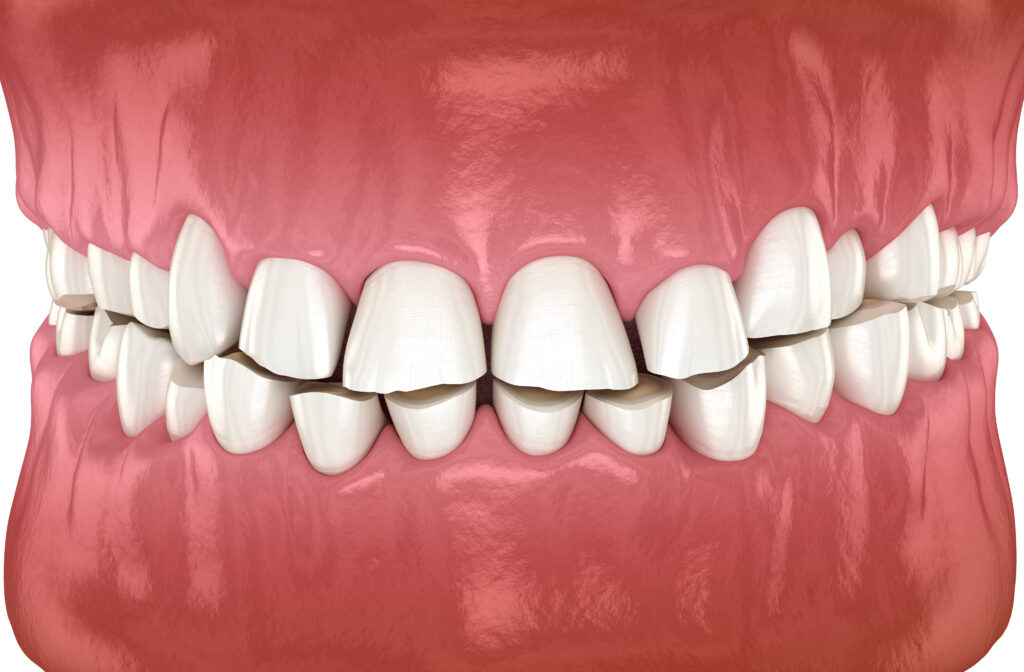
Bruxism is the involuntary clenching or grinding of the teeth. It often occurs during sleep, but many people also clench their jaws while working at a computer, in traffic, or during stressful conversations. Symptoms alone are not sufficient for diagnosis.
Why shouldn’t you delay treatment?
Long-term excessive strain can lead to enamel wear, damaged fillings, and tooth fractures. It also puts strain on the muscles and temporomandibular joints. A preliminary consultation can help prevent damage before extensive reconstruction is required.
Symptoms and causes of bruxism
Bruxism doesn’t always cause noticeable teeth grinding at night. Sometimes the first sign is abrasion of the edge of an incisor, a broken filling, or a feeling of morning jaw fatigue. The patient notices the symptoms, and a gnathologist will examine them to find traces of them on the teeth and in the masticatory system.
How to recognize the symptoms of bruxism?
Typical symptoms include morning headaches, jaw tension, facial and neck pain, or tooth sensitivity. You may hear clicking or cracking sounds in your joints when opening your mouth. Your partner may hear teeth grinding at night, but the absence of grinding does not rule out bruxism.
In the doctor’s office, the smoothness of the tooth surface, the presence of cracks in the enamel, and muscle tension are assessed, among other things. For example, a patient complaining of “normal” temple pain may not realize that she’s been clenching her teeth all day while working on a laptop.
What can cause bruxism?
Most often, several factors contribute to this: chronic stress, emotional tension, poor sleep, sleep-disordered breathing, muscle tension, or bite problems. Identifying any single cause is inappropriate.
Discussing your sleep, work, pain, and daily habits will help your dentist decide whether dental protection is sufficient or whether physical therapy, orthodontic consultation, or other specialist support is also needed.
Bruxism Treatment Methods – Which Option Does Your Dentist Choose?
Bruxism treatment is aimed at reducing tension and preventing further tooth damage. In practice, dentists often combine several methods: relaxation splints, muscle tension therapy, and bite control. Not every method is suitable for every patient.
| Method | The main goal | When is it used? | Restrictions |
| Relaxation splint | Tooth protection and pressure distribution | Teeth grinding, nighttime jaw clenching, muscle tension | Requires individual configuration and control. |
| Dental physiotherapy | Relaxation of muscles and improvement of jaw function. | Muscle pain, limited mouth opening, tension in the neck. | Regular work and recommendations from a therapist are required. |
| Botulinum toxin | Limiting excessive activity of individual muscles | Markedly hypertrophied or constantly tense chewing muscles | The effect is temporary and requires medical examination. |
| Orthodontic treatment or dental restoration | Correction of individual occlusal problems. | When the examination confirms these indications | This is not an automatic solution in every case. |
Relaxation splint for bruxism
A relaxation splint is custom-made based on an intraoral scan or impression. It typically resembles a clear aligner and is worn as directed by the dentist, often overnight. It doesn’t “cure stress,” but it creates a protective barrier between the teeth and helps manage tension.
Pre-made aligners purchased without an examination are not a custom-made splint for a specific bite. An aligner that is too tight, too loose, or improperly designed can cause discomfort, require repeat visits, and possibly adjustments.
Botulinum toxin and supportive therapy
Botulinum toxin may be beneficial in cases of excessive muscle tension in the masticatory muscles, significantly increasing the load on the masticatory system. The doctor injects the drug into specific muscles after a medical examination. The effect is not permanent, and contraindications and possible side effects should be discussed prior to the procedure.
Exercises recommended by a physical therapist, working on jaw position at rest, and improving sleep hygiene may also be helpful. If the examination reveals a malocclusion requiring correction, the dentist may refer the patient to an orthodontist.
Bruxism Diagnosis: Which Doctor Should I See?
If you suspect bruxism, it’s best to first schedule an appointment with your dentist. They will evaluate the condition of your teeth, bite, chewing muscles, and temporomandibular joints (TMJs), which are the connections between the jaw and skull that function during speaking and biting.
At Dynasty Stomatology in Krakow, diagnostics may include a clinical examination and, if necessary, digital imaging. If symptoms require more extensive treatment, the dentist collaborates with a physiotherapist, orthodontist, or sleep specialist.
How does a consultation about bruxism proceed?
The first visit usually consists of several stages:
- The doctor asks about pain, sleep, stress, teeth grinding and previous treatments.
- Assesses tooth wear, the presence of fillings, bite and jaw mobility.
- Examines the facial muscles and joints for pain or tension.
- Discusses the results and suggests specific next steps.
Before your visit, it’s worth noting when the pain is most severe and whether it occurs after waking up, chewing, or working for a long time at a computer screen.
How to maintain bruxism treatment in everyday life?
Daily habits don’t replace diagnosis, but they can significantly help in treating bruxism. Monitor your resting position throughout the day: your lips can be pursed, but your teeth shouldn’t constantly touch. A simple reminder saved on your phone can help you notice automatic clenching.
Maintain a regular sleep schedule and spend quiet evenings, especially if stress levels increase towards the end of the day. Use the splint strictly according to your dentist’s recommendations, do not adjust it yourself, and keep regular checkups. If you experience pain, a cracked tooth, or limited mouth opening, consult your dentist as soon as possible.
The most sensible next step would be online consultation with a dentist. This will help determine whether you need a splint, muscle therapy, malocclusion treatment, or a combination of these.