
Dental erosion is a growing concern in modern dentistry, affecting patients of all ages. Often developing gradually, it can go unnoticed until visible changes or discomfort occur, making early awareness essential. Understanding its causes, risk factors, and prevention strategies empowers you to protect your smile and maintain strong, healthy teeth for years to come.
What is dental erosion?
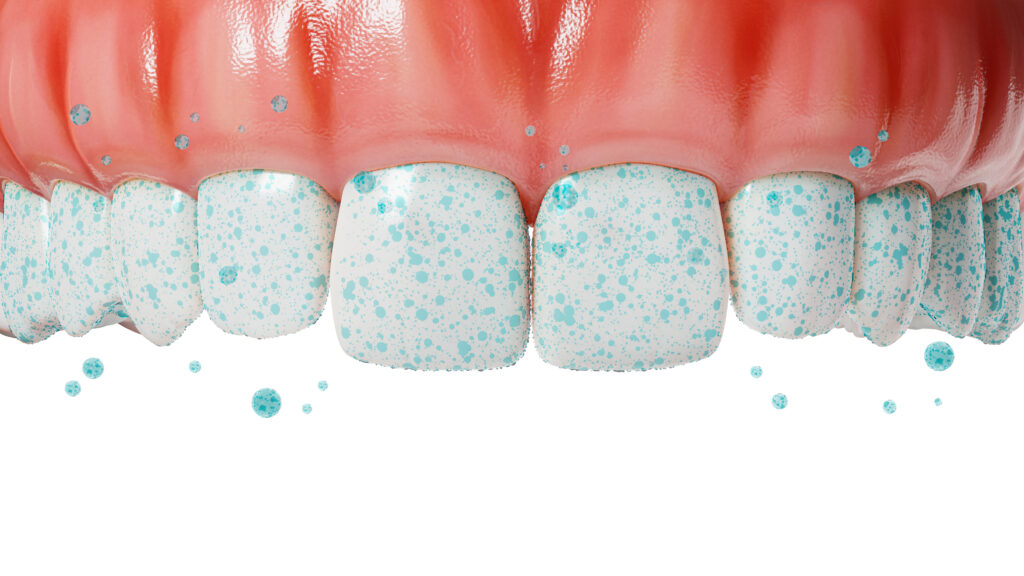
Dental erosion is the progressive loss of tooth enamel caused by chemical processes, primarily the action of acids not involving bacterial activity. Unlike decay, which is driven by plaque bacteria, erosion occurs when acids from food, drinks, or the stomach soften and wear away the enamel surface. Over time, this can lead to tooth sensitivity, changes in shape or color, and increased vulnerability to damage.
Interesting erosion facts! What is enamel teeth and why it is vital for oral health? Enamel teeth is the hard, protective outer layer of your teeth that shields them from decay and damage. It is vital for oral health because it helps prevent tooth erosion and sensitivity.
What are the symptoms and complications of dental erosion?
Dental erosion can gradually weaken the enamel on teeth, leading to noticeable changes in both appearance and function. Over time, the effects of dental erosion may progress, and the following symptoms of dental erosion can develop:
- become discoloured;
- become sensitive to heat and cold;
- look shorter, due to wearing away;
- chip or break more easily;
- have sharp edges.
If you notice these signs of enamel loss or other symptoms of dental erosion, it’s important not to delay visiting your dentist. Without timely evaluation and treatment of tooth erosion, the tooth structure will continue to weaken, making enamel erosion treatment more complex and your dental health harder to restore.
What Causes Dental Erosion?
Dental erosion happens in two main steps:
- Contact with acid starts to weaken and soften the enamel on your teeth, making it more vulnerable to wear.
- The softened tooth surface is gradually worn away during eating and chewing, leading to tooth enamel erosion over time.
There are both external and internal sources of acid that can cause dental erosion and increase the risk of erosion:
External sources:
- fruit juices;
- soft drinks (including sugar-free);
- sports and energy drinks;
- citrus fruits (lemon, orange, grapefruit);
- vinegar;
- foods with additives such as citric acid, sodium citrate, or phosphoric acid;
- alcohol.
Internal sources:
- excessive vomiting, which can result from conditions such as bulimia nervosa;
- gastric reflux from gastro-oesophageal reflux disease (GORD);
- reduced saliva production.
These factors can lead to weakened enamel, erosion of tooth enamel, and loss of tooth structure, which compromise oral health and may require professional tooth erosion treatment or enamel teeth repair. Understanding what causes enamel loss can help you take preventive measures and protect the surface of your teeth from further acid erosion teeth damage.
What Are the Complications of Tooth Erosion?
If left untreated, tooth erosion can lead to a variety of long-term dental problems that affect both the function and appearance of your smile. As enamel is worn away, the underlying dentine becomes more exposed, increasing sensitivity and the risk of erosion-related damage.
Common complications of tooth erosion include:
- Yellow or stained teeth.
- Tooth decay.
- Rough or jagged edges on your teeth.
- Broken or cracked teeth.
Teeth from erosion can become weakened and more prone to damage.
When Should I See My Dentist?
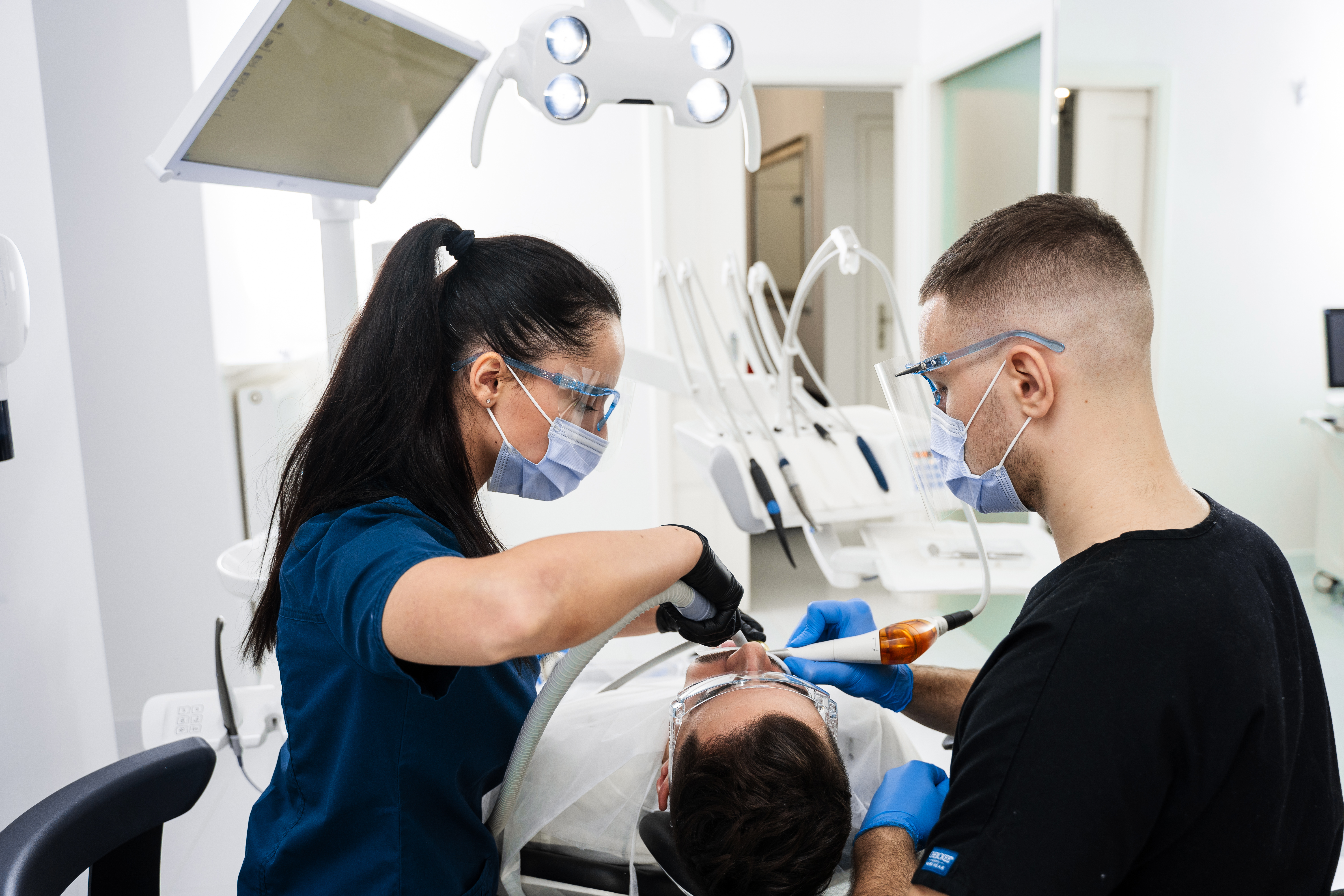
You should schedule a dental appointment as soon as you notice signs of dental erosion, such as sensitivity, discoloration, or changes in tooth shape. Early intervention allows your dentist to address damaged enamel, prevent tooth surface loss, and recommend effective enamel treatment options. In many cases, regular dental checkups can help stop the progression of enamel wearing away and protect the dentine of teeth from further harm.
If you are losing enamel on teeth or have worn tooth enamel due to acidic foods and drinks, acid reflux, or other factors that cause erosion, timely care is crucial. Your dentist can suggest ways to strengthen your enamel, offer guidance on how to fix enamel erosion, and create a plan to prevent dental erosion in the future — helping you protect your teeth and gums and avoid more serious dental problems.

How Is Dental Erosion Treated?
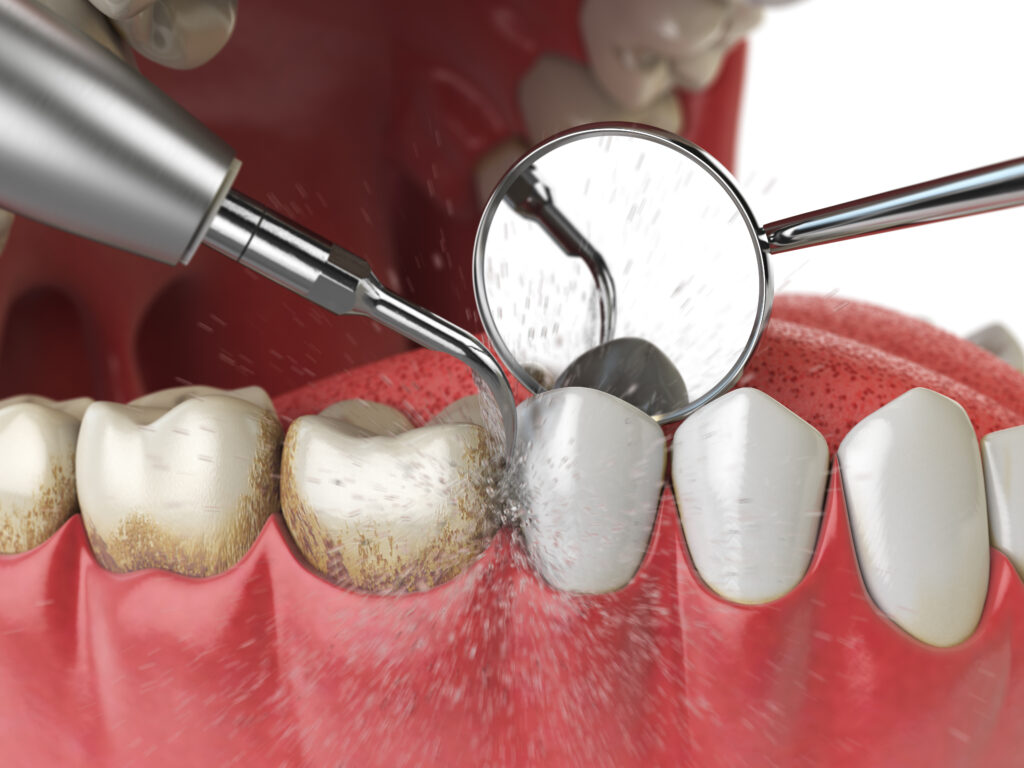
When tooth erosion happens, the best treatment depends on the extent of damage, the location of eroded enamel, and whether the dental hard tissue is still intact. While good oral hygiene and lifestyle changes can help stop enamel erosion in its early stages, more advanced cases may require restorative procedures to protect your teeth and restore function.
The most popular methods of treating dental erosion:
- Veneers – Thin porcelain or composite shells that cover the front of a tooth, ideal for losing enamel on front teeth or improving appearance after erosive tooth wear.
- Fillings – Used to restore small areas of enamel decay and prevent further wear, often suitable for teeth that have thin or weak surfaces but are structurally sound.
- Crowns – Full coverage restorations that protect teeth with significant compromised dental work or severe erosion in tooth wear, restoring strength and function.
- Root canal treatment – Necessary when erosion reaches the pulp, often due to deep damage from erosion and tooth decay.
- Tooth extraction – A last resort for teeth that are beyond repair due to dental erosion due to extensive tooth wear or fractures.
How to stop enamel erosion is determined individually by the doctor, depending on the present signs of erosion, the extent of damage, and the patient’s unique needs.
Can dental erosion be prevented?
To reduce the risk for erosion, several preventive measures can be taken to protect your enamel and maintain good dental health:
- Limiting your intake of acidic foods and drinks, such as fruit juice and soft drinks.
- Using a straw to drink acid-containing drinks, to limit the acid contacting the teeth.
- Rinsing your mouth with water after acid exposure.
- Drinking plain water in place of acid-containing drinks.
- Rinsing your mouth with water or milk after vomiting.
- Chewing sugar-free gum to increase saliva and dilute acid.
- Cutting down on alcohol.
- Having regular visits to the dentist and oral health check-ups.
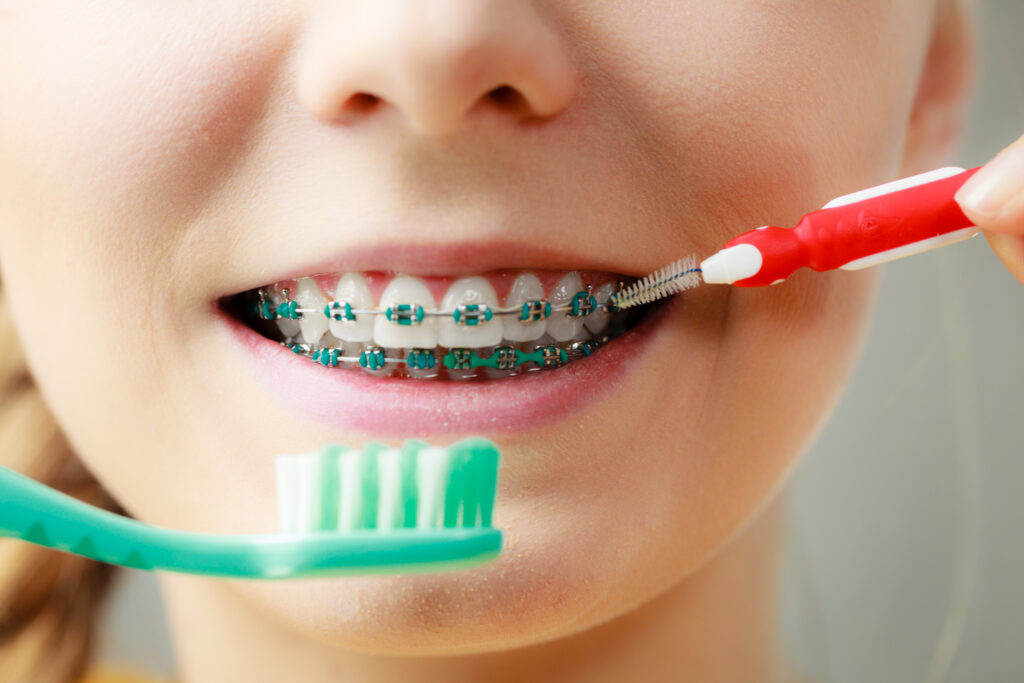
In addition to these preventive steps, proper dental care at home is essential for managing enamel erosion. Using a soft-bristled toothbrush and fluoride toothpaste helps protect and strengthen your enamel teeth, while gentle brushing techniques reduce further damage. Regular brushing combined with fluoride treatments can slow down tooth enamel loss over time, especially for those at increased risk of dental erosion. People who suffer from dental erosion need to take special precautions.
Dental Erosion – Conclusion
Understanding what enamel dental erosion is and why it occurs is essential to prevent further damage to your teeth. While some may consider enamel erosion treatment at home, it is always safer and more effective to consult a dentist promptly to avoid complications and properly address tooth enamel loss due to erosion.
FAQ
-
Some toothpaste formulas can be abrasive and may worsen enamel erosion if used improperly, so it’s important to choose a toothpaste designed for sensitive or eroded enamel and follow proper brushing techniques.
-
It is recommended to change your toothbrush every 3 months or sooner if the bristles become frayed, as worn brushes can damage weakened enamel.
-
While enamel erosion is the loss of tooth enamel over time, certain remineralizing treatments and good oral hygiene can help strengthen enamel, but severe damage requires professional care. It is essential to brush your teeth properly to maintain healthy enamel.
-
Stomach acid from conditions like acid reflux can contribute significantly to enamel erosion by exposing teeth to harmful acids.
-
Yes, smoking can worsen dental erosion and negatively affect oral health by reducing saliva flow and increasing acidity in the mouth.
-
Whitening products can irritate sensitive, eroded enamel and may increase the risk of further damage if not used carefully.
-
Foods that stimulate saliva production, such as sugar-free gum, can help neutralize acids and protect enamel.
-
Drinking acidic drinks with meals may reduce acid exposure time compared to sipping throughout the day, but acid erosion still remains a risk.
-
Yes, bruxism can accelerate enamel wear, compounding the effects of erosion and increasing tooth sensitivity.
-
Remineralizing treatments can help repair early signs of enamel damage, but significant tooth enamel loss usually requires professional dental intervention. The dentist will indicate how to repair teeth enamel in your specific case after the examination.