
Most people believe they take proper care of their teeth. They brush their teeth morning and night, floss, and buy expensive toothpaste. It seems like this is enough to keep a healthy smile. But we regularly see a different story. Even people with good habits eventually develop plaque, tartar, and gum inflammation.
The problem is that regular home hygiene can’t always remove everything. Bacteria gradually accumulate in hard-to-reach places between teeth and along the gum line. At first, it’s unnoticeable. But if these deposits aren’t removed promptly, they can lead to cavities, bad breath, and even gum disease.
That’s why professional dental cleaning is considered one of the most important stages of oral care. It’s a complex of procedures that helps prevent serious problems, maintain healthy teeth, and prolong their life for many years.
In this article, we’ll take a detailed look at what professional hygiene is, how the procedure works, the methods used, and why regular professional cleanings are key to maintaining oral health.
What is Professional Hygiene in a Dental Clinic
Professional dental hygiene is a set of procedures performed in a dental clinic to thoroughly clean teeth and gums. Its main goal is to remove plaque, tartar, and bacteria that accumulate over time, even with regular brushing at home.
During the procedure, the dental hygienist assesses your oral health, looking for potential problems. This helps detect the early signs of cavities, gum disease, or other dental problems.
Professional Dental Cleaning — The Process of Dental Care
A typical dental cleaning routine includes several steps. Each step helps maintain your oral health and prevent disease. Let’s look at each stage in detail.
Schedule an Appointment
The first step is to schedule a preventive dental visit. During the visit, the dentist reviews the patient’s medical history. This information helps the doctor identify possible medical conditions or systemic health issues that could impact treatment.
Dental Examination
At Dynasty Stomatology, during a consultation, the doctor performs a dental checkup, assesses the condition of the teeth and gums, and checks for dental issues and signs of poor oral hygiene. If necessary, dental X-rays are performed to help identify and ensure early detection of dental issues. This examination plays a crucial role in maintaining oral health.
Plaque and Tartar Removal
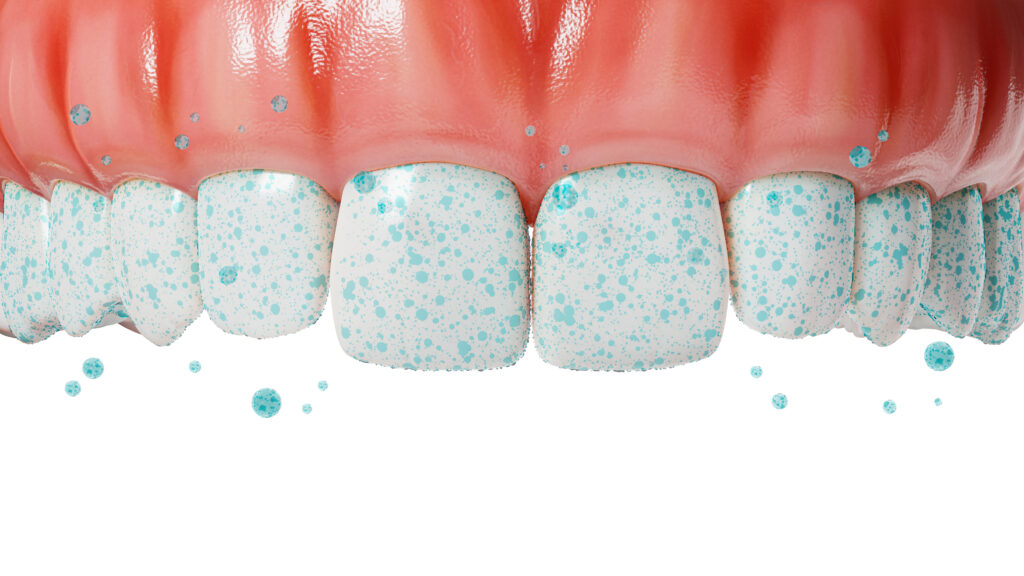
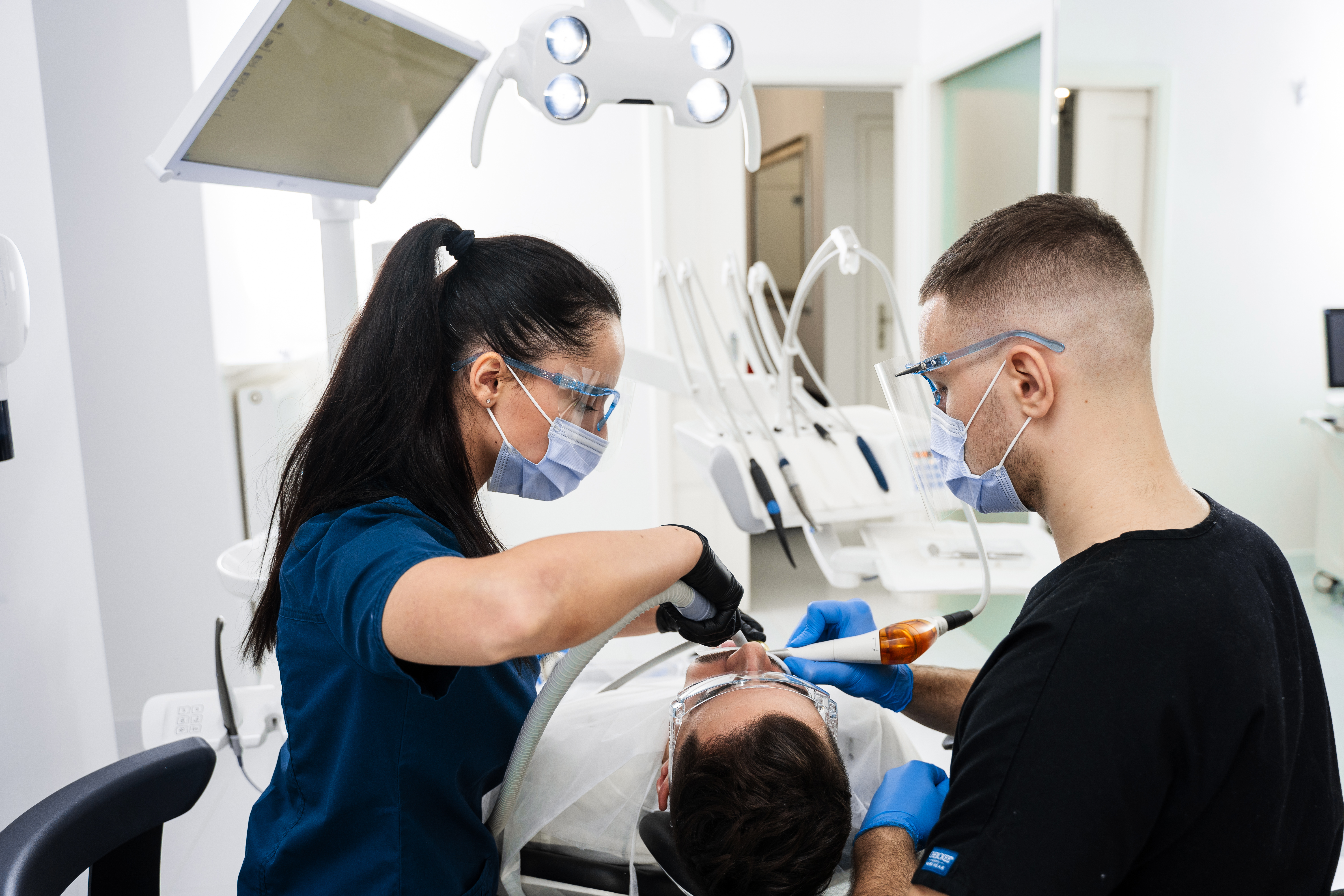
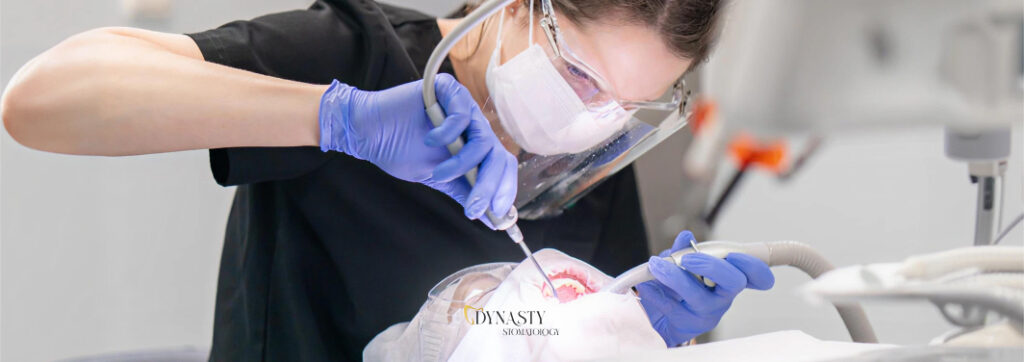
During cleaning, the hygienist uses instruments to remove plaque from the tooth surfaces. When plaque hardens, it forms dental calculus or tartar buildup. These deposits cannot be removed independently.
Scaling — removal of deposits
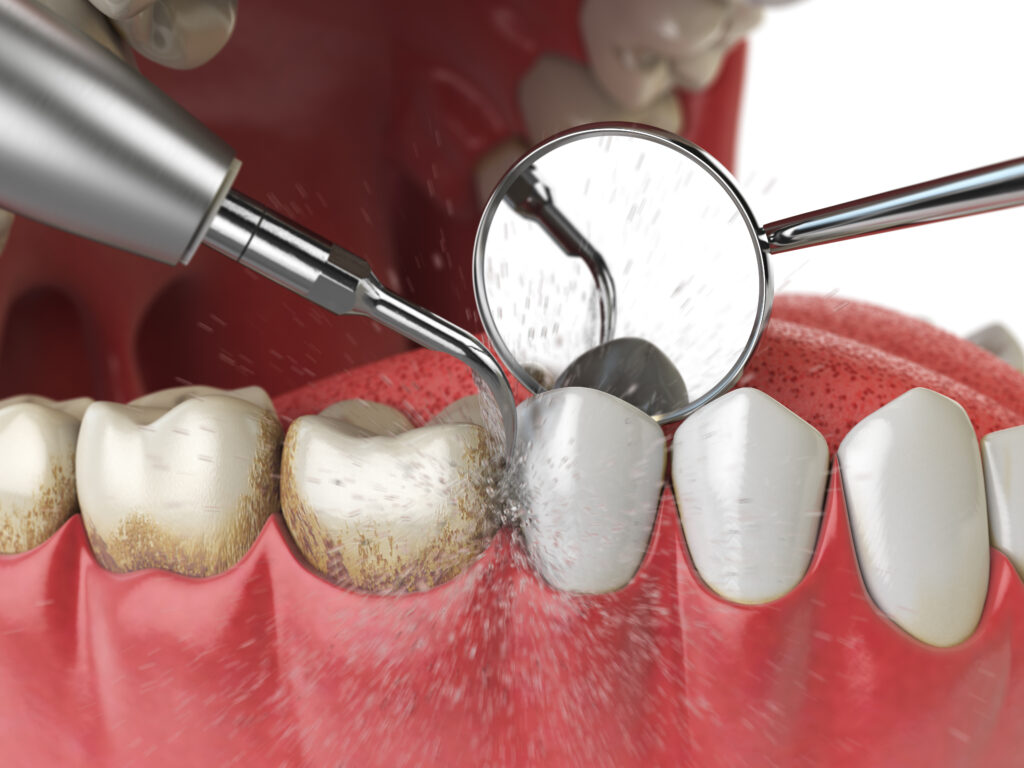
Preventive scaling is a cleaning of the area under the gum. This procedure helps remove plaque, bacteria, and toxins that cause inflammation. If plaque buildup remains untreated, it can lead to infection and ultimately tooth loss.
Polishing
Scaling removes plaque and tartar from the tooth surface and below the gumline. A smooth surface reduces the likelihood of bacteria and food particles adhering to it. This helps maintain optimal oral health.
Flossing and Fluoride Treatment
Dental floss is used to clean between the teeth. Fluoride treatment helps strengthen enamel and reduce the risk of cavities. Fluoridation is an important part of modern dental care.
Oral Hygiene Tips
After a professional dental cleaning, the dentist provides oral care recommendations. Brushing and flossing techniques are explained to the patient to properly remove food particles and plaque. Maintaining proper oral hygiene and regular dental care helps maintain good oral health between dental visits.
What Does Professional Dental Hygiene Include
Professional oral hygiene consists of several sequential stages. This comprehensive approach addresses all the main causes of dental diseases and ensures effective oral health prevention.
Oral sanitation before medical procedures
Before complex dental treatments, dentists perform professional cleanings to reduce the number of bacteria in the oral cavity. This reduces the risk of inflammation and postoperative complications. Prepared tissues heal faster and respond better to treatment. This approach also helps reduce the potential impact of infections on systemic health.
Professional hygiene for braces
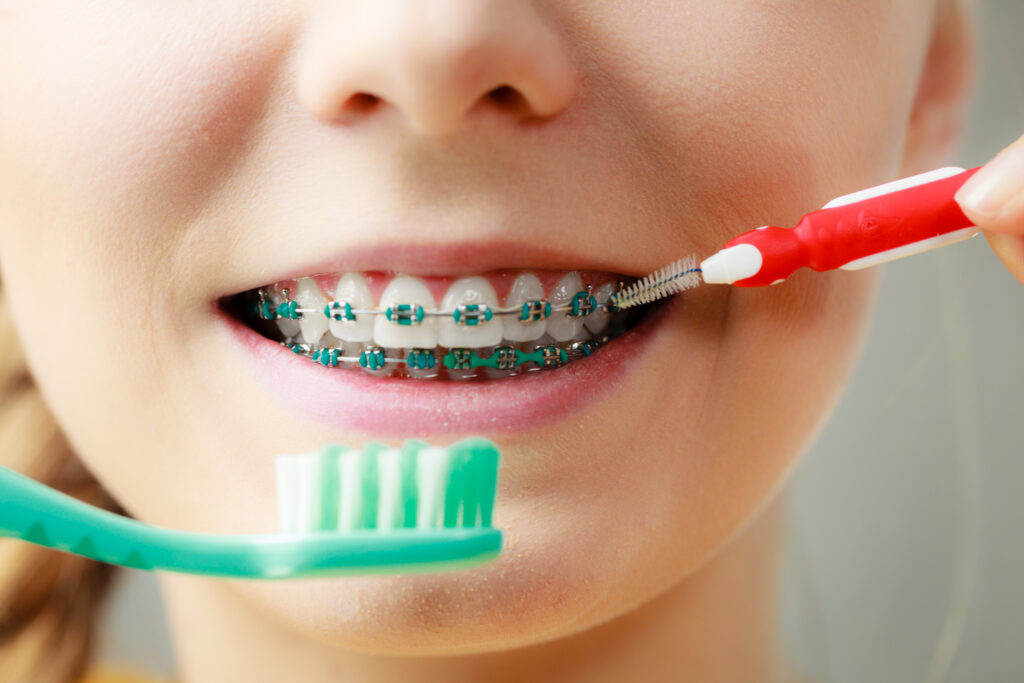
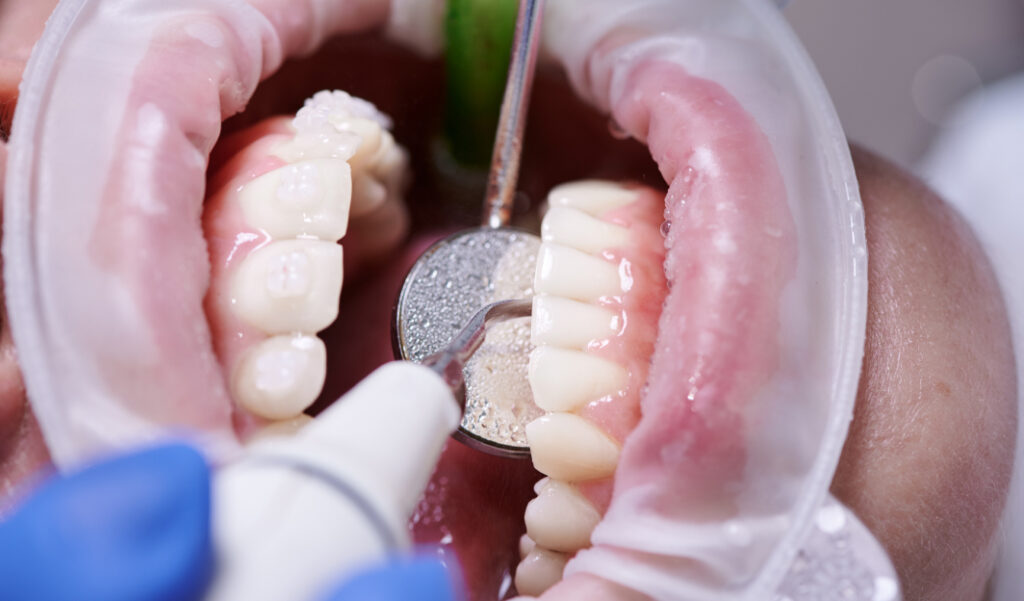
Orthodontic appliances make daily brushing challenging. Plaque accumulates around the brackets and archwires, making it difficult to remove with conventional means. During the procedure, special instruments are used to thoroughly clean hard-to-reach areas. This helps protect teeth and gums from inflammation and decay.
Preventive Dental Checkups
Regular checkups allow the dentist to monitor the oral health dynamically. The doctor tracks changes in enamel, gums, and bite over time. This helps identify problems early, when treatment is quicker and easier.
Fluoridation and Remineralization of Teeth
Tooth enamel gradually loses minerals under the influence of acids and stress. Fluoridation helps restore mineral balance and strengthen the enamel structure. Remineralization reduces sensitivity and increases tooth resistance to decay.
Air Flow Teeth Cleaning
Air Flow technology cleans teeth with a directed stream of air, water, and powder. This method gently removes soft plaque and stains from the enamel surface. The procedure is comfortable and does not damage tooth structure.
Removal of tartar
Hardened dental calculus is formed from mineralized plaque and firmly adheres to the teeth. It can be located above and below the gumline, causing inflammation. Removing such deposits with a regular toothbrush is impossible. Professional instruments are used to safely clean the surface of the teeth.
The Long-Term Benefits of Regular Cleanings by Dental Hygienist
Many people underestimate the positive impact of regular preventative procedures. However, regular dental cleanings can help prevent serious illnesses. Many patients notice results immediately after the procedure, but the real benefits become apparent over time.
The main benefits of regular procedures:
- Prevention of gum disease, oral cancer, and tooth decay.
- Reduction of bacteria associated with heart disease, respiratory infections, and other systemic health issues.
- Prevention of problems typical of poor oral health, such as bad breath, inflammation, and infection.
- Maintaining good oral health and preserving natural teeth.
- Saving you money in the long run by avoiding complex dental work.
How You Can Prepare and Participate
Patients play a vital role in oral health, as the quality of treatment depends largely on timely and accurate information. Preparing for the appointment helps the doctor quickly assess the oral condition and choose the optimal treatment plan. Conscious patient participation makes the visit more effective and comfortable.
Before a dental hygiene appointment, it’s important to pay attention to any changes in your health. It’s important to inform the doctor about symptoms such as dry mouth, bleeding gums, increased tooth sensitivity, or discomfort while eating. Even minor complaints help the specialist more accurately identify possible causes of discomfort.
It’s also important to provide complete information about any medications you’re taking and any existing medical conditions. Some medications affect the condition of the mucous membrane, the rate of healing, and the tissue’s response to procedures. An open dialogue with the doctor helps avoid complications and ensure the treatment is as safe as possible.
Tips to Maintain Results After a Dental Cleaning
Professional cleanings provide noticeable results, but they can only be maintained with regular home care. Daily hygiene helps control plaque, reduces the risk of inflammation, and maintains dental health between dental visits. Simple hygiene habits form the foundation for long-term oral health. Key recommendations:
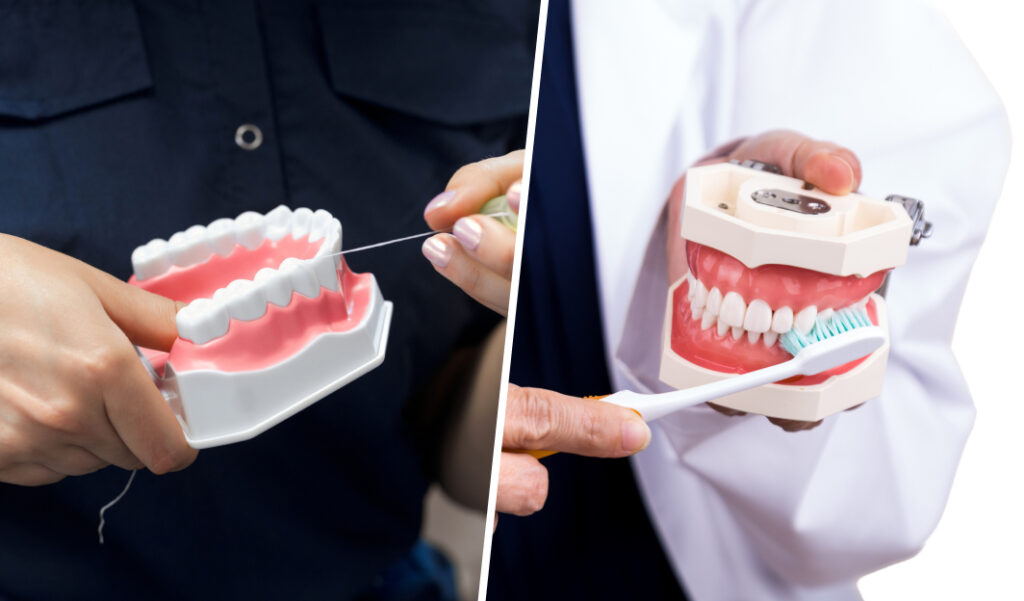
- Brush your teeth gently but thoroughly, paying attention to each surface of the tooth — the inner, outer, and chewing surfaces. Use a medium-bristle toothbrush and move the brush from the gum line toward the tooth to effectively remove plaque without damaging the gums.
- Use dental floss to clean between teeth, where a toothbrush can’t reach. Gently guide the floss along each tooth, gently sliding it under the gum to remove plaque and food debris. If you’re unsure of your technique, ask your dentist to demonstrate the correct technique.
- Choose toothpaste and toothbrushes recommended by your dentist. Look for toothpastes with fluoride — they strengthen enamel and help prevent cavities. If necessary, use special interdental brushes or irrigators for hard-to-reach areas.
- It’s recommended to brush your teeth twice a day and have regular dental maintenance appointments to maintain the results of professional cleaning.
Is Professional Dental Hygiene in a Dental Office Necessary, and What is its Role in Dental Health?
Many believe that regular home care is sufficient, but even thorough brushing and flossing cannot completely remove hardened plaque and tartar. This is why professional dental cleanings are so important. These cleanings help prevent cavities, gum inflammation, and other dental problems, especially if left untreated.
Regular dental visits allow for the detection of issues early, including signs of oral cancer, when treatment is most effective and minimally invasive. Professional cleanings typically take 30 minutes to an hour and help maintain overall health, improve the appearance of teeth, and freshen breath.
Dental hygienists play a key role in performing procedures, ensuring high-quality professional plaque removal, and educating patients on oral hygiene at home. At Dynasty Stomatology, experienced dental professionals provide valuable recommendations and oral hygiene instruction, helping patients maintain healthy teeth over time.
Frequently Asked Questions about Oral Health and Regular Dental Cleaning
-
During your first appointment at the dental practice, a dentist or hygienist evaluates your dental history and oral health. Then the dentist performs an examination and, if necessary, X-rays to identify any hidden problems. A dental hygienist also explains the procedure and provides health education to ensure your comfort. Routine dental cleanings remove plaque and tartar.
-
Even with thorough home cleaning, it’s impossible to completely remove plaque and tartar. Regular dental cleanings help prevent cavities, gum inflammation, and other dental problems. These procedures allow you to monitor the condition of your teeth and gums, maintaining oral health over time and reducing the risk of complications.
-
It is generally recommended to visit your dentist every six months. However, the frequency may vary depending on your condition, the presence of implants, or chronic issues. Regular visits help maintain oral health through regular procedures and prevent problems at an early stage.
-
During a routine dental cleaning, a hygienist removes plaque and tartar, polishes, and applies fluoride if needed. The role of the dental hygienist also includes teaching hygiene practices. The procedure is usually comfortable and takes 30 minutes to an hour.
-
Mild bleeding is common with gum inflammation or tartar buildup. It indicates the need for regular cleanings to help restore gum health.
-
The procedure is usually painless, but some people with sensitive gums may feel slight pressure. Dental hygienists also use special instruments to minimize discomfort and protect gums. Professional cleaning is safe and effective, even for patients with sensitive teeth.
-
Yes, removing plaque and bacteria significantly improves breath freshness. Brushing your teeth, including hard-to-reach areas and spaces, helps eliminate sources of odor. Maintaining oral health through regular cleanings helps keep your breath fresher for longer.
-
Professional cleaning prevents plaque, tartar, and gum inflammation, reducing the risk of cavities and other diseases. It helps maintain oral health over time and prevents the development of chronic problems.
-
Some sensitivity after the procedure is a normal reaction to the removal of plaque and tartar. This usually subsides within a day or two.
-
Choosing Dynasty Stomatology means trusting a clinic where modern dentistry is combined with a patient-focused approach. Each specialist is a qualified member of the dental team and holds a professional degree in dental hygiene, implantology, surgery, orthodontics, and other fields, which guarantees a high level of safety and quality of procedures.
We focus on prevention, patient comfort, and education on proper oral care. Our clinic’s primary goal is to provide exceptional dental care and help patients maintain a healthy and beautiful smile.