



A knocked-out tooth is a dental emergency where it can be chipped or broken. It calls for immediate attention and you must see a dentist as soon as possible. Whether it is a child who has lost a tooth while playing or an adult who suddenly faces an injury; to save the tooth, you must consult a dentist immediately.
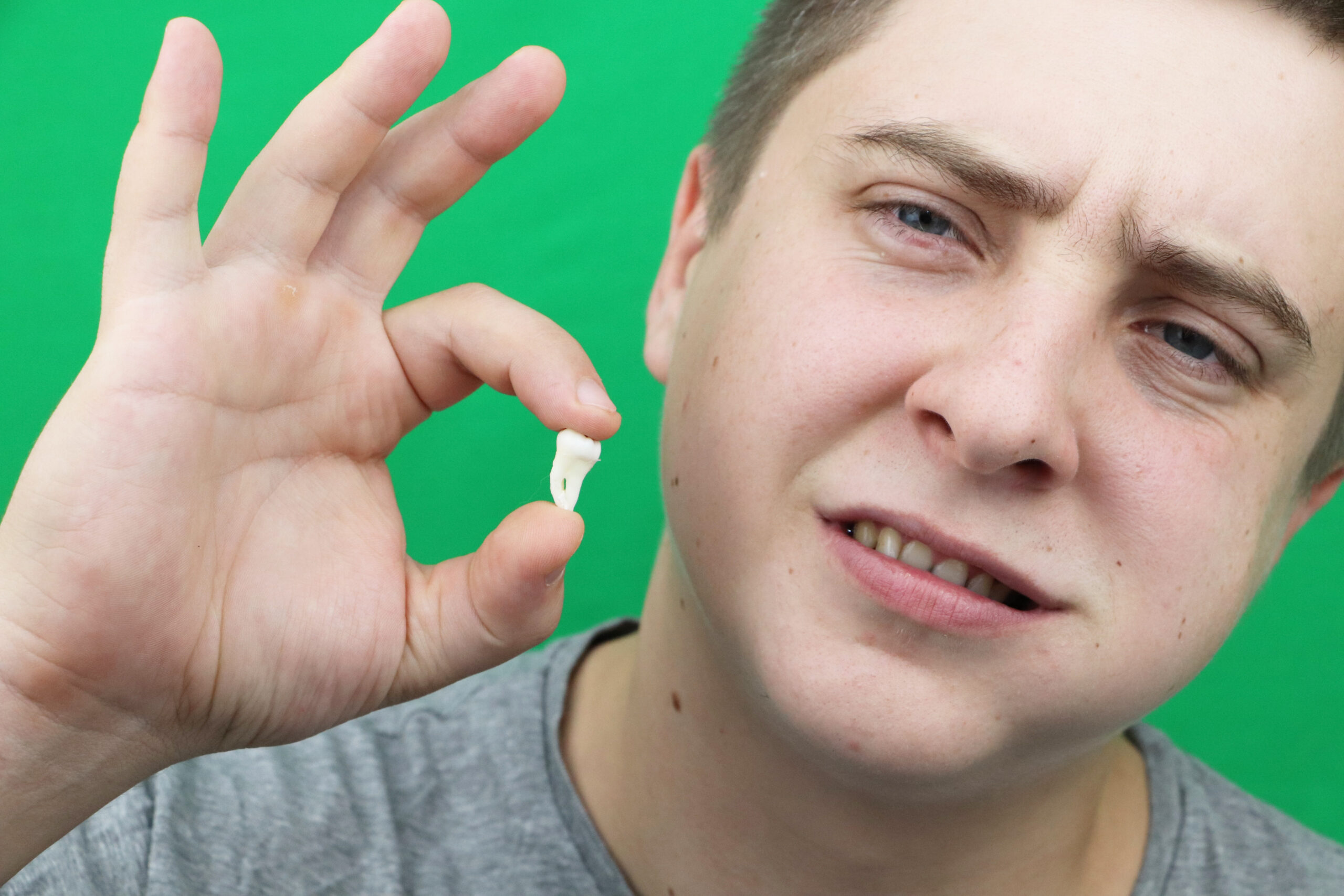

The tooth is fully broken
The tooth is chipped

The tooth is knocked out
What to do with a knocked-out tooth?
If you have a knocked-out tooth, act quickly but do not panic. Hold the tooth in place and if it falls, do not pick it up from the root of the tooth. Touch it from the crown. Rinse the tooth gently in milk or tap water or saliva. For a permanent tooth, you’ll need to gently put it back in its socket. If this is not possible store the tooth in water or milk or saliva as it must be moist. It’s best to book a consultation for dental care or an appointment online immediately for a checkup.
Deciduous (baby) teeth
If a baby tooth gets knocked out, do not put the tooth back. Gently rinse it in milk or water. Visit a pediatric dentist for emergency dental care. This will ensure the tooth gets treated and complications are not passed over to the adjacent teeth.
Permanent (adult) teeth
When the tooth of an adult is knocked out, it is crucial to see an emergency dentist for treatment. For accidents or sports-related injuries, acting quickly helps you to save the tooth. Try to re-insert the tooth and within 30 minutes try to reach the dentist’s office to ensure your surrounding teeth are safe too.

Price: Treatment of a knocked-out tooth
-
Dental point X-ray examination
50 PLN -
Tomography of 2-3 teeth
200 PLN
How the Dynasty Stomatology dental clinic's loyalty program works
Learn more about the loyalty program
Step 01
Visit the clinic and scan the QR code at the reception desk
Step 02
Register online — enter your details
Step 03
Receive and accumulate points after each visit
Are you faced with tooth damage and need to restore it?
Make an appointment!
By clicking the button, you agree to the processing of personal data in accordance with the privacy policy.
Frequently asked questions about avulsed tooth treatment
-
Warning signs include severe pain that does not ease, swelling of the gum or face, an abscess, prolonged bleeding, numbness or sensitivity at the injury site, and fever indicating infection. Darkening of the tooth or increasing mobility in the following weeks are also warning signs. If any of these symptoms appear, see a dentist without delay.
-
A lost tooth can be replaced with an implant, a bridge or a partial removable denture. The choice depends on the bone, the neighbouring teeth and the patient's age, and in children and teenagers an implant is usually postponed until jaw growth is complete. Implant healing in the bone usually takes 3-6 months. The dentist prepares the treatment plan after an examination and a CBCT scan, which costs 200 PLN for 2-3 teeth.
-
Yes. Go to a dental clinic as soon as possible, ideally within 30 minutes of the injury. Quick treatment increases the chance of saving the tooth and reduces the risk of inflammation. If the injury involved loss of consciousness, vomiting or a serious head injury, go to a hospital emergency department first.
-
A knocked-out permanent tooth can often be put back if its root and surrounding tissues are not damaged. The dentist cleans the socket, places the tooth back and stabilises it with a splint bonded to the neighbouring teeth. The chances of success are highest when the tooth is back in place within 30 minutes and was kept in milk or saline. Baby teeth are not replanted, and follow-up visits with X-rays are needed after the procedure.
-
A knocked-out (avulsed) tooth that has been successfully reimplanted typically takes about 3 to 4 weeks for initial healing, but full recovery and stabilization of the tooth in the bone can take 6 to 8 weeks or longer. During this time, the tooth is usually splinted to neighboring teeth to keep it stable. Regular follow-up visits are essential, as your dentist will monitor the healing process and check for any complications such as root resorption or infection. The sooner you receive treatment after the injury — ideally within 30 minutes — the better your chances of a successful recovery.
Specialists who treat avulsed teeth
View all doctors
Kostiantyn Danyliuk
Dentist
Konstantin is a skilled specialist who combines in-depth knowledge and cutting-edge technology to achieve the best results. He maintains active com...

Rafal Kazanecki
Dentist
His experience in implantology and surgery allows him to effectively implement modern technologies, enabling quick and safe procedures. Rafał activ...
Reviews of avulsed tooth treatment in Krakow


Do you have questions about your dental health?
Book a consultation at Dynasty Stomatology and get recommendations on the next steps based on your individual situation.
Expert articles on the topic
View all blog-
27.11.2026
5
9 min. read
Do Veneers Damage Teeth? Facts, Myths, and Safe Decisions
Do Veneers Damage Teeth? Properly planned and placed veneers can improve the appearance of a smile while minimizing intervention in the natural tooth structure. However, it should be remembered that placing them may require the irreversible removal of a thin layer of enamel. Veneers are primarily used to improve the appearance of teeth, not to […]
Read more -

26.11.2026
4
8 min. read
Teeth Shaving for Veneers – When Is It Necessary?
Is teeth shaving necessary before getting veneers? Teeth shaving for veneers is not always necessary. The extent of tooth preparation depends on the condition of the teeth, the type of veneers planned, bite alignment, and the desired aesthetic result. Preparation involves properly conditioning the tooth surface for veneer placement. In many cases, minimal enamel reduction […]
Read more -
25.11.2026
4
8 min. read
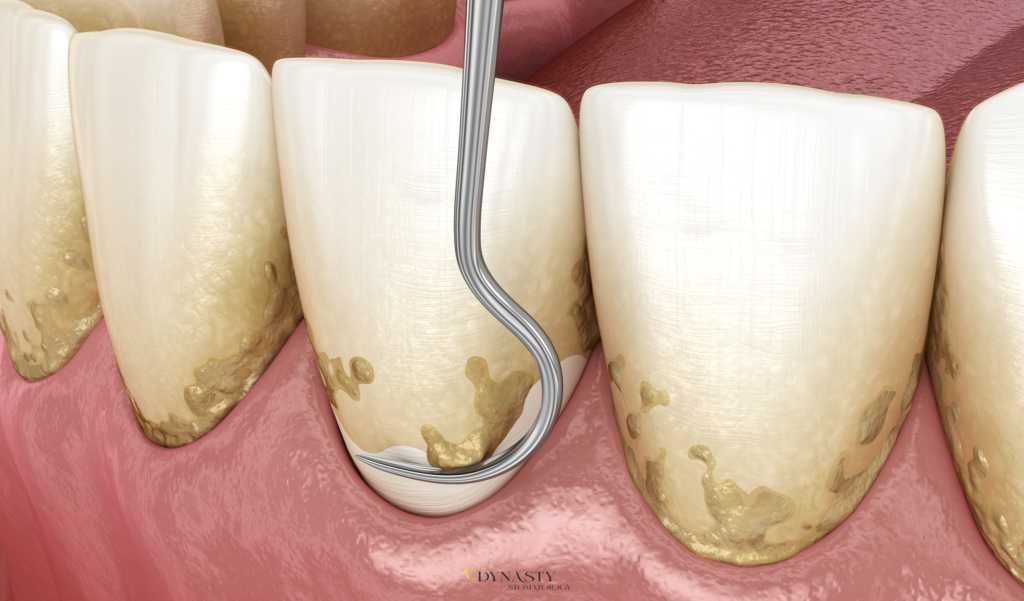
Tooth Discoloration – What Causes It and How Can It Be Safely Removed?
Some discoloration is superficial and can be removed during professional dental cleaning. Changes affecting the enamel structure or deeper tooth tissues, however, require appropriate diagnosis and an individually selected treatment method before any whitening is considered. What Is Tooth Discoloration and When Does It Require a Dental Consultation? Tooth discoloration is a change in the […]
Read more -

24.11.2026
4
8 min. read
Pain Under a Crown or Filling – Possible Causes and When to See a Dentist
Tooth Pain Under a Crown or Filling – What Could Be Causing It? Tooth pain under a dental crown or filling may result from tooth decay, inflammation of the dental pulp, changes in the tissues surrounding the root, or an improperly fitted restoration. Both crowns and fillings restore the function and appearance of a tooth, […]
Read more -

23.11.2026
3
8 min. read
Toothache at Night – Why Does It Get Worse and How Can You Relieve the Pain Until Morning?
Nighttime toothache is not a separate medical condition, but it may be a symptom of tooth decay, pulp inflammation, or an infection in the tissues surrounding the tooth. Discomfort often becomes more noticeable when lying down; however, determining its cause requires proper dental diagnostics. Why Does Toothache Get Worse at Night? Increased tooth pain during […]
Read more -
10.11.2026
8
9 min. read
Swollen Gums – Causes, Diagnosis, and Treatment Options
Swollen gums may result from irritation or inflammation, but they can also indicate problems related to a specific tooth, the presence of an abscess, or the eruption of a wisdom tooth. However, the appearance of the gums alone does not allow the cause of the problem to be determined conclusively. A dental examination is necessary […]
Read more


Types Of Broken Tooth:
Let’s look at the types of broken tooth-
Tooth fracture
A tooth fracture may cause injury to the pulp, dentin or the enamel along with mild to severe inflammation. Early intervention with a specialist in emergency dentistry is recommended.
First Aid for a Chipped or Broken Tooth
When you have a chipped or a broken tooth, use lukewarm water to rinse your mouth. Use a tissue or cloth like soft gauze to stop bleeding. For reducing the swelling, apply a cold compress to the area. Your teeth need to be treated first so do not chew with the side affected. You need to see a dentist at once, if you have broken pieces of the tooth.
What can Dynasty Stomatology do to help in the event of a knocked out tooth?
We at Dynasty Stomatology in Krakow, Poland are experts in dental practice. Our licensed team of cosmetic dentistry and orthodontic specialists provide you with the best option for dental implants, gum disease, jawbone-tooth alignment and other dental problems. Call us immediately at our clinic for dental-related injury or accident treatment. Book your dental appointment and always visit us for-
Minor cracks
Minor cracks are surface level injuries you don’t need a tooth replacement for. Ideally, they are treated with bonding or smoothing techniques.
A cracked tooth
A cracked tooth may penetrate into the root and the dentist might need to conduct a tooth replacement or a root canal.
Chips
Chips from a cracked tooth may irritate the gums or your tongue. Your dentist may repair the tooth easily with bonding.
Broken cusp
An injury or an accident may result in a broken cusp where your bite function may be affected. Please contact us for treatment and the best outcome.
Serious breaks
Serious breaks in the tooth are painful as they expose the nerves. Early intervention may be able to save the tooth but, in most cases, they cannot be restored. Often, they go undetected, so let your dentist know of tooth breaks.
Split tooth
As the name suggests, the tooth splits into two pieces and often cannot be saved.
Vertical breaks or split root
Here the cracks start at the root and tend to go upward into the jawbone. The tooth cannot be saved here.
Decay-induced break
Caries and tooth decay make the tooth weak. The decay has to be removed to help keep the other teeth healthy.
A knocked-out permanent tooth is an emergency. Pick the tooth up by the crown, never by the root. If it is dirty, rinse it briefly with milk or saline without scrubbing. Put it back into the socket if you can; otherwise keep it in milk or saline, not in tap water, and see a dentist ideally within 30 minutes. A knocked-out baby tooth should not be replanted.
If you can’t find your tooth
If you cannot find your tooth, never panic. Your dentist may suggest a dental implant, dentures, or a partial bridge for the missing tooth’s treatment.
Protecting your teeth during sports
While playing sports, you need a mouthguard so that your tooth doesn’t get knocked out due to sudden impact. Speak to your dentist for getting the appropriate mouthguard for your needs.