Periodontics Krakow – treatment of periodontitis and gum disease
Periodontics deals with the diagnosis, treatment and prevention of diseases affecting the tissues that support the teeth, primarily the gums and bone. A periodontist in Krakow can help identify the cause of bleeding gums, gum recession, loose teeth, bad breath or recurring tartar buildup.
This service is intended for adult patients who want to preserve their natural teeth, prepare their oral cavity for implants or prosthetic restoration, and regain control over their gum health. At Dynasty Stomatology, we discuss the treatment plan step by step, in plain language and without recommending procedures that are not justified by the examination.
Periodontal diseases often develop slowly and may not cause severe pain for a long time. For this reason, a periodontal consultation is a sensible step even when symptoms are subtle or occur only while brushing.
What does a periodontist do?
A periodontist diagnoses and treats conditions affecting the gums, the ligaments surrounding the tooth root, root cementum and the alveolar bone. These are the tissues that stabilize the tooth in the mouth.
During the appointment, the specialist determines whether inflammation is limited to the gums or already affects the deeper periodontal structures. This makes it possible to plan periodontal treatment with the aim of preserving natural teeth, improving oral hygiene and safely preparing for implants, orthodontic treatment or prosthetic work.
Who is a periodontal consultation for?
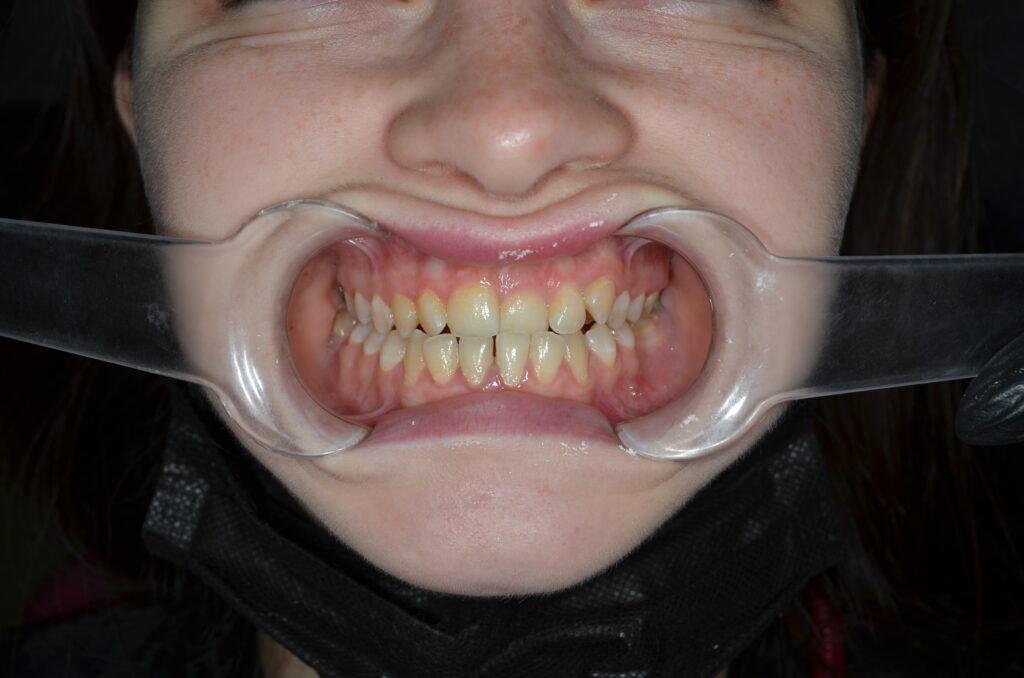
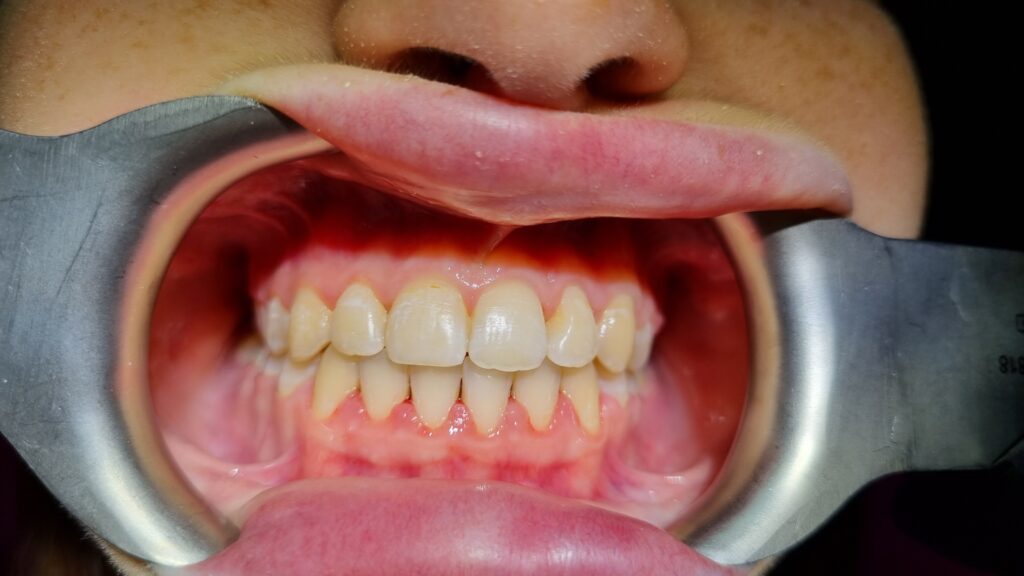
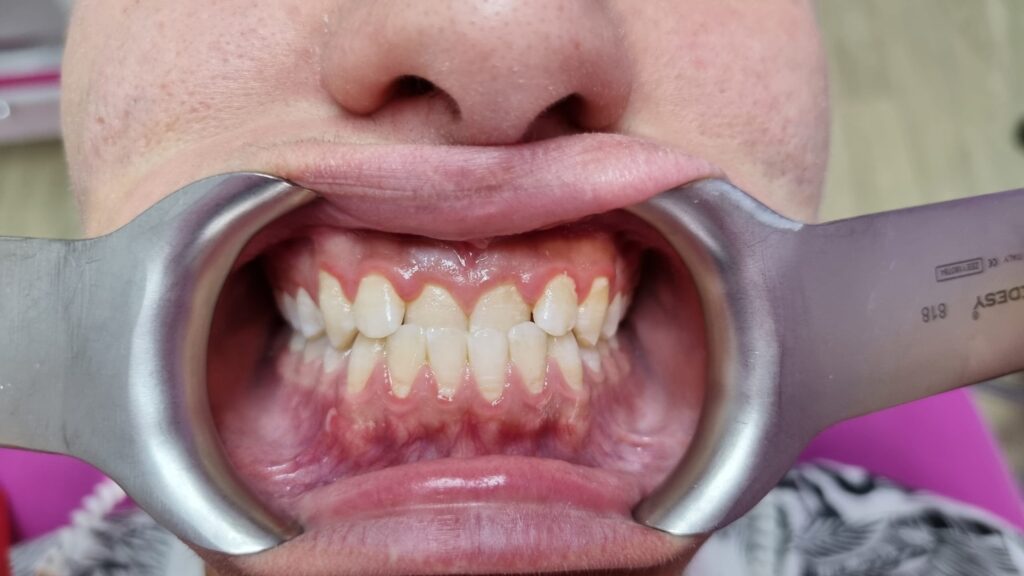
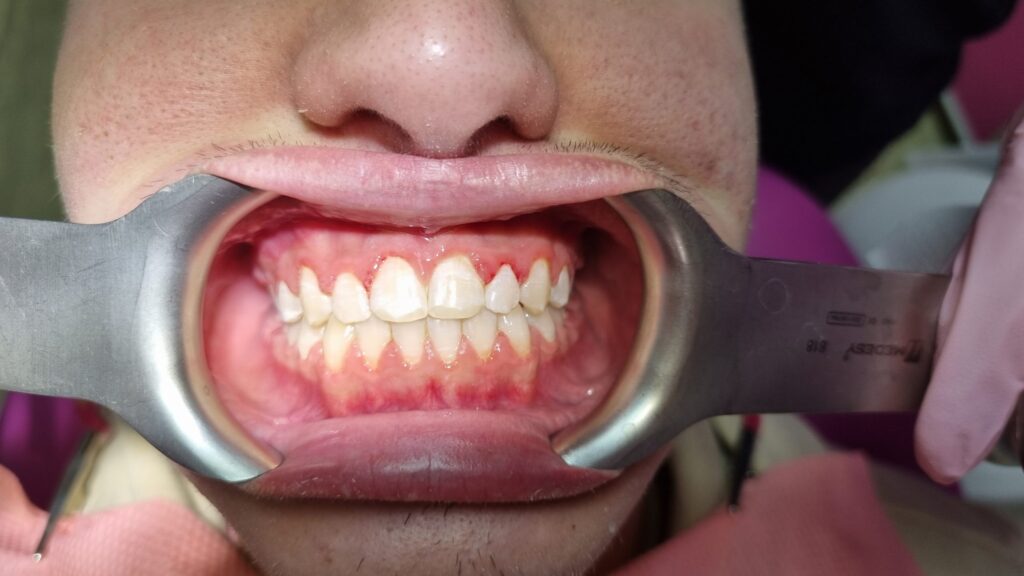
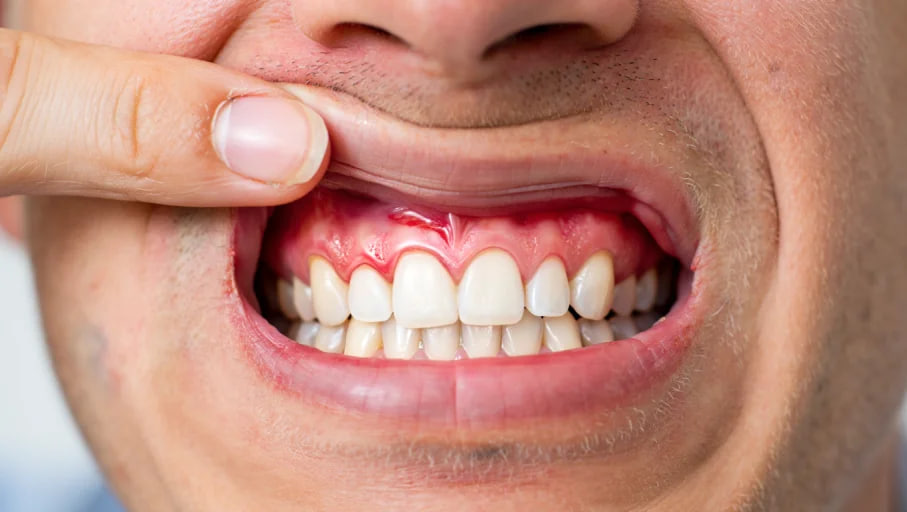
A visit to a periodontist is recommended in cases of bleeding, swollen or red gums, gum recession, exposed tooth necks, loose teeth, pus discharge and persistent bad breath. It is also worth making an appointment if tartar builds up quickly.
We recommend a consultation for people planning implants, braces, bridges, crowns or extensive prosthetic restoration. There is no need to wait until teeth become noticeably loose. Early diagnosis usually provides more conservative treatment options.
Symptoms and causes of periodontitis and other periodontal diseases
Periodontitis, commonly referred to as gum disease, is an inflammatory condition affecting the tissues surrounding and supporting the teeth. It usually begins with gum inflammation caused by bacterial plaque, but over time it can lead to loss of tissue attachment and bone loss around the teeth.
Early symptoms of periodontitis may be painless. Bleeding while brushing should not be considered normal, even if it subsides on its own after a few days. Its cause should be assessed in a dental practice.
More information for patients on preventing and treating periodontal disease is published by the European Federation of Periodontology.
What symptoms may indicate periodontal disease?
Common signs include bleeding gums, redness, swelling and tenderness. Patients may also notice sensitivity to cold, exposed tooth necks, teeth appearing longer, or difficulty thoroughly cleaning between the teeth.
In more advanced cases, gum pockets—deepened spaces between the gum and the tooth—may develop, along with bad breath, pus discharge, loose or shifting teeth. Bleeding stopping without diagnosis does not always mean that the inflammation has been eliminated.
What increases the risk of periodontitis?
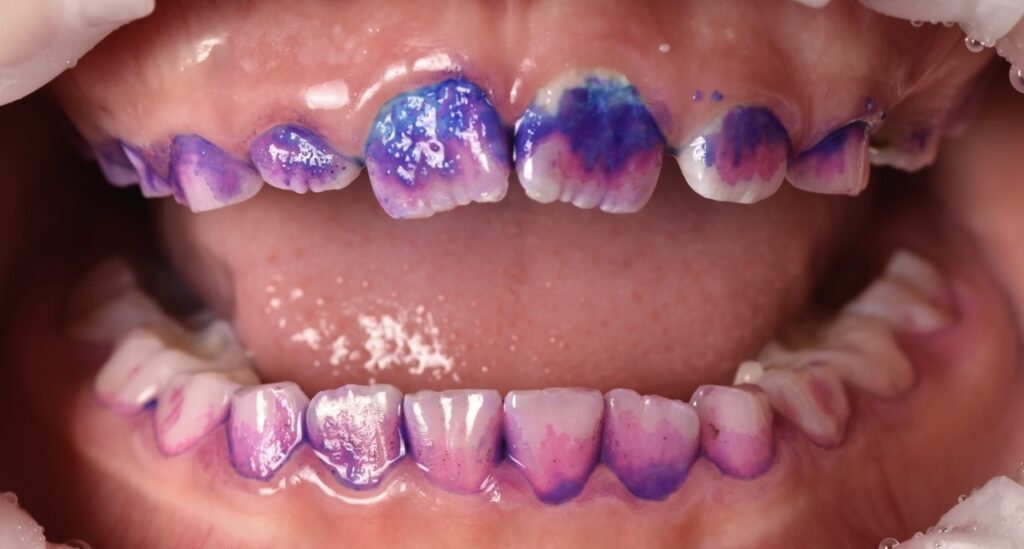
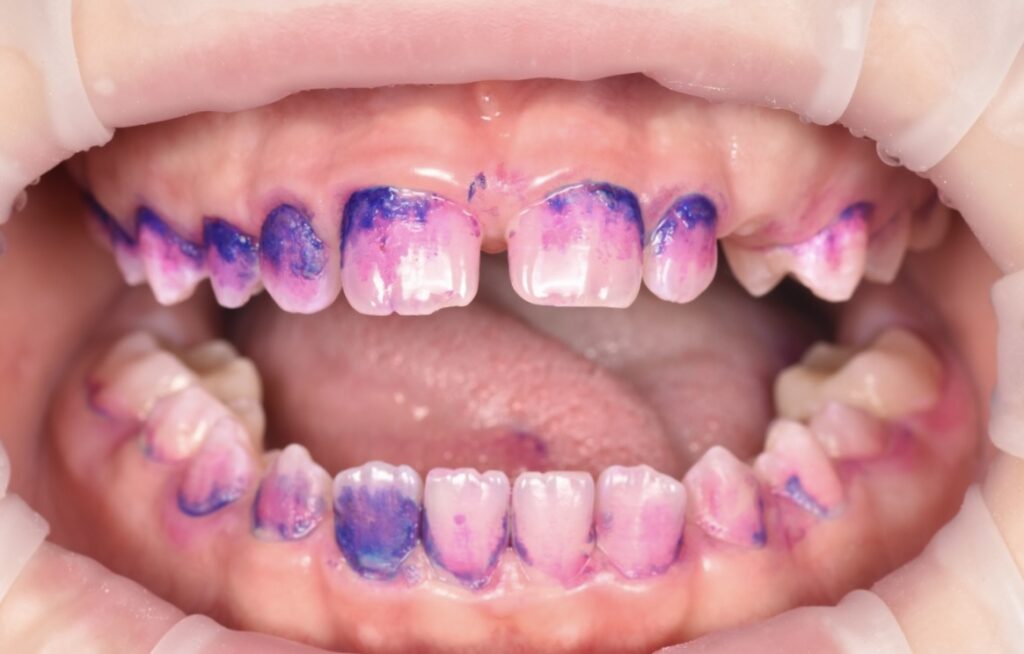
The most important local factor is bacterial biofilm, or dental plaque, that has not been effectively removed. Over time, it can mineralize and form tartar, which cannot be removed by brushing alone.
Smoking, inadequate oral hygiene, certain systemic conditions, family predisposition, chronic stress and selected medications may also increase the risk. None of these factors alone constitutes a diagnosis. A clinical examination and medical history determine what is causing periodontitis in a particular case.
Periodontal diagnostics and an individual treatment plan
Periodontal diagnostics make it possible to determine whether inflammation is present, how extensive it is and which treatment is justified. The first periodontal consultation in Krakow includes a discussion of symptoms, systemic conditions, medications, smoking and previous dental treatment.
The dentist then assesses the gums, teeth, oral hygiene and any tooth mobility. Imaging diagnostics are performed when needed. Dynasty Stomatology offers on-site digital diagnostics, making it easier to combine the clinical assessment with an analysis of bone condition.
The patient receives a step-by-step treatment plan and can ask questions throughout about the purpose of procedures, possible discomfort, recommendations and costs.
Examination of the gums, pockets and bone
During the examination, the dentist measures the depth of periodontal pockets using a thin instrument called a periodontal probe. They also check for bleeding on probing, as this may indicate active inflammation.
The assessment includes the level of tissue attachment around the tooth, tooth mobility and bone condition. X-rays or CT scans are ordered when needed to assess structures not visible during an oral examination. The results help distinguish superficial gum inflammation from changes requiring more extensive therapy.
How is the treatment plan created?
The treatment plan begins with controlling inflammation and improving daily bacterial plaque control. The next stage may include professional hygiene treatment and non-surgical care, including root surface cleaning in the area of periodontal pockets.
After a healing period, the dentist evaluates the tissues’ response to treatment. If changes requiring further management persist, they discuss eligibility for surgical procedures. The scope, duration and cost of treatment depend on the diagnosis, the number of teeth treated and the severity of the changes.
Non-surgical treatment of periodontal disease
Non-surgical treatment of periodontitis aims to reduce inflammation, remove deposits and biofilm, and limit the deepening of periodontal pockets. It is usually the first stage of therapy before more advanced procedures are considered.
The effectiveness of treatment does not depend solely on the dental appointment. Daily oral hygiene, following the instructions provided and attending check-ups at the time determined by the dentist are equally important. Tissue response will not be the same in every patient, which is why the results need to be reassessed.
Professional hygiene treatment and cleaning of tooth surfaces
Professional hygiene treatment includes removing tartar and deposits from tooth surfaces. It helps reduce areas where bacteria that sustain gum inflammation can accumulate.
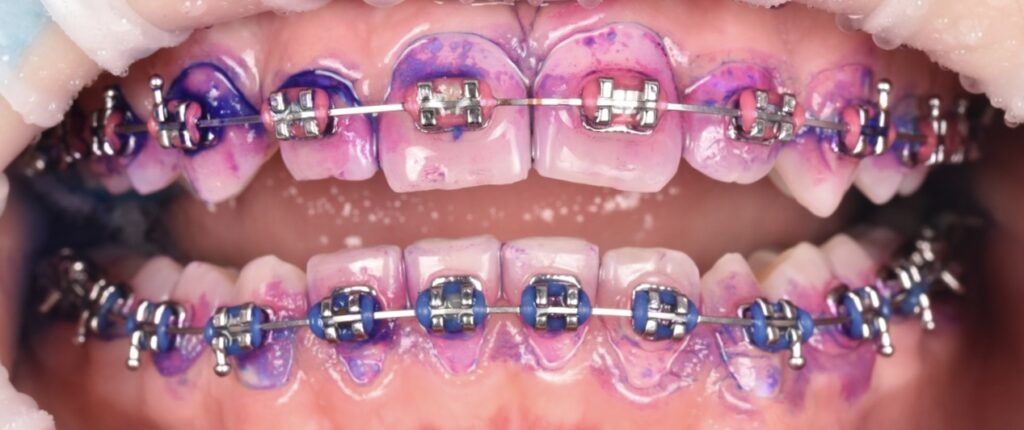
A one-time procedure does not replace daily cleaning. After hygiene treatment, the patient should receive individualized instructions on brushing and cleaning between the teeth. The choice of toothbrush, floss, interdental brushes or other methods depends, among other things, on the width of the spaces, the presence of bridges, implants, crowns or braces.
Subgingival treatment and the use of laser therapy
Subgingival treatment involves thoroughly cleaning tooth root surfaces in the area of periodontal pockets. The dentist removes biofilm and deposits located below the gumline that cannot be reached through home oral hygiene.
Subgingival scaling may require local anesthesia, depending on the patient’s sensitivity and the scope of treatment. Laser treatment for periodontal disease may be considered as part of management in specific clinical indications. However, it does not replace diagnostics, mechanical cleaning or follow-up appointments.
Surgical periodontal procedures and tissue regeneration
Periodontal surgery may be considered after initial therapy if deep pockets remain, specific bone defects are present, gum recession occurs, or better access to root surfaces is needed. It is not an automatic stage of treatment for every patient.
The decision to perform surgery is based on the examination, quality of oral hygiene, location of the changes, bone condition and the patient’s ability to cooperate during the healing period. Before a decision is made, the dentist discusses the benefits, limitations, alternatives and post-procedure recommendations.
When are flap or regenerative procedures needed?
A flap procedure involves temporarily lifting the gum tissue to obtain better access for cleaning roots and treating deeper changes. It may be used for selected persistent pockets if non-surgical treatment has not resulted in sufficient improvement.
Regenerative procedures aim to attempt to rebuild selected periodontal structures, including, under certain conditions, bone regeneration. Whether this treatment can be used depends on the type of defect, inflammation and anatomical conditions. Follow-up appointments and very thorough oral hygiene are necessary after the procedure.
Treatment of gum recession
Gum recession means that the gum margin has moved toward the root, exposing its surface. It can cause sensitivity, make oral hygiene more difficult and affect the appearance of the smile.
The cause must first be identified, for example traumatic brushing, inflammation, improper tooth positioning or a thin tissue type. Sensitivity can sometimes be relieved with conservative methods. Eligibility for surgical recession coverage, however, depends on the location of the recession, the amount of available tissue and the overall condition of the periodontium.
Prevention and maintenance appointments after treatment
Periodontal diseases require long-term monitoring even after bleeding and swelling have subsided. Treatment removes active inflammation, but it does not eliminate the need for daily oral hygiene and maintenance appointments.
The timing of periodontal check-ups is determined individually. The dentist takes into account the previous severity of the disease, oral hygiene quality, smoking, the presence of implants and other risk factors. Regular professional hygiene treatment helps maintain healthy gums and detect any recurrence of changes more quickly.
How should you care for your gums every day?
The basis of periodontal disease prevention is thorough tooth brushing and cleaning between the teeth using a suitable method. These are the areas where bacterial plaque often remains the longest.
Bleeding, swelling, sensitivity or bad breath should not be ignored or masked solely with mouthwash. With implants, bridges and braces, individualized hygiene instructions following an in-office examination are particularly helpful.
Periodontics – pricing, payment and booking an appointment in Krakow
The cost of periodontal treatment depends on the scope of diagnostics, the number of teeth included in therapy, pocket depth, the selected procedure and the need for follow-up appointments. A reliable quote should be prepared after a consultation, as similar symptoms do not always require the same treatment.
Current information about services and prices can be found in the Dynasty Stomatology price list. The clinic operates in Krakow at ul. Romanowicza 1/LU3 and ul. Romanowicza 4B. The scope of services covered by any insurance or public funding should be confirmed directly during registration, as the availability of such billing may change.
Dynasty Stomatology also offers installment payments through MediPay, MediRaty and an internal plan, with terms determined individually. The clinic states that services are available in Polish, English, Ukrainian and Russian—your preferred appointment language should be confirmed when booking.
What affects the cost of periodontal treatment?
| Scope of service |
What may affect the quote |
| Periodontal consultation |
Complexity of the issue, need to review previous documentation |
| Diagnostics |
Type of required imaging and scope of bone assessment |
| Professional hygiene treatment |
Amount of deposits, gum condition, presence of implants or restorations |
| Non-surgical therapy |
Number of teeth treated and pocket depth |
| Surgical procedures |
Type of procedure, extent of changes and materials used according to indications |
| Follow-up appointments |
Individual maintenance care schedule |
The table helps explain how periodontal service pricing is determined, but it does not replace an individual treatment plan or a cost estimate following an examination.
How do you book a consultation and prepare for the appointment?
- Choose a convenient appointment time through Dynasty Stomatology registration.
- When booking, describe any bleeding, loose teeth, pain, swelling or other symptoms, and inform the clinic about previous treatment.
- Bring any available X-rays, test results and a list of medications you take, if you have them.
- After the consultation, ask for an explanation of the diagnosis, management plan, estimated costs and follow-up dates.
The clinic accepts patients Monday to Friday from 8:00 a.m. to 8:00 p.m. and on Saturdays from 8:00 a.m. to 2:00 p.m. When registering, it is worth confirming the appointment language, payment method, installment options and insurance matters. If you notice symptoms of periodontal disease, book a periodontal consultation at Dynasty Stomatology in Krakow.