



Tooth damage caused by decay, chipping, or failed fillings requires not only functional restoration but also high aesthetics. A ceramic inlay is a modern dental solution that allows precise restoration of a damaged tooth, both in form and structure. Inlays made using CAD/CAM technology are known for their durability, strength, and ideal fit, making them an excellent alternative to traditional fillings.


Tooth preparation and digital impression.

Modeling and inlay production.

Try-in and cementation.
Advantages of CAD/CAM Inlays
Ceramic inlays produced using CAD/CAM technology offer a modern dentistry solution that combines precision, aesthetics, and long-term performance. This makes it possible to achieve ideal results even in cases of severely damaged teeth.
Key Advantages of Digital Dental Care:
- High strength and durability of the inlay or onlay;
- Perfect fit to natural tooth structure;
- Matches the natural color and shape of the tooth;
- Minimal interference with healthy tissues in the oral cavity;
- Fast installation—the tooth can be restored in just 1 hour;
- Resistance to staining and abrasion;
- Suitable for both chewing and front teeth.

Price: Ceramic inlays using CAD/CAM technology
-
Prosthodontic consultation
250 PLN -
3D scan (one jaw)
200 PLN -
Tomography of 1 jaw
250 PLN -
Tomography of 2 jaws
350 PLN -
Zirconia crown
2 500 PLN -
E-max crown
2 800 PLN -
Veneer E-max
2 800 PLN
How the Dynasty Stomatology dental clinic's loyalty program works
Learn more about the loyalty program
Step 01
Visit the clinic and scan the QR code at the reception desk
Step 02
Register online — enter your details
Step 03
Receive and accumulate points after each visit
Do you want to treat your teeth while you sleep?
Schedule an appointment!
By clicking the button, you give your agreet your personal data in accordance with privacy policy.
Frequently asked questions about CAD/CAM ceramic veneers
-
Ceramic inlays and onlays offer greater strength and durability than standard composite fillings. Designed individually using precise CAD/CAM technology, they accurately replicate the shape and place of the natural tooth. Unlike traditional fillings, ceramic inlays are more resistant to wear, damage, and trauma, and provide excellent long-term function and esthetics.
-
No, the procedure is typically comfortable and does not cause pain, as it is performed under local anesthesia. Most patients describe it as quick and stress-free, with minimal discomfort during or after the visit.
-
The full process — from preparation to final bonding — usually takes about 1 hour, thanks to in-office CAD/CAM production. There’s no need to wait days for a lab-made product or wear a temporary restoration.
Doctors who make CAD/CAM ceramic veneers
View all doctors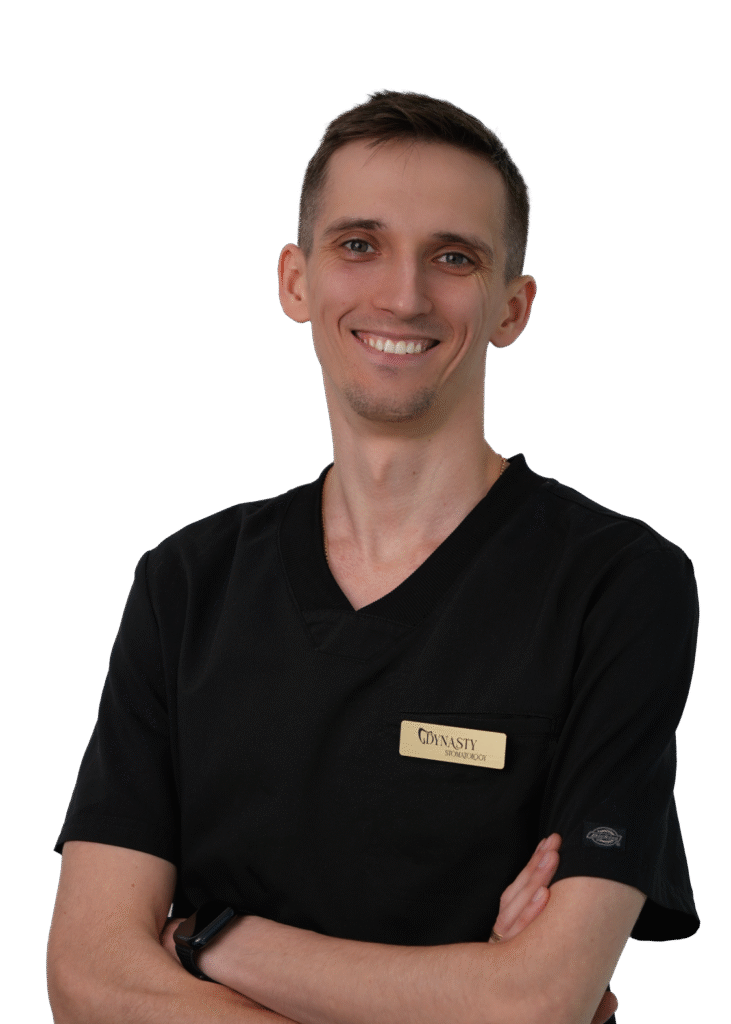
Vladyslav Karkachov
Dentist
Relies on a well-thought-out treatment plan and good rapport with the patient. A friendly approach helps build trust, even among those afraid of de...

Dmytro Ostrovskyi
Dentist
Over 30 hands-on courses completed in 9 years of practice. A comprehensive approach guarantees stable, durable, and predictable results.
Ceramic inlays using CAD/CAM technology: before and after results
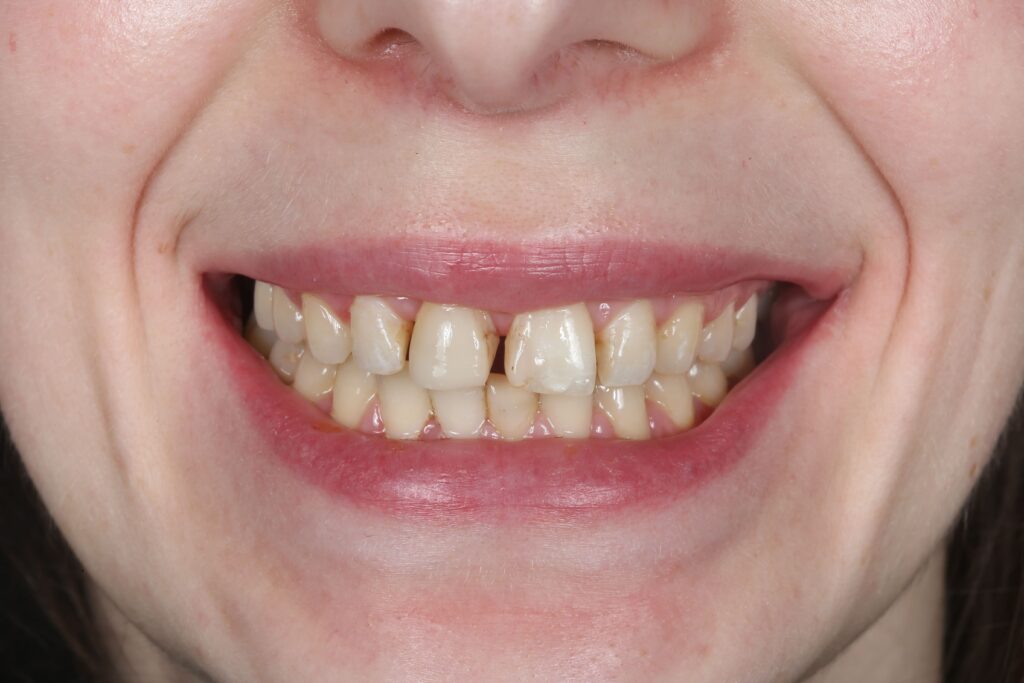
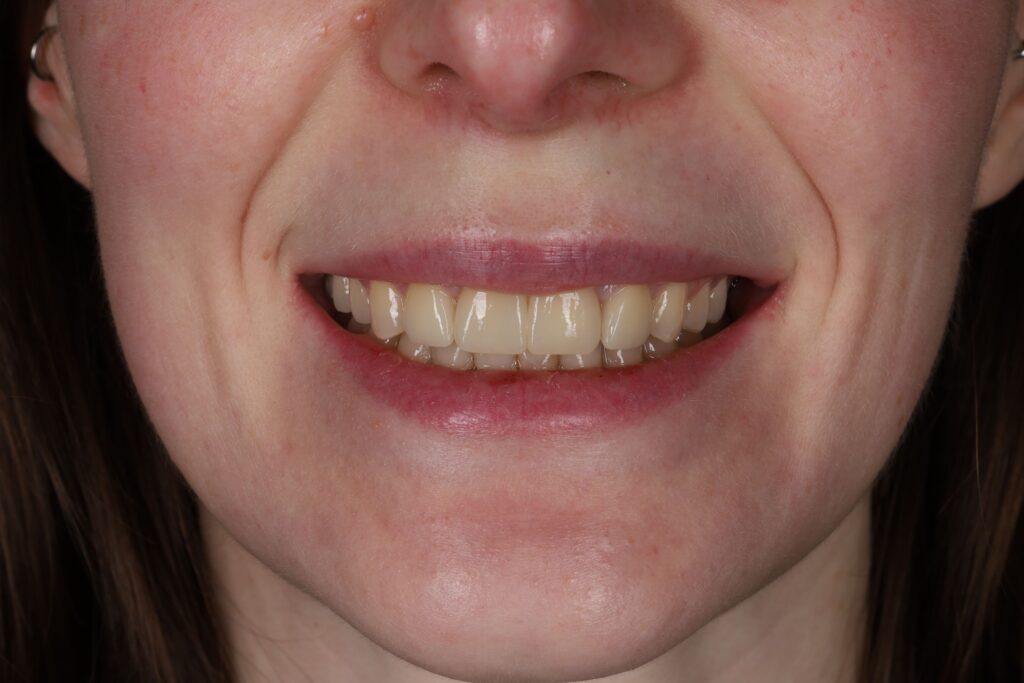
Problem: The patient presented with an aesthetic request to improve the shape, position, and color of the teeth. Examination revealed malocclusion, crowding in the anterior region, missing molars in positions 3.6 and 1.6, uneven occlusal load distribution, and several restorations requiring replacement. A bone deficiency in the area of tooth 3.6 was also identified.
Doctors:
Know more
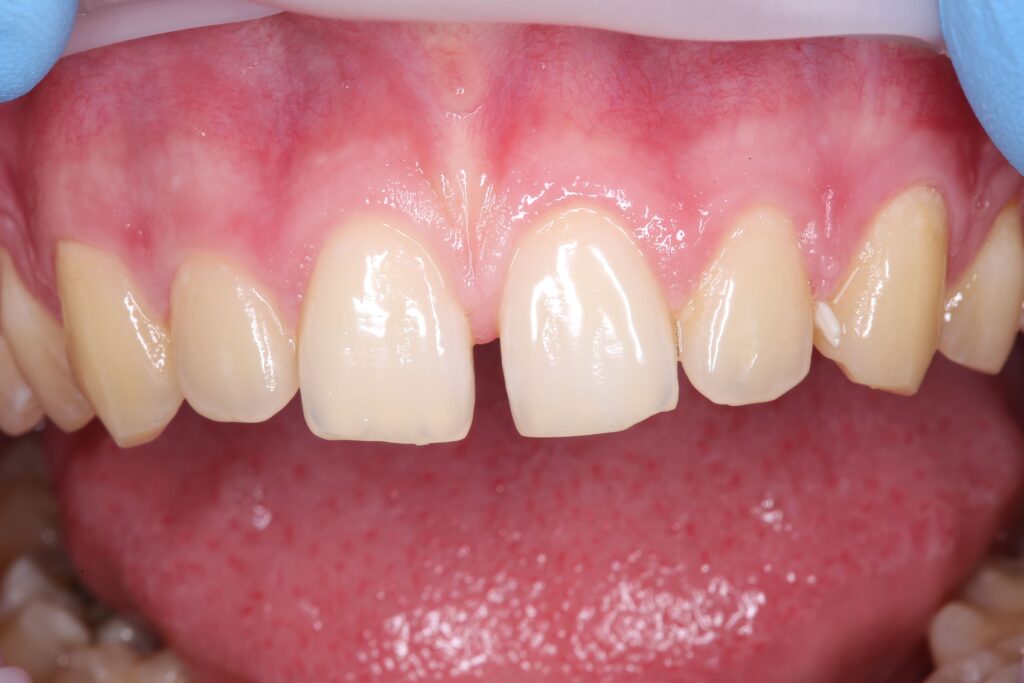
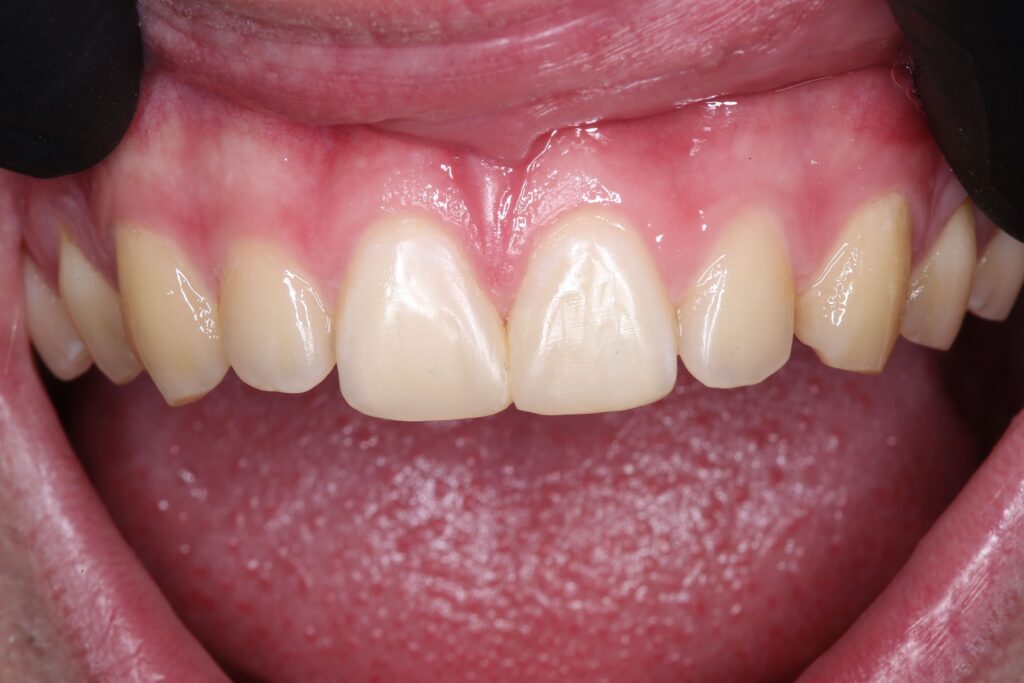
Problem: The patient Oleh presented with concerns about spacing between the upper anterior teeth that negatively affected the smile aesthetics. The patient was seeking an aesthetic solution to close the gap while maintaining a natural appearance. Considering the patient’s young age (19 years), a minimally invasive treatment approach was selected.
Doctors:
Know more
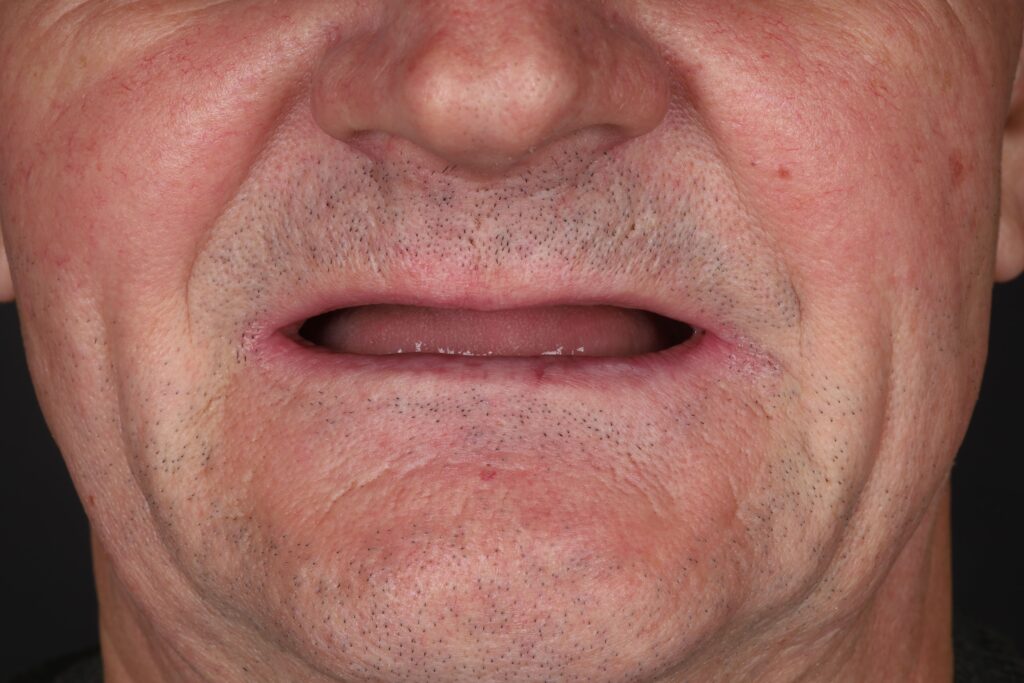
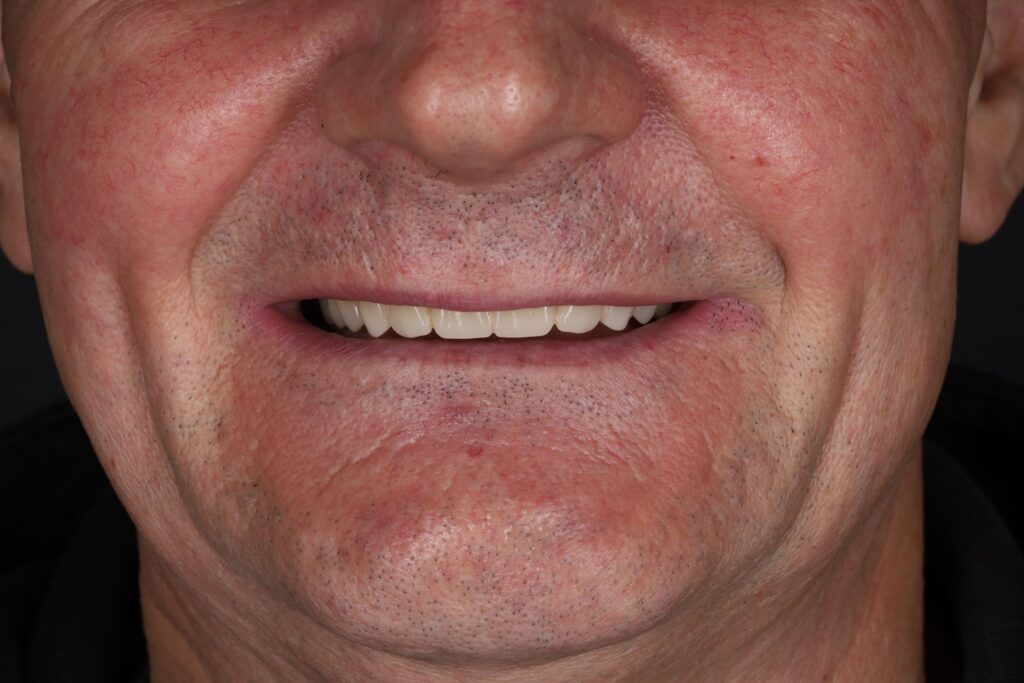
Problem: The patient Vitalii presented with complete edentulism of both the upper and lower jaws. In the past, attempts were made to use removable dentures; however, the patient experienced significant difficulties adapting to them and did not achieve adequate comfort or stability. The patient’s main goal was to restore chewing function and aesthetics with a fixed prosthetic solution.
Doctors:
Know more
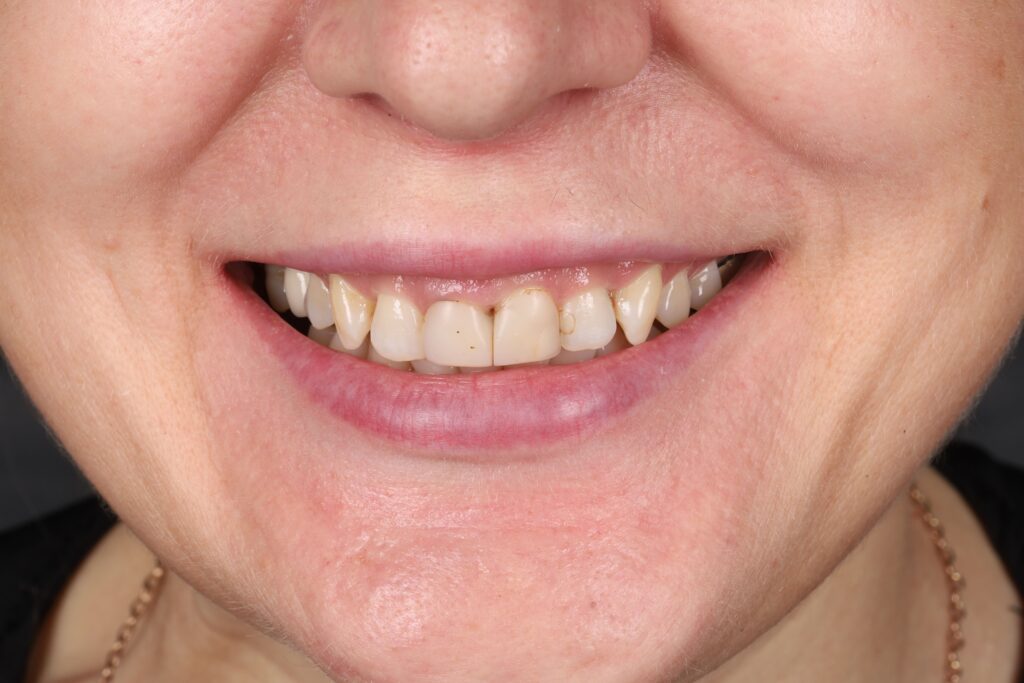
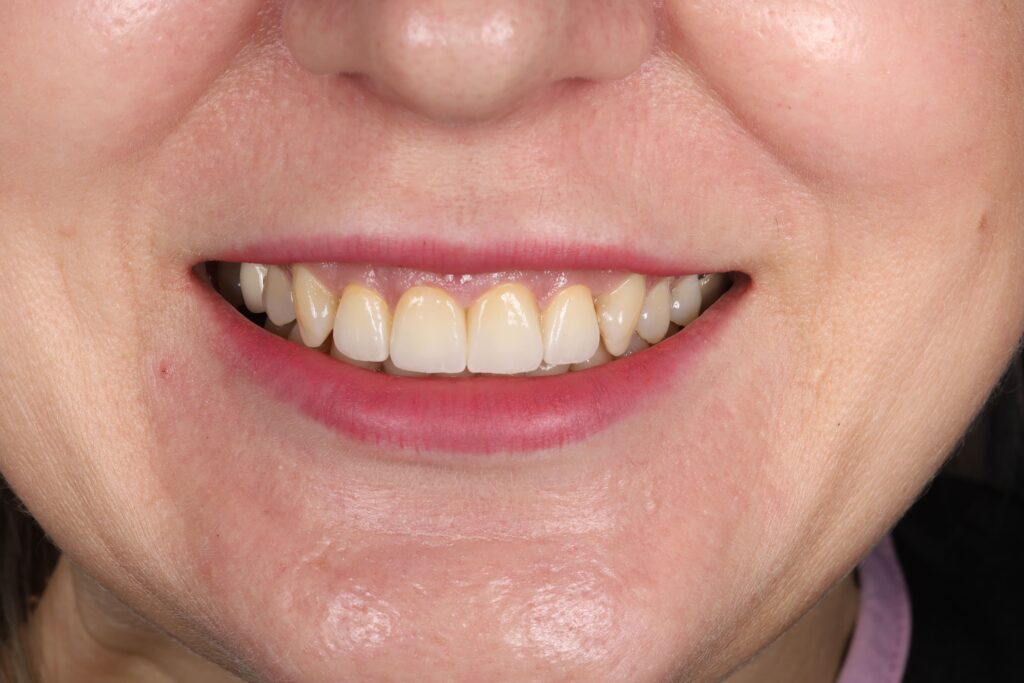
Problem: The patient Olena presented with concerns about smile asymmetry and unsatisfactory aesthetics caused by old restorations placed many years ago. Clinical examination revealed discrepancies in tooth height, shape, and color, which resulted in an unbalanced and non-harmonious smile. The patient’s main goal was a comprehensive aesthetic improvement and creation of a natural, symmetrical smile.
Doctors:
Know more
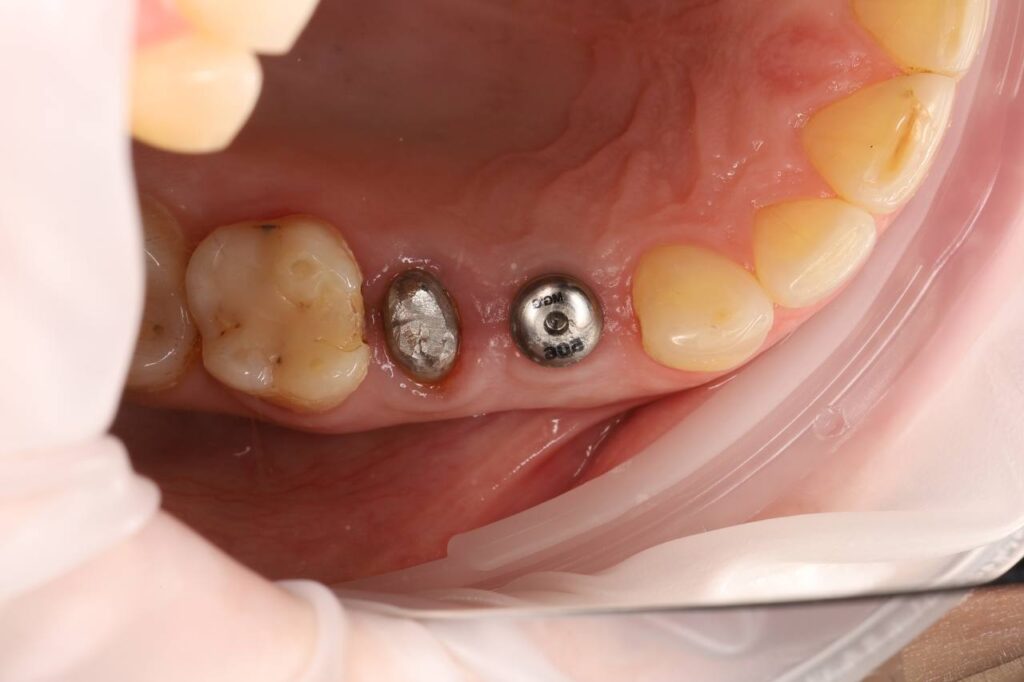
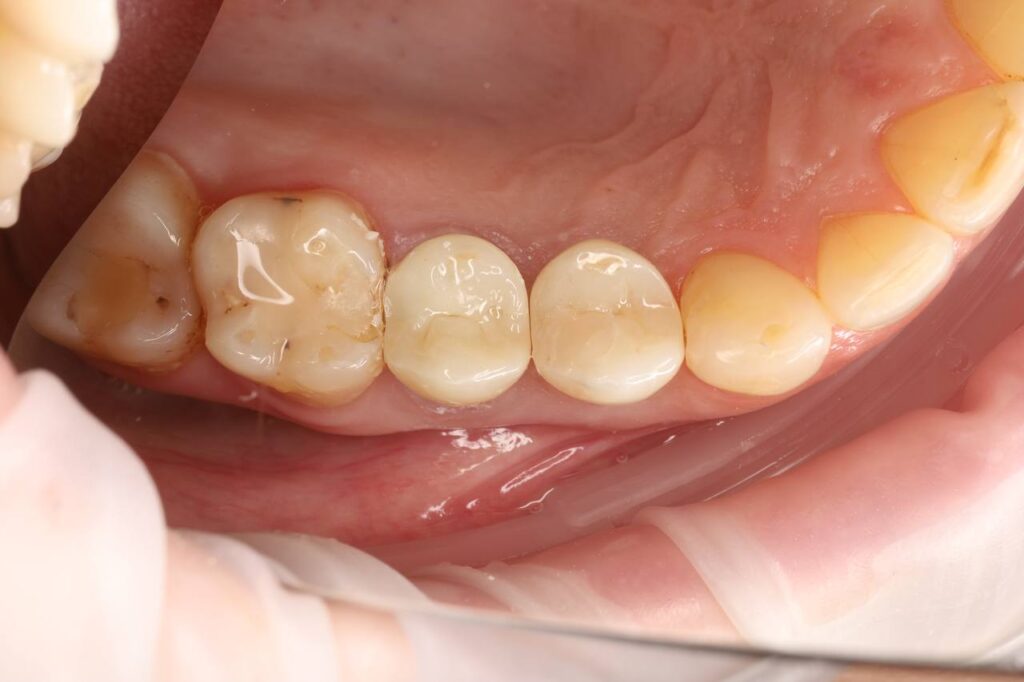
Problem: The patient, Olena, presented with concerns regarding the unaesthetic appearance of existing crowns and discomfort during chewing. One of the teeth was found to be severely damaged below the gingival level and considered non-restorable, which complicated the achievement of a harmonious smile and proper masticatory function.
Doctors:
Know more
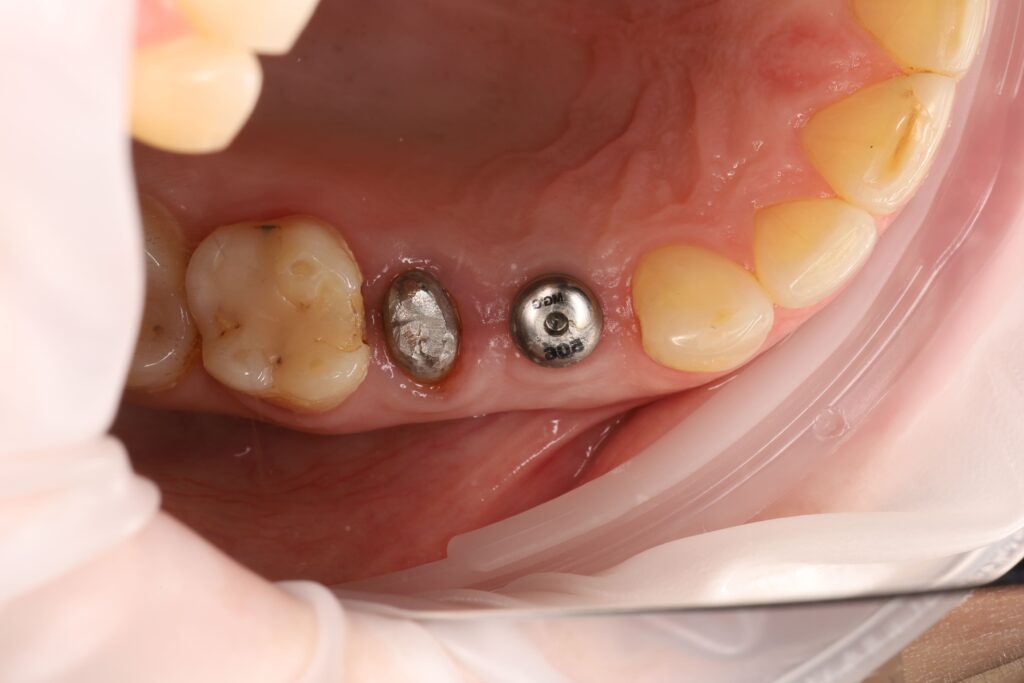
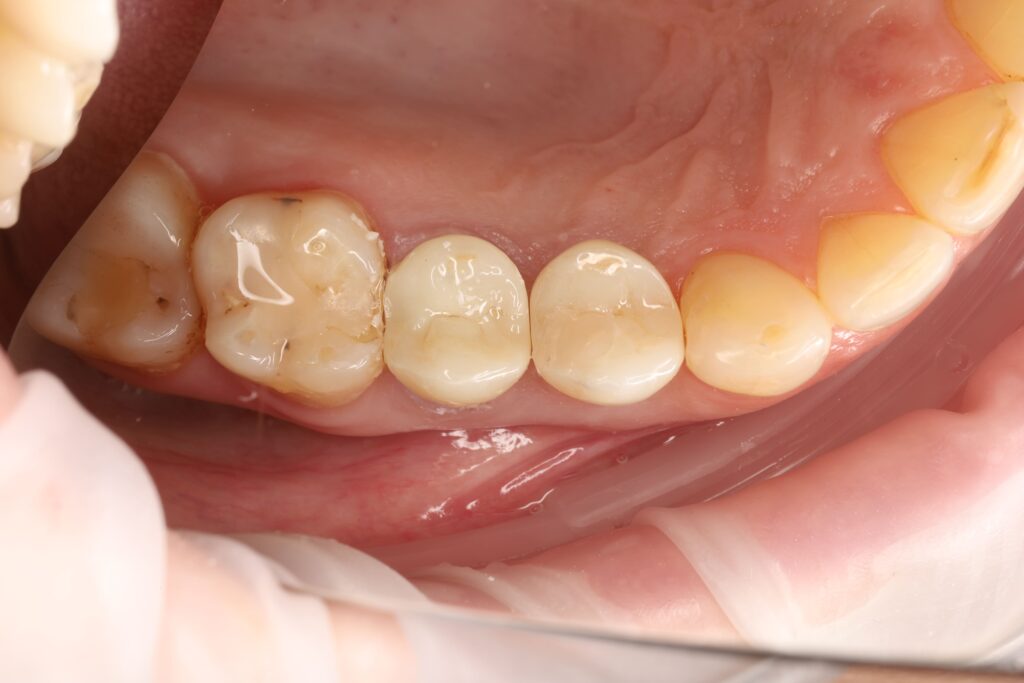
Problem: The patient, Angela, presented with concerns regarding the aesthetic defects of existing metal-ceramic crowns and discomfort during chewing. One of the teeth (tooth 14) was destroyed below the gingival level and was deemed non-restorable, which compromised both the aesthetic harmony of the smile and proper masticatory function.
Doctors:
Know more
Reviews of CAD/CAM ceramic veneers in Krakow

Do you have questions about your dental health?
Book a consultation at Dynasty Stomatology and get recommendations on the next steps based on your individual situation.
Expert articles on the topic
View all blog-
25.08.2026
25
4 min. read
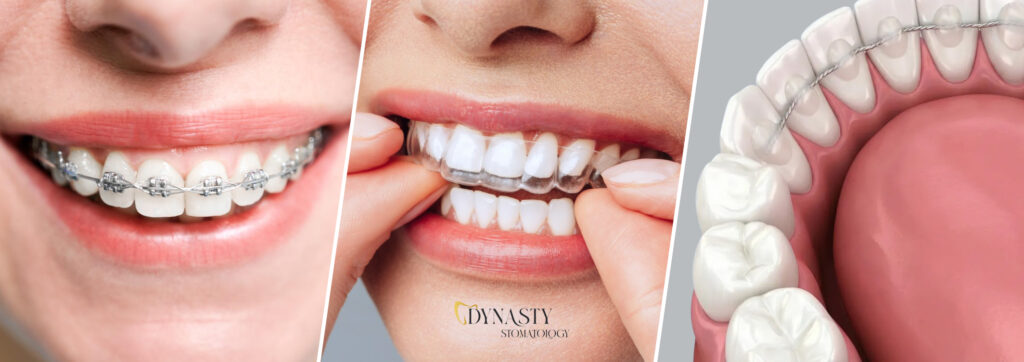
Braces, aligners or retainers – what to choose for bite alignment?
Malocclusion is not just about aesthetics. It can cause headaches, jaw overload, increased teeth clenching, speech problems, and even sleep…
Read more -
20.08.2026
12
11 min. read
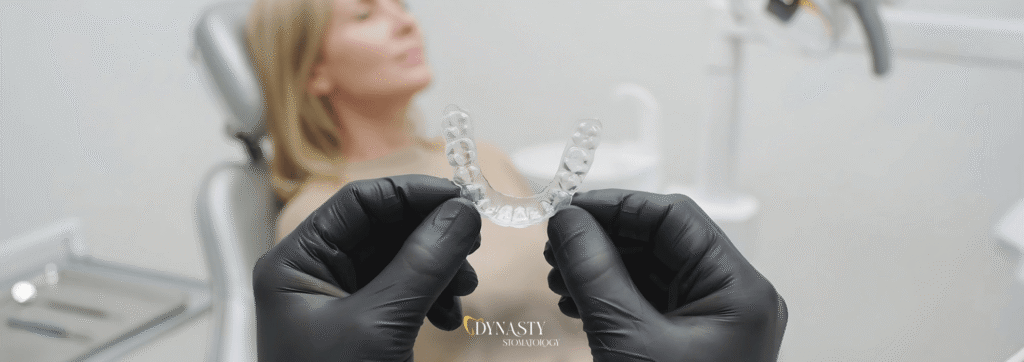
Retainer after removing orthodontic braces – what is it and what does it look like?
Retainer After Braces Removal – What Is It and What Does It Look Like? For patients who have completed treatment…
Read more -
07.08.2026
97
5 min. read
A new smile in 3 days — All-on-4 case in a complex clinical situation
Volodymyr came to Dynasty Stomatology with a clear request: to restore his teeth as quickly and efficiently as possible, improve…
Read more -
11.02.2026
495
8 min. read
What is Digital Dentistry — Everything you Need to Know
Until recently, a visit to the dentist was associated with significant discomfort. Uncomfortable impressions, long waits, and the need for…
Read more -
15.01.2026
551
8 min. read
Composite dental filling – what is it and when is it used?
For most people, a filling is a matter of appearance, comfort, and the assurance of long-lasting tooth health. It's important…
Read more -
12.12.2025
562
6 min. read
Can dental treatment be done during pregnancy – Dental care during pregnancy
Pregnancy is an important, but at the same time exciting and responsible event in a woman’s life. After all, in addition to being responsible for her own health, a woman is now responsible for the life of her child. During pregnancy, it’s important to monitor not only your general health but also your oral health. […]
Read more




If you’re looking to restore a tooth quickly, reliably, and aesthetically, contact the dental clinic Dynasty Stomatology. We utilize cutting-edge digital technology and next-generation materials to ensure the best possible result and comfort throughout every stage of treatment.
What Are Ceramic Inlays Made with CAD/CAM Technology?
When a filling is no longer a viable solution — such as in cases of extensive tooth structure damage — a ceramic inlay made with CAD/CAM comes to the rescue. This type of dental restoration is a micro-prosthesis that replicates the natural anatomy of the tooth and perfectly fills the defect. The junction between the inlay and the tooth becomes virtually invisible.
The inlay is designed and produced using highly accurate digital equipment, ensuring a perfect fit and a visually appealing result. It’s a strong, aesthetic option that helps preserve as much healthy tissue as possible while delivering long-lasting outcomes.
How Is a CAD/CAM Ceramic Inlay Installed?
The installation process is quick and comfortable thanks to digital workflows and the professional work of the dentist. On average, it takes about an hour from start to finish. Here’s how the treatment unfolds:
Thanks to advanced technology and dental practice protocols, this procedure is efficient, safe, and delivers a long-lasting, highly aesthetic restoration.
The workflow has four steps: a digital intraoral scan of the prepared tooth, computer design of the inlay (CAD), milling from a ceramic block such as lithium disilicate or feldspathic ceramic (CAM), and adhesive bonding to the tooth under isolation.
Indications for Ceramic Inlays
Ceramic inlays and onlays are recommended when a composite filling is no longer sufficient to properly repair a tooth. They are particularly effective in cases of large structural damage, where restoring natural shape and function is essential.
Ceramic inlays are an ideal solution in the following situations:
- Extensive damage that makes a regular filling impossible;
- Destruction of one or more chewing surfaces;
- Recurrent tooth decay under an old restoration;
- Need to replace large, worn-out fillings;
- Tooth restoration after root canal operation;
- Increased load on the tooth (e.g., during chewing);
- Desire for a long-lasting, aesthetic, and durable solution.
A quality ceramic inlay, digitally designed, is the proper choice when it’s important to preserve the tooth, restore its function, and maintain its beauty for years to come.
Contraindications for Ceramic inlays using CAD/CAM technology
Although inlays and onlays are suitable for most patients, there are cases where their use may be limited:
- Damage reaching the base of the tooth near the gum line (in such cases, a crown may be necessary);
- Inability to properly fix the inlay with a tight seal;
- Untreated bruxism (teeth grinding);
- Malocclusion (misaligned bite) without prior orthodontic correction;
- Inflammatory gum diseases;
- Allergies to bonding materials;
- Poor oral hygiene habits.
In such cases, the dentist may recommend another type of restoration — such as a veneer, crown, or temporary solution — depending on the patient’s specific oral health condition.
Lifespan and Care Features
CAD/CAM-designed ceramic inlays and onlays are known for their exceptional strength and long-lasting performance. When patients take proper care, these restorations can last 10-15 years or even longer.
To extend the life of your ceramic inlay or onlay, follow these care guidelines:
- Brush your teeth regularly using a soft brush and non-abrasive toothpaste;
- Use dental floss or an irrigator to clean between teeth;
- Schedule a professional cleaning every 6 months with your dentist;
- Avoid applying excessive pressure (e.g., chewing hard nuts or using teeth to open packaging);
- Monitor your bite and treat bruxism, if present.
Cost of CAD/CAM Ceramic Inlays
The cost of a ceramic inlay created with CAD/CAM technology depends on several factors: the complexity of the case, materials used, and the amount of work required. At Dynasty Stomatology, we provide high-quality orthopedic solutions at a price that remains accessible to most patients.
To receive an accurate treatment plan and estimate, we invite you to call or visit our clinic at your convenience. After a full evaluation, our doctor will recommend whether an inlay, onlay, or another method is best suited for restoring your tooth.