
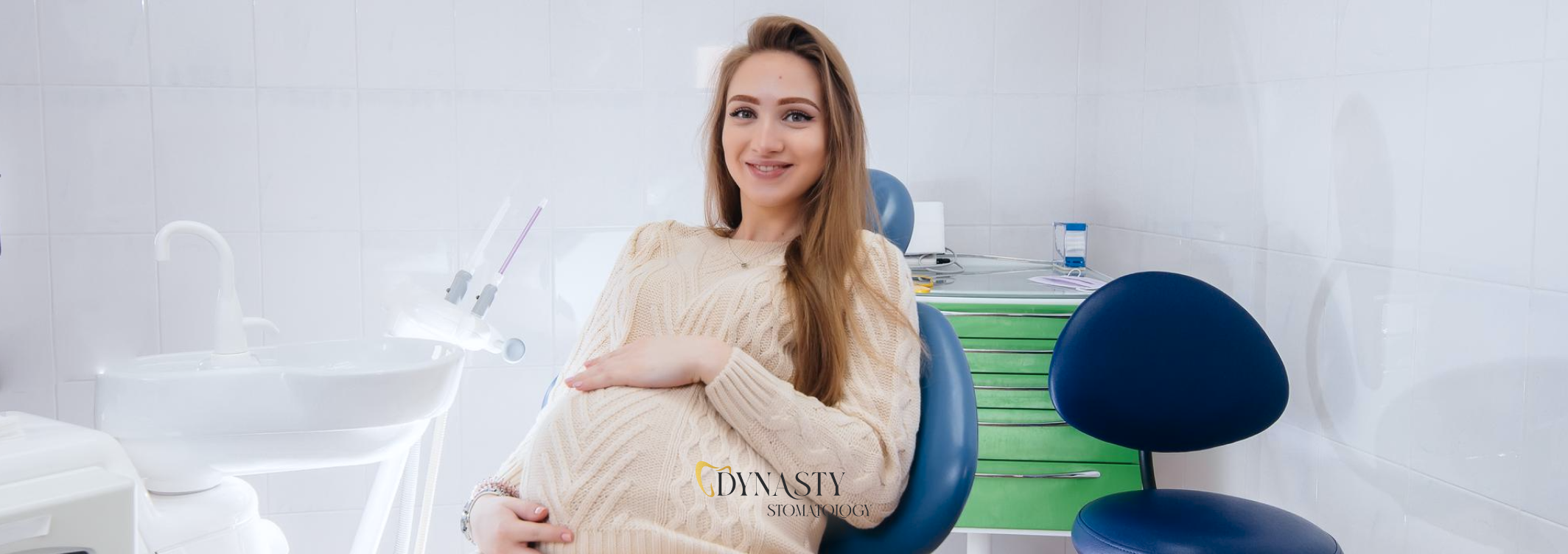
Pregnancy is an important, but at the same time exciting and responsible event in a woman’s life. After all, in addition to being responsible for her own health, a woman is now responsible for the life of her child.
During pregnancy, it’s important to monitor not only your general health but also your oral health. Hormonal changes in the body can cause swelling, inflammation, or even bleeding gums. These symptoms require special attention, as oral health affects the course of pregnancy and the health of the unborn child.
In this article, we’ll discuss which procedures are safe and which are best left until after the baby is born, how to prepare for an appointment, and what myths prevent pregnant women from receiving treatment.
Teeth treatment of pregnant patients: oral health during pregnancy
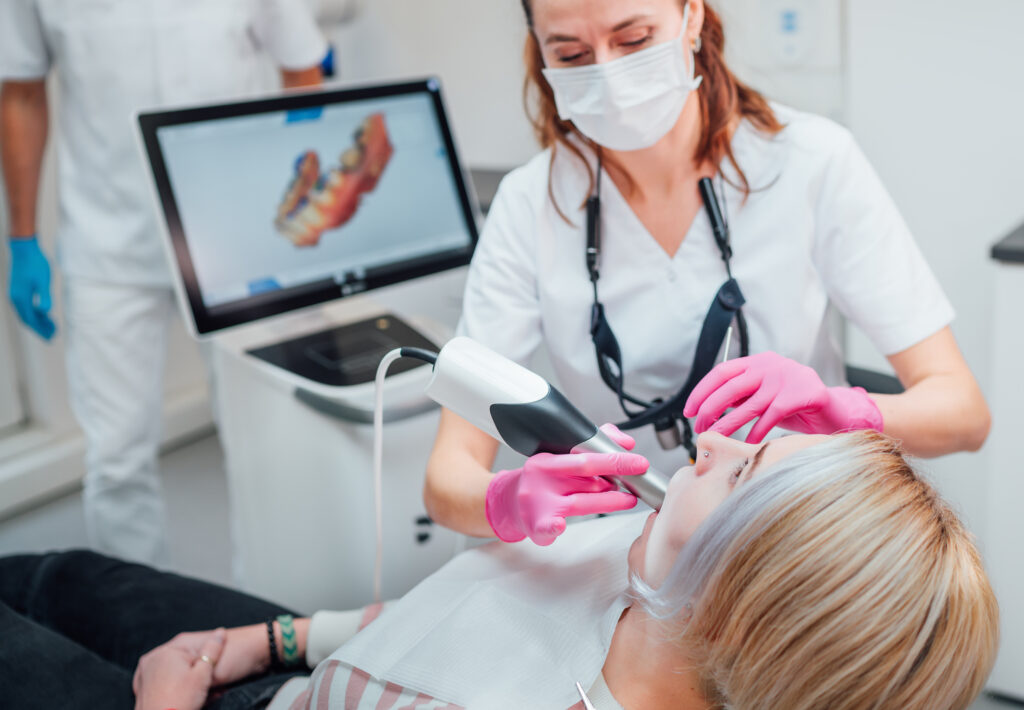
Women may wonder whether dental treatment is safe during pregnancy. The good news is, many procedures are safe when performed by a professional.
It’s important to remember that untreated dental issues during pregnancy can be much more dangerous than treatment by a dentist. Timely dental check-ups help prevent inflammation, complications, and acute conditions. A qualified dentist always considers the woman’s condition, pregnancy stage, and contraindications and selects a safe treatment.
Toothaches in pregnancy and other dental needs for teeth during pregnancy
Due to nausea, changes in diet, and hormonal changes, there is stress on the teeth. Therefore, if you’re experiencing a toothache, it’s best to see a dentist immediately. Delaying treatment can make the situation worse. At Dynasty Stomatology, dentists will select a dental pain relief pregnancy treatment individually to ensure it doesn’t harm the baby.
Below you can find information about oral problems that require a doctor’s attention:
- swollen gums pregnancy;
- gum bleeding pregnancy;
- enamel erosion pregnancy;
- problems caused by morning sickness and tooth damage.
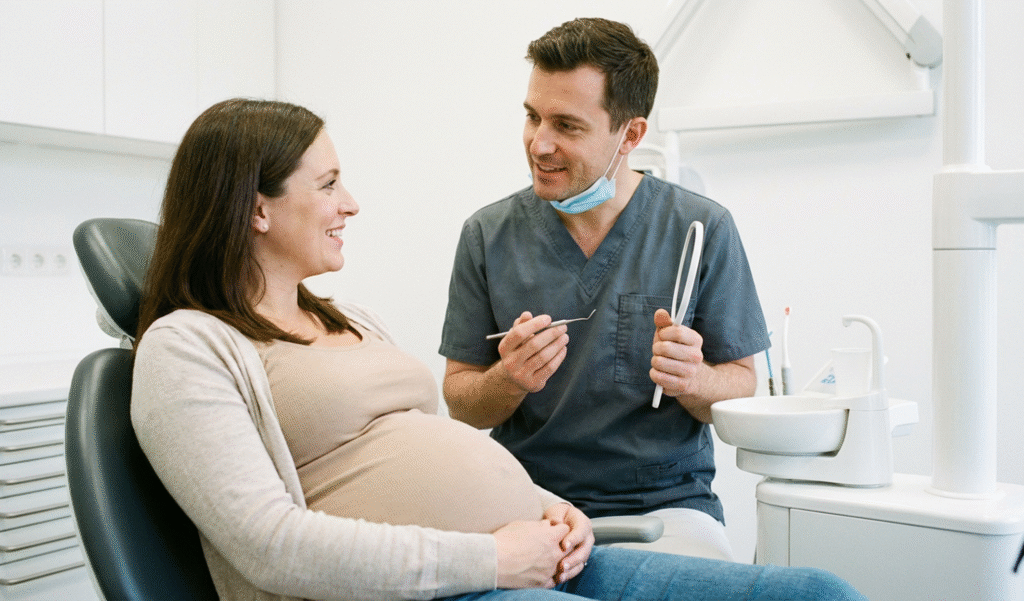
Dental treatment during pregnancy – yes or no for oral health?
The answer, of cause, yes. All pregnancy-safe dental procedures are officially permitted.
Even dental emergencies during pregnancy should be performed without delay. Otherwise, a progressive infection can affect the health of the mother and even the baby.
Is Dental X-ray safe during pregnancy?
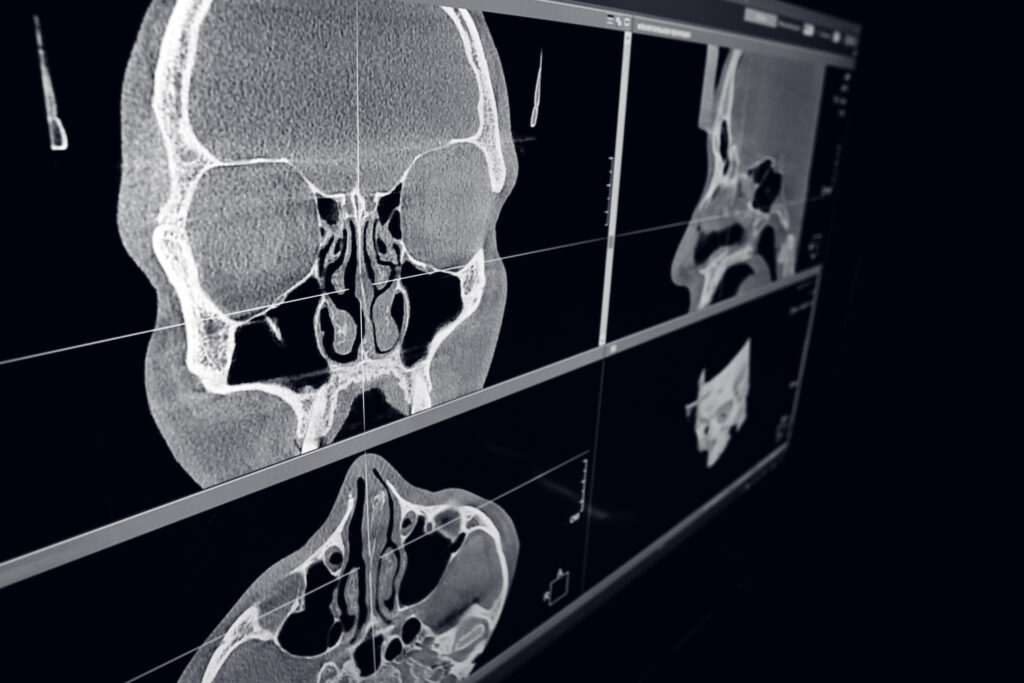
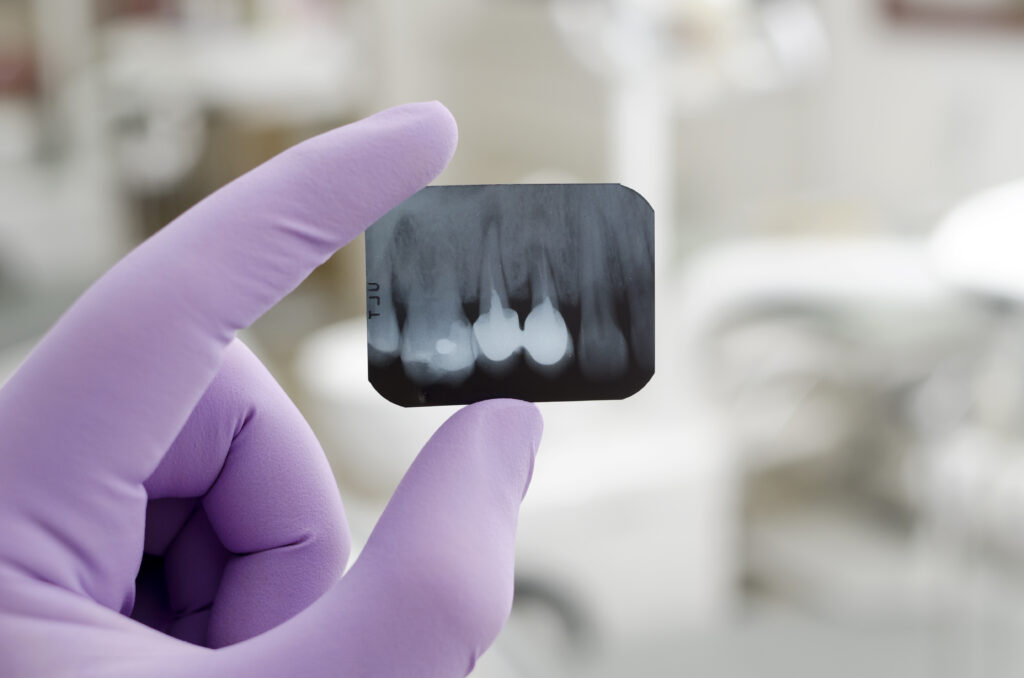
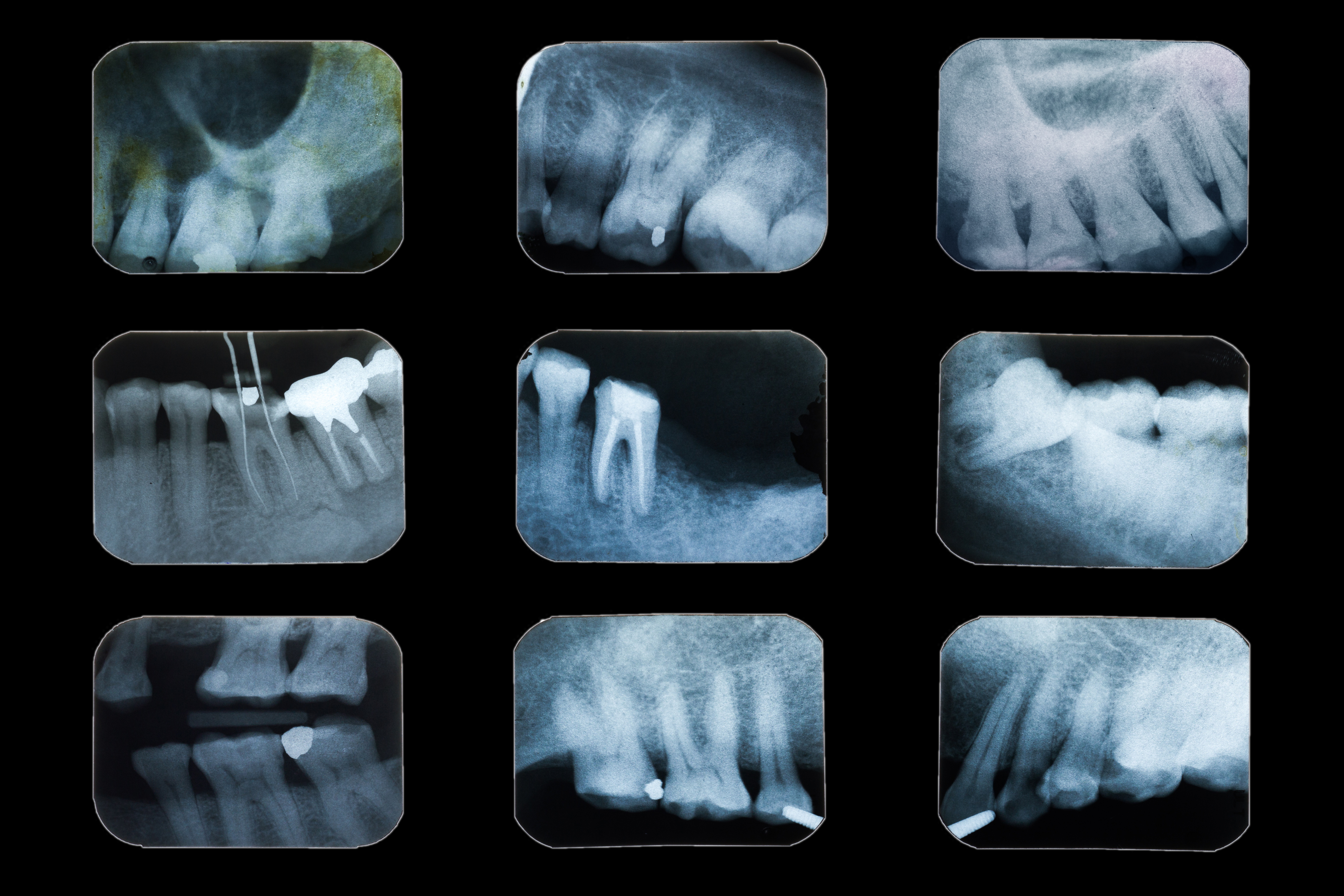
There’s a common misconception that X-rays are dangerous and even prohibited during pregnancy. But no, this myth can be debunked. Modern dental X-rays use a minimal dose of radiation, and the doctor always covers your abdomen with a protective apron.
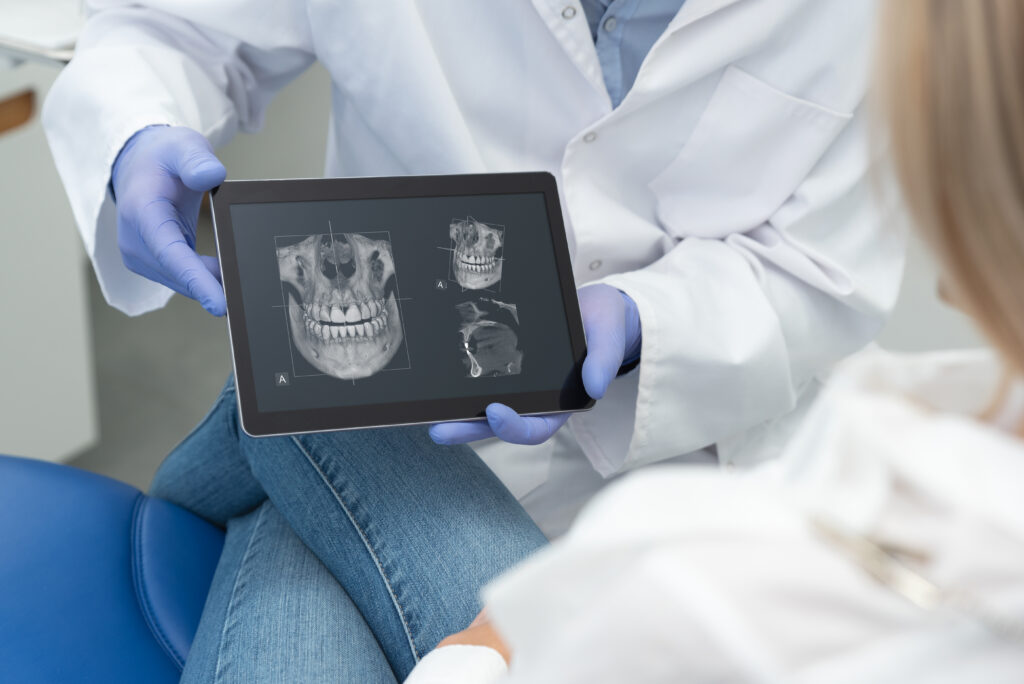
A single X-ray won’t harm you or your baby, but it will provide the doctor with vital information if dental infections are suspected during pregnancy, root canal treatment is needed, or if bone fractures or inflammation are present.
Local anesthesia for pregnant or breastfeeding women and how it works during a trimester
There are situations when anesthesia is necessary. Without it, you may experience unnecessary stress and severe pain during treatment, which can cause far more harm than the anesthesia itself.
At Dynasty Stomatology, our dentist uses medications that are safe for pregnancy and always selects the appropriate dosage based on the stage of your pregnancy.
Antibiotics and Painkillers for pregnant or breastfeeding women: what is unsafe during pregnancy?
Some medications are approved for pregnant and breastfeeding women and are used by dentists worldwide. Therefore, taking painkillers and antibiotics for dental infection in pregnancy is acceptable. However, it’s important not to self-prescribe them.
The main thing is to inform your dentist about your pregnancy and its stage, as more information will help them select a safe antibiotic or painkiller that won’t affect the health of the baby.
In most cases, treatment for pregnant women is calm and safe, as it is performed under the supervision of a qualified doctor.
The safest period during pregnancy for dental treatment and planned orthodontic treatment
First trimester (first trimester of pregnancy)
During this period, it is best to postpone unplanned procedures, but if there is a serious need, then of course it is worth contacting a doctor. He will conduct a diagnosis and advise which treatment is the safest.
Second trimester (second trimester of pregnancy)
At this stage, more procedures can be performed with minimal risks, such as root canal treatment, fillings, tooth extractions, and other dental procedures.
Third trimester (third trimester)
In the third trimester, more procedures can be performed with minimal risks. For example, root canals, fillings, tooth extractions, and other dental procedures are safe.
Dental treatment and the baby’s health: when tooth extraction is needed
We understand that expectant mothers are concerned about the health of their babies, but it’s important to understand that lack of treatment can cause far more harm to the baby than treatment itself. After all, pregnancy gingivitis or infections can affect the overall health of the body and the baby.
Therefore, proper dental care is about caring for both yourself and your unborn child.
Debunking myths about dental treatment during pregnancy
You’ve probably heard a lot about pregnancy dental myths, but we’ll analyze them fact by fact to give you peace of mind.
- “It’s dangerous to treat teeth during pregnancy” — False. Modern dentistry has advanced, and treatment is safe for pregnant women. The main thing is to tell your doctor you’re pregnant and which trimester you’re in.
- “Anesthesia can’t be used” — False. Sometimes anesthesia during pregnancy is essential. But there are gentle medications that won’t cause any harm.
- “X-rays are strictly forbidden” — False. Modern X-ray machines are extremely safe. Radiation is minimal, and the abdomen is covered with an apron.
- “Teeth cannot be extracted during pregnancy” — False. If there are serious indications for extraction, it’s necessary. And the sooner this problem is addressed, the better for your health and the health of your baby.
- “Treatment should be postponed until after birth” — False. Don’t wait until after delivery to begin treatment. While you’re waiting, your symptoms may worsen. And constant pain will interfere with your sleep and cause stress, which is precisely what’s most dangerous.
- “Pregnancy automatically causes tooth decay” — False. Pregnancy itself doesn’t cause cavities. This can be due to hormonal changes, dietary changes, or vitamin deficiencies.
- “Fluoride toothpaste is unsafe during pregnancy” — False. Regular fluoride toothpaste is safe during pregnancy. Moreover, it helps strengthen enamel and protects against cavities.
Can you visit the dentist while pregnant?
The answer is a resounding yes. It’s essential for your health and the health of the child.
And we hope that after reading this article, you’ll be aware that to avoid escalating existing problems and pain, you need to visit the dentist regularly, as this is an important part of pregnancy oral hygiene.
Our recommendation is to visit your dentist regularly, even if you think everything is fine and there’s no reason to go for a checkup. This reduces pregnancy dental risks and helps you monitor your oral health.
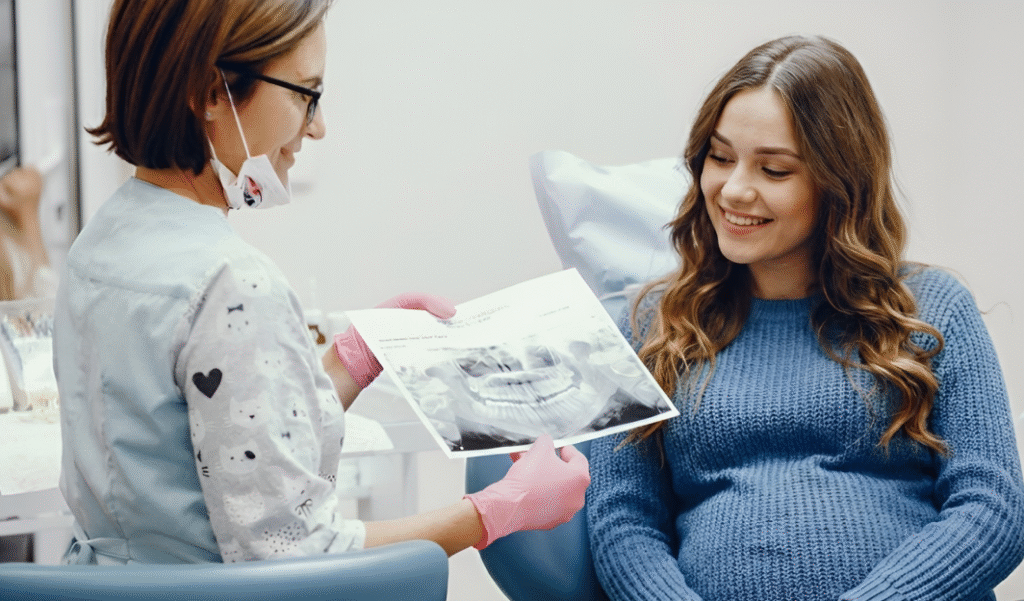
Frequency Asked Questions about teeth during pregnancy and safe care
-
Preparing for your appointment doesn’t require anything complicated. Simply inform your doctor of your pregnancy stage and any medications you’re taking. It’s also a good idea to eat before your visit.
-
If you’re experiencing severe pain, swelling, fever, pus, or bleeding, you should see a dentist as soon as possible.
-
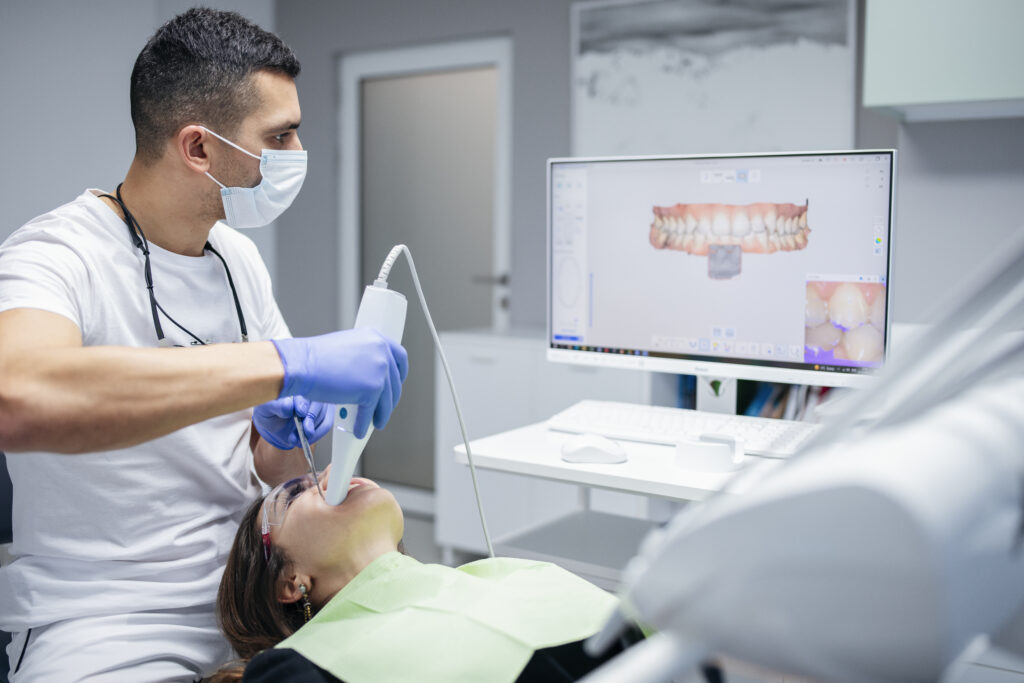
Yes. Professional dental cleaning pregnancy is a relatively safe procedure and can be performed during pregnancy. Cleaning helps reduce inflammation and improve gum health.
-
A woman’s hormones can significantly affect oral health, causing sensitivity and even pregnancy gingivitis.
-
Bleeding is a sign of inflammation. It’s important to determine the cause to understand how dangerous it is. Your dentist can diagnose and prescribe treatment and safe dental medication pregnancy during your first consultation.
-
It’s best to postpone teeth whitening. This procedure is better performed after pregnancy
-
This is a fairly common question about tooth decay pregnancy prevention. Our dentist recommendations for pregnant women are to rinse your mouth with water after vomiting and avoid brushing your teeth for 20-30 minutes, as acid may remain in your mouth. It takes time for the enamel to recover. Another tip: drinking water between bouts of vomiting helps reduce acidity in the mouth, which in turn maintains normal saliva production.
-
To maintain oral health, you can use a soft toothbrush and fluoride toothpaste pregnancy. Regular dental appointments during pregnancy are also essential to detect cavities and other problems early.
-
It’s important to understand this question in more detail. If you need a standard procedure, such as a dental cleaning or cavity treatment, a gynecologist consultation is usually not necessary. However, in complex cases, such as tooth extraction, dental infections during pregnancy, or if you’re taking any medications, it’s essential to coordinate treatment with your gynecologist.
-
Yes, you can safely visit your dentist, as postpartum treatment is no different from the procedures during pregnancy.
Need a dentist consultation?
Schedule a consultation to take care of your health and the health of your child. At Dynasty Stomatology, you can feel confident, as our qualified doctors will conduct a diagnosis and create a treatment plan that is safe for you and your baby.