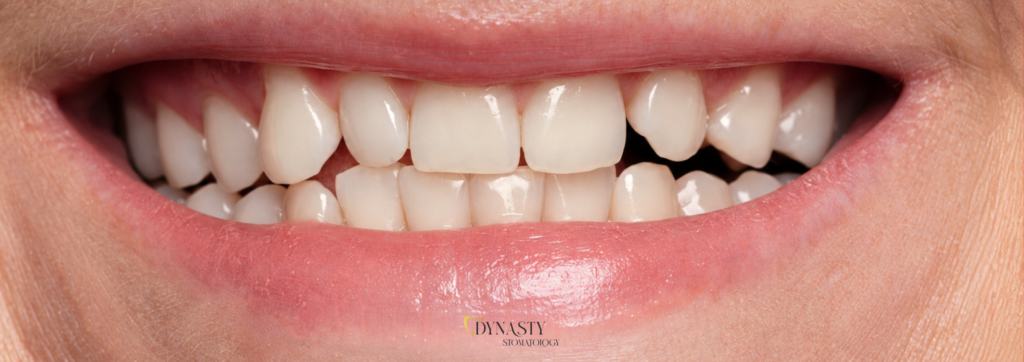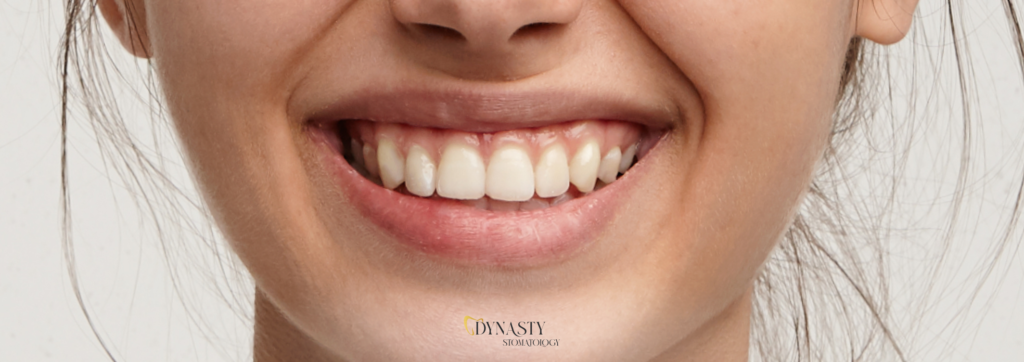

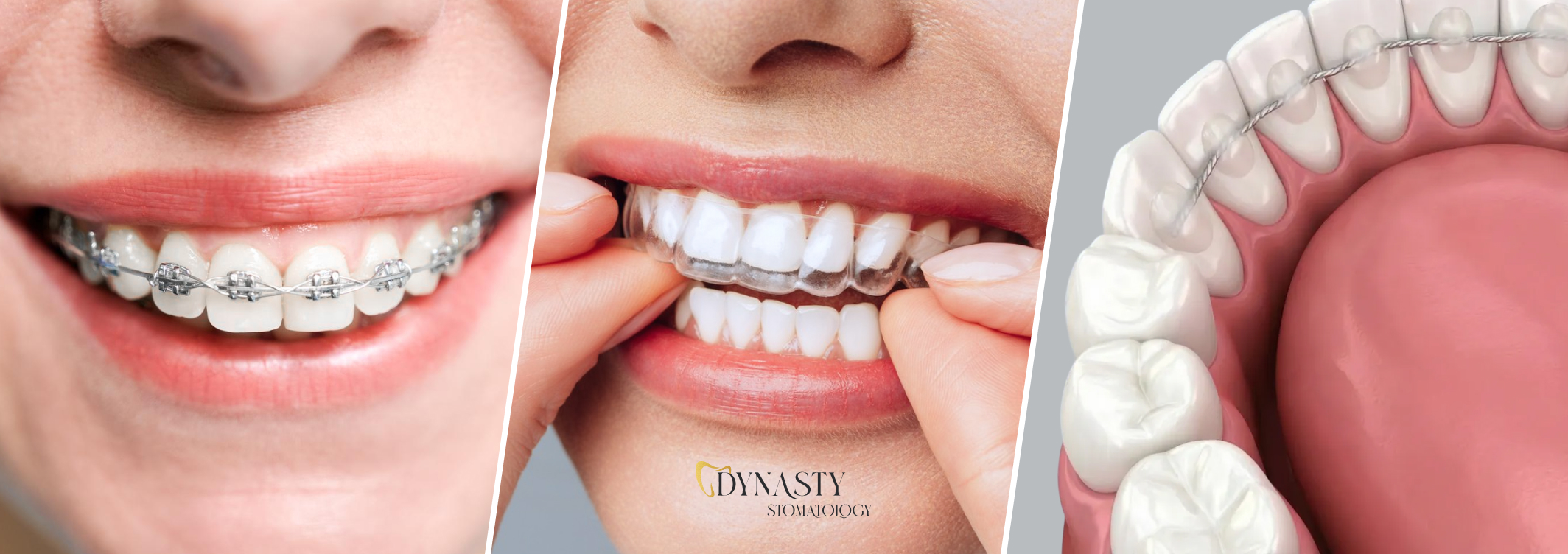
Malocclusion is not just about aesthetics. It can cause headaches, jaw overload, increased teeth clenching, speech problems, and even sleep disturbances. Modern orthodontics offers several methods of correction — and the patient should choose not just “what is cheaper” or “what is more fashionable,” but what will work in their particular case.
This article provides a clear analysis of three main tools: braces, aligners and retainers.
Braces
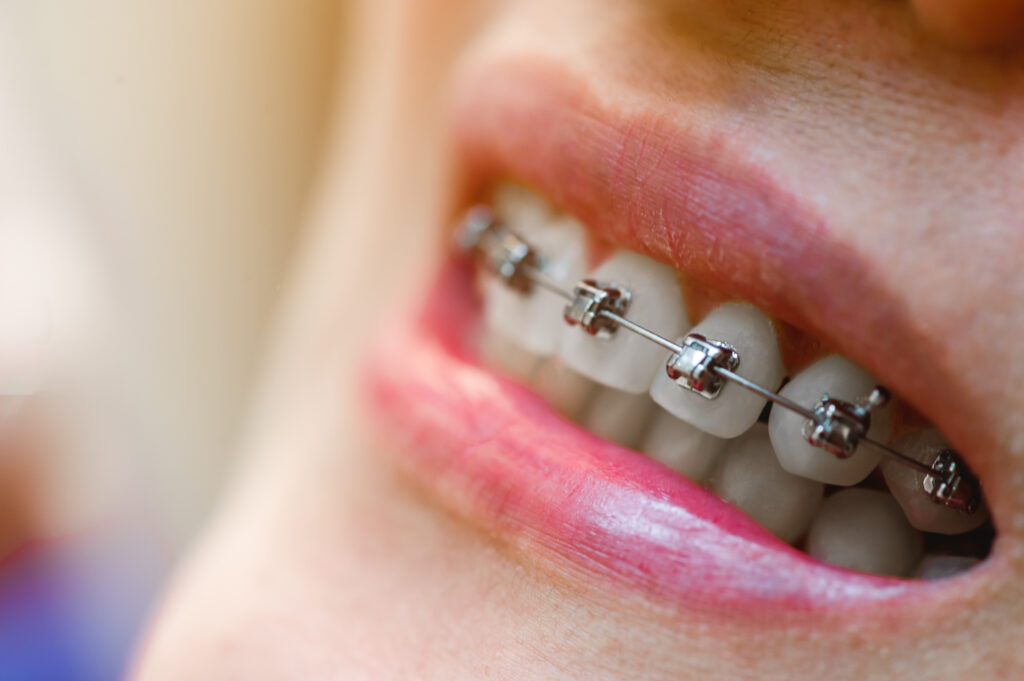
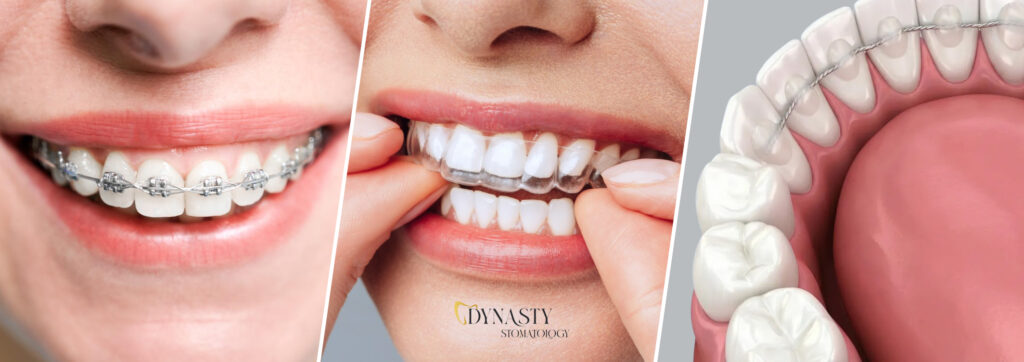
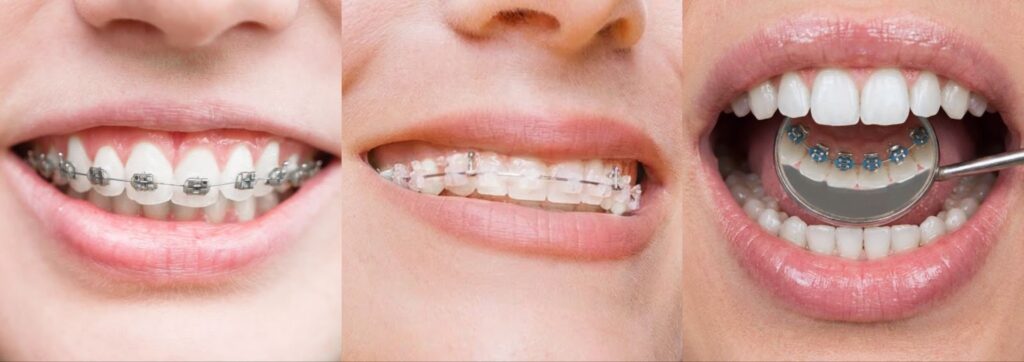
Braces are a fixed orthodontic system that is glued to each tooth and connected by an orthodontic arch. Through it, the doctor transmits forces that gradually move the teeth into the desired position.
When needed:
Braces are the first recommendation in moderate and complex cases. If the teeth have severe rotation, pronounced crowding, incorrect inclination, or the bite is so disturbed that a mouthguard cannot “pull it out,” then braces are indispensable.
What types are there:
- Metal — the most reliable, but noticeable.
- Ceramic or sapphire — less noticeable, but more fragile.
- Lingual braces are placed on the inner side of the teeth, making them almost invisible, but they are expensive and difficult to care for.
Duration of treatment:Depends on the diagnosis, on average — from 12 to 24 months.
Features:
- They don’t take breaks, so they work 24/7.
- They require careful hygiene.
- At first, there may be discomfort and scratches.
Price:
The average cost is from €2,000 for installation + regular visits. At Dynasty Stomatology, we develop a treatment plan with transparent pricing after a complete diagnosis.
E-liners
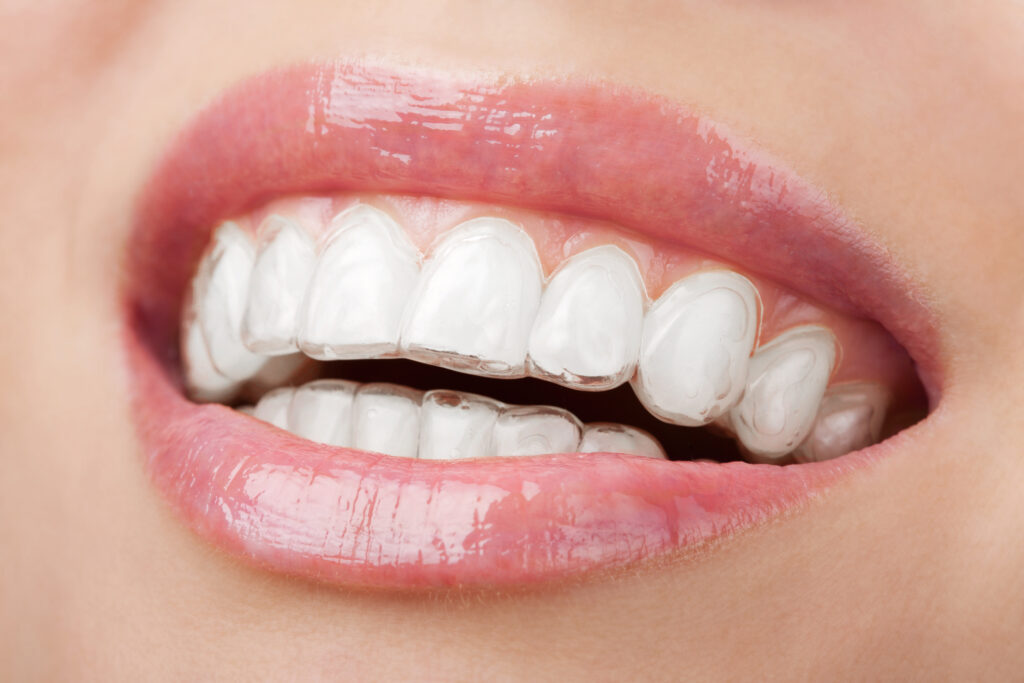
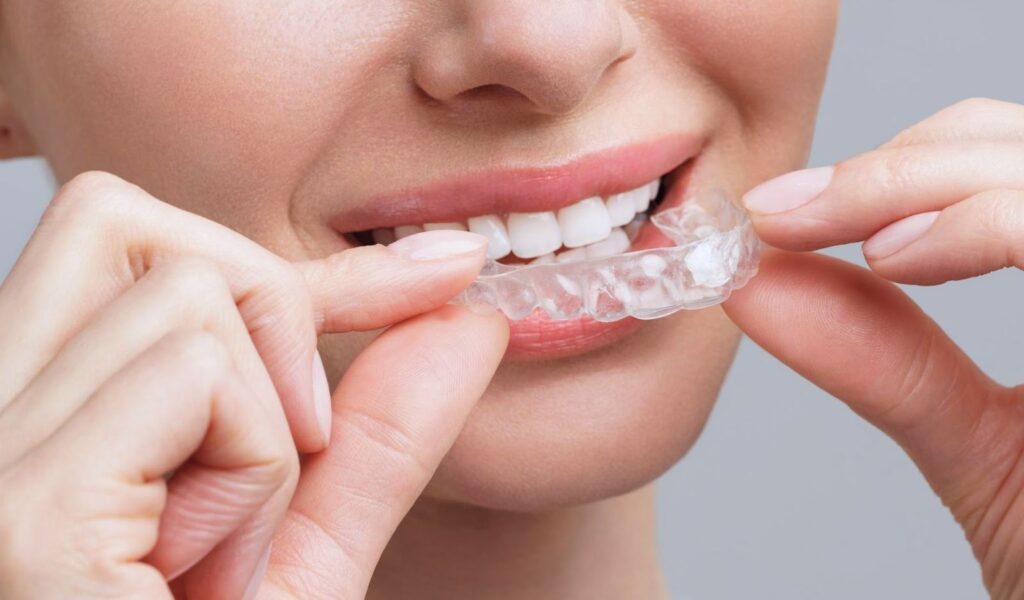
Aligners are a set of customized transparent trays that the patient changes every week or every 10 days. Each new tray moves the teeth slightly — step by step, gradually.
When it works:
Aligners are ideal for mild and moderate cases. If the patient has minor crowding, mild crossbite or open bite, or small gaps, a fixed system may not be necessary.
Pros:
- Completely transparent. They are almost invisible.
- Removed during meals — does not affect nutrition.
- Convenient for those who often speak in public or work with people.
Cons:
- They only work if worn 20–22 hours a day.
- Self-discipline is required. If you don’t wear it, there will be no result.
- Not suitable for complex cases.
Duration:
From 4 to 18 months depending on the diagnosis.
Price:
The course of treatment starts at €2,500. It covers full diagnostics, planning, manufacturing of a set of caps, and support.
Retainers
Retainers are not a method of alignment. They are a means of securing the results after treatment. They are worn by all patients who have completed orthodontic treatment, whether with braces or aligners.
What types are there:
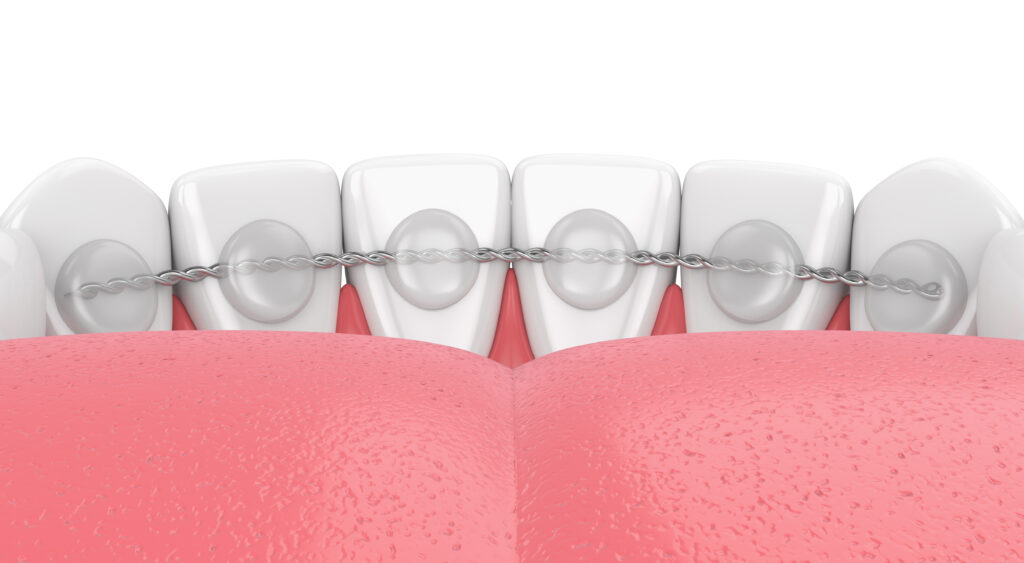
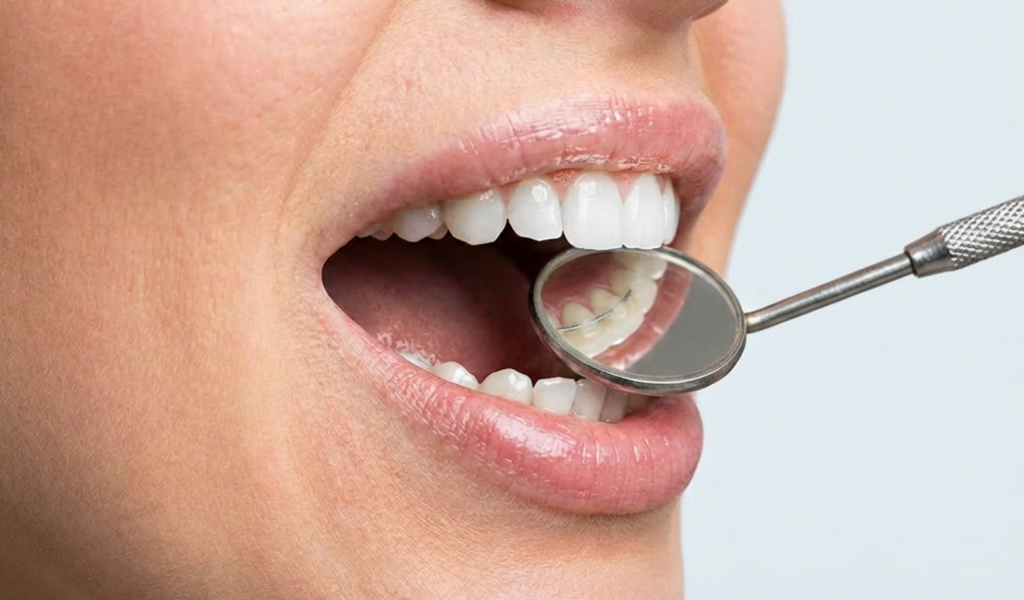
- Fixed: thin wire bonded to the back of the teeth.
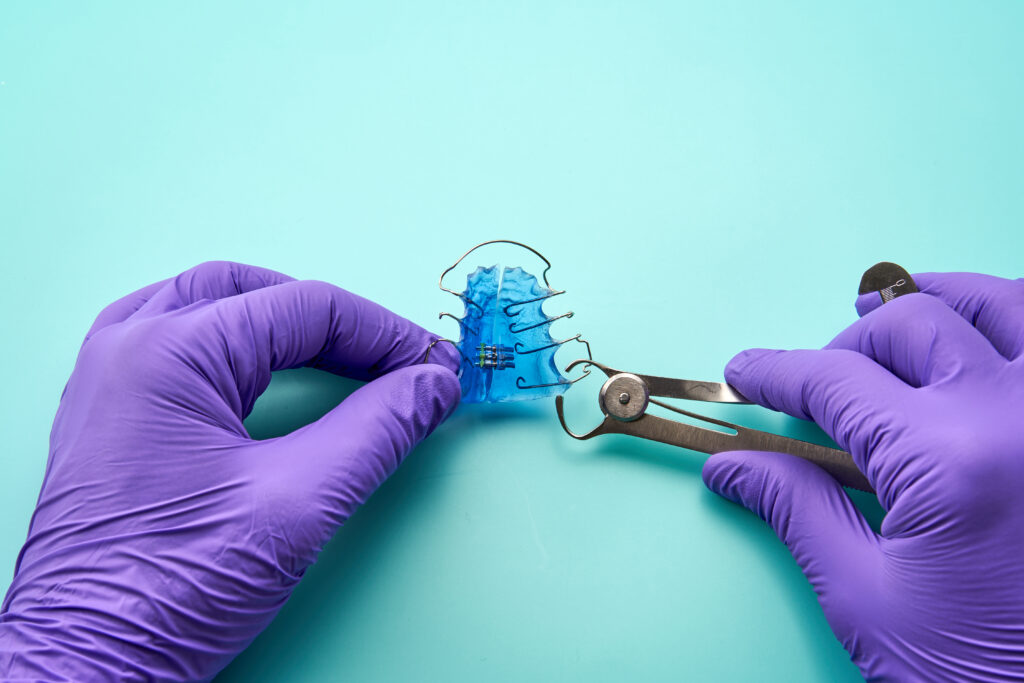
- Removable: transparent mouth guards worn at night.
Why this is important:
Teeth have a “memory” — after treatment, they tend to return to their previous position. Without a retainer, the results simply disappear.
How long to wear:
- At least six months.
- Most often — constantly at night, especially in difficult cases.
Price:
From €150–200, depending on the type.
How it works at Dynasty Stomatology
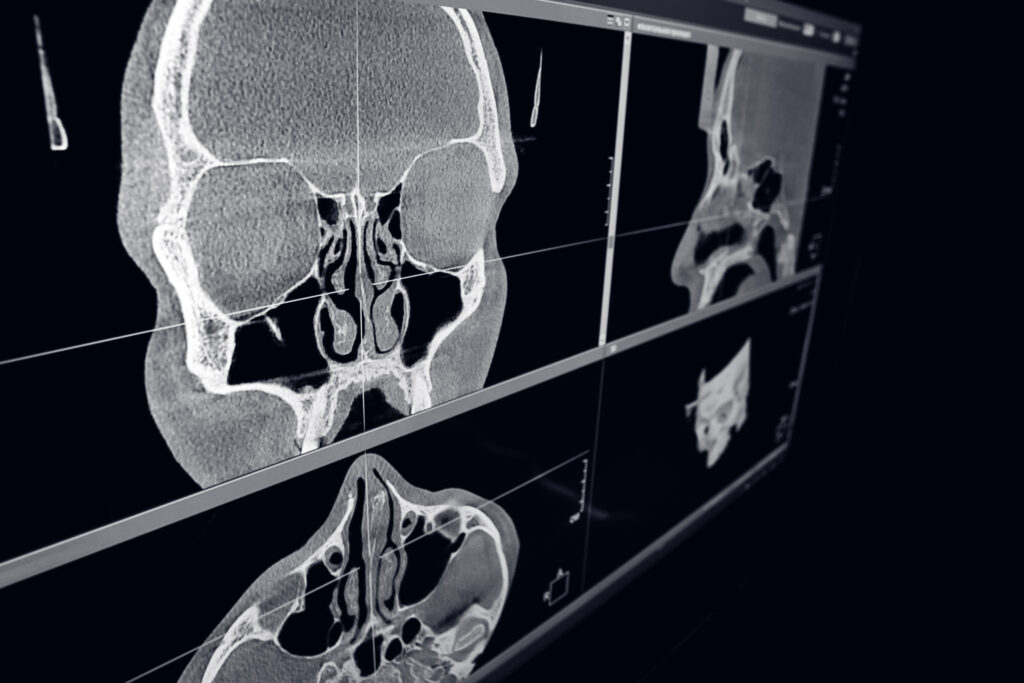
We conduct a comprehensive diagnosis of the jaw, teeth, joints, and muscles, utilising CT scans and photo protocols to obtain a complete picture.
We develop a personalised treatment plan for each patient, taking into account:
- not only the condition of your teeth, but also your budget;
- your pace of life (whether it is convenient to wear removable mouth guards);
- medical contraindications;
- expected aesthetic result.
Bite alignment is a treatment that must be safe, controlled and effective. At our clinic, you undergo this process under the supervision of a doctor at every stage.
Conclusion
Usually, you can choose between three instruments that allow you to correct your jaw, and here are their main differences.
- Braces — for complex cases.
- Aligners — for those who want aesthetics and comfort.
- Retainers are essential after treatment to maintain the results.
To understand what is right for you, you need to look at your specific situation. To get a calculation, make an appointment with our doctors at a time that is convenient for you.